David Schildknecht trained in philosophy and worked as a restaurateur before spending a quarter century in the U.S. wine trade. His tasting reports, ones from Austria and Germany prominent among them, have since the late 1980s been fixtures of Stephen Tanzer's International Wine Cellar; Robert Parker's Wine Advocate; and, since 2015, Vinous. A columnist and feature contributor for Wine & Spirits, The World of Fine Wine, and Austria’s Vinaria, he is responsible for the German and Austrian entries in the The Oxford Companion to Wine and a co-author of the 7th edition of Robert Parker's Wine Buyer's Guide. David has also addressed issues of aesthetics in contexts academic and otherwise, and his life in wine leaves time to pursue his passions for cooking, music, history, and his infinitely tolerant wife of five decades.
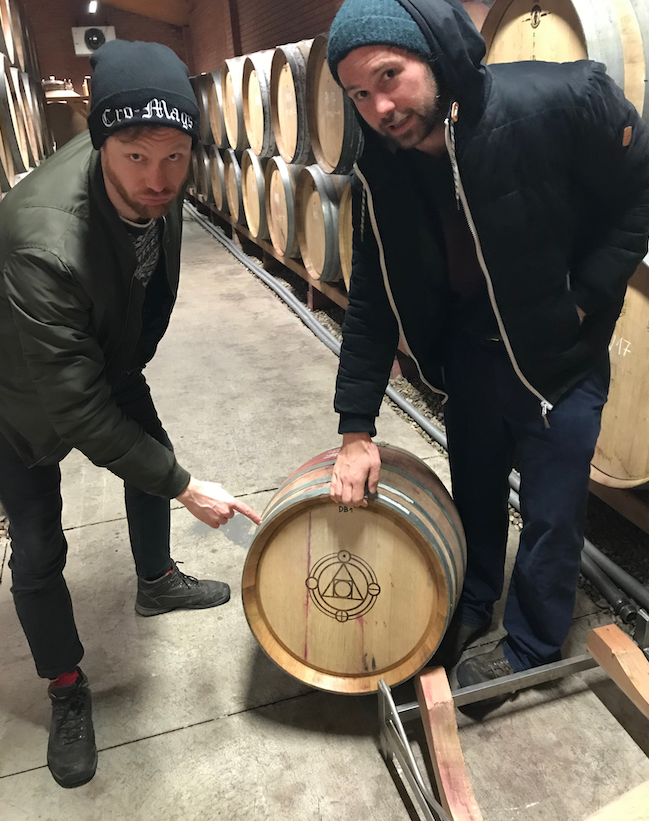
Shaping our wines is like sculpting: you start with a rock and you chisel out the sculpture,” Martin Nittnaus, 34, states confidently. The arts are never far away when you speak to the oldest son of winemakers Anita and Hans Nittnaus. Like his father, who dreamt of becoming a musician, Martin never planned on a life in wine. He went to university to study English literature and philosophy. But blood is thicker than water, and this year marked his sixth vintage working the plots his father gave to him and his brother, Andreas (Andi, 31). The Nittnaus estate is in Gols,…...
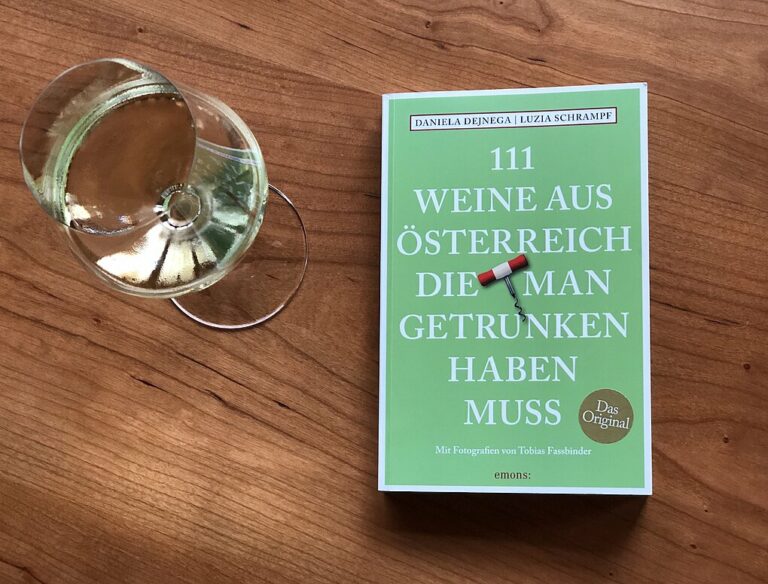
111 Austrian Wines You Must Not Miss showcases the diversity and range of Austria’s wine landscape — beyond the ubiquitous fresh and fruity Grüner Veltliner. In it, wine journalist Luzia Schrampf and I tell 111 short, engaging stories, packed with wine knowledge and insight into what goes into growing and making a wine, as well as the many and varied ideas and philosophies of Austria’s vintners. An extraordinary number – nearly 80 per cent – of those featured in this book farm organically and more than a few produce natural wines. Here are three wines – white, orange, and red, from…...
March 25, 2024 Update: Schmetterling has closed. It’s owners hope to reopen in the future. Are there parallels between German and Austrian wines, small-scale farming, and the queer community? If so, the most essential may be a shared need for safe space. Schmetterling, a queer-forward natural wine and vinyl shop that opened this summer in rural Vermont, aims to offer just that. By prioritizing the needs of communities at — admittedly starkly unequal — risk, owners Danielle Pattavina and Erika Dunyak have created an unlikely outpost for low-intervention German, Austrian, and other Alpine wines. The shop is both an incubator…...
The Wine Friend is a figure of great importance in the life of a wine drinker. They can take the form a kind benefactor, perhaps older, perhaps wiser, one whose personal cellar heaves with decades of collected knowledge and interest, and whose guileless goal is to share these experiences with others as a form of vinous karmic pleasure. I count myself as lucky to have a few such friends, which is how I found myself — on one of those chilly, foggy autumn San Francisco evenings — drinking a very smart coterie of wines among a small group of pals,…...
These days, when I discover a new wine producer, it usually happens at a restaurant. I turn the bottle around, read the information on the label, and later, research the wine on the Internet, looking for a blog post or something reliable on Instagram. Maybe I’ll find a few photos, or a social media post from someone I trust who has actually met the winemaker. Someone lucky enough to be living in Europe, who is able to do what I once did on a regular basis: hop on a train, rent a car, find the vineyard — or, meet the…...