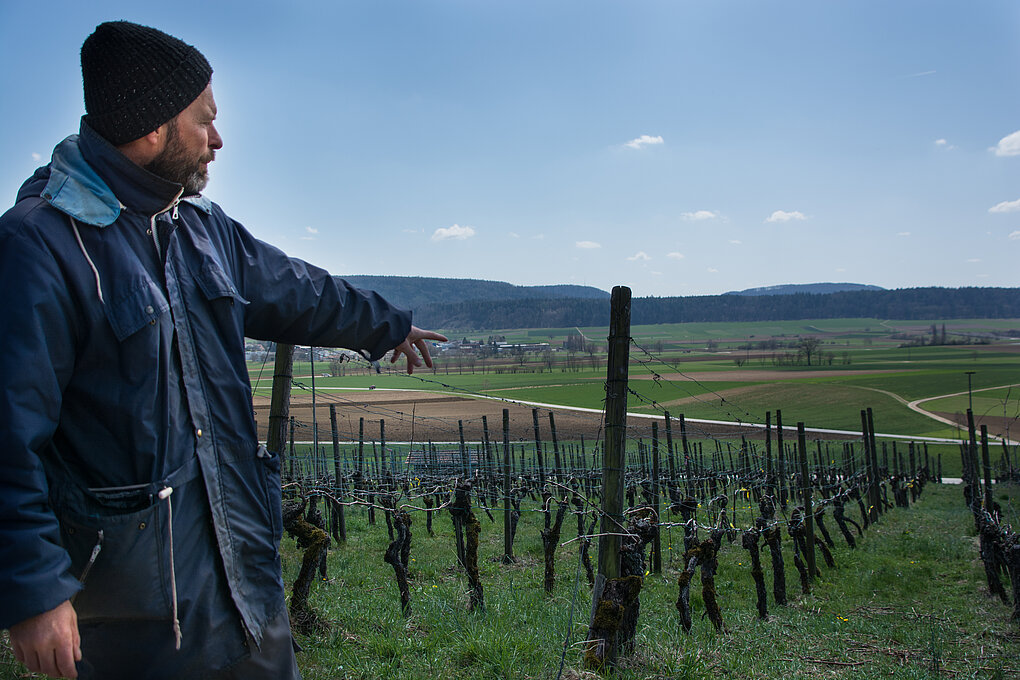
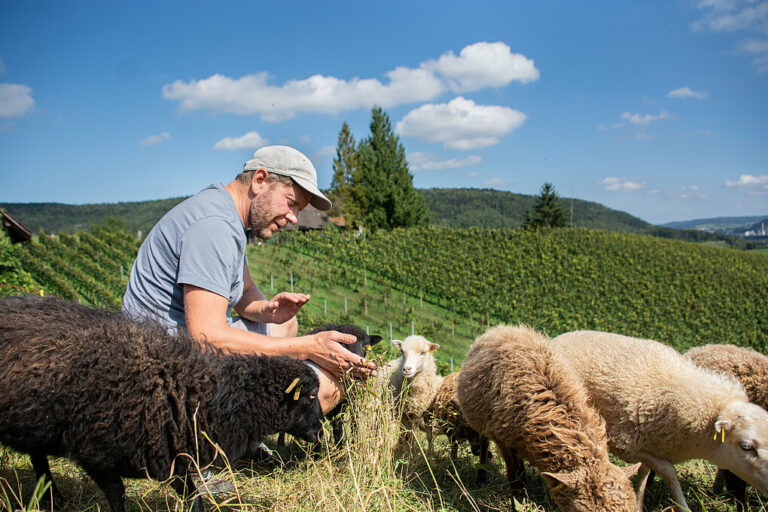
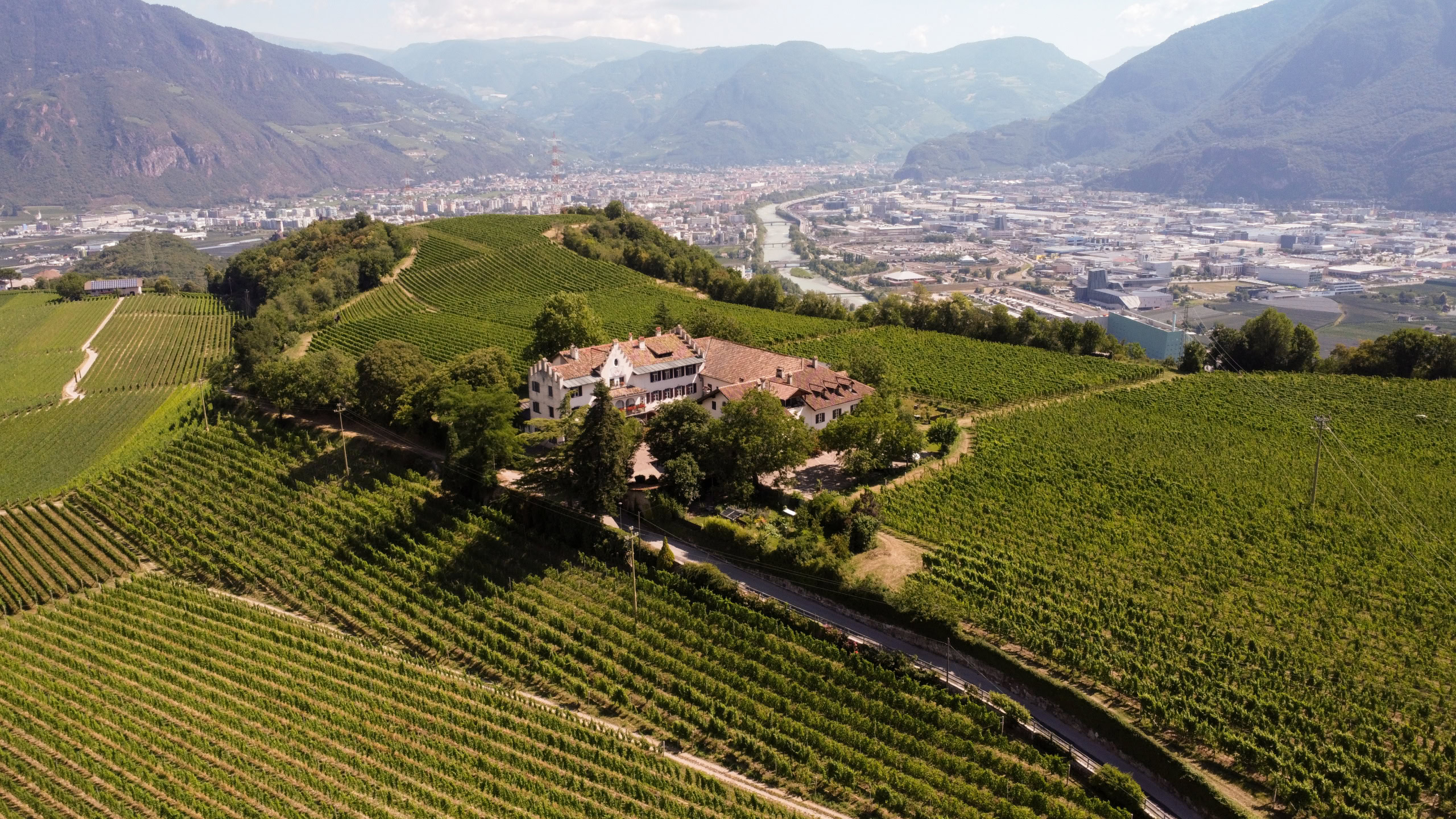
Swiss wines remain rare on the international wine scene. But a new generation of talent committed to uncompromising work and meaningfully sustainable viticulture is slowly changing this. Markus Ruch has been cultivating his own vineyards in the Klettgau, part of Switzerland’s northernmost canton, since 2007. He is widely credited with producing the first Swiss natural wines and leads the movement today. His Pinot Noirs and orange Amphore are served from NOMA in Copenhagen to Konstantin Filippou in Vienna. Ruch’s wines are classy. With a twist. For those less familiar with Swiss geography, the canton of Schaffhausen is situated north of…
Daniel Schönberger is an attorney in big tech. Besides the law, he studied bioethics and a little philosophy. He published a few articles on legal and ethical aspects of Artificial Intelligence but is new to wine writing. Daniel’s wine journey started as a little boy when he joined his father, a part-time controller in the AOC, on his autumnal excursions to the nearby epicenters of local winemaking. He loves spending time in the small family vineyard, tending to the Pinot Noir vines from pruning to harvest. Daniel is a father of two teenage girls, husband, swimmer, and cool water spirit, he listens to Fleetwood Mac and Nordic Jazz, works on extending his small art collection, and lives with his family in Switzerland's northernmost corner.
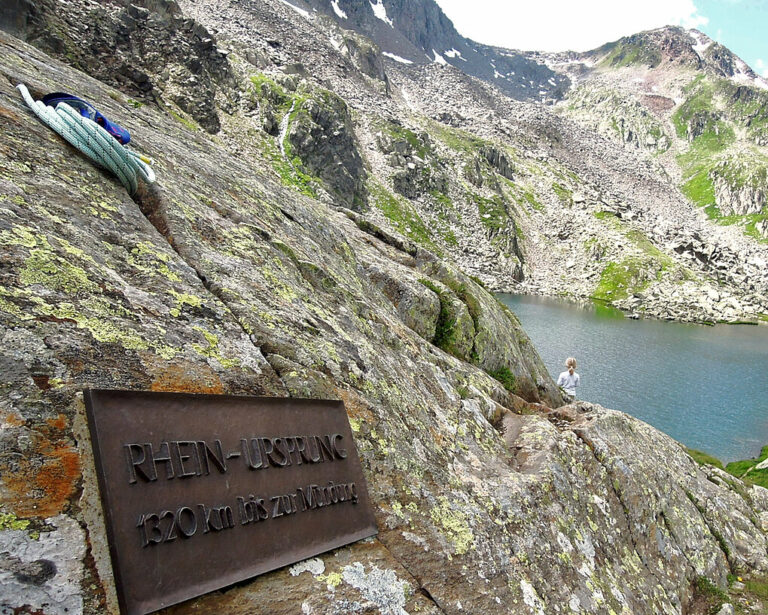
It would be easy to dismiss what happens in the tiny winegrowing country of Switzerland as an inconsequential alpine eddy, an iridescent surge in the great river of wine. After all, the nation boasts a mere 15,000 hectares of vines, ranking it only 132nd worldwide in terms of area. But do so at your own peril. After all, the Rhine itself begins in this country, high in the hills of Graubünden some 120 km due south of Switzerland’s capital city. In that spot, it is little more than a spring-fed stream off Lake Toma. “To me, the Rhine looks very…...
In a country that consumes 99 percent of its own wine, finding a restaurant that has an extensive Swiss selection is easy, but finding a restaurant that exclusively features all the wineries and wines of a single appellation is rare. Alter Torkel in Jenins, a village in Graubünden, in eastern Switzerland, somehow miraculously fits the bill. It may not be the first restaurant to put wine before food, but I have yet to come across one that takes this philosophy to such extremes. As a balmy foehn and radiant late-winter sun warm the crisp mountain air, the terrace at Alter…...
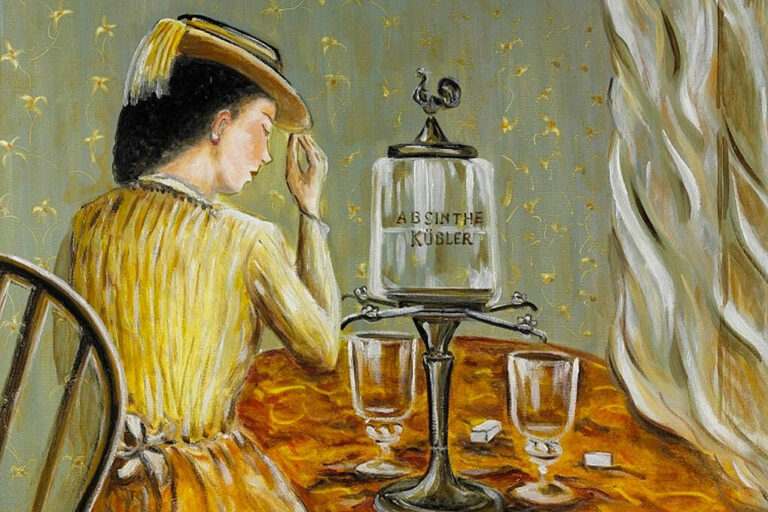
Banned and beloved, feared and revered, one would assume the birth story of absinthe to be as spirited as its character. Yet its quite conventional beginnings can be clearly traced back to the mild-mannered region of Val-de-Travers, Switzerland, below the limestone-cliffed Jura mountains, where a greenish-gray perennial that gave the herbal elixir its name thrives on the lush borders of the region’s forests and roadsides. And so it is that neither the what nor the where, but rather the who of absinthe’s beginnings that has been called into question, becoming only the first in a long twisted tale of controversy…...
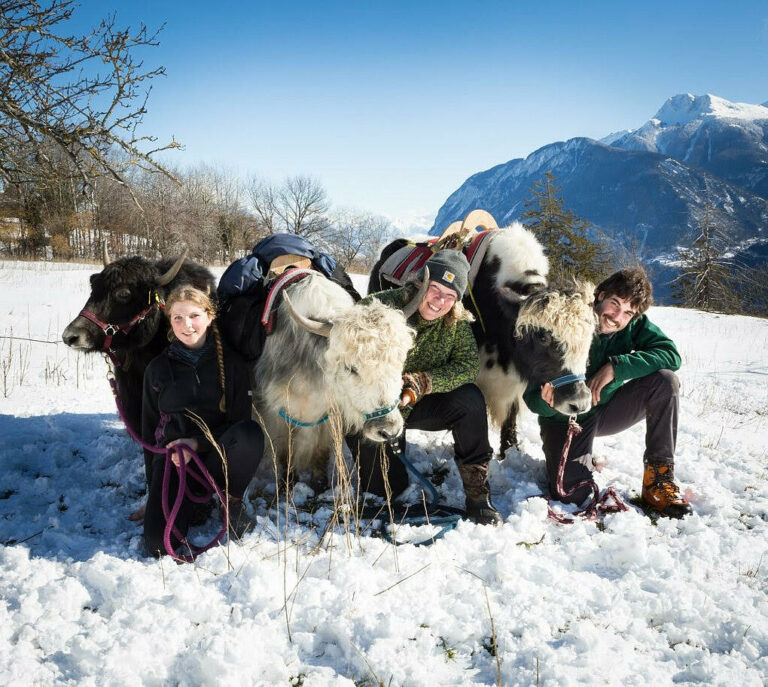
There’s no “yak crossing” sign in front of Caves du Paradis. Nevertheless, in September cars and trucks on the busy industrial road at the edge of Sierre, Switzerland were forced to cede to sturdy yaks trekking from the vines across to the Paradis cellar, their broad backs loaded with ripe Gamay grapes. The yaks appeared to enjoy their new temporary jobs, unusual work for a yak, who normally tills or treks. The pickers in the vineyard quickly made friends with the quiet, gentle creatures, recalls winery owner Olivier Roten, once they realized that the long horns would not get in…...
“The Foehn wind is a real affineur of grapes . . .” from the diary of Weingut Bründlmayer Evidence from wine regions everywhere suggests that if cool climate viticulture is to survive, then it must move north — or, in Switzerland’s case, up. Warming temperatures in formerly marginal regions such as Burgundy and Piedmont now require changes in viticulture and/or additions to the permitted roster of grapes just to keep up. Even with successful change, however, the freshness, delicacy, and intricate architecture we love in Pinot Noir and Nebbiolo may be harder to come by. By contrast, Switzerland and parts…...