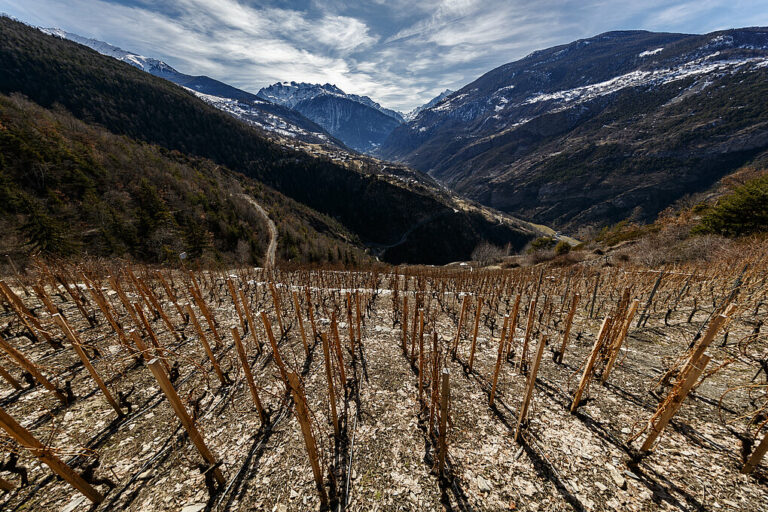
One of the biggest trends in wine over the past two decades has been an increased interest in expressing origin. Organizations like the Verband Deutscher Prädikatsweingüter (VDP) in Germany and the Österreichische Traditionsweingüter (ÖTW) in Austria have both shaped and surfed this wave to the extent that their vineyard classifications — in both cases private initiatives — are now being codified into national law. Switzerland has no comparable organization. The one that comes closest, Mémoire des Vins Suisses, was founded more than 30 years ago, with the aim of proving that Swiss wines can age. Does this mean Swiss wines…
A geographer by training, Bart’s understanding of soil, geomorphology, and climate, important factors in winemaking, was kindled at an early age. But it was his move to Basel, on the doorstep of Baden and Alsace, that really stirred up his interest for wine. Since his studies at the Austrian Weinakademie, wine has been his profession. Apart from writing for several European publications, such as Perswijn (NL), Apéritif (Norway), Metropole (Austria), Bart organizes wine trips and moderates tastings. An avid amateur flautist, Bart is also very honored to be writing the English program notes for the Sinfonieorchester Basel for the fourth season running.
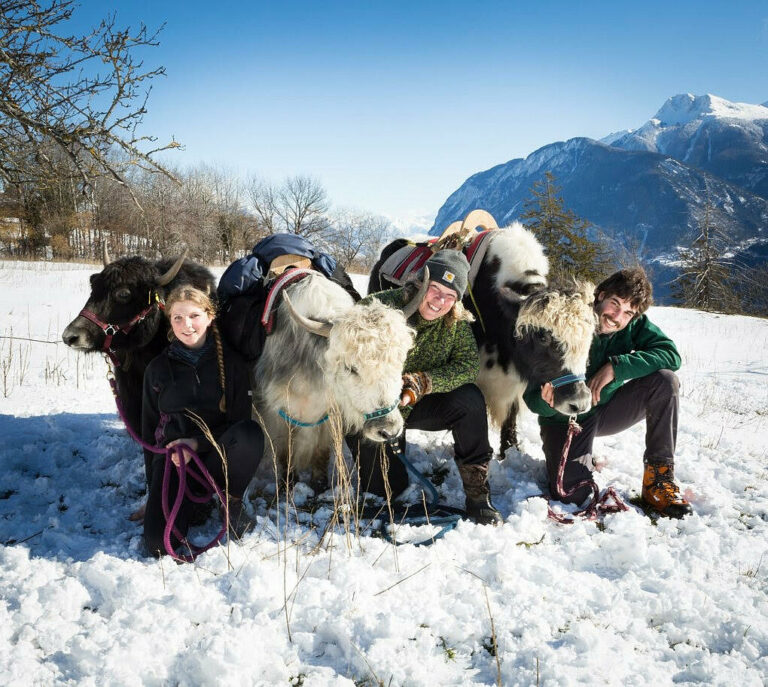
There’s no “yak crossing” sign in front of Caves du Paradis. Nevertheless, in September cars and trucks on the busy industrial road at the edge of Sierre, Switzerland were forced to cede to sturdy yaks trekking from the vines across to the Paradis cellar, their broad backs loaded with ripe Gamay grapes. The yaks appeared to enjoy their new temporary jobs, unusual work for a yak, who normally tills or treks. The pickers in the vineyard quickly made friends with the quiet, gentle creatures, recalls winery owner Olivier Roten, once they realized that the long horns would not get in…...
It was biodynamic wine that helped me to find my footing in Europe. Yet, as a Black American woman living in Europe, Rudolf Steiner's interests and views present a complicated and troubling legacy.
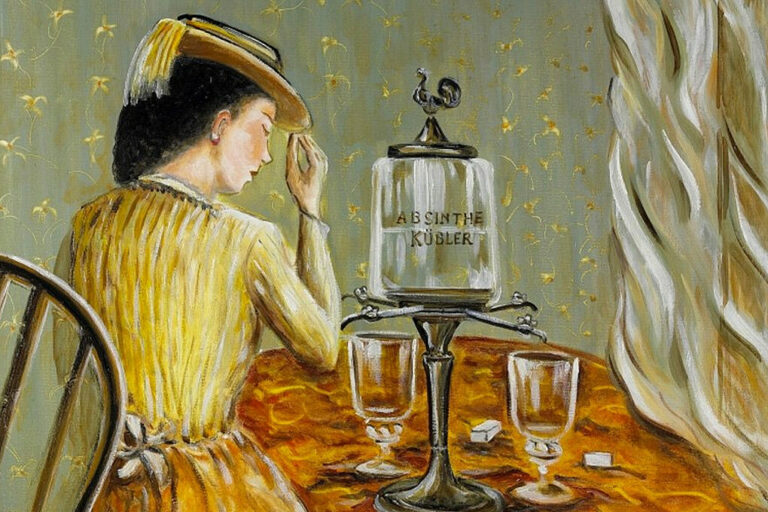
Banned and beloved, feared and revered, one would assume the birth story of absinthe to be as spirited as its character. Yet its quite conventional beginnings can be clearly traced back to the mild-mannered region of Val-de-Travers, Switzerland, below the limestone-cliffed Jura mountains, where a greenish-gray perennial that gave the herbal elixir its name thrives on the lush borders of the region’s forests and roadsides. And so it is that neither the what nor the where, but rather the who of absinthe’s beginnings that has been called into question, becoming only the first in a long twisted tale of controversy…...
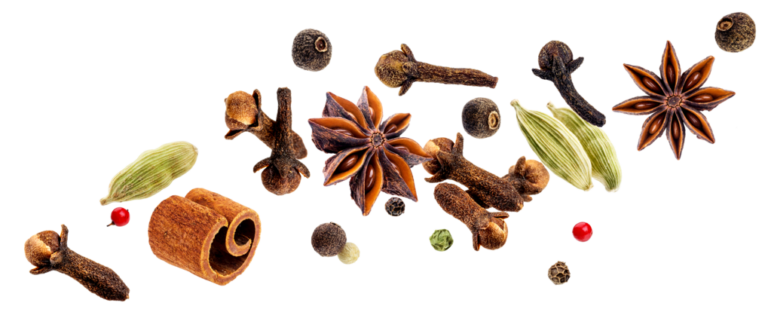
Picture yourself at a German holiday market (if such things were happening in 2020) — a mug of glühwein in hand and the scent of fresh pfeffernuss cookies in the air. It’s no surprise that these warm, spicy aromas are key attributes in many wines from Germany and Austria, South Tyrol, and the German-speaking parts of Switzerland. And there’s a hidden world of compounds and precursors to thank for this distinctive and alluring range. Much like a chef in the kitchen, growers can influence the aromatic and flavor complexity of their wines by playing with soil type, exposition, vine age,…...
A new wave of vignerons is gathering strength in Swiss wineries. They are young, eclectic, and often organic or biodynamic in their work. Most are keenly focused on sustainability and trying disease-resistant grapes. Thirty of them, who go by JSNW (Junge Schweiz Neue Winzer, or Young Switzerland New Vignerons), offer a snapshot of this generation, all under age 40. The association was created in 2010 in Zurich to put “sharing” in boldface: of experience and ideas, but most of all of their wines and feedback, at regular meetups. The group has expanded to include vignerons from the French- and Italian-speaking…...