Volume 10 – “German Style”

February 2022

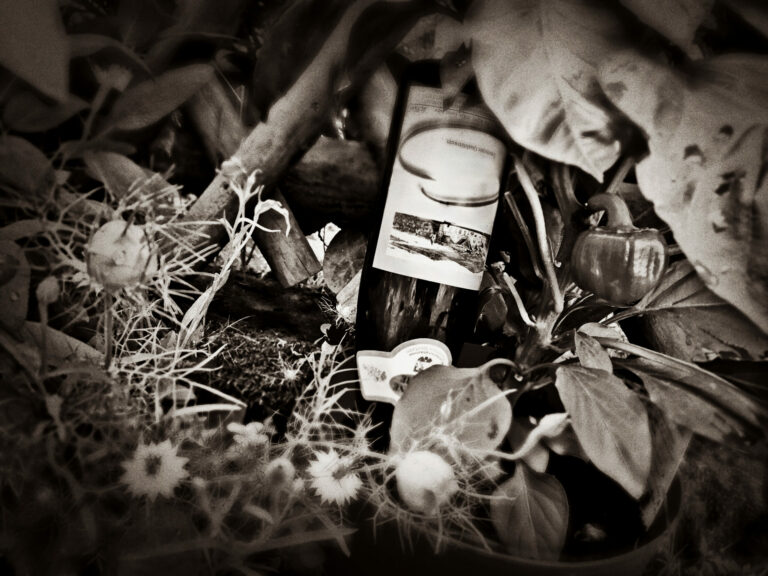
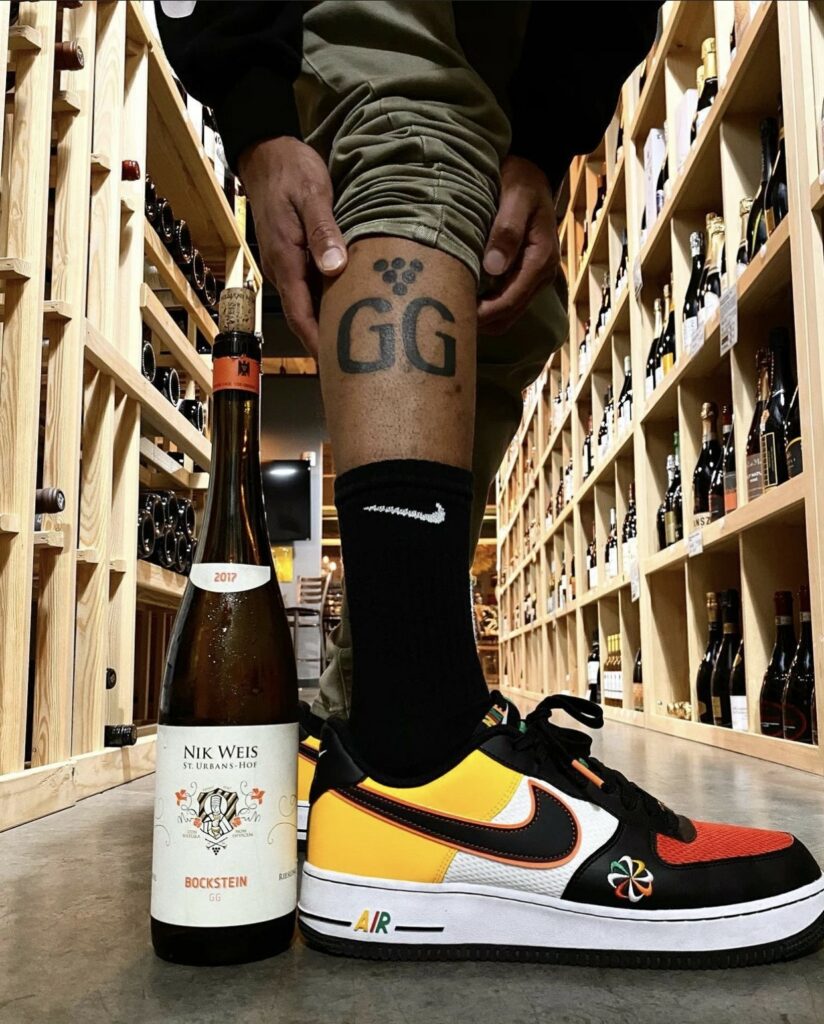
A tattoo of the GG wine classification on a leg in a winestore next to a bottle of GG Bockstein from Weingut Nik Weis

Dear Readers,

What is “German style”? In Volume 10, we explore this question from a range of perspectives.

We call upon two titans of German wine expertise — David Schildknecht and Terry Theise — to investigate facets of German wine style that might at first seem fixed, but which these veterans posit are in a constant state of shifting identity.

We also examine what it means when German heritage becomes the “why” of a budding wine career and what new audiences for German wine might look like.

Meanwhile, sparkling wine expert Nicole Wolbers pulls back the curtain on another German style we rarely consider, but which, she argues, represents the pinnacle of German bubbles. And we journey north to Norway to better understand what really fuels the northern lights and wine preferences of Scandinavia.

Senior Contributor Christoph Raffelt heads to the Kremstal in Austria to report on the wines of engineer-cum-biodynamic grower Markus Lang that redraw our notions of what Riesling and Grüner Veltliner can be.

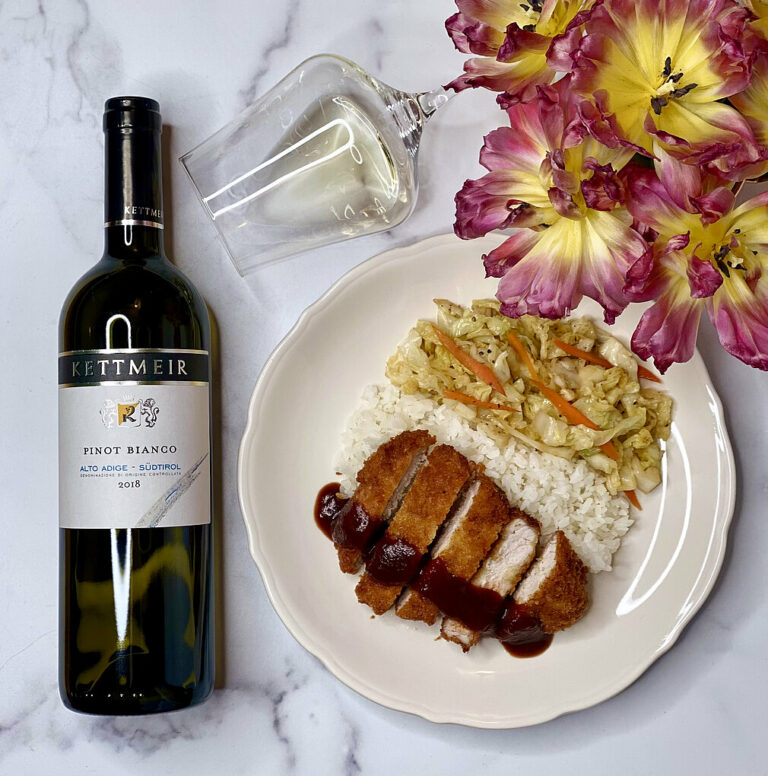
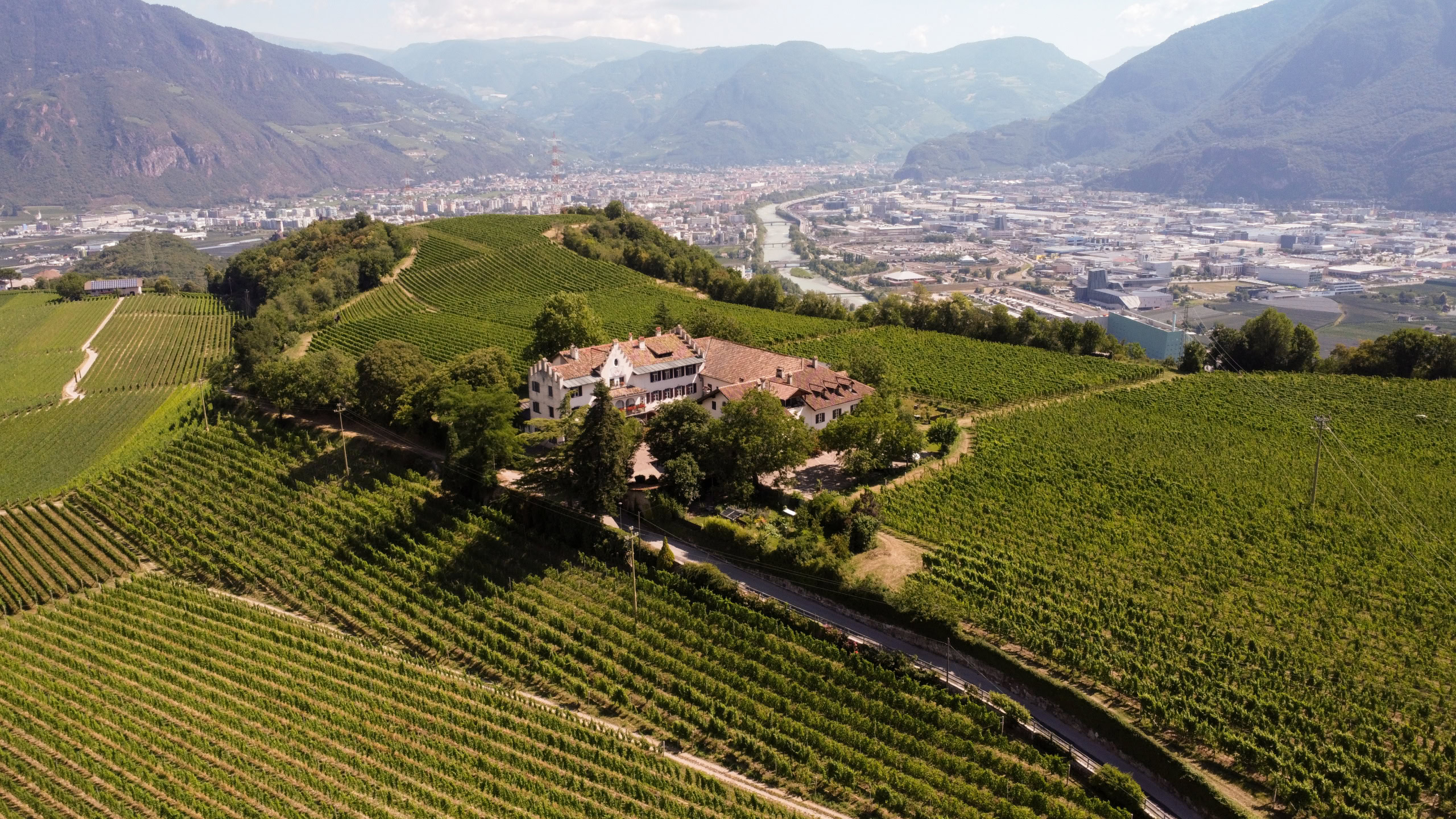
True to our mission, this volume is about pushing boundaries. We offer a perfect example of this, with a clever riff on Japanese “schnitzel” and Weissburgunder of South Tyrol. We also take you high into the Swiss Alps to learn how rescue animals are helping with harvest in the vineyards there.

And in our expanding educational section, you’ll get an in-depth look at the Nahe, one of Germany’s most thrilling and least-known wine regions. We’re pleased and proud to have this section supported by P.J. Valckenberg, committed to amplifying German wines since 1786.

Special thanks to Mason Washington for permission to feature his tattoo as our cover image.

And, as we put this tenth volume of TRINK out into the world, thanks to all of you for reading and engaging, helping to spread the word, supporting our work on Patreon, and most importantly, for loving German-speaking wines as much as we do!

As always, we welcome your feedback and suggestions at [email protected].

Happy reading!

Paula Redes Sidore, Bad Honnef
Valerie Kathawala, New York City

  • ·

    Can Spätlese Be Saved?

    Not long ago, in my merchant days, I scored a few cases of mature Mosel wines from a grower I didn’t know. It wasn’t much wine, the prices were attractive, and I was able to eke out a few bottles for my cellar, which can never have too many ready-to-drink Rieslings. They were 1982s and 1985s. I had a wine friend over and opened one of the bottles to begin the evening’s festivities. “Oh I do like old Riesling,” my friend said, “And isn’t it amazing how well even a Kabinett can age?” “It is indeed,” I said. “But this isn’t a…...

    Membership Required

    You must be a member to access this content.

    View Membership Levels

    Already a member? Log in here
  • Yaks in Paradise

    ​There’s no “yak crossing” sign in front of Caves du Paradis. Nevertheless, in September cars and trucks on the busy industrial road at the edge of Sierre, Switzerland were forced to cede to sturdy yaks trekking from the vines across to the Paradis cellar, their broad backs loaded with ripe Gamay grapes.  The yaks appeared to enjoy their new temporary jobs, unusual work for a yak, who normally tills or treks. The pickers in the vineyard quickly made friends with the quiet, gentle creatures, recalls winery owner Olivier Roten, once they realized that the long horns would not get in…...

    Membership Required

    You must be a member to access this content.

    View Membership Levels

    Already a member? Log in here
  • Crémant is Germany’s Best Kept Secret

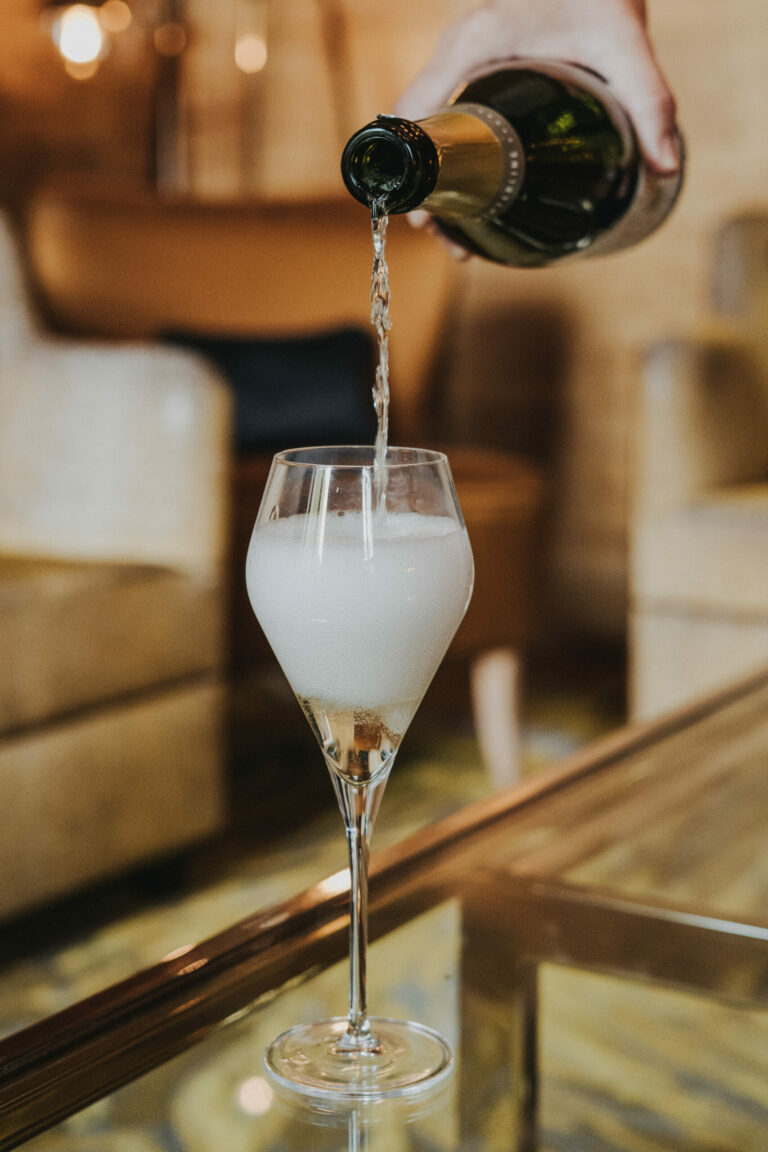
    German Crémant is one of sparkling wine’s best-kept secrets. The high-quality classification requires strict hand harvesting and whole-bunch pressing to ensure that only the purest juice is used. Since its legalization over a decade ago, it has built a sparkling identity for itself, separate from its more established cousin Sekt.  As one of the world’s best-selling sparkling style, crémant has at some point most likely graced your glass. Wine aficionados appreciate it for its delicate mousse, high quality, and ultimate value. Yet even among those who know and love crémant, few are aware that, far from being the sole property…...

    Membership Required

    You must be a member to access this content.

    View Membership Levels

    Already a member? Log in here
  • ·

    Delicious Whites under Northern Lights

    Liora Levi, high-profile sommelier, television personality, and president of ASI Norwegian Sommelier Association, came late to wine. In its own odd way, that only bolsters her bona fides as a daughter of the north. The countries to the north of the umlaut region can generally be viewed as latecomers to the joys of wine, and white wine in particular. But times change, and opinion makers like Levi have now helped the Nordics become prime drivers of the Riesling Revolution. It is a boom time for whites under the northern lights. As Levi explains in an interview with TRINK, the delayed…...

    Membership Required

    You must be a member to access this content.

    View Membership Levels

    Already a member? Log in here
  • ·

    Mason Washington and the Pull of German Roots

    Mason Washington wants to set himself apart in the wine world. He’s convinced his German identity is the ticket.   The 24-year-old digital media marketer grew up in Fayetteville, North Carolina, a small city in the American south that Washington charitably describes as being “what you make of it.” It was an unlikely place for a young Black man to be raised in a German family. But his grandmother Ingrid, a native of Berlin, and his mother, Carmen, born in Munich, were just that. “The biggest thing for me is the German heritage on my mom’s side,” says Washington. Now, he’s digging into…...

    Membership Required

    You must be a member to access this content.

    View Membership Levels

    Already a member? Log in here
  • Releasing the Power of Hidden Sweetness

    “Dry” describes what wine drinkers overwhelmingly profess to desire. And “trocken” can only appear on labels of German Rieslings with less than 10 grams of residual sugar.  If one desires sweetness, there is no lack: Most of today’s Kabinetts are higher in sugar than were Auslesen of the 1980s. (Granted, the grapes were probably also higher in must weight.) Aesthetically as well as commercially, success in the realm of legal dryness—Trockenheit—as well as that of pronounced sweetness, can scarcely be denied. German Riesling growers have long since succeeded in proving that they too can render world-class dry wine, while simultaneously…...

    Membership Required

    You must be a member to access this content.

    View Membership Levels

    Already a member? Log in here