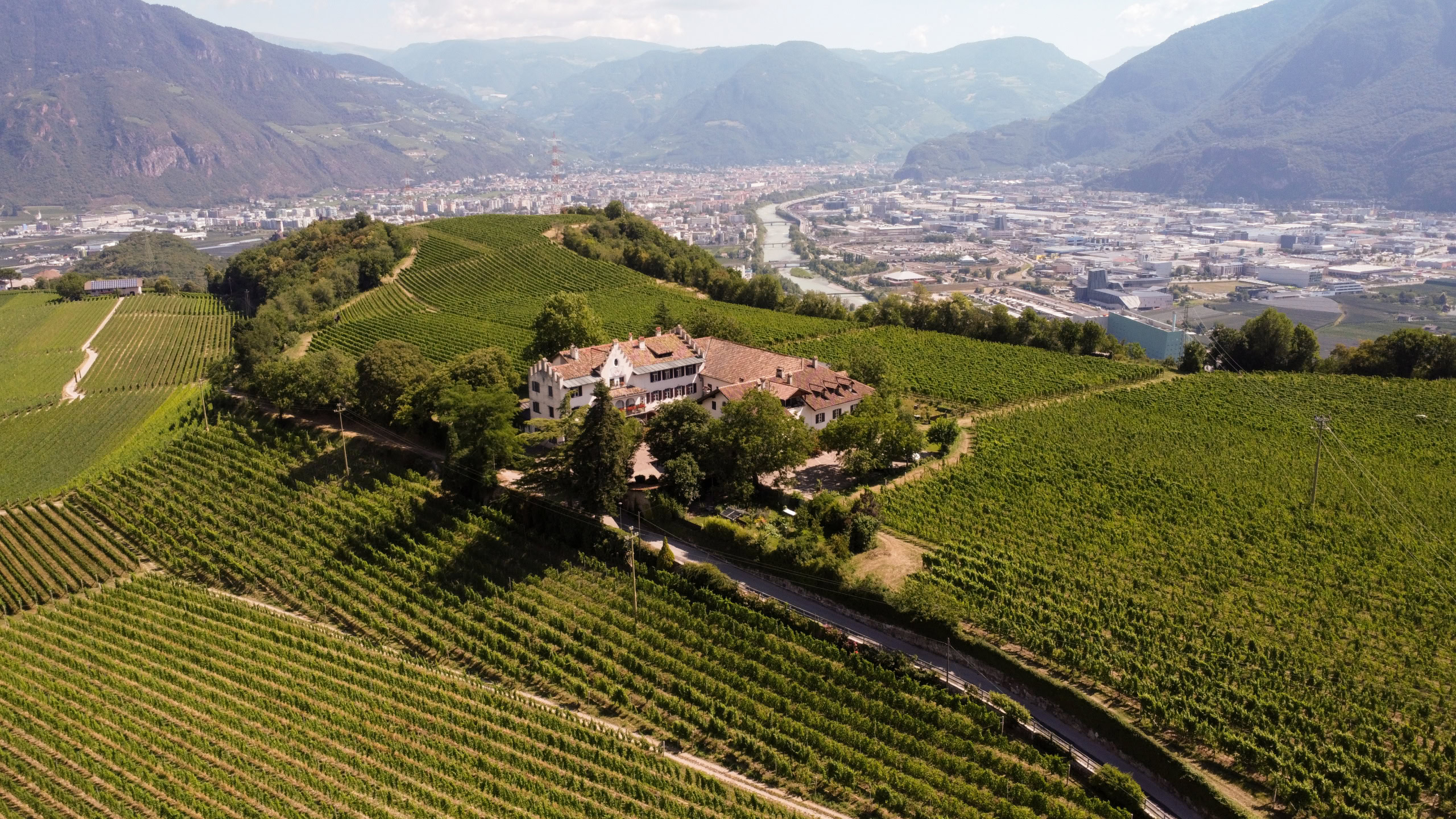
When Wines Play the Lang Game in Austria
Photo credit: Heidelinde und Markus Lang
Kremstal grower Markus Lang is recalculating the balance of precision and harmony in Riesling and Grüner Veltliner.

Kremstal grower Markus Lang is recalculating the balance of precision and harmony in Riesling and Grüner Veltliner.

Christoph Raffelt is one of an exciting new vanguard of voices when it comes to German wine. And voices is not a euphemism here, as it is indeed his voice together with his stellar cast of winemakers and guests that come together on his monthly podcast Originalverkorkt.de; while his words appear in his online magazine of the same name. He's been on the road since 2016 with Büro für Wein & Kommunikation as a freelance journalist, copywriter and all-round wordsmith. His work has appeared in such esteemed publications as Meiningers, Weinwirtschaft, Weinwelt, Sommelier, Champagne-Magazin and Schluck.
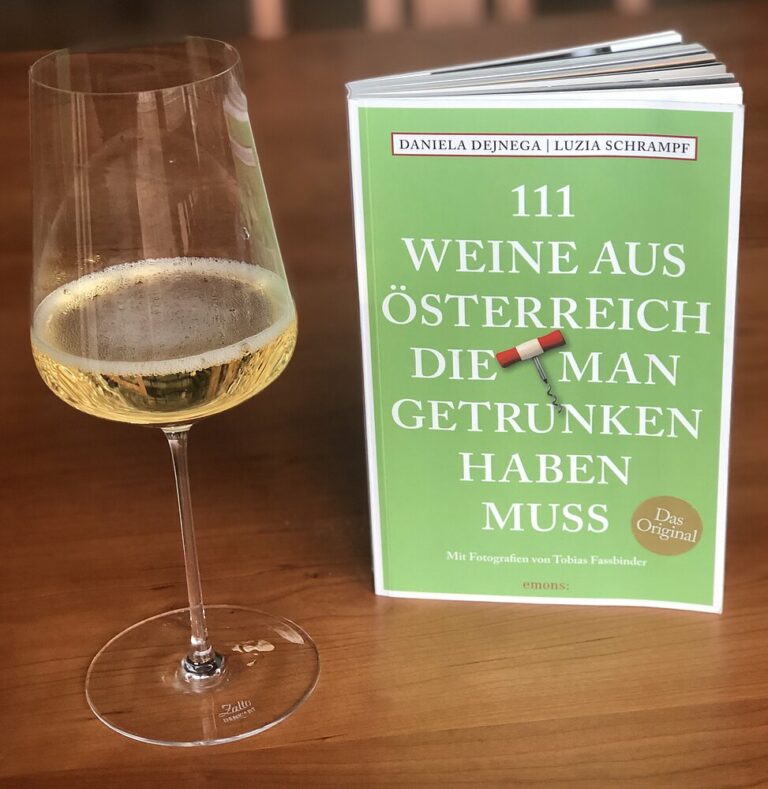
In Vulkanland Steiermark — “volcanic Styria” — the name says it all. Some 1,500 hectares of vineyard are, for the most part, sited on the slopes of extinguished volcanic cones that rise from a gently hilly landscape. Here Pannonian warmth from the east meets the Illyric balminess of the Adriatic. Among the best-known growers in Vulkanland are Weingut Neumeister, Winkler-Hermaden, and Ploder-Rosenberg. As throughout Styria, white varieties are most strongly represented, with Welschriesling and Weißburgunder (aka Pinot Blanc) statistically far in the lead, followed by Sauvignon Blanc, Müller-Thurgau, and Chardonnay; Zweigelt yields respectable red wines here as well. Traminer from…...
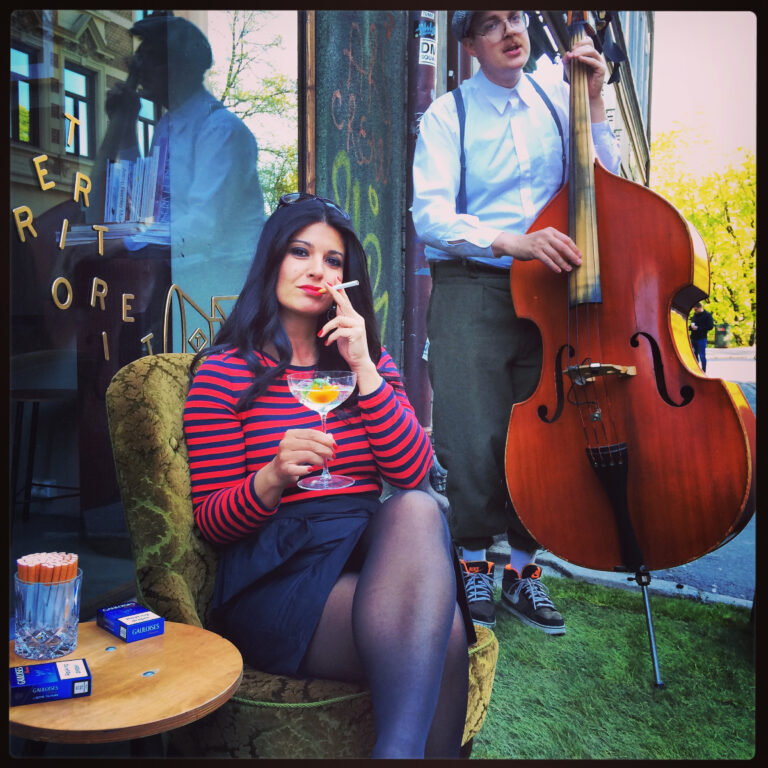
Liora Levi, high-profile sommelier, television personality, and president of ASI Norwegian Sommelier Association, came late to wine. In its own odd way, that only bolsters her bona fides as a daughter of the north. The countries to the north of the umlaut region can generally be viewed as latecomers to the joys of wine, and white wine in particular. But times change, and opinion makers like Levi have now helped the Nordics become prime drivers of the Riesling Revolution. It is a boom time for whites under the northern lights. As Levi explains in an interview with TRINK, the delayed…...
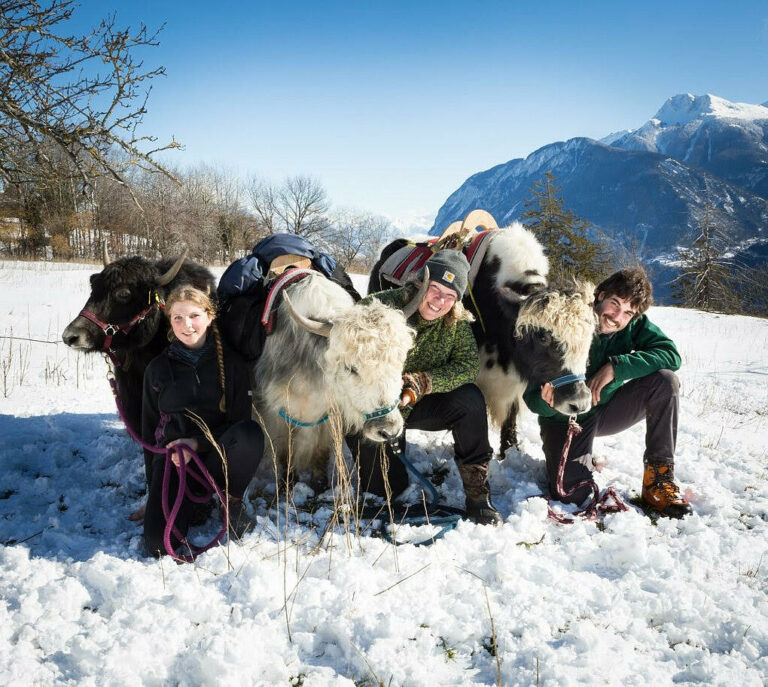
There’s no “yak crossing” sign in front of Caves du Paradis. Nevertheless, in September cars and trucks on the busy industrial road at the edge of Sierre, Switzerland were forced to cede to sturdy yaks trekking from the vines across to the Paradis cellar, their broad backs loaded with ripe Gamay grapes. The yaks appeared to enjoy their new temporary jobs, unusual work for a yak, who normally tills or treks. The pickers in the vineyard quickly made friends with the quiet, gentle creatures, recalls winery owner Olivier Roten, once they realized that the long horns would not get in…...
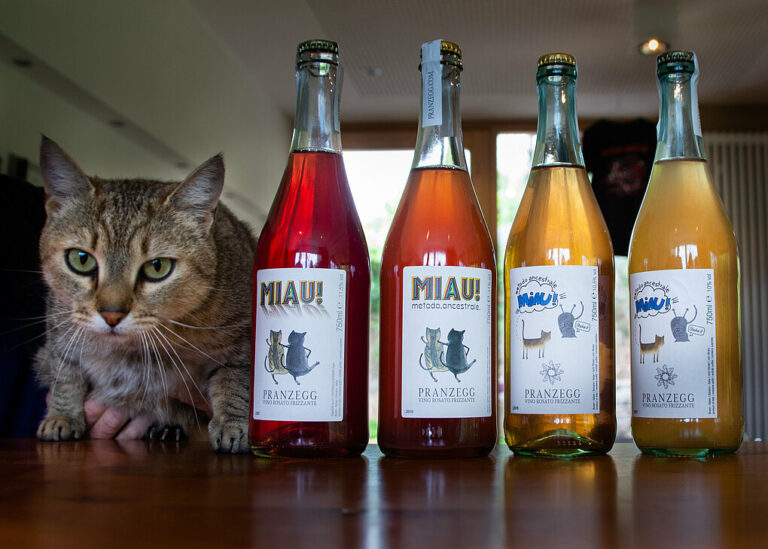
Miau! from Martin Gojer and Marion Untersulzner of Weingut Pranzegg in Bozen, South Tyrol could not be more “critter,” but is it also more? By Daniel and Liliana Schönberger
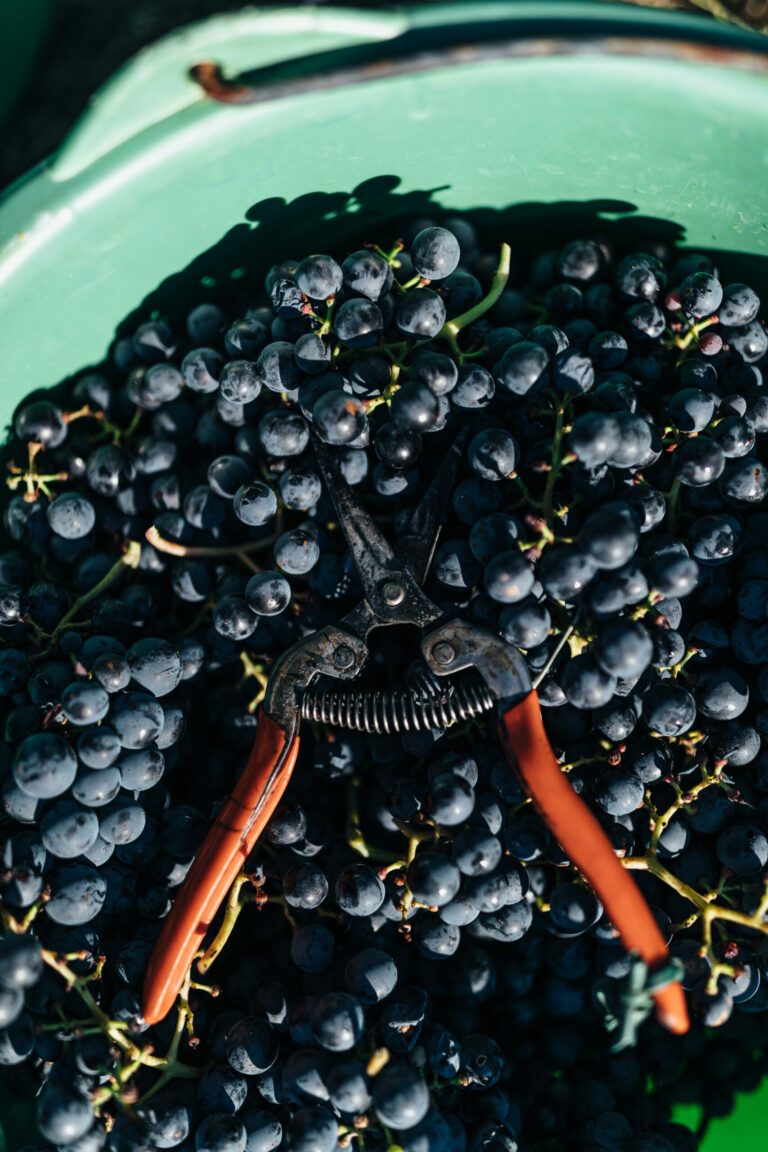
My first true Blaufränkisch moment came in 2013, at a now-shuttered restaurant in Hamburg. Thirty-six bottles from a swath of Austria’s appellations stood open for tasting, from classics like Prieler’s Goldberg 1995 to Marienthal from Ernst Triebaumer to Ried Point from Kolwentz. Those wines impressed me, as they had in the past, even as they failed to inspire me. This time, however, other wines had joined the lineup. The Spitzerberg of Muhr-van der Niepoort (today Weingut Dorli Muhr) , for example; the 2010 Reserve Pfarrgarten from Wachter-Wiesler; and the 2002 Lutzmannsburg Alte Reben from Moric. Suddenly, I was electrified. The wine in the glass was entirely unlike anything I…...
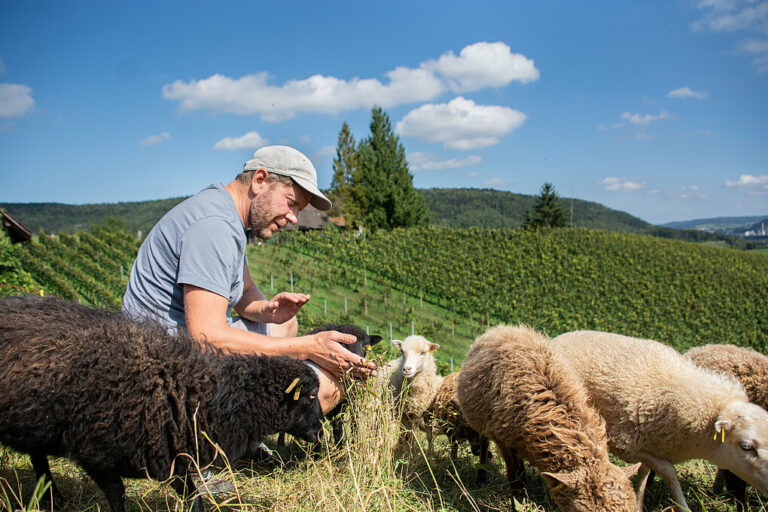
Hoss Hauksson is transforming his Pinot Noir vineyards in the Swiss Aargau into havens of ecological diversity.
© 2026, TRINK Magazine. No portion of this article may be copied, shared or re-distributed without prior consent from TRINK.