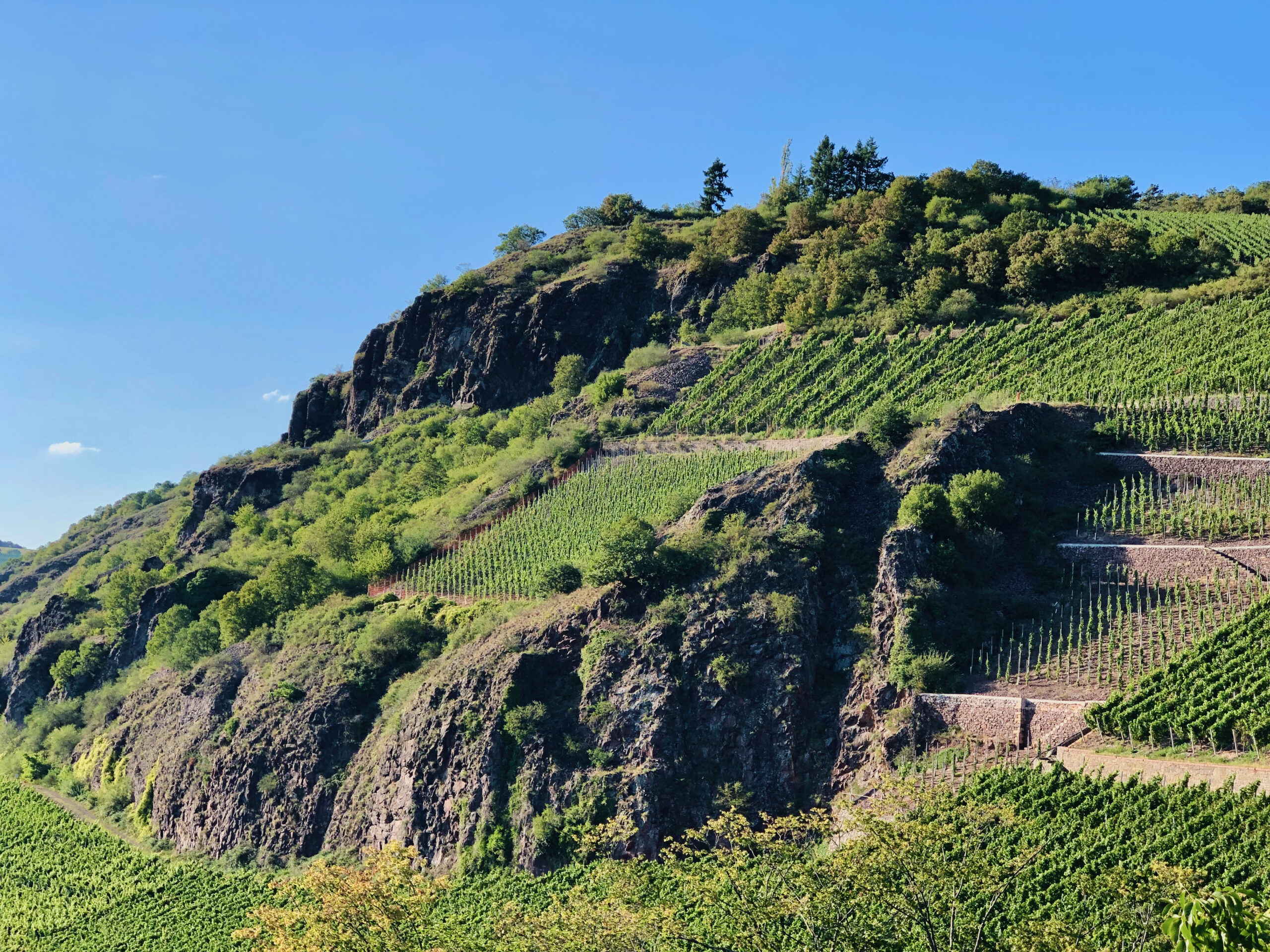
Schlossböckelheimer Kupfergrube with volcanic melaphry soil, Gut Hermannsberg
Some say it lacks the historical cache of the Rheingau, the legendary vineyard names of the Mosel, or the easy charm of neighboring Rheinhessen. There are no convenient river boats to ferry you between wine villages, nor even particularly good train connections. No argument: the Nahe [NAHH-heh] Valley demands that you put in a bit of work to explore its more far-flung corners. The reward for those efforts is some of the most objectively fascinating landscapes, geology, climate, and wines anywhere in Germany. In fact, things can get downright adventurous in Germany’s version of the (Wine) Wild West. From the…
Paula Redes Sidore moves smoothly between the worlds of wine and words. In 2012, she founded Weinstory, a creative content and translation agency dedicated to transposing the world of German-speaking wine into English. TRINK is the natural extension of that pursuit. She is the German and Austrian regional specialist for jancisrobinson.com and a member of the Circle of Wine Writers. Paula has a Masters degree in fiction writing, and her work has been featured in jr.com, Sevenfifty Daily, Feinschmecker, and Heated. She lives on the northern wall of wine growing with her family in Bonn, Germany.
Hans Ruck, 74, is fully at home in front of a stove. The German vintner, of Weingut Ruck in Iphofen, has been a serious chef for five decades, with a healthy stash of self-composed recipes — all harmonized to the wines from his estate at the edge of the Steigerwald in central Franken. “I’ve never had a beer with a meal in my life,” Ruck claims. “The harmony between food and wine is what truly brings the enjoyment.” Once Ruck gets rolling, it’s hard to stop him. You soon feel like you’re standing at the stove with him, peeking into…...
Truth be told, I relish the fact that the phrase “kabinett trocken” feels like an oxymoron to so many people. For all reasonable drinkers who have come to reflexively associate the word “Kabinett” with an off-dry Riesling, the fact that a Kabinett can be both 1) dry and 2) not Riesling is jarring. An oxymoron right up there with “freezer burn,” “peacekeeper missile,” and “airline food.” Yet, that’s only one part of a much larger obsession…er, story. Kabinett trocken reduces the grandest terroir to its most essential, most fundamental, most tangible, and most immediate. A few exceptional Kabinett trockens have been among…...
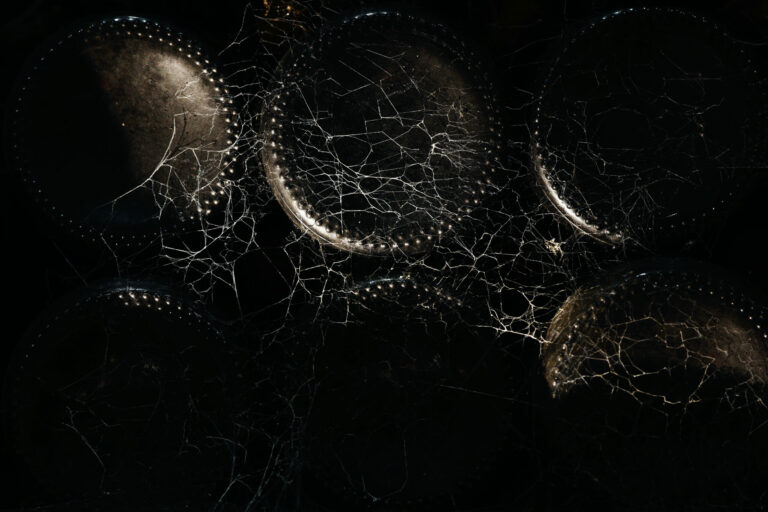
While artists throughout the ages have longed to catch time in a bottle, it is winemakers who have indeed come closest to achieving this noblest of goals. A fine wine captures not just a single moment, but the span of a vintage, a lifetime, of eons of geology. A liquid suspension of sugar, acids, ethanol, tannins, phenolics, and chemical compounds can become a remarkable crucible of climate, soil, and vision. Yet unlike many other artistic disciplines, there is no fixed point at which the winemaker can lay down his pen or her brush and declare the bottle finished. There are certainly…...
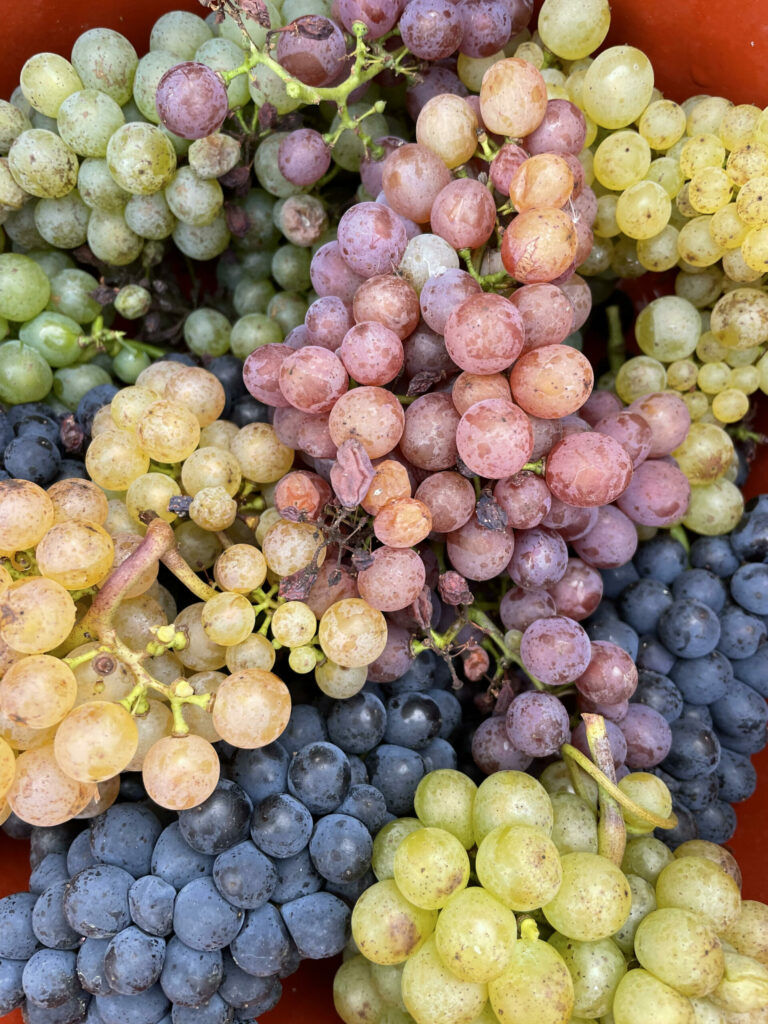
The year is 1806. The date June 17th. Privy Councilor Goethe sits in Frankfurt — high and dry. He reaches for his quill and writes a letter to a friend: “Send me some Würzburger wine, for no other wine satisfies, and I am morose without my accustomed favorite drink.” While the line may not be poetic, the composition Johann Wolfgang von Goethe thirsted for is. The wine in question was, quite possibly, “Frentsch” (local dialect for Altfränkischer Satz or Old Franconian Mixed Set): a field blend of some 20 grape varieties, all planted, harvested, and fermented together. What once gave growers a bit of…...
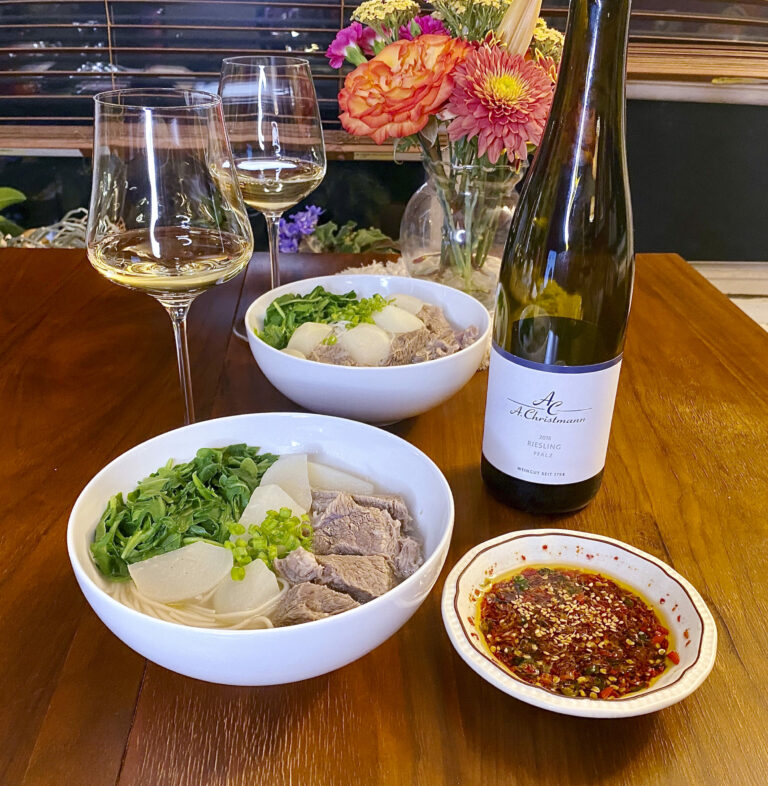
If you ask a person from Taiwan to choose the 10 dishes that best represent his or her cuisine, Taiwanese Beef Noodle Soup is inevitably on the list. More than a beloved national dish, the soup has become something of an obsession — like pizza to New Yorkers. Taiwanese Beef Noodle Soup was created by soldiers who retreated with the Nationalist government from mainland China to Taiwan in the 1950s. For political reasons, they were banned from returning to their hometowns. Missing both family and familiar cuisine, the soldiers used local ingredients to create a dish that evoked the flavors…...