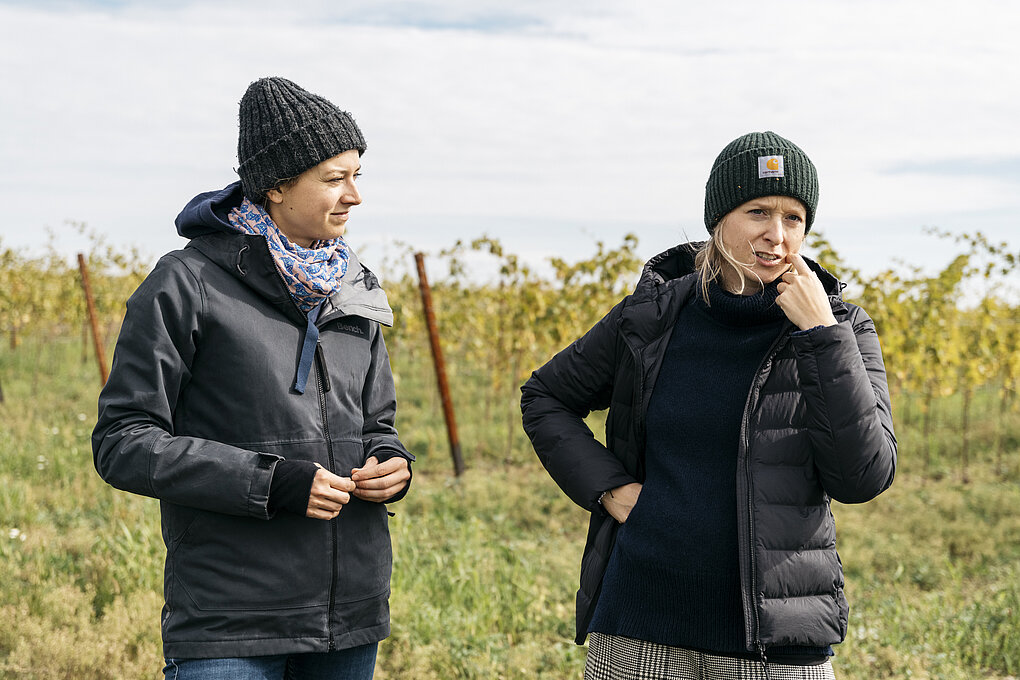
This article is an excerpted chapter from We Don’t Want Any Crap in Our Wine (2019). After the book went to print, the Rennersistas informed the author that Susanne Renner left the winery, which will now be run by siblings Stefanie and Georg. In 2015, Susanne and Stefanie Renner took over the family wine business in Gols, Austria and became their parents’ bosses. In short order, the sisters converted to biodynamics and created their own line of wines, Rennersistas, in addition to the family’s traditional red Renner cuvées. Ever since, Susanne and Stefanie have reveled in the freedom of making…
Camilla Gjerde is a passionate natural wine lover. Ever since her first sip of Arianna Occhipinti’s Il Frappato in 2008, she has explored the world of natural wine. But what matters most to her is the passion and the person behind the wine. She is the author of the first book on women in natural wine, "We Don’t Want Any Crap in Our Wine." Her second book "Natural Trailblazers" celebrates winegrowers and importers who slash wine’s carbon footprint, out in October 2024. @gjerdecamilla
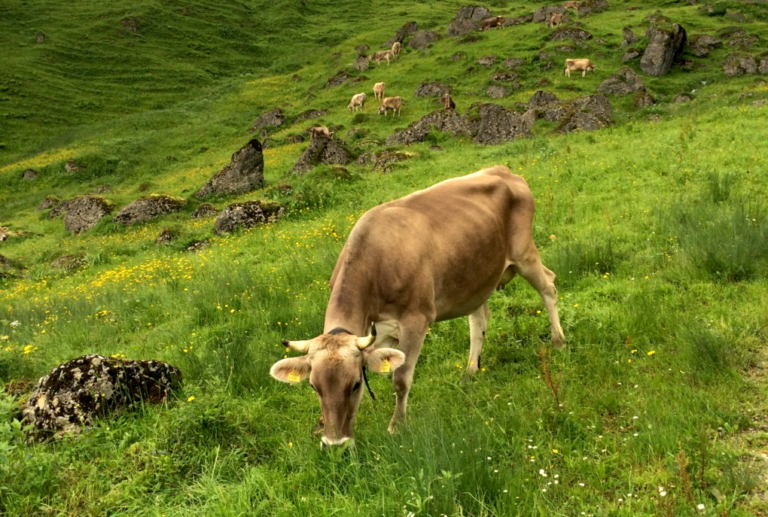
12/14/2020 Eat & TRINK | Alpkäse and Kamptal Riesling By Ursula Heinzelmann The entirely spontaneous, yet infinitely harmonious tinkling of cow bells. The crunching of my boots along a narrow mountain path. The joyous gurgling of a stream winding its way down among rocks, moss, and roots. This is one of my favorite cheese soundtracks. The accompanying “smelltrack” is of warm stables in the haze of first light and earthy, pungent bodies, redolent of the basic facts of life. Wood smoke rising from under a round copper vat. And of course the reassuring, lactic aroma of warm milk and whey,…...
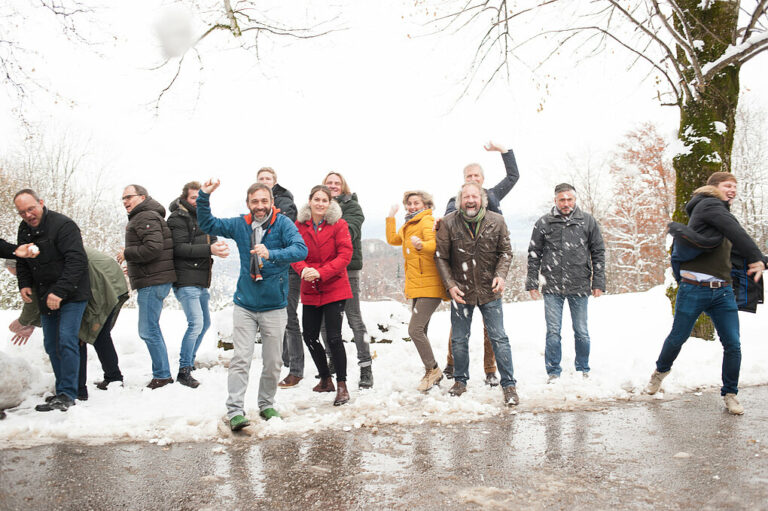
Why does biodynamics matter? Respekt-BIODYN is the ongoing effort of 25 growers from German-speaking wine regions to answer that question. Though there are many forms of holistic farming that benefit people, planet, vines and wines, this tight-knit Austria-based group believes that a shared commitment to viewing the teachings of philosopher and agricultural reformer Rudolf Steiner as a springboard for exchange, cooperation, shared learning, and support helps cultivate a sense of individuality that, ultimately, translates into more profound terroir expression and higher quality in their wines. Biodynamic Origins “The first 12 winemakers started in 2005,” explains the group’s leader, Michael Goëss-Enzenberg…...
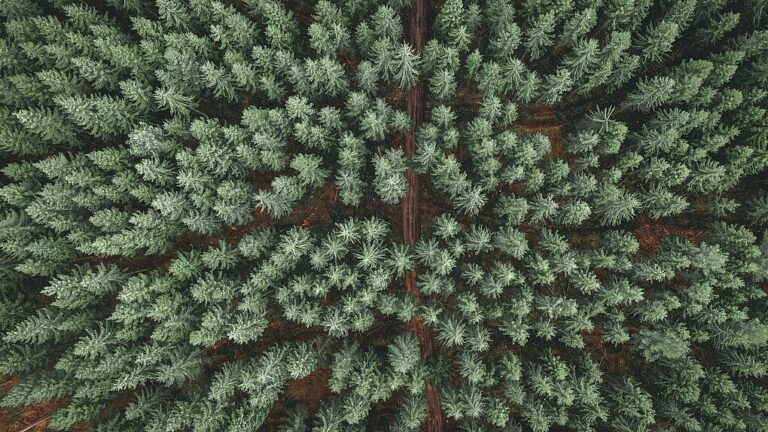
The scent of pine trees is a time machine, a brusque mix of barbed, balsamic beauty. I have a million pine memories. One good whiff and I’m transported home, sap streaking the inside of my scraped arms as I scale the tall white pine in our neighbor’s backyard, lunchbox dangling from the rear belt loop of my short pants. Lost in a cross-hatching of aromatic needles. I’m in the warming house of the town rink, my toes aching with cold. Silhouetted skaters float and spin on the bumpy ice outside. A pine fire acrid with resin heaves black smoke up…...
I reach down to the baggage carousel and slip the strap over my shoulder, the weight of a month’s traveling slowly spreading through my frame, equalizing itself. I pause. Something feels wrong. There is a dampness between my shoulder blades and a smell that doesn’t belong: windfall cherries, woodsmoke. I look down to see a small, red pool forming behind my heels. A man in a yellow jacket reaches for a walkie-talkie. The source is a now-leaking bottle of Fritz Wieninger’s Pinot Noir Select 2006, naively swaddled in pair-upon-pair of walking socks. It’s a memento of one of those evenings…...
My first true Blaufränkisch moment came in 2013, at a now-shuttered restaurant in Hamburg. Thirty-six bottles from a swath of Austria’s appellations stood open for tasting, from classics like Prieler’s Goldberg 1995 to Marienthal from Ernst Triebaumer to Ried Point from Kolwentz. Those wines impressed me, as they had in the past, even as they failed to inspire me. This time, however, other wines had joined the lineup. The Spitzerberg of Muhr-van der Niepoort (today Weingut Dorli Muhr) , for example; the 2010 Reserve Pfarrgarten from Wachter-Wiesler; and the 2002 Lutzmannsburg Alte Reben from Moric. Suddenly, I was electrified. The wine in the glass was entirely unlike anything I…...
For most wine drinkers, Riesling and Grüner Veltliner are gateways to Austrian wine. But with Austria’s wide range of climates and geography, this tiny country offers surprising varietal diversity. Forty-two different wine grapes are native or traditional, with expressions ranging from light and vibrant to rich and baroque. Topping the list are varieties with long histories in Austria: the red grapes Blaufränkisch and Zweigelt, the whites Chardonnay (known in Austria as Morillon) and Sauvignon Blanc. Then there are the 22 grapes on the back half of the list, each accounting for less than 1% of total plantings. All these varieties…...