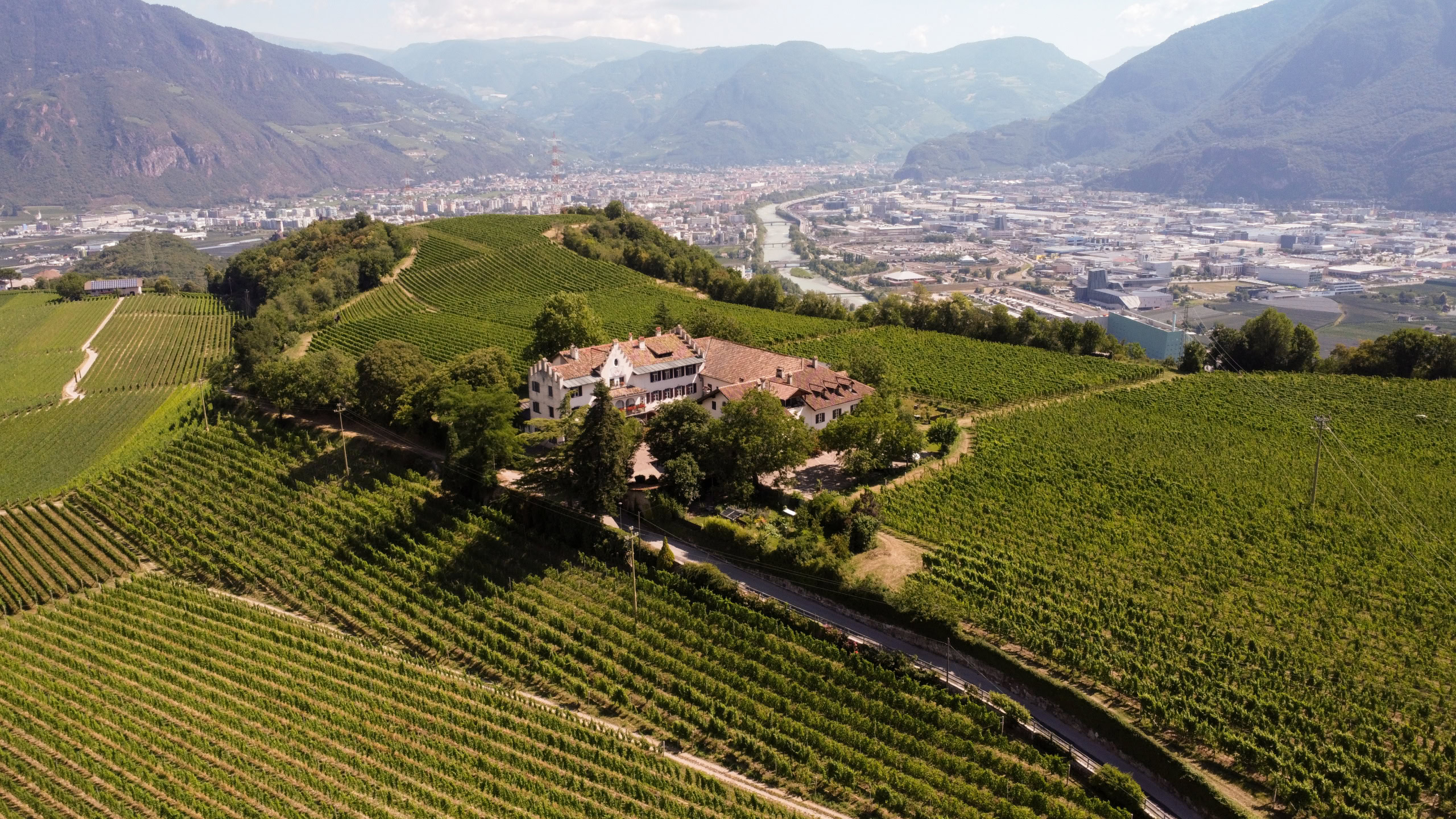
Risk and Reward in Austria’s Warming Wachau
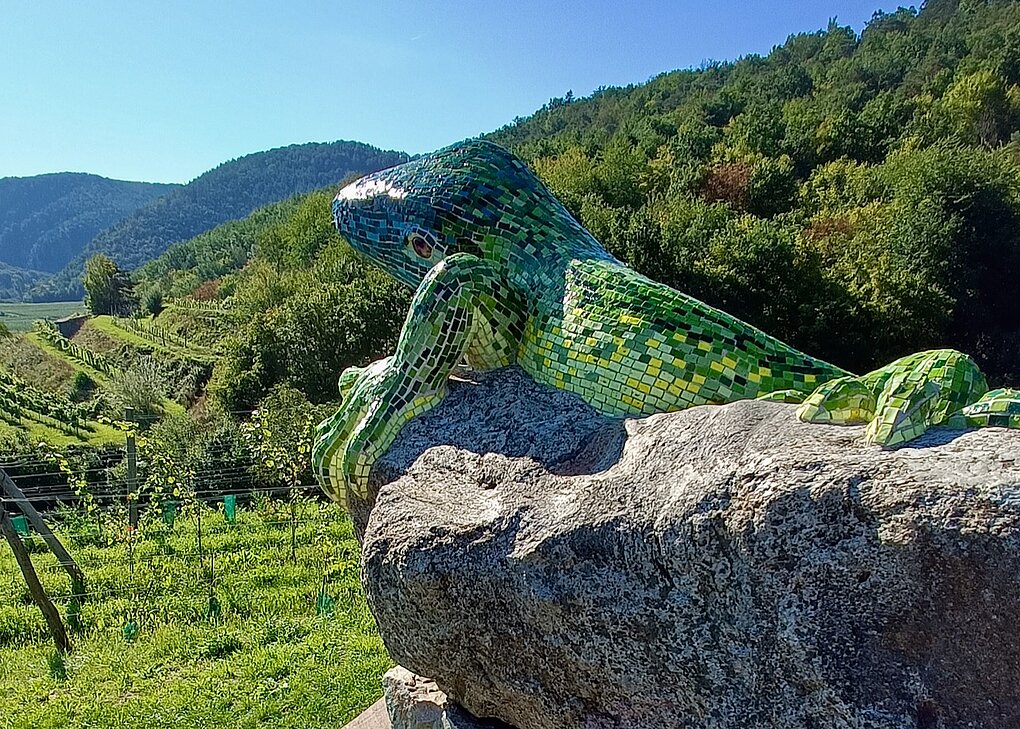
Photo Credit: Simon J. Woolf
In an age defined by climate emergency, can winegrowers in Austria’s warming Wachau react and adapt fast enough to maintain the region’s historic pole position?

In an age defined by climate emergency, can winegrowers in Austria’s warming Wachau react and adapt fast enough to maintain the region’s historic pole position?

Simon J. Woolf has been writing about wine since 2011 in magazines, books, on and offline. He writes about what he personally likes to drink, and the overarching themes he covers - organic and biodynamic farming, sustainability, low intervention, natural and orange wine - all represent his own deeply held beliefs and passions. His first book "Amber Revolution - How the World Learned to Love Orange Wine" has become the go-to guide to this wine category. "Foot Trodden - Portugal and the Wines that Time Forgot" was published in 2021, and co-written with Ryan Opaz. Both books were New York Times wine books of the year, and "Foot Trodden" was shortlisted for a James Beard award.
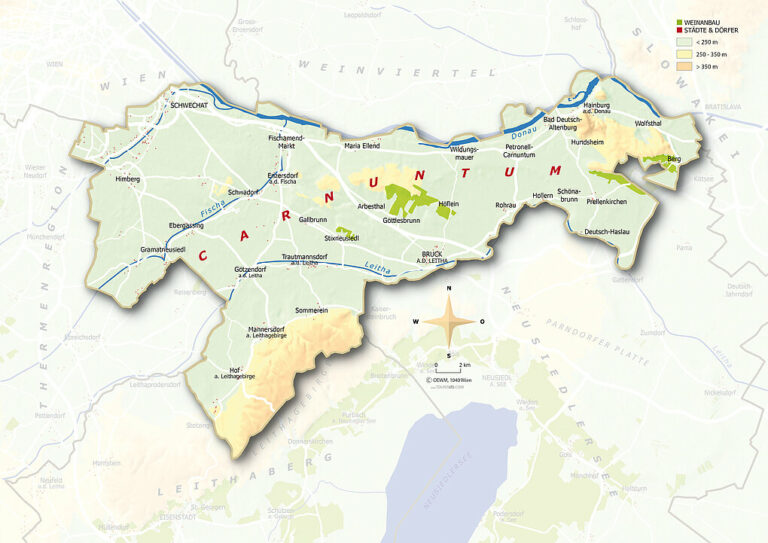
The little wine region of Carnuntum sits east of Vienna and south of the Danube. With a mere 900 hectares under vine, it distinguishes itself through an awareness of regionality developed early on. In 1992, when Austria was still largely classifying its wines by variety rather than origin, Carnuntum implemented the idea of a regionally typical red wine with the name Rubin Carnuntum. But reaching DAC origin status – oriented to the regional, village, single-vineyard wine concept – was still a long road away. This only took effect in 2019 and today Zweigelt Rubin Carnuntum is a regional wine. Although white…...
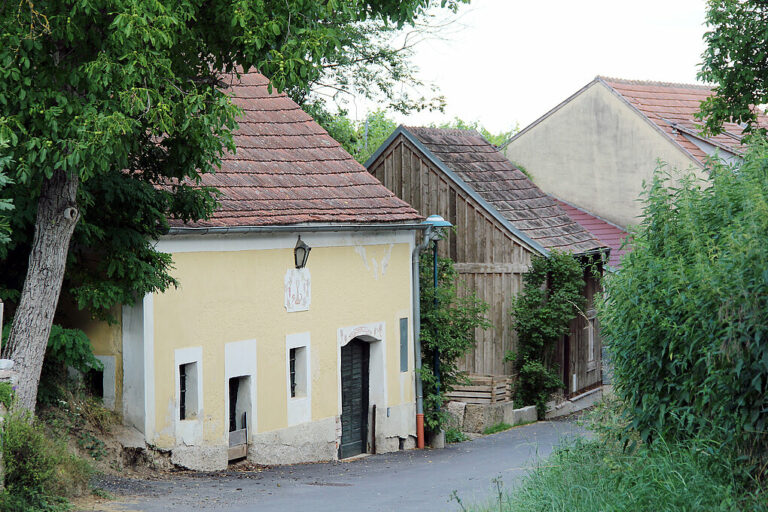
Wine regions are threaded along the Danube, one after another, like a string of Chanel pearls. Wagram, Kamptal, Kremstal, Wachau. And Traisental — the only one that lies exclusively south of the Danube. Its namesake river, the Traisen, divides the valley as the Seine does Paris or the Gironde does Bordeaux, into left and right banks. The tiny region flaunts French finesse and cool avant-garde. But also a rustic, down-to-earth charm. In Paris, the Left Bank is the quartier of intellectuals and artists. Through Yves Saint Laurent it achieved world fame in fashion. Who or what sets the tone and…...
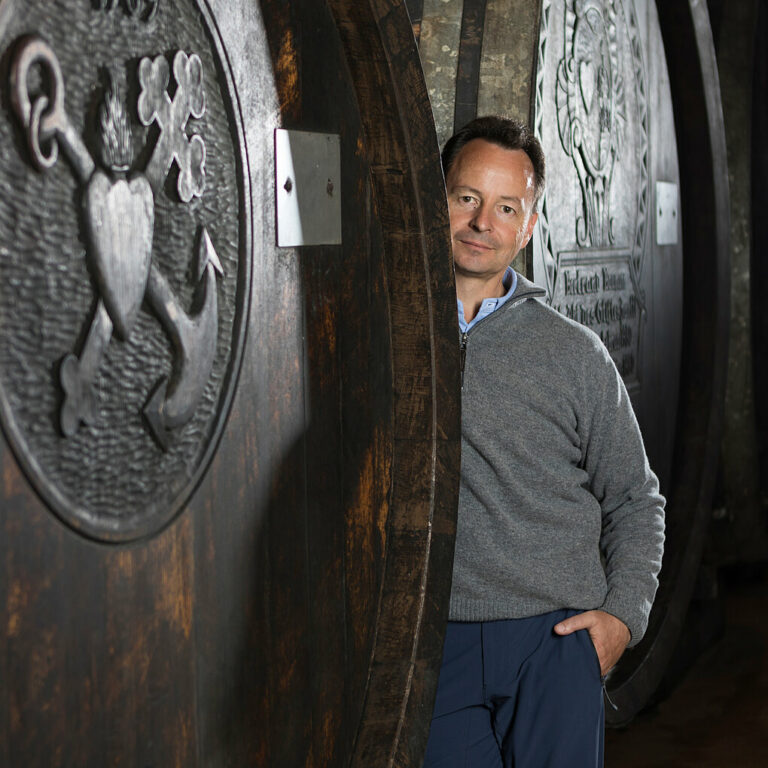
It’s hard to think of any one who has had greater influence over where Austrian wine is heading than Schloss Gobelsburg proprietor and Austria’s Traditionsweingüter (ÖTW) chairman Michael Moosbrugger. In part two of their conversation, David Schildknecht sounds out Moosbrugger on classification, appellation, and how music can illuminate wine. The following interview – translated and edited by the interviewer – was conducted in writing as well as orally in spring 2022. Occasional excerpts from earlier conversations and correspondence have been interpolated. Consolidation under topical headings as well as the insertion of punctuation were at the interviewer’s discretion in an effort…...
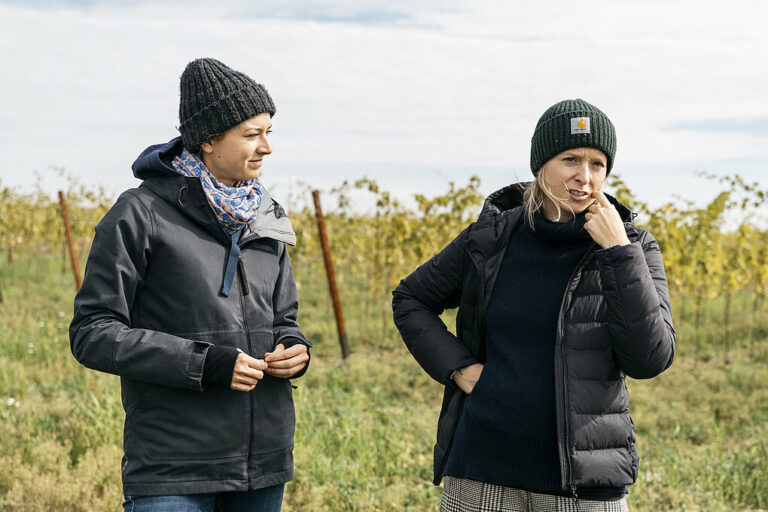
This article is an excerpted chapter from We Don’t Want Any Crap in Our Wine (2019). After the book went to print, the Rennersistas informed the author that Susanne Renner left the winery, which will now be run by siblings Stefanie and Georg. In 2015, Susanne and Stefanie Renner took over the family wine business in Gols, Austria and became their parents’ bosses. In short order, the sisters converted to biodynamics and created their own line of wines, Rennersistas, in addition to the family’s traditional red Renner cuvées. Ever since, Susanne and Stefanie have reveled in the freedom of making…...
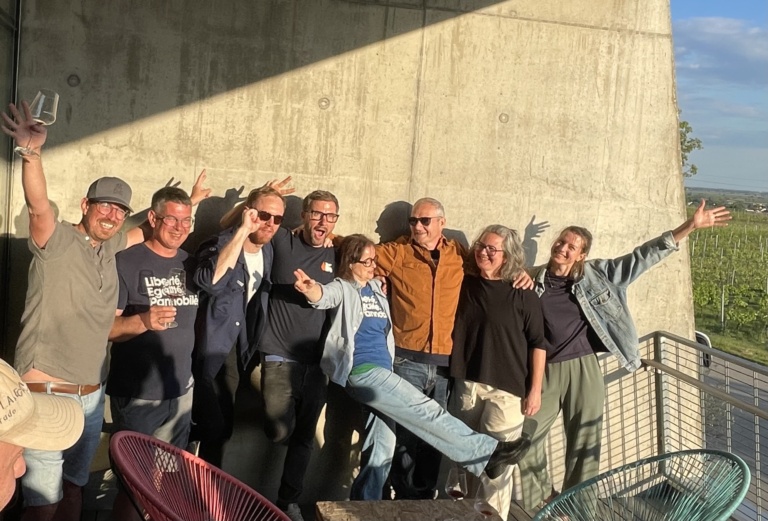
The focus and energy of Austria's biennial wine trade fair VieVinum puts the spotlight on a country that is doing wine right.
The scent of pine trees is a time machine, a brusque mix of barbed, balsamic beauty. I have a million pine memories. One good whiff and I’m transported home, sap streaking the inside of my scraped arms as I scale the tall white pine in our neighbor’s backyard, lunchbox dangling from the rear belt loop of my short pants. Lost in a cross-hatching of aromatic needles. I’m in the warming house of the town rink, my toes aching with cold. Silhouetted skaters float and spin on the bumpy ice outside. A pine fire acrid with resin heaves black smoke up…...
© 2026, TRINK Magazine. No portion of this article may be copied, shared or re-distributed without prior consent from TRINK.