
Volume 08 – The Anniversary Edition

October 2021

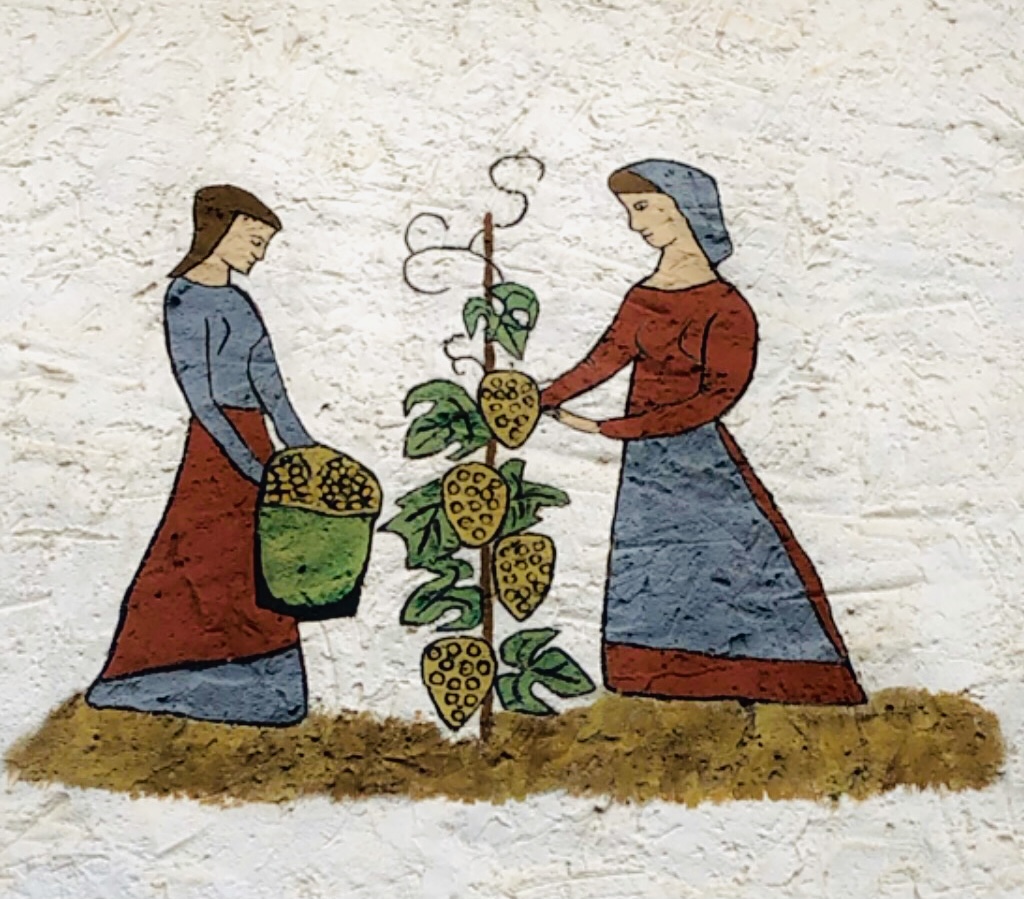
Two renaissance women tending a grape wine and dressed in traditional clothes

Dear Readers,

Exactly one year ago today, with trembling fingers — we were fairly convinced that either no one would notice or everyone would and honestly weren’t sure which was more terrifying — we sent TRINK Vol. 01 out into the world.

It was the culmination of months of planning, cajoling, researching, writing; of (often overlapping!) very late nights and wincingly early mornings, in some ways going far beyond our comfort zones while in others staying squarely within them. It was always with one overarching goal: to bring people around the world closer to German-speaking wines. Deepening an understanding of the traditions, innovations, and interconnections that shape the dynamic wine cultures of Austria, Germany, South Tyrol, and Switzerland.

Nearly 100 stories later, it’s both striking and reassuring to see how often there is a pair — sibling, partner, parent, friend — in the picture.

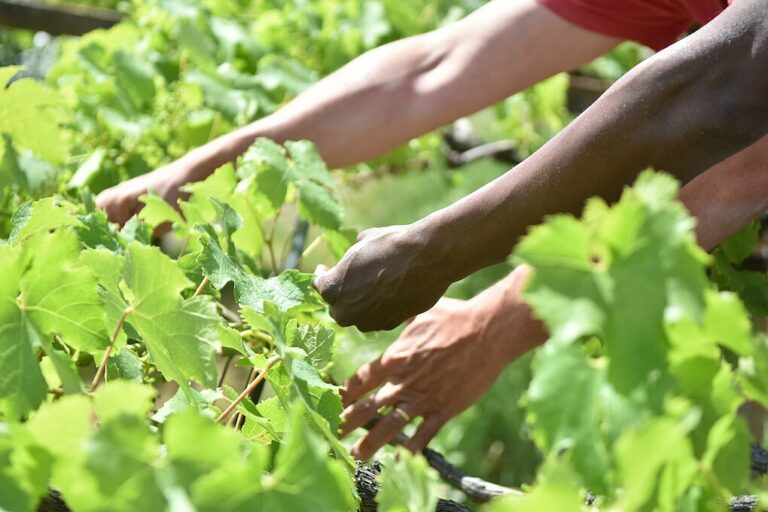
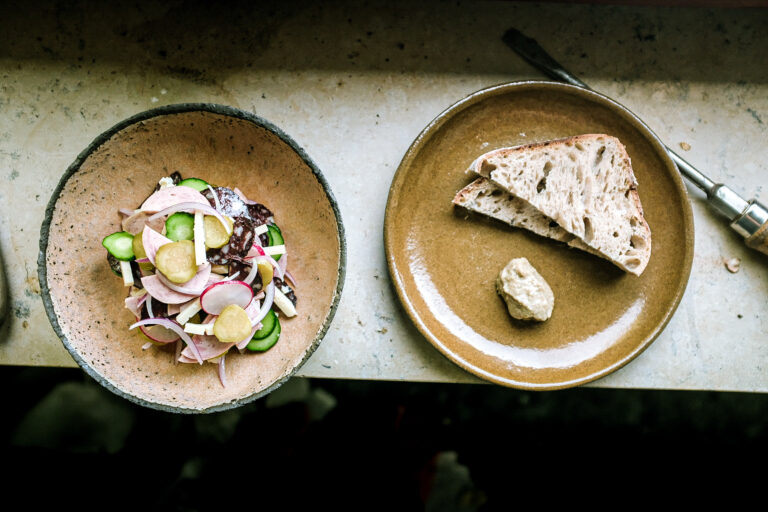
As we look ahead to our own second year, we have twos very much in mind. This volume twines around them. There’s Emily Campeau’s ingenious combination of Wurstsalat and Swabian wine. Simon Woolf’s investigation of water and wine in Austrian culture. Kathleen Willcox’s look at cooperation between German and Israeli wineries. Camilla Gjerde’s profile of two siblings rewriting the story of their family’s estate in Burgenland. Valerie’s report on how growers and immigrants are bridging two needs in South Tyrol.

Our story is really not that different. Two lives, two time zones, one zine. It hasn’t always been easy or smooth sailing but each of us holds firm to the belief that the journey has been better, brighter and richer for having the other one in it.

And yet perhaps the strongest TRINK duo of all has been between our writers and you, our readers. Our Patreon supporters and partners ensure we are able to carry out our mission with editorial independence and integrity. But without our indispensable design and web team at Medienagenten, TRINK would have had a fraction of its impact. With their support, we’re constantly adding new features to the site — some bright and shiny, and others, under the hood to keep the engine purring.

We started this venture wanting to change the conversation around German-speaking wines: to animate and humanize, deepen and contextualize. But in order to change the conversation, we’ve got to have the conversation. So talk to us.

Which stories do you want to read? Which writers do you love and want to hear more from? Which rocks are we not turning over? Whether it’s a DM, email, or note under the door, please, let us know. We’re listening.

And speaking of listening, Robert Dentice, the subject of TRINK’s very first article and a supporter of the magazine from day one, has curated an anniversary playlist in celebration.

Cue it up, sit back, and enjoy. Oh yes, and happy anniversary!

Paula Redes Sidore, Bad Honnef
Valerie Kathawala, New York City
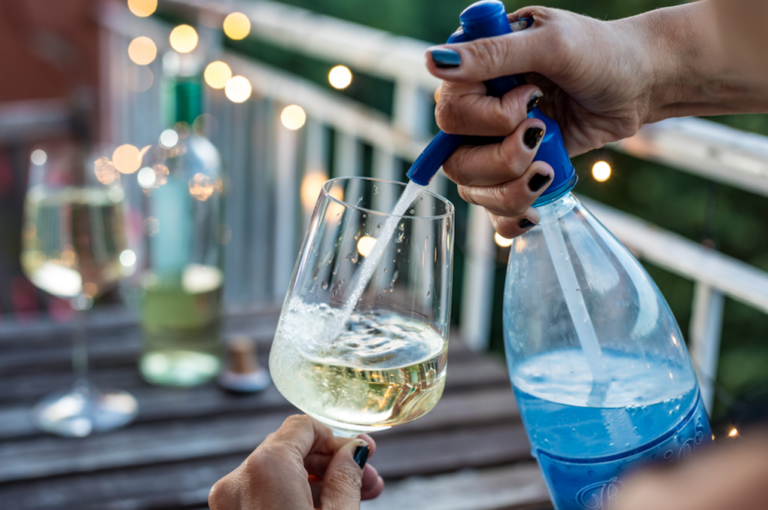
  • Sturm und Spritz

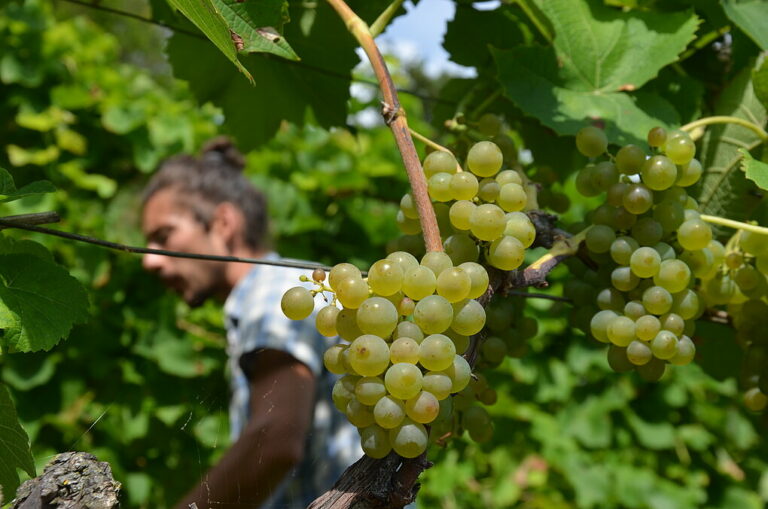
    In 2013, I moved to Austria and spent most of a year living in the small town of Eisenstadt. There were several cultural difficulties to surmount, not least the language. Despite my decent grasp of German, I found the Austrian dialect all but impenetrable for the first few months. And then there were the drinking customs. Because Austria had forged an impressive international reputation for elegant, high-quality wines, I expected to spend my time savoring delicious Blaufränkisch, or getting to know the top single-vineyard sites of the Wachau. But everywhere I went people just drank a mix of cheap white…...

    Membership Required

    You must be a member to access this content.

    View Membership Levels

    Already a member? Log in here
  • Immigrants as Vineyard Workers in Alto Adige

    A tiny pilot project created by immigrants for immigrants is taking root in the small wineries of Alto Adige-Südtirol.  V.I.T.E. — Viticulture Integration Training Empowerment — is an innovative partnership that grew out of shared need. A demographic shift in this Alpine corner of northern Italy is bringing with it a shortage of skilled vineyard workers. Where grandparents and cousins once pitched in, trained immigrants from around the world may begin to take up that role. According to organizers, the beauty of this public-private approach to addressing the gap between labor supply and demand is that it also fosters understanding…...

    Membership Required

    You must be a member to access this content.

    View Membership Levels

    Already a member? Log in here
  • ·

    Eat + TRINK | Wurstsalat as Mood Board

    I felt lonely on the Internet the day I started researching the origins of Wurstsalat.  I looked in far-flung corners of the web for sausage scholars who might have dedicated time to writing about the rules and methods of this intriguing dish. When I hit a wall, I did what any well-trained millennial would do and typed #wurstsalat into Instagram’s search bar.  The things I saw there were either appetite-inducing or frightening, sometimes both at once. Lying in the cascade of pictures amidst German cowboys, balsamic glaze swirls, wedding celebrations, crinkle-cut fries, and loads of curly parsley was a possible answer: Wurstsalat is…...

    Membership Required

    You must be a member to access this content.

    View Membership Levels

    Already a member? Log in here
  • German and Israeli Wineries Join Forces

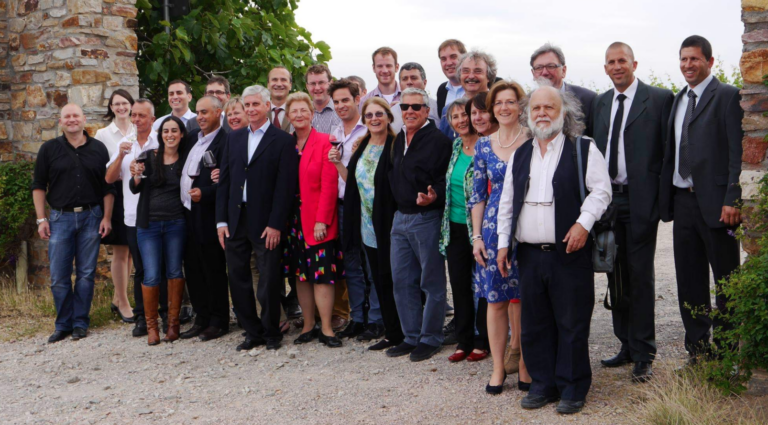
    The Jewish State was proclaimed in 1948; the Federal Republic of Germany founded a year later. There was a pregnant pause when many wondered if West Germany would acknowledge the past. In 1951, Chancellor Konrad Adenauer acknowledged Germany’s “unspeakable crimes toward Jewish people.” The spell of silence was broken, and Israeli Prime Minister David Ben-Gurion and Adenauer began the long, painful, still unfinished journey toward healing.  In the decades since, the people of Germany and Israel have followed their lead, with financial and cultural exchanges that each serve as a profound demonstration of human transcendence. It’s clear we have much…...

    Membership Required

    You must be a member to access this content.

    View Membership Levels

    Already a member? Log in here
  • The Anniversary Edition: Letter from the Editors, Vol. 8

    Dear Readers, Exactly one year ago today, with trembling fingers — we were fairly convinced that either no one would notice or everyone would and honestly weren’t sure which was more terrifying — we sent TRINK Vol. 01 out into the world. It was the culmination of months of planning, cajoling, researching, writing; of (often overlapping!) very late nights and wincingly early mornings, in some ways going far beyond our comfort zones while in others staying squarely within them. It was always with one overarching goal: to bring people around the world closer to German-speaking wines. Deepening an understanding of the traditions, innovations,…...

    Membership Required

    You must be a member to access this content.

    View Membership Levels

    Already a member? Log in here
  • ·

    Get to Know: Rennersistas

    This article is an excerpted chapter from We Don’t Want Any Crap in Our Wine (2019). After the book went to print, the Rennersistas informed the author that Susanne Renner left the winery, which will now be run by siblings Stefanie and Georg. In 2015, Susanne and Stefanie Renner took over the family wine business in Gols, Austria and became their parents’ bosses. In short order, the sisters converted to biodynamics and created their own line of wines, Rennersistas, in addition to the family’s traditional red Renner cuvées. Ever since, Susanne and Stefanie have reveled in the freedom of making…...

    Membership Required

    You must be a member to access this content.

    View Membership Levels

    Already a member? Log in here
  • The Future of Swiss Wine

    ​A new wave of vignerons is gathering strength in Swiss wineries. They are young, eclectic, and often organic or biodynamic in their work. Most are keenly focused on sustainability and trying disease-resistant grapes. Thirty of them, who go by JSNW (Junge Schweiz Neue Winzer, or Young Switzerland New Vignerons), offer a snapshot of this generation, all under age 40. The association was created in 2010 in Zurich to put “sharing” in boldface: of experience and ideas, but most of all of their wines and feedback, at regular meetups. The group has expanded to include vignerons from the French- and Italian-speaking…...

    Membership Required

    You must be a member to access this content.

    View Membership Levels

    Already a member? Log in here