Dear Readers, Exactly one year ago today, with trembling fingers — we were fairly convinced that either no one would notice or everyone would and honestly weren’t sure which was more terrifying — we sent TRINK Vol. 01 out into the world. It was the culmination of months of planning, cajoling, researching, writing; of (often overlapping!) very late nights and wincingly early mornings, in some ways going far beyond our comfort zones while in others staying squarely within them. It was always with one overarching goal: to bring people around the world closer to German-speaking wines. Deepening an understanding of the traditions, innovations,…
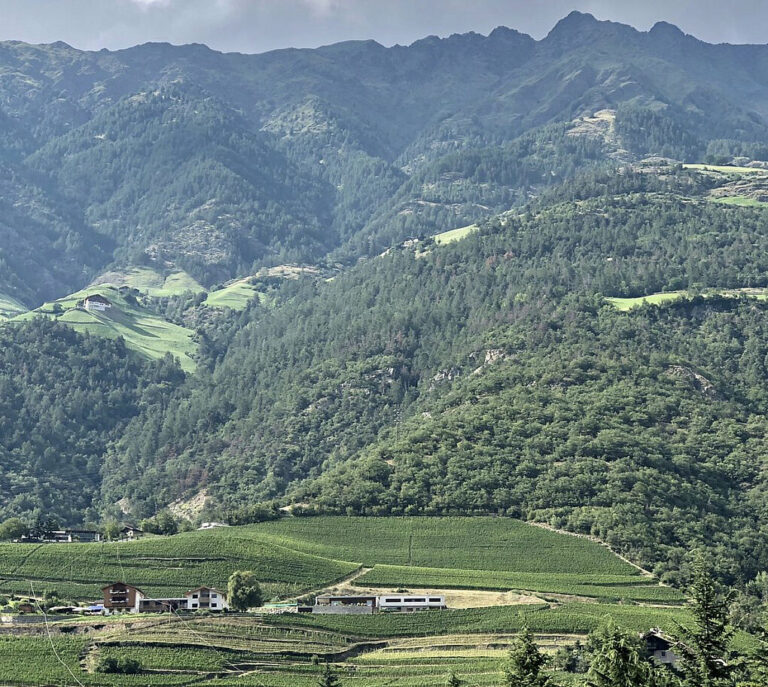
Trink Magazine | With forests, glaciers, and vineyards that soar above 1,300 elevation, the Vinschgau remains a bastion of true cool climate wines. By Valerie Kathawala
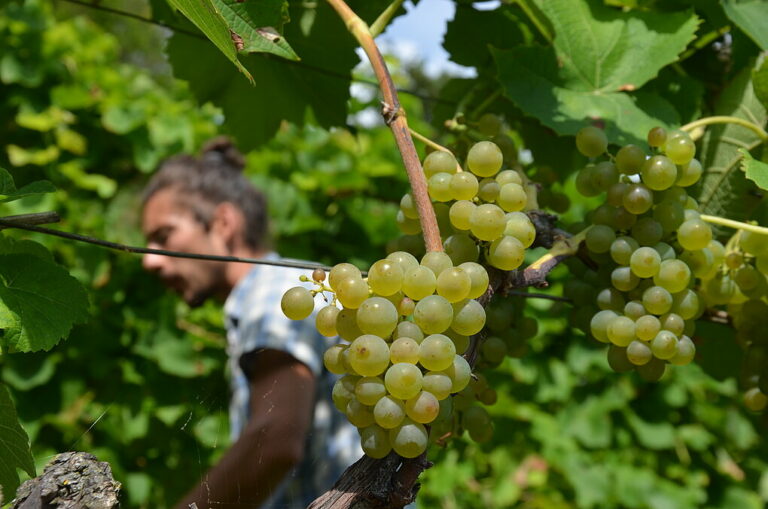
Trink Magazine | Are PIWIs or grape hybrids our viticultural future as the climate crisis makes winegrowing more, not less, challenging? By Christoph Raffelt
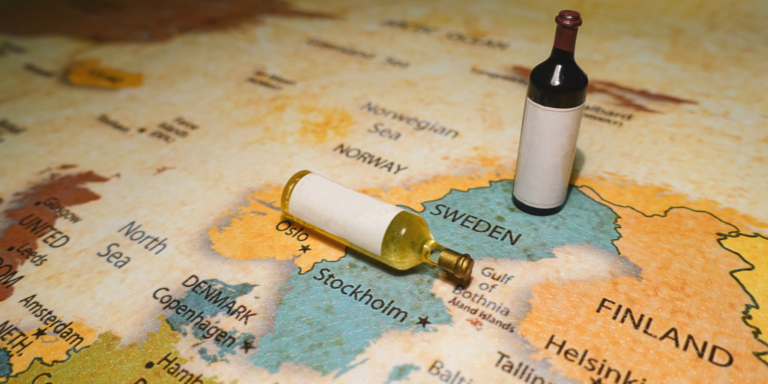
For decades, America was indeed the promised land: A vast nation of eager consumers with a low bar for entry. German winemakers were among the throng of sellers vying to win a sliver of Americans’ massive spending power. But times — along with politics and tariffs — have changed. Now, German winemakers are finding that their most loyal and free-spending audience may actually be up north. How Did We Get Here? The public’s perception of German wine is capricious; more so, arguably, than that of any other wine-producing nation. After rising to prominence over the 19th century, German wine suffered…...
March 25, 2024 Update: Eva Fricke and the German Wine Collection no longer together. Apparently, the tango takes even more complex footwork than either party anticipated. And the frisson of friction is real. In wine, the relationship between importer and producer works better when it’s more tango than transaction. First there is the careful footwork of their own internal negotiations, then a set of fancy steps together for the audience. The goal is to position the new producer within an aesthetic and cultural context that would-be consumers will find attractive. It is a delicate dance that requires surprising intimacy and…...
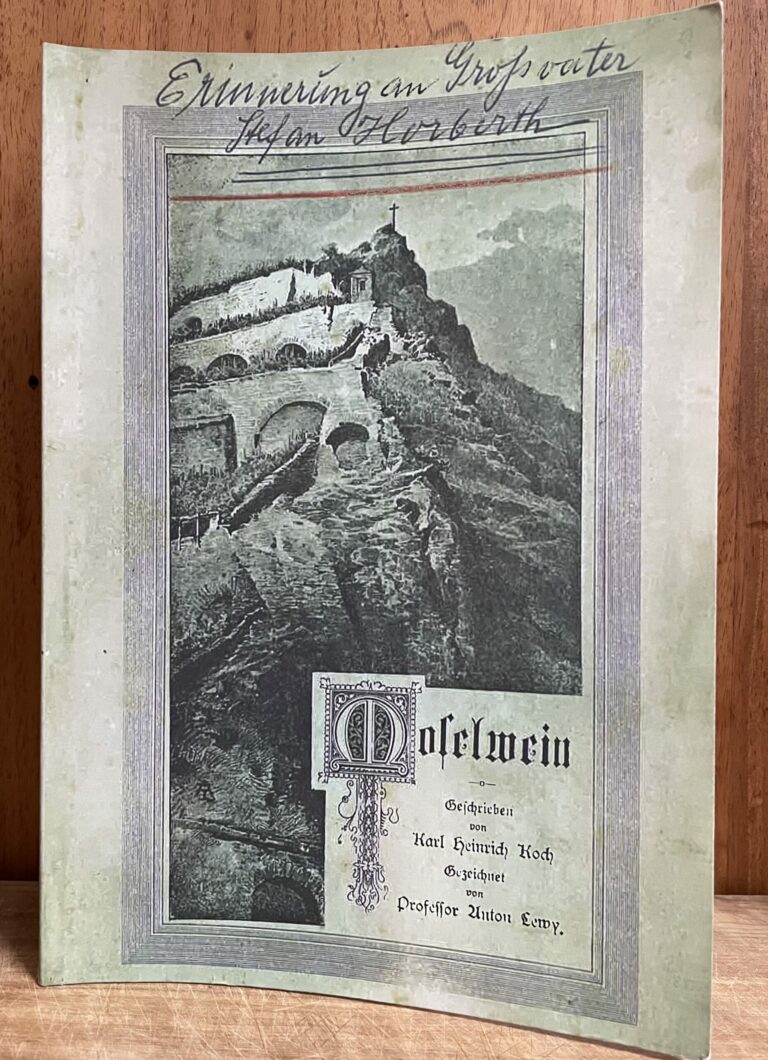
We like to think of Mosel wine as eternally glorious. The river valley’s nearly 2,000-year vinous history, its relics of Roman civilization and tributes to Celtic wine gods, its very viticulture carved with seeming permanence into stony banks all suggest an unbroken line. But an excellent new book, edited by Lars Carlberg, with able assistance from David Schildknecht, Kevin Goldberg, and Per Linder, underscores the extent to which the Mosel’s glory has been far more ebb than flow. Such awareness only makes the late 19th-century golden age that is the book’s focus more luminous. The book nests together several components…....
A fresh crop of Masters of Wine was announced late last month: Ten individuals who have grasped the holy grail of wine education. Among them is Moritz Nikolaus Lüke of Bonn — the tenth German to achieve the distinction. He joins an elite crew who have earned the title by passing legendarily rigorous blind tasting examinations and writing a series of theory papers as well as a research-based thesis. TRINK caught up with Lüke to find out what the experience was like, learn about his Covid-driven research paper — and get an answer to the question we’re all naturally most curious about: what he drank…...