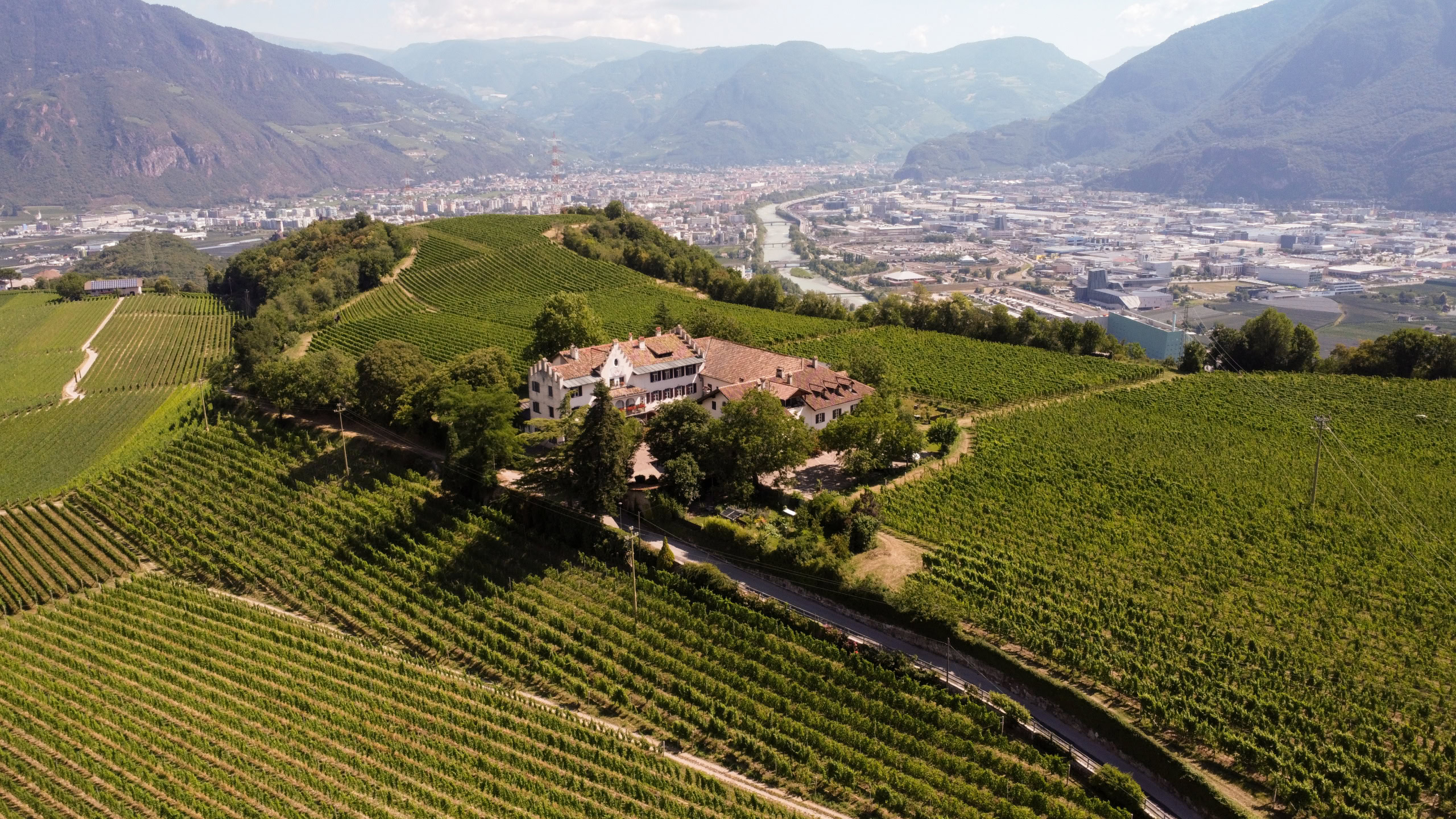
In the Vinschgau: Small Growers, New Heights
Valerie Kathawala
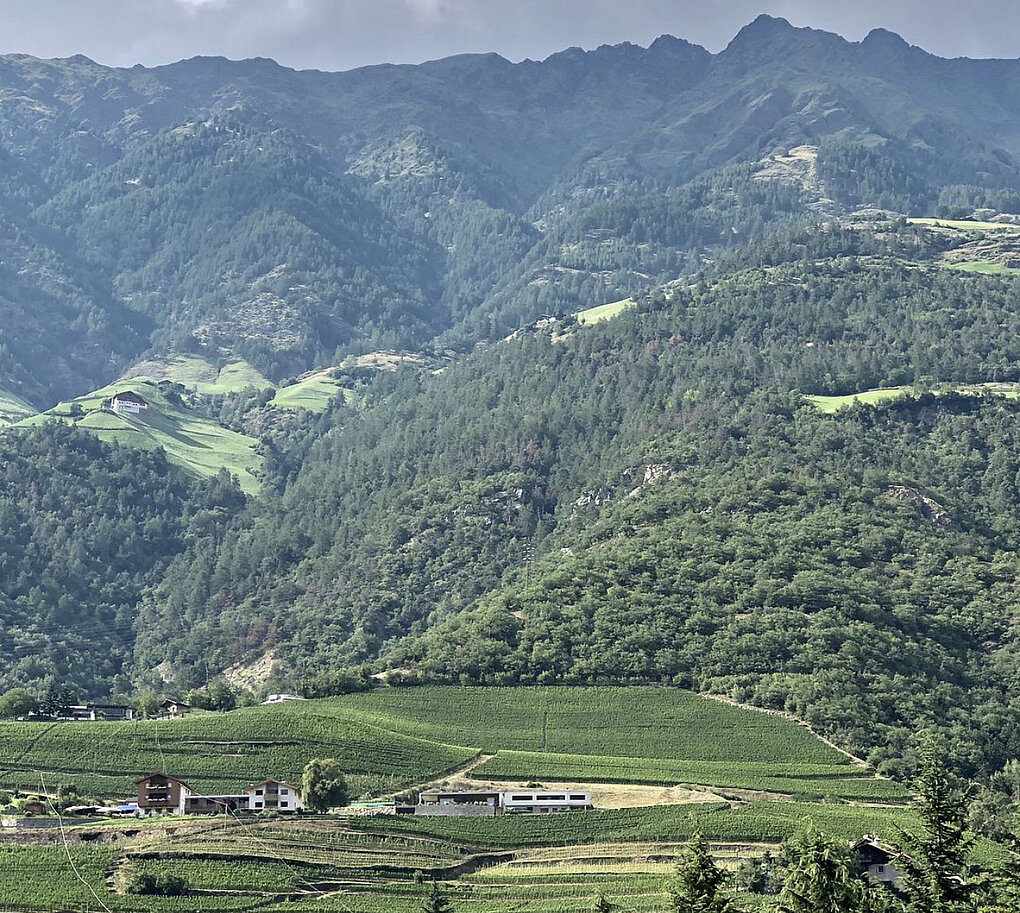
Trink Magazine | With forests, glaciers, and vineyards that soar above 1,300 elevation, the Vinschgau remains a bastion of true cool climate wines. By Valerie Kathawala

Trink Magazine | With forests, glaciers, and vineyards that soar above 1,300 elevation, the Vinschgau remains a bastion of true cool climate wines. By Valerie Kathawala

Journalist and Editor
Valerie Kathawala specializes in the wines of Germany and Austria. Her work appears in the pages of regularly in Noble Rot and SevenFifty Daily. She is the author of the "German Wine Scholar" (2025).
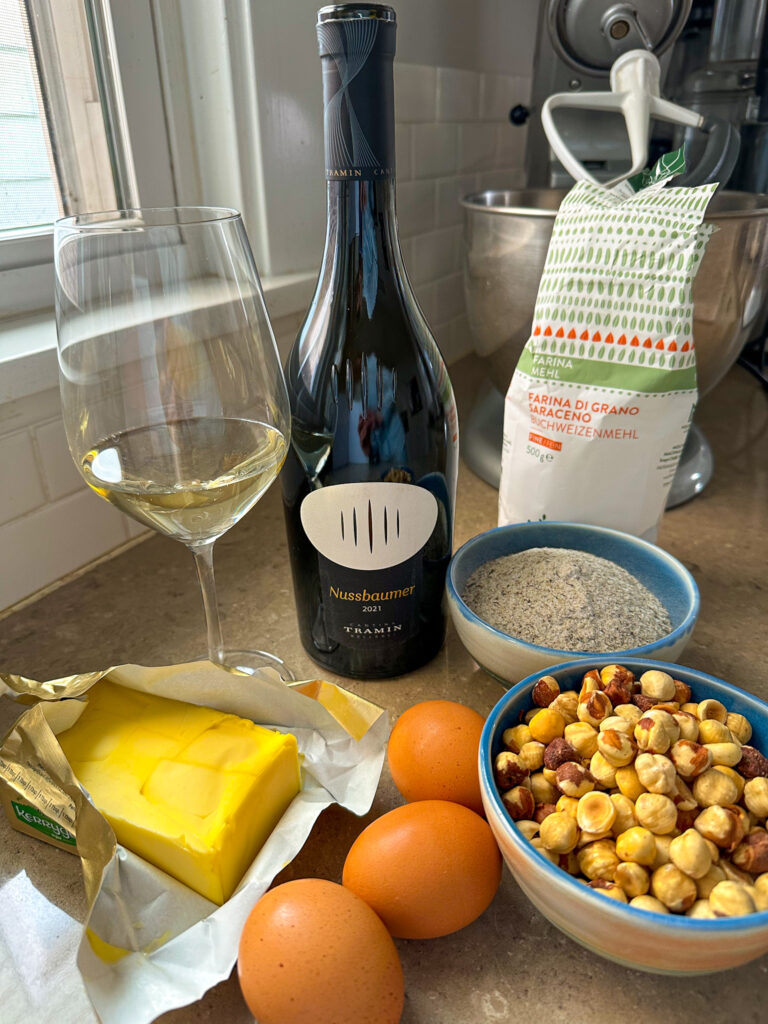
A baker falls in love with hiking, cake and wine in the Italian wine region of Südtirol-Aldo Adige and returns home to recreate the textures and flavors.
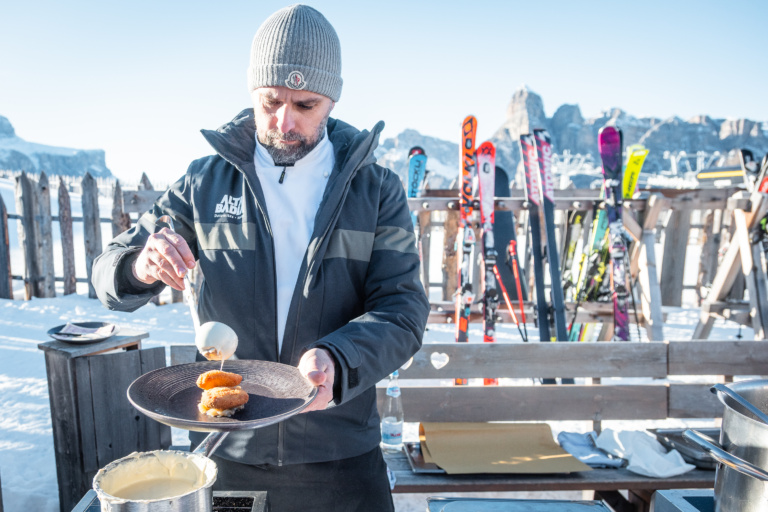
At 2,010 meters above sea level, the first thing that changes is your breathing. The second is your appetite. By the time you are standing outside a mountain hut with a glass of Blauburgunder in hand, something else has shifted too. The wine tastes different up here. In December, I went to Alta Badia, a small, jagged pocket of Südtirol-Alto Adige, with skis, a notebook, and a question. Nestled among the villages of San Cassiano, La Villa, Corvara, and the Campolongo Pass, the region is defined by its verticality, snow, and fine cuisine. Every year, as the ski season starts,…...
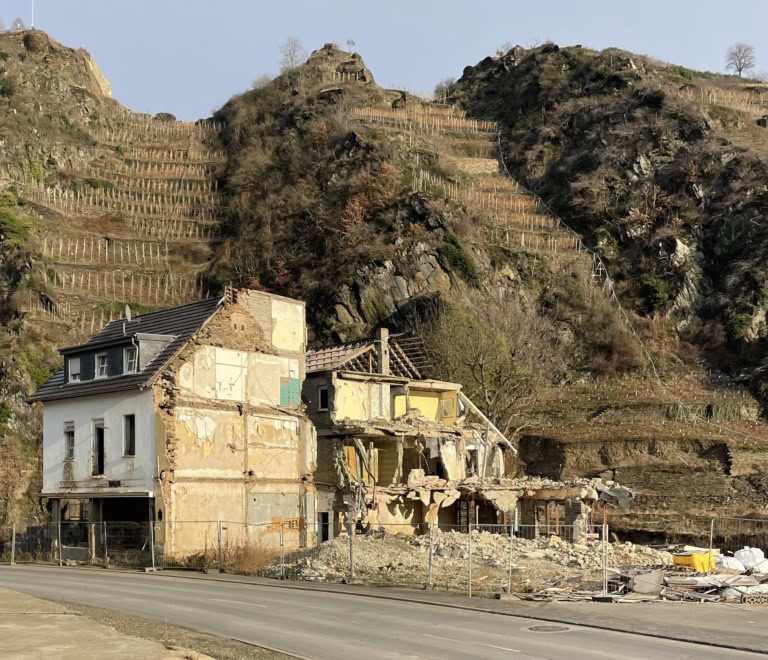
From last Wednesday night into Thursday morning, 148 liters/square meter of rain fell on the Ahr. In a normal July, the region gets about 80 liters/square meter — in the entire month. This immense volume of precipitation in such a short span dilated creeks into torrents. Torrents rose and swiftly emptied into the Ahr itself, which morphed into an implacable, surging mass of water. As we’ve now all seen on the news, the river ripped through the villages that line its banks — Ahrweiler, Dernau, Mayschoss will be names familiar to German wine lovers — shocking everyone from the authorities charged…...
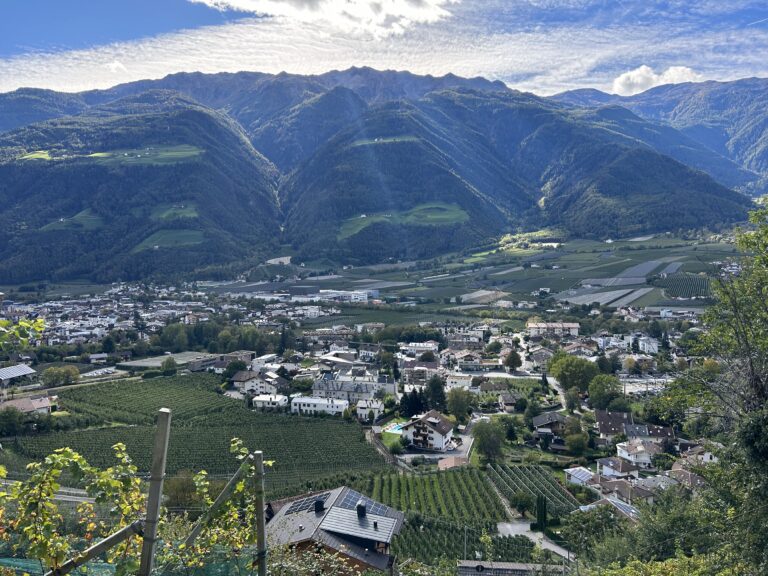
A new generation of growers is breathing life into wines of Südtirol-Alto Adige.
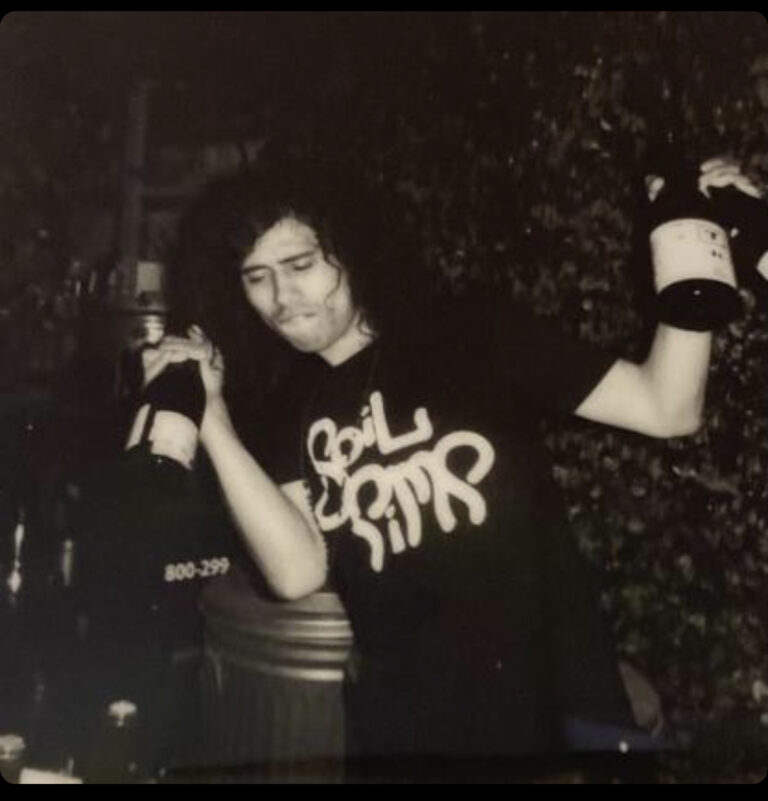
On an early autumn night, in a quietly insiderish neighborhood of Queens, New York, deep beats and warping, hypnotic sound penetrate the stillness. Trapezoids of light slant onto the dark sidewalk through the broad windows of a corner restaurant, the music’s source. Silhouetted figures mingle and shift in projection. Robert Dentice, noted collector of Riesling and vinyl, stands near the door, a bottle of Keller Abts E — one of Germany’s, if not the world’s, most coveted wines — in hand, greeting new arrivals with hugs and heavy pours. Inside, there’s an invitingly louche aura of fin-de-siècle Vienna or Berlin. A slew of wine is open, almost…...
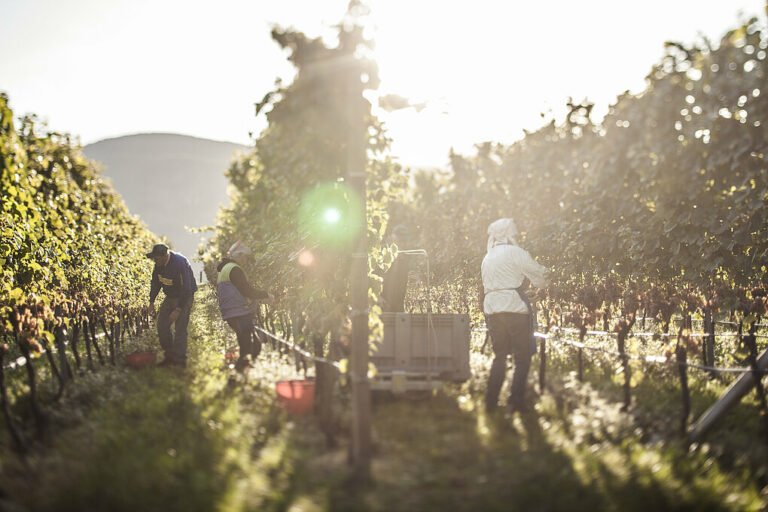
Trink Magazine | The 12 winegrower cooperatives of Alto Adige produce some of the finest wines in Italy, if not the world. it's a part not only of the region's history but also its DNA, Susan gordon reveals why.
© 2026, TRINK Magazine. No portion of this article may be copied, shared or re-distributed without prior consent from TRINK.