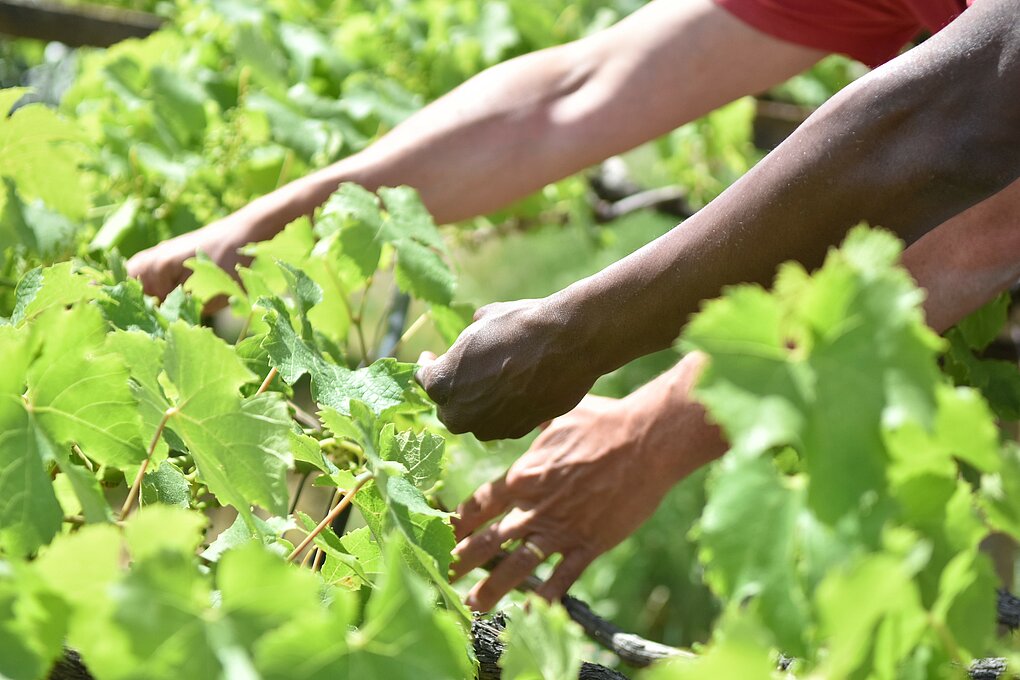
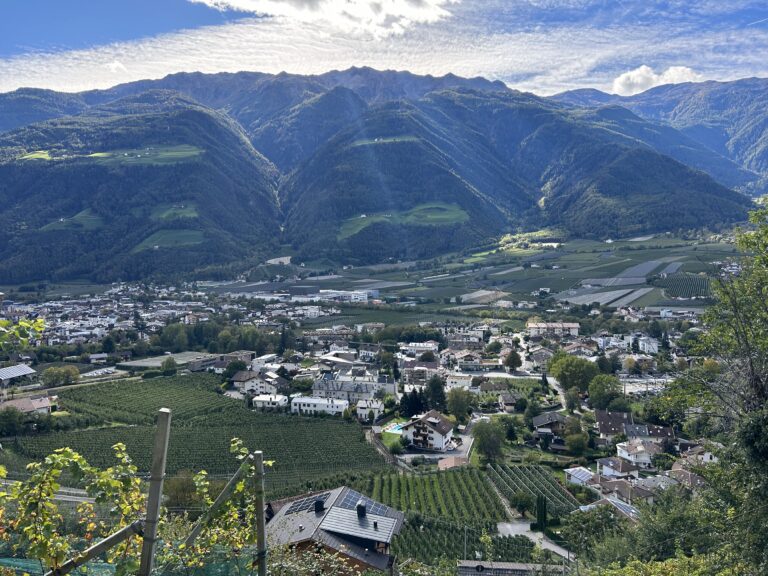
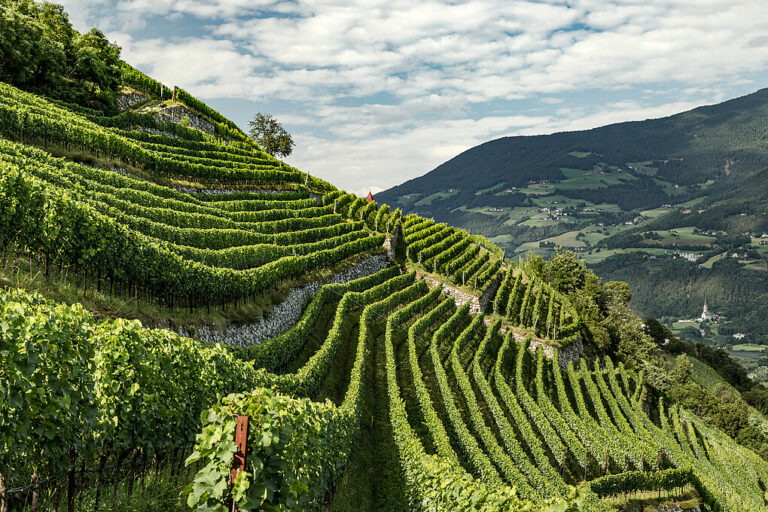
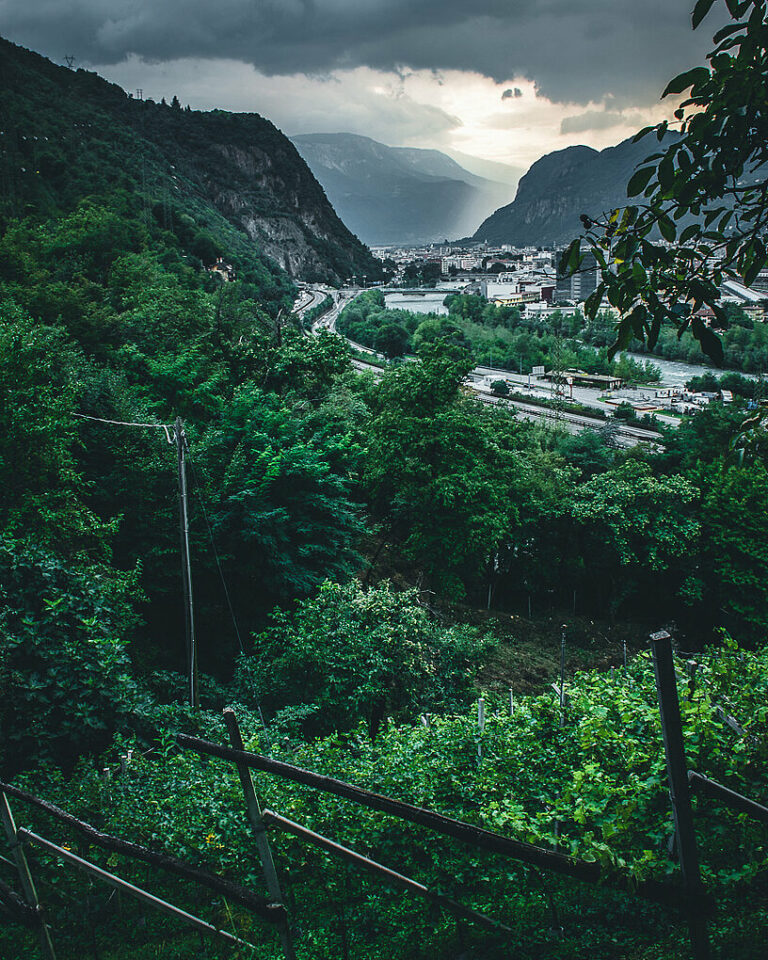
A tiny pilot project created by immigrants for immigrants is taking root in the small wineries of Alto Adige-Südtirol. V.I.T.E. — Viticulture Integration Training Empowerment — is an innovative partnership that grew out of shared need. A demographic shift in this Alpine corner of northern Italy is bringing with it a shortage of skilled vineyard workers. Where grandparents and cousins once pitched in, trained immigrants from around the world may begin to take up that role. According to organizers, the beauty of this public-private approach to addressing the gap between labor supply and demand is that it also fosters understanding…
Valerie Kathawala specializes in the wines of Germany and Austria. Her work appears in the pages of regularly in Noble Rot and SevenFifty Daily. She is the author of the "German Wine Scholar" (2025).
Trink Magazine | This primer offers insight into the surprising contrasts and dynamics at play in the wines of Alto Adige, this small, mountainous, and little known corner of northeast Italy.
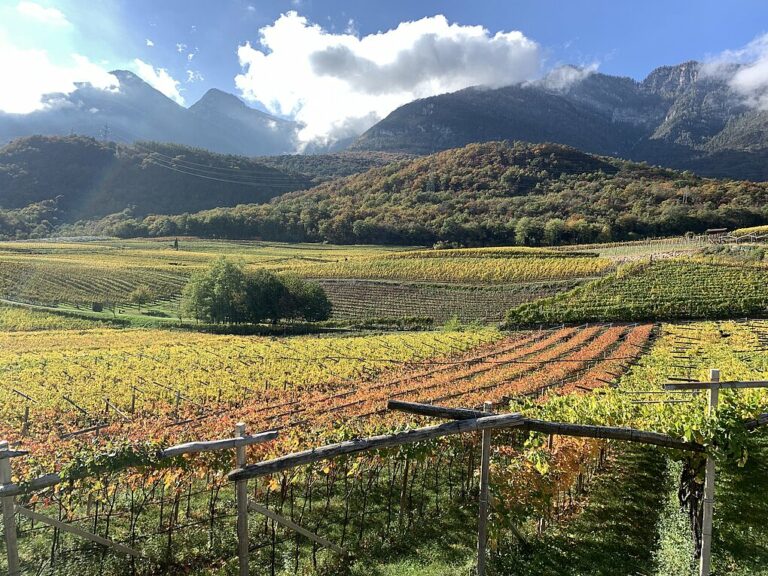
Pranzegg. In der Eben. Thomas Niedermayr. Garlider. Four names that will mean more or less to you depending on where and how you drink wine. Four small-scale organic and biodyanamic growers from four points on the compass of northern Italy’s Südtirol-Alto Adige (aka South Tyrol). Four individualists who, after years of being stuck in the corners at tastings and fairs — singled out as “crazies” for their cloudy cuvées, atypical varieties, and defiant styles — decided that being outsiders together would, at a minimum, be more fun. More off-piste than pissed-off, Freistil (“free style”) was born. South Tyrol’s trademark is mountainous diversity. A remarkable living…...
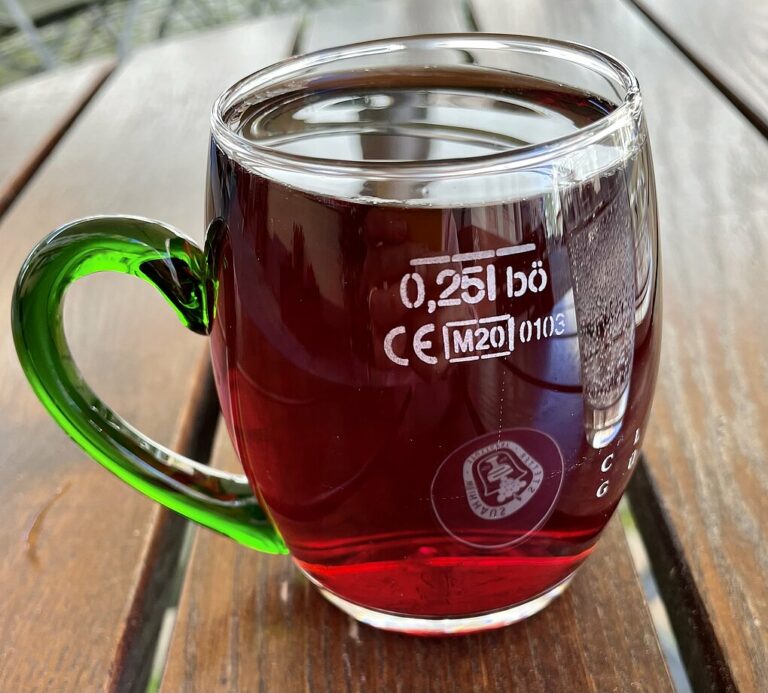
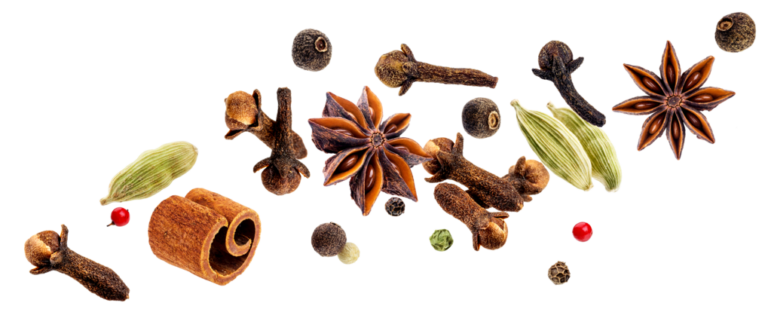
Picture yourself at a German holiday market (if such things were happening in 2020) — a mug of glühwein in hand and the scent of fresh pfeffernuss cookies in the air. It’s no surprise that these warm, spicy aromas are key attributes in many wines from Germany and Austria, South Tyrol, and the German-speaking parts of Switzerland. And there’s a hidden world of compounds and precursors to thank for this distinctive and alluring range. Much like a chef in the kitchen, growers can influence the aromatic and flavor complexity of their wines by playing with soil type, exposition, vine age,…...
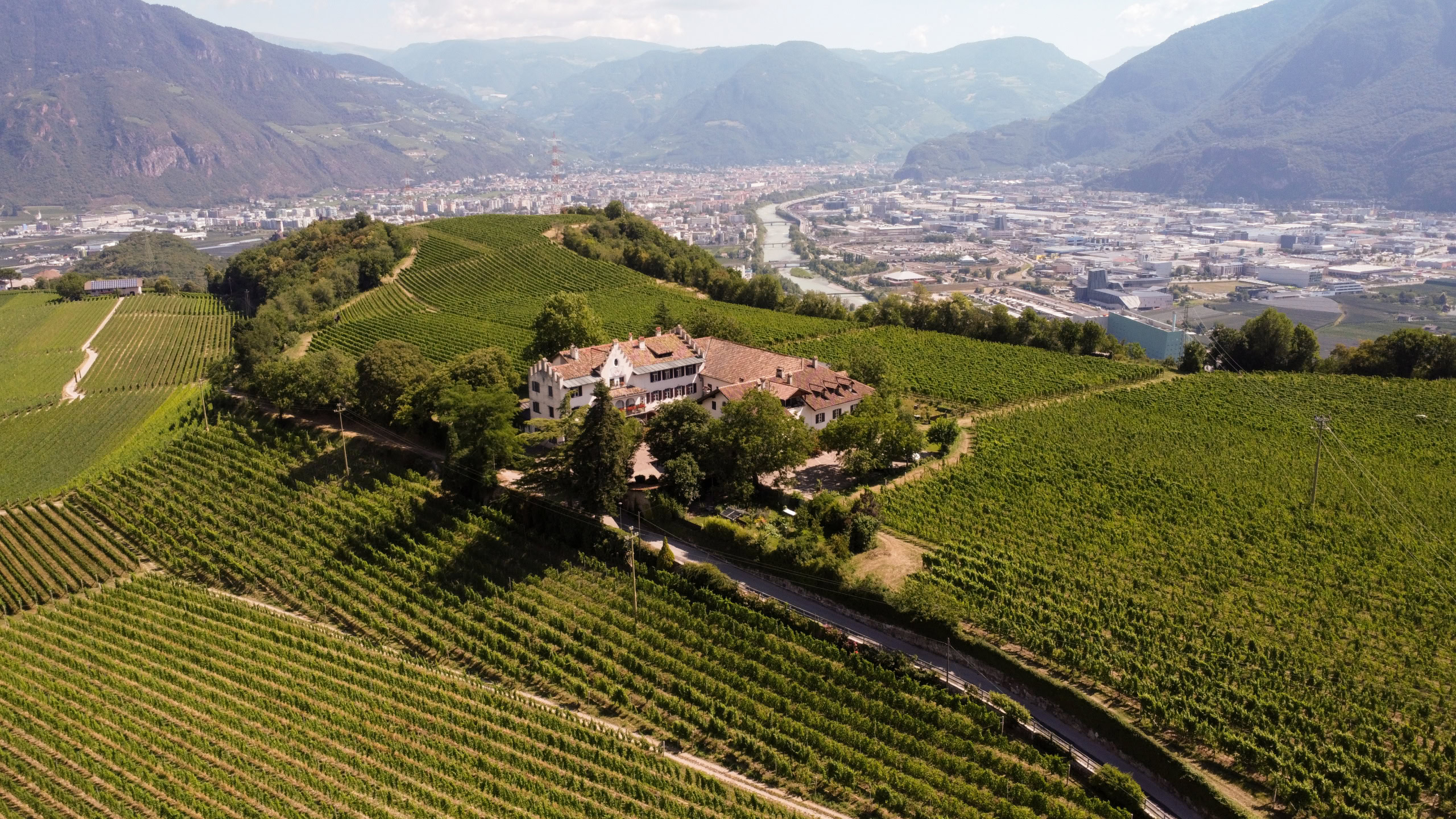
Wine and hiking expert Ellen Wallace guides readers to the green heart of Alto Adige with stops at biodynamic winery Manincor and leading cooperative Kellerei Kaltern.