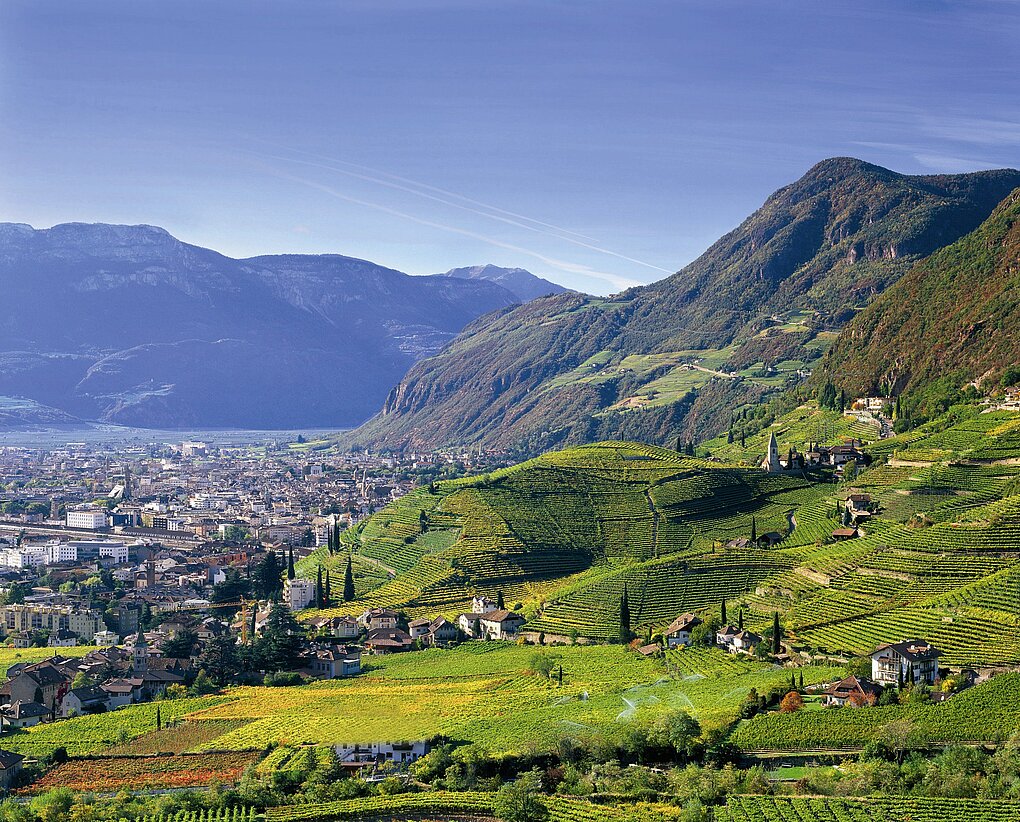
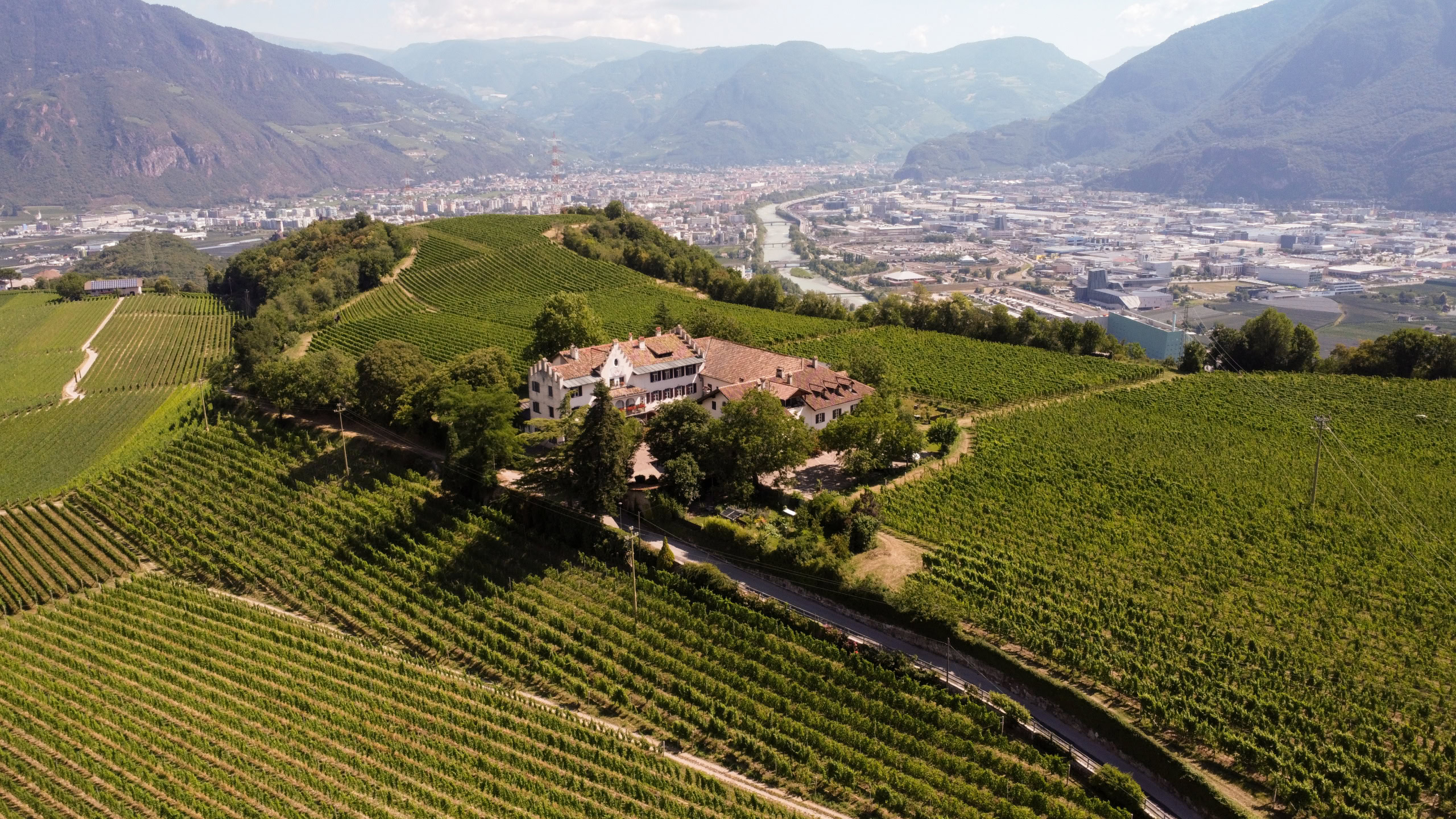
Trink Magazine | St. Magdalener represents perhaps the most powerful and structured of the many Vernatsch expressions in Alto Adige and constitutes an important part of the region’s identity. By Simon Staffler
As a certified sommelier, Simon Staffler sniffs his way through the wine world - predominantly that of Italy – tasting, texting and teaching for Falstaff Magazine as well as many others. As a passionate cook he can never leave a good plate standing, and is willing to travel miles for a special wine or ingredient. A self-declared jack-of-all-trades, he fronted the band VINOROSSO for 10 years, has been known to add his two cents as a talk host on a local radio station, and has launched a beer brand with friends. Simon Staffler has been working for Wineline International since 2017. He lives in Merano downtown, Südtirol.
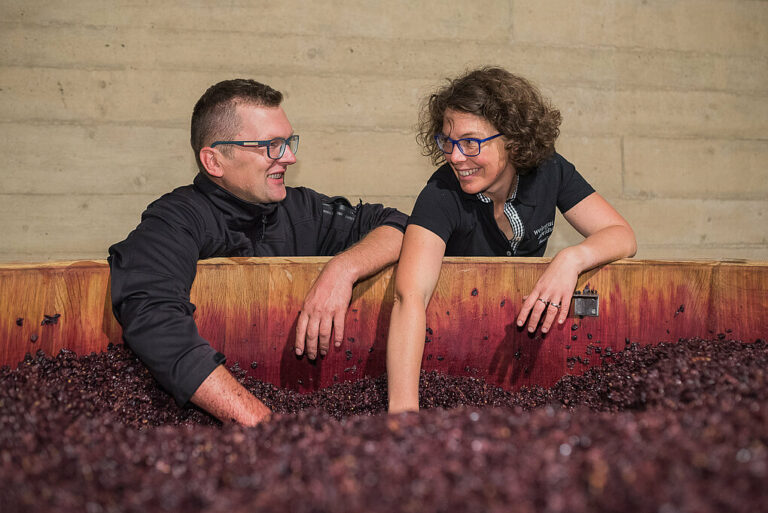
My first, late spring 2018 visit with Marlies and Martin Abraham in their cellar on the edge of Eppan-Appiano proved an inspirational personal discovery. A young couple leaves behind former professions to follow a vinicultural dream of activism in the vineyard and minimalism in the cellar, becoming the first to vinify and bottle wine from the vineyards they have inherited: In itself, that story is nowadays (thankfully) far from unusual. But in Südtirol-Alto Adige, it’s an audacious exception. Moreover, I was amazed by how distinctly delicious were Abrahams’ interpretations of each among the four grape varieties they chose to champion, especially considering…...
Trink Magazine | Are PIWIs or grape hybrids our viticultural future as the climate crisis makes winegrowing more, not less, challenging? By Christoph Raffelt
If Emilio Zierock finds it hard to talk about his controversial father, you can’t tell by listening to him. He speaks with remarkable openness about the man. Rainer Zierock, who passed away in 2009, was a brilliant visionary, but also in all likelihood the grandest provocateur in post-war German and Italian viticulture. The powerfully eloquent and often choleric Zierock was considered an eccentric of note, and one who went after everyone. More than a few people also consider him a misunderstood genius, far ahead of his time. His influence on the young wine generation, and particularly the natural wine scene,…...
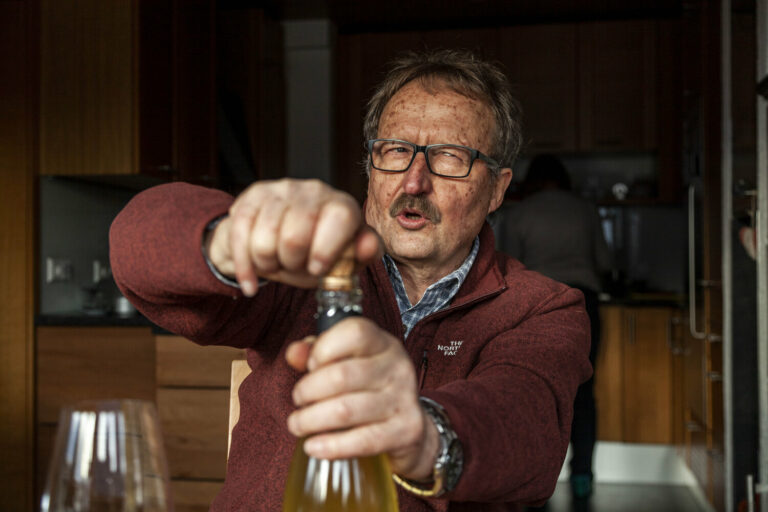
Those who go on the hunt for modern Württemberg may be surprised by what they find on the journey. In this stretch of southern Germany, many things work differently. Swabians have their own take on cool. Here you’ll meet a grower from the hip-hop scene who has the region’s traditional wine mug inked as a tattoo. You’ll bump into a start-up winery launched with crowdfunding. And you’ll land at the door of one of Germany’s hippest growers, 68-year-old Helmut Dolde of Linsenhofen. DOLDE Dolde wears a walrus mustache and, on the day of my visit, a cap someone gave him that says “Wine in…...