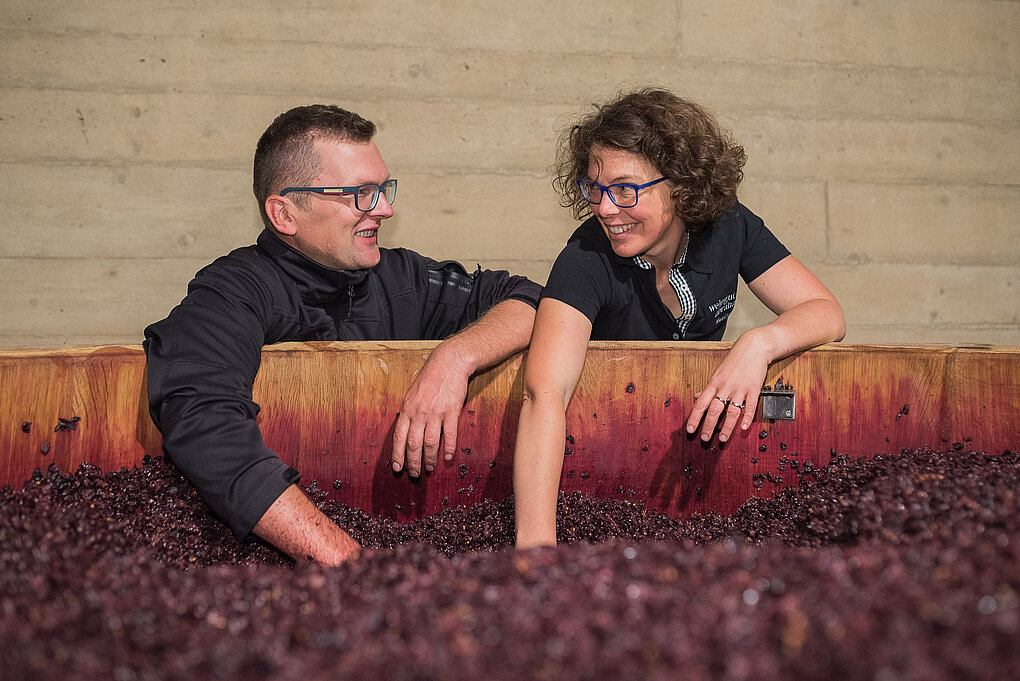
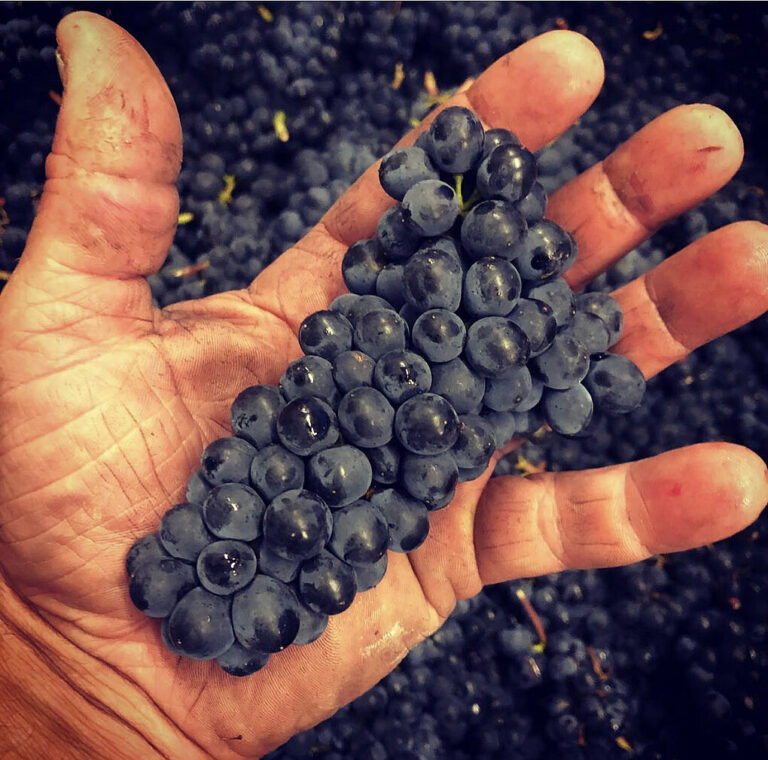
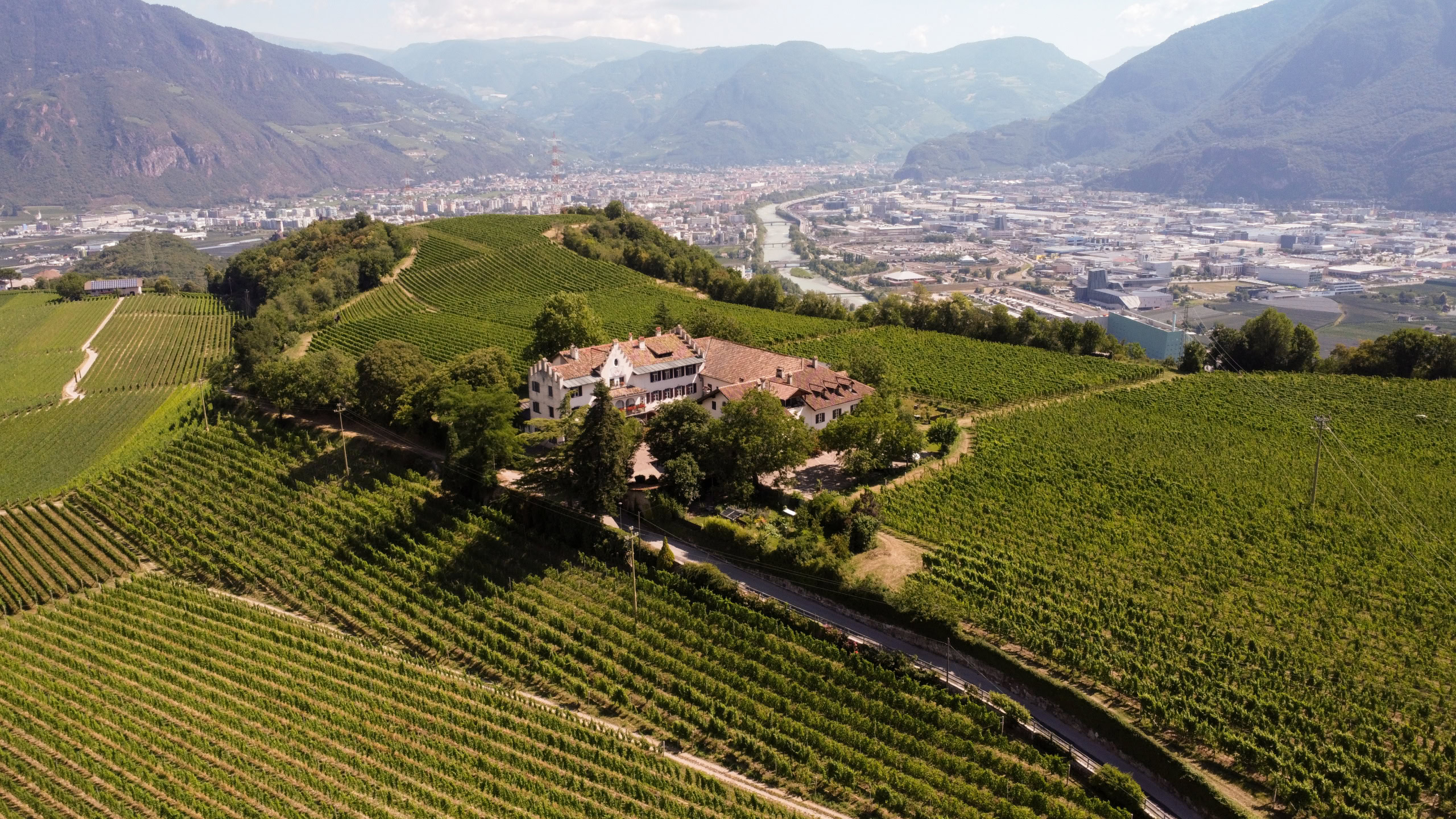
My first, late spring 2018 visit with Marlies and Martin Abraham in their cellar on the edge of Eppan-Appiano proved an inspirational personal discovery. A young couple leaves behind former professions to follow a vinicultural dream of activism in the vineyard and minimalism in the cellar, becoming the first to vinify and bottle wine from the vineyards they have inherited: In itself, that story is nowadays (thankfully) far from unusual. But in Südtirol-Alto Adige, it’s an audacious exception. Moreover, I was amazed by how distinctly delicious were Abrahams’ interpretations of each among the four grape varieties they chose to champion, especially considering…
David Schildknecht trained in philosophy and worked as a restaurateur before spending a quarter century in the U.S. wine trade. His tasting reports, ones from Austria and Germany prominent among them, have since the late 1980s been fixtures of Stephen Tanzer's International Wine Cellar; Robert Parker's Wine Advocate; and, since 2015, Vinous. A columnist and feature contributor for Wine & Spirits, The World of Fine Wine, and Austria’s Vinaria, he is responsible for the German and Austrian entries in the The Oxford Companion to Wine and a co-author of the 7th edition of Robert Parker's Wine Buyer's Guide. David has also addressed issues of aesthetics in contexts academic and otherwise, and his life in wine leaves time to pursue his passions for cooking, music, history, and his infinitely tolerant wife of five decades.
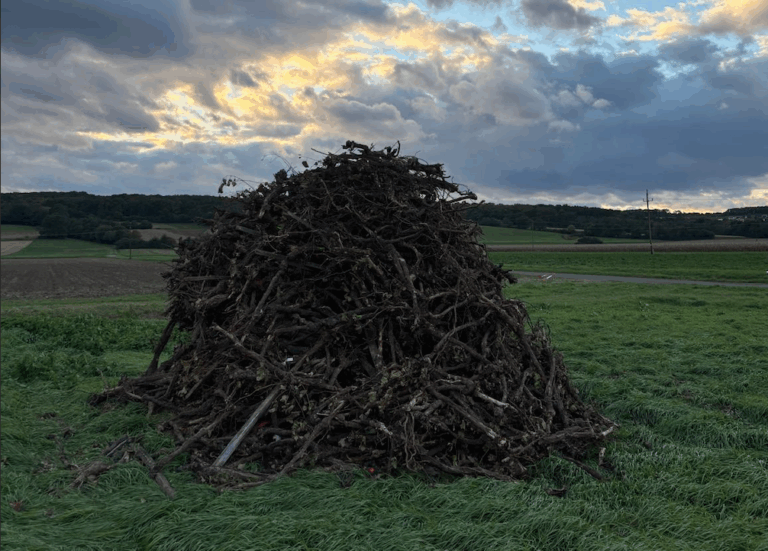
In slanting early morning light, a shadow crosses a vineyard. The figure moves row by row, ripping out vines and casting them onto a large, burning pyre. The blaze stretches to greet the sun as it rises above a mountainous horizon. There is fire from all points of the compass. Death is in the air. The culprit is a phytoplasm fatal to Vinifera vines. Its spread is aided by the American grapevine leafhopper (Scaphoideus titanus), a dwarf cicada native to North America. As it feasts on the vines, it transmits the pathogen of what is known in German as Goldgelbe…...
Austria’s vineyard classification is nearing legal status. Can its grand-cru model withstand its critics — and travel beyond Austria? A conversation with ÖTW Managing Director Michael Tischler-Zimmermann.
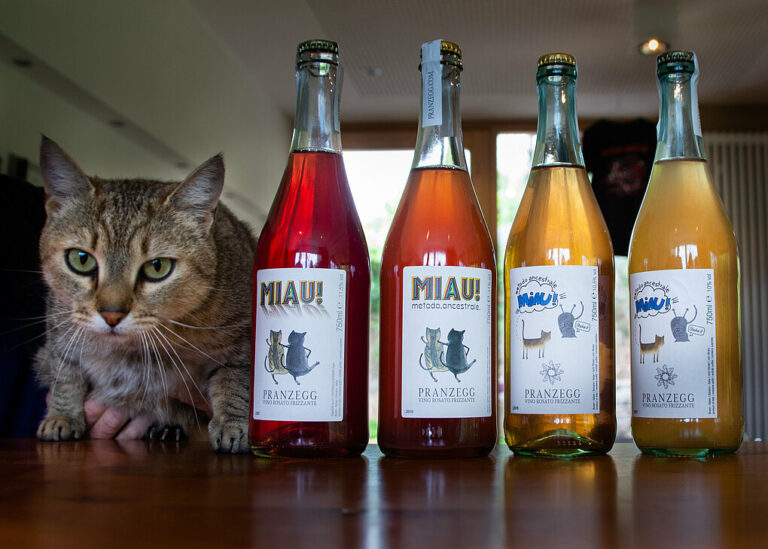
Miau! from Martin Gojer and Marion Untersulzner of Weingut Pranzegg in Bozen, South Tyrol could not be more “critter,” but is it also more? By Daniel and Liliana Schönberger
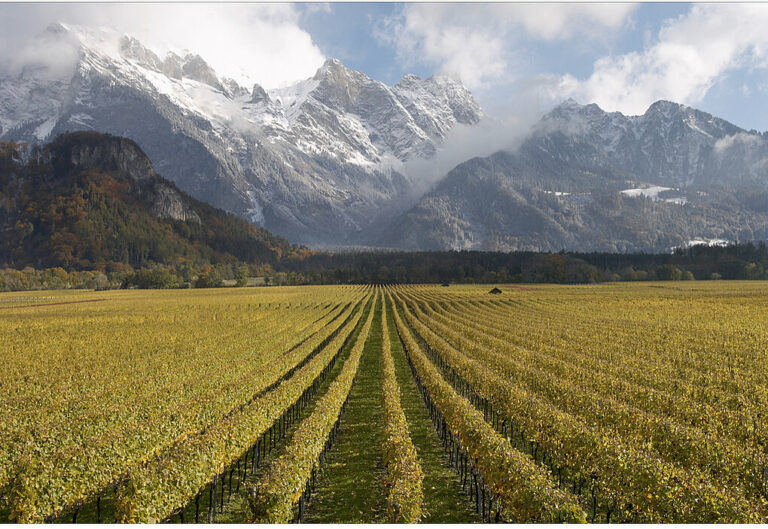
Pinot Noir from Switzerland? Gantenbein! Donatsch! Hardly another country exists whose reputation among international wine lovers for producing quality wines from this variety boils down to just two names. It’s high time that other Swiss producers get some of that spotlight – and there’s no reason why they shouldn’t come from the Canton of Zürich. Deutschschweiz, the sizable swath of eastern Switzerland that is German-speaking, is Pinot Noir land. Reportedly, the vine was introduced to Graubünden in 1631 by the Duke of Rohan, as a gift to local farmers, to win them over as mercenaries during the 30 Years War…....
For most of us, it would be easier to climb the Matterhorn in flip-flops than to lay hands on a bottle of wine made by Daniel and Martha Gantenbein. The couple painstakingly grow and make minute quantities of Pinot Noir, Chardonnay, and Riesling on 6 hectares of high Alpine valley in German-speaking Switzerland. Before the wines have even been bottled, each and every one is already sold to long-time customers. How has this modest couple, working in unheralded terrain, become the emblem of Swiss wines par excellence? After nearly 40 vintages, Daniel and Martha have fine-tuned every element within their control — from…...
It starts with the soil. “I am passionate about the microbial world under our feet, and the key role it plays in the vine’s adaptation to climate change,” says agronomist Martina Broggio, a sustainable viticulture consultant in northern Italy, Tuscany, Marche, and Puglia. Since 2018, Broggio has been helping wineries in Alto Adige move in a regenerative direction. Regenerative Viticulture (RV) requires a significant paradigm shift within vineyard management, where soil is understood as a living environment rather than as a container for growing grapes. It envisions an ecosystem in which all parts of the vineyard, including roots and bacteria,…...