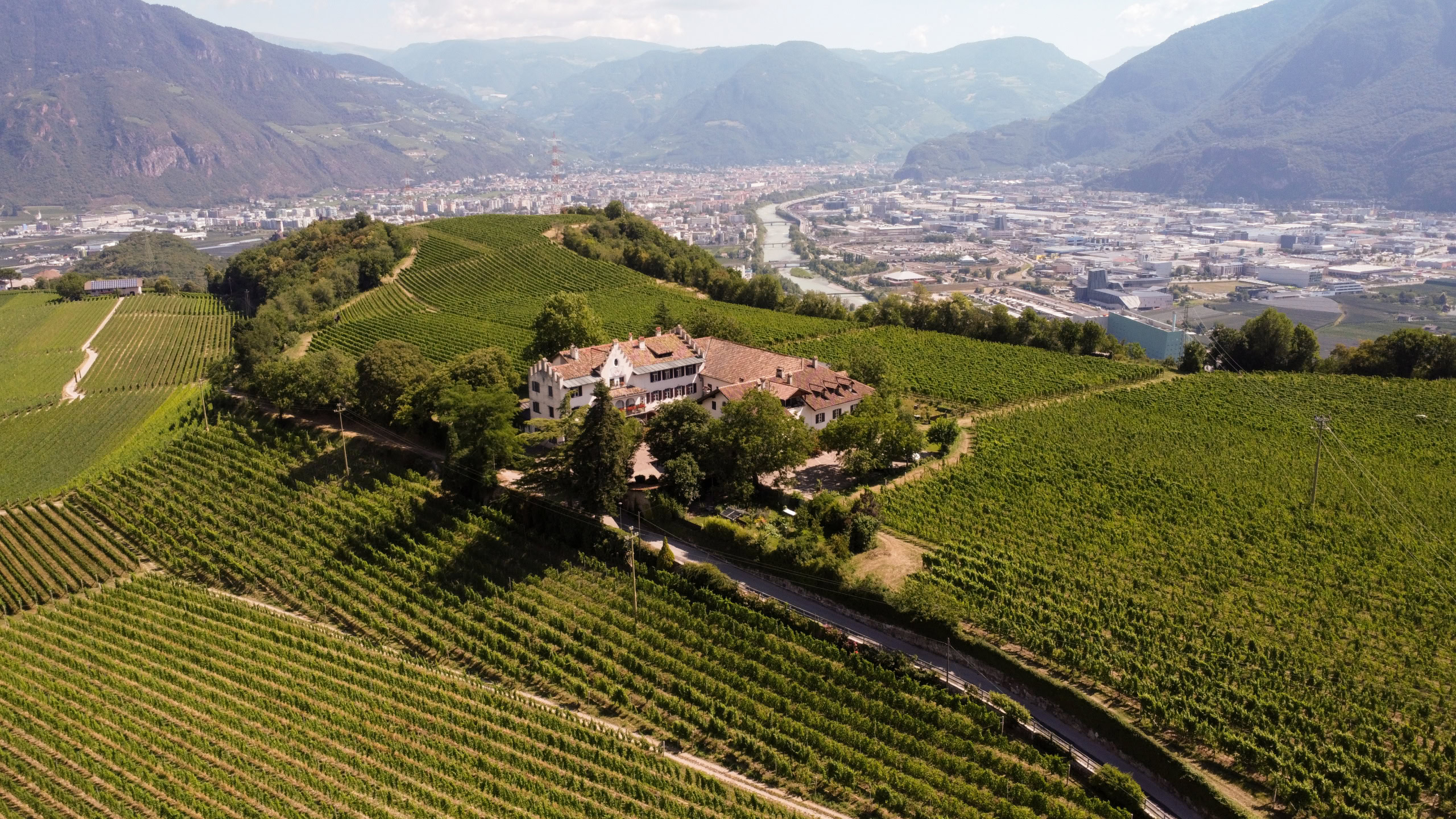
Trink Magazine | The 12 winegrower cooperatives of Alto Adige produce some of the finest wines in Italy, if not the world. it’s a part not only of the region’s history but also its DNA, Susan gordon reveals why.
Susan H. Gordon, MFA, is a PhD in Creativity candidate at The University of the Arts; her dissertation project is a language-focused book about the two Prosecco DOCG areas, Conegliano-Valdobbiadene and Asolo. She covers the eastern United States for the Hugh Johnson Pocket Wine Book, and otherwise concentrates her writing on Italian wines — her work has appeared in Gastronomica and on Forbes, Eater, Vogue.com, The Daily Meal, and the Wine Advocate online. She is a VIA Italian Wine Ambassador, and a 3iC Piemonte Wine and Food Specialist, both taught by Italian wine specialist Ian D’Agata. She holds a WSET Level 3 certification, along with current Level 4 studies, and an MFA from The New School. Susan grew up in Rome, then Philadelphia, and is now based in the Bronx in New York City.
Trink Magazine | This primer offers insight into the surprising contrasts and dynamics at play in the wines of Alto Adige, this small, mountainous, and little known corner of northeast Italy.
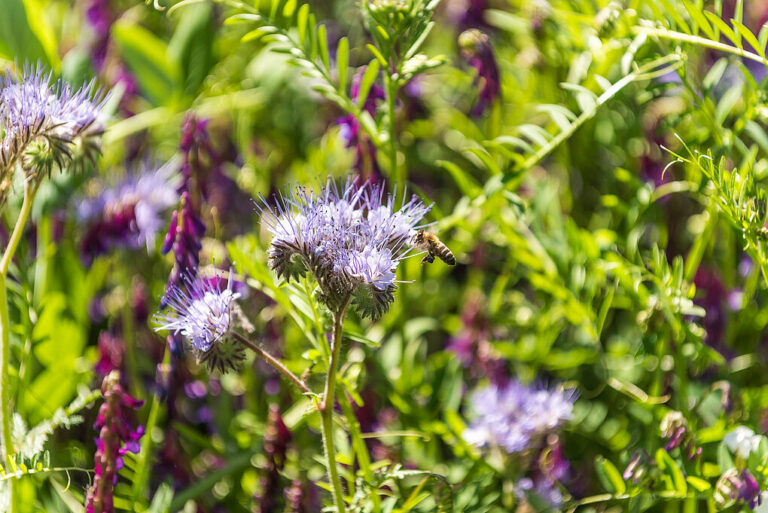
It starts with the soil. “I am passionate about the microbial world under our feet, and the key role it plays in the vine’s adaptation to climate change,” says agronomist Martina Broggio, a sustainable viticulture consultant in northern Italy, Tuscany, Marche, and Puglia. Since 2018, Broggio has been helping wineries in Alto Adige move in a regenerative direction. Regenerative Viticulture (RV) requires a significant paradigm shift within vineyard management, where soil is understood as a living environment rather than as a container for growing grapes. It envisions an ecosystem in which all parts of the vineyard, including roots and bacteria,…...
While artists throughout the ages have longed to catch time in a bottle, it is winemakers who have indeed come closest to achieving this noblest of goals. A fine wine captures not just a single moment, but the span of a vintage, a lifetime, of eons of geology. A liquid suspension of sugar, acids, ethanol, tannins, phenolics, and chemical compounds can become a remarkable crucible of climate, soil, and vision. Yet unlike many other artistic disciplines, there is no fixed point at which the winemaker can lay down his pen or her brush and declare the bottle finished. There are certainly…...
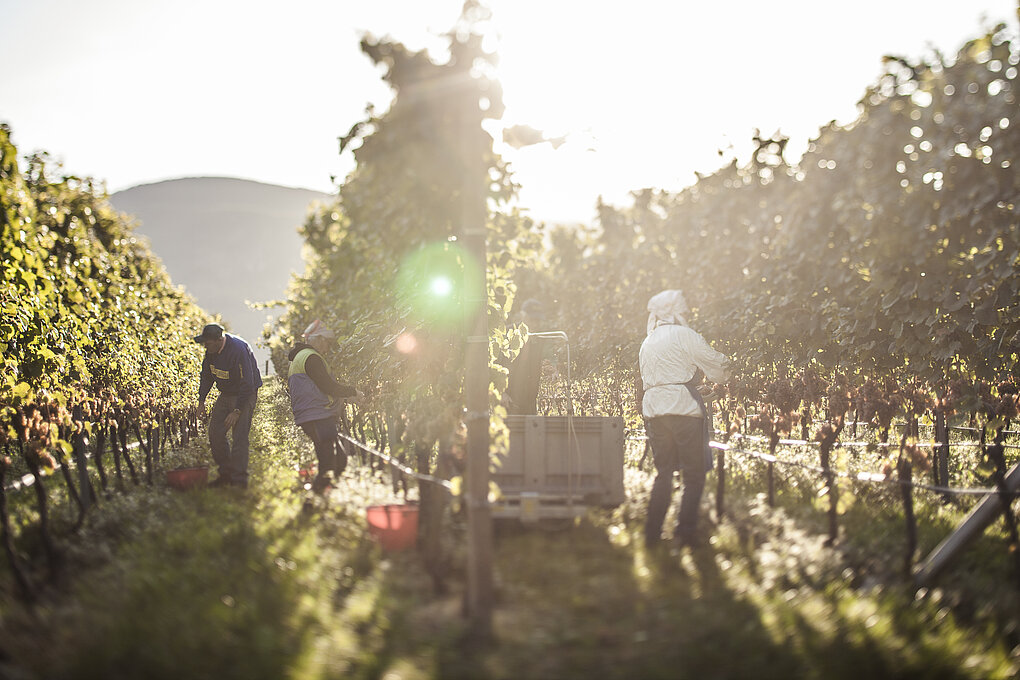
My socials fill up with harvest photos at this time of year. It’s joyful and a bit primal. Nature controls the parameters of how and when, no matter how hard we try to predict and plan. The act of picking grapes initiates an even more fundamental process. Fermentation is to wine what oxygen is to humans. It’s both essential and deadly at the same time. There is no wine without it, yet fermentation’s transformative effects can destroy as readily as they create. It’s a kind of magic. Smoke, Stinks and Magic It’s magic because you start with fresh fruit, then…...