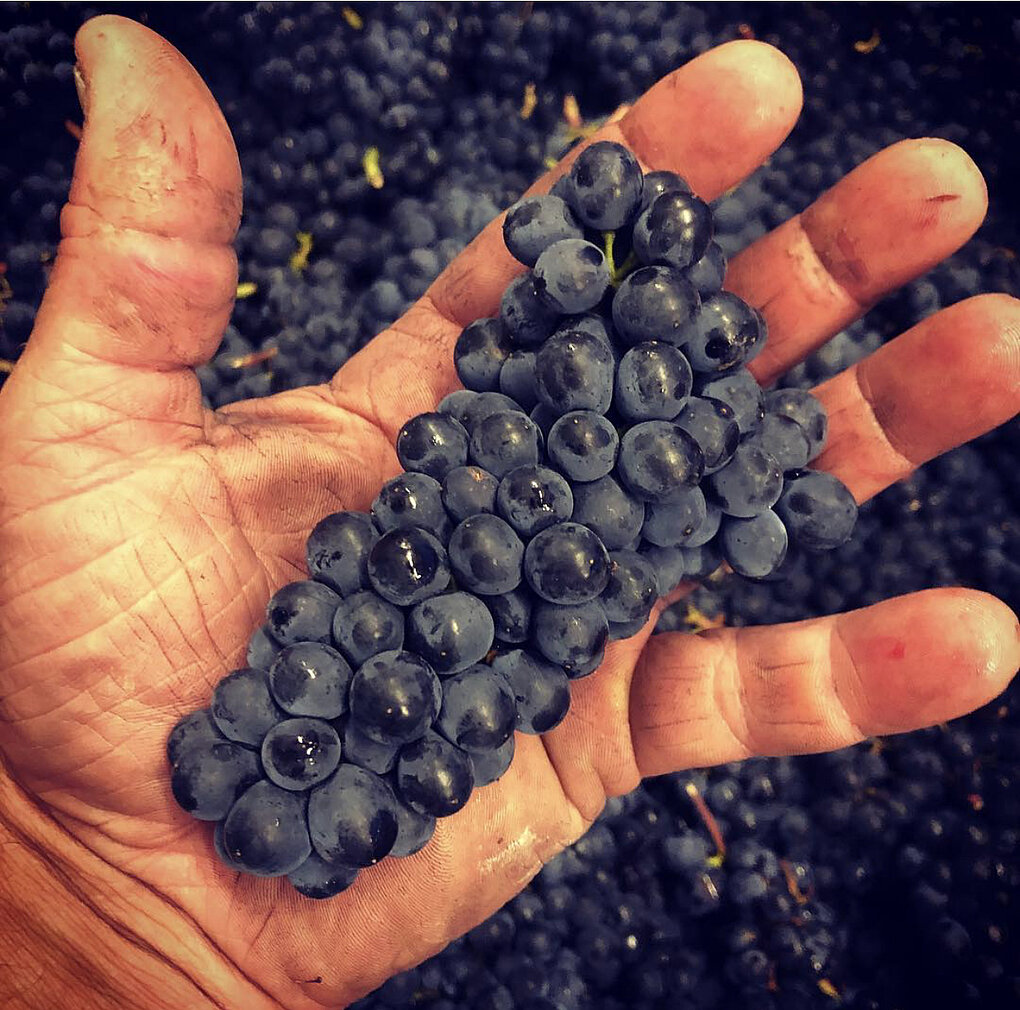
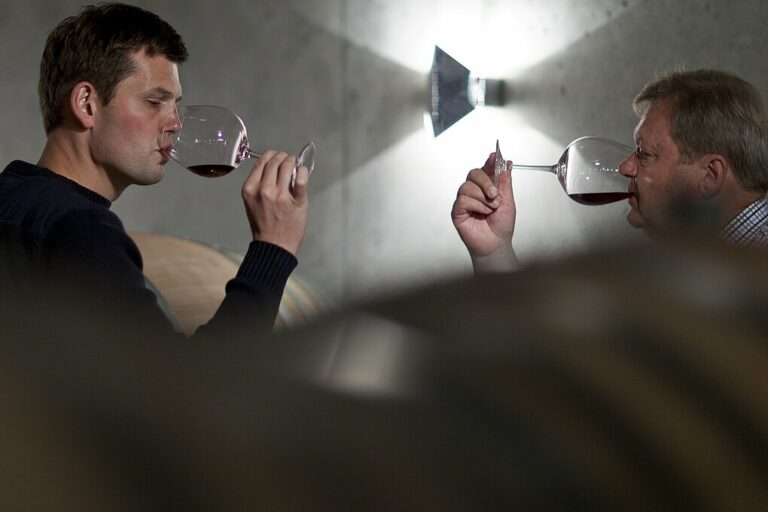
Pinot Noir from Switzerland? Gantenbein! Donatsch! Hardly another country exists whose reputation among international wine lovers for producing quality wines from this variety boils down to just two names. It’s high time that other Swiss producers get some of that spotlight – and there’s no reason why they shouldn’t come from the Canton of Zürich. Deutschschweiz, the sizable swath of eastern Switzerland that is German-speaking, is Pinot Noir land. Reportedly, the vine was introduced to Graubünden in 1631 by the Duke of Rohan, as a gift to local farmers, to win them over as mercenaries during the 30 Years War….
Frank Scherp was born and raised in the German-speaking part of the Swiss wine growing region Valais. Studies at the Zurich School for Translation and Interpretation led him to the opposite end of the country where he works today as translator in the life science business. He has no formal wine education whatsoever, but a healthy thirst and a keen curiosity about all things related to fermented grape juice. He lives near Zurich with his better half and two cats, but only one of them shares his love of wine.
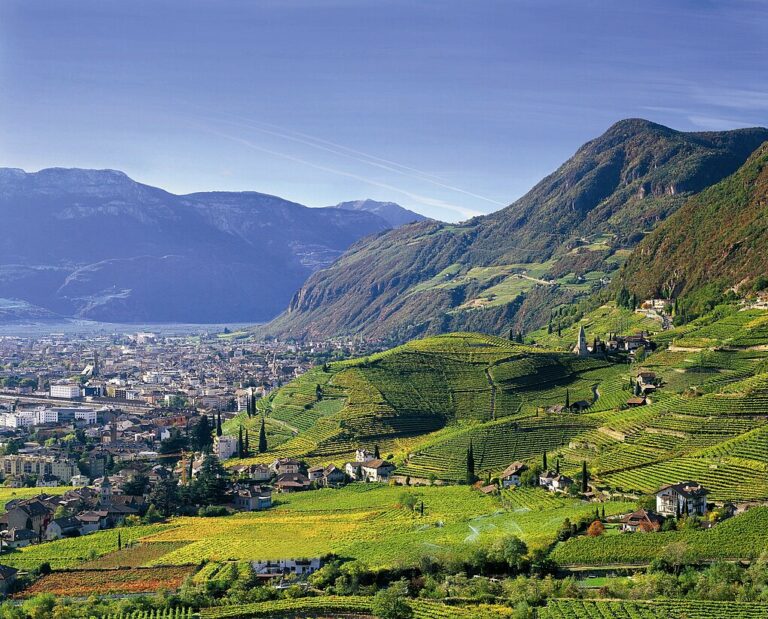
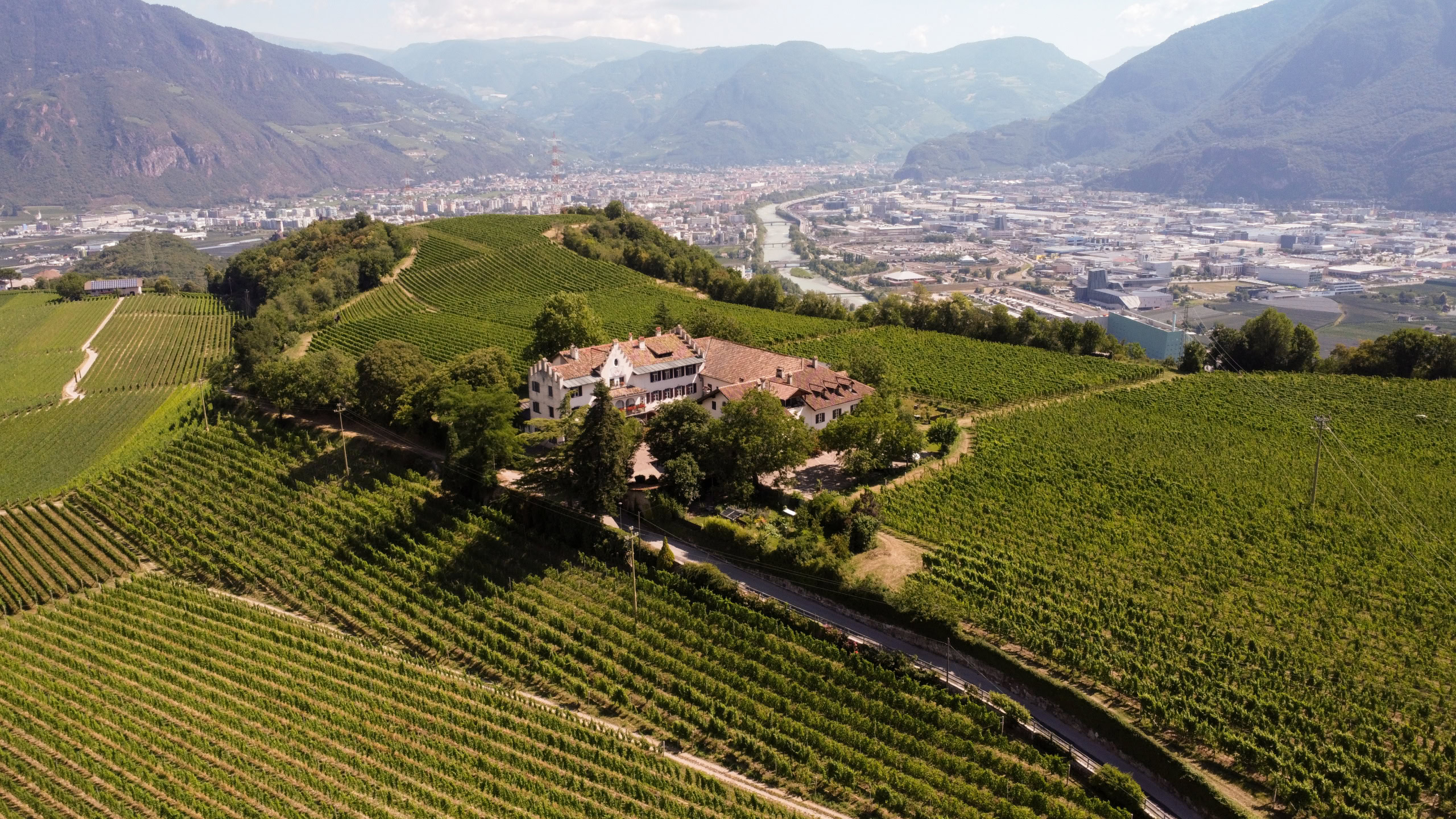
Trink Magazine | St. Magdalener represents perhaps the most powerful and structured of the many Vernatsch expressions in Alto Adige and constitutes an important part of the region’s identity. By Simon Staffler
I’ve read about as widely on Swiss wines as an Anglophone can: the relevant chapters of Jason Wilson’s delicious Godforsaken Grapes. The late Sue Style’s charming, informative Landscape of Swiss Wine. Ellen Wallace’s colorful Vineglorious. Dennis Lapuyade’s expert blog ArtisanSwiss. Stephan Reinhardt’s candid, convincing coverage in the Wine Advocate. But it is Dr. José Vouillamoz’s Swiss Grapes: History and Origin that has done the most to help me wrap my head around the marvelously confounding world of Swiss wines. The English edition, published in 2019 (two years after the original French), is a startlingly accessible and appealingly personal exploration of the trove…...
The Donatschs were never conformists. Starting in the 1970s, Thomas Donatsch of Graubünden turned the Swiss wine landscape on its head with his illegal Chardonnay plantings and barrique experiments. In 2019, his son Martin broke the price record for Swiss wine with his Réserve Privée. Yet it hasn’t always been easy. A conversation with Martin reveals a few of the reasons why Swiss wines remain an insider secret. When it comes to wine, what makes Switzerland so unique? Switzerland is an extremely multifaceted country. Two radically different regions can exist within mere kilometers of each other. Ticino for example embodies…...
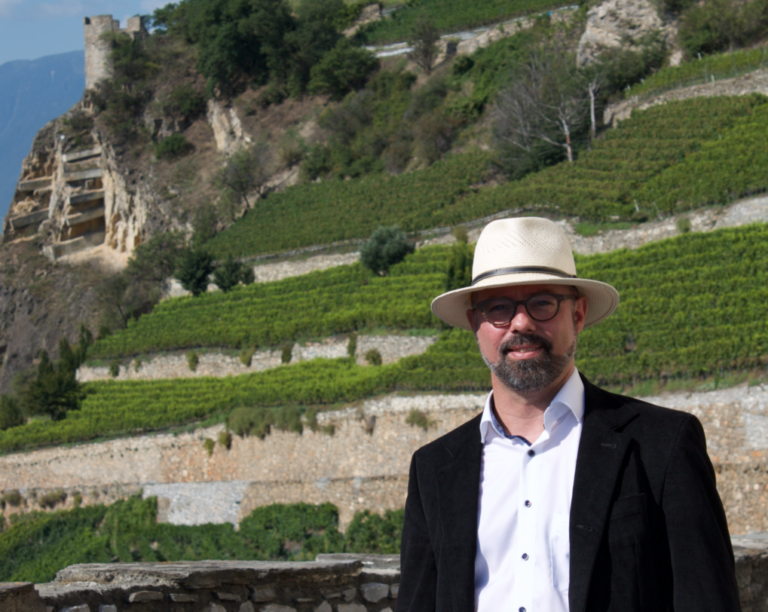
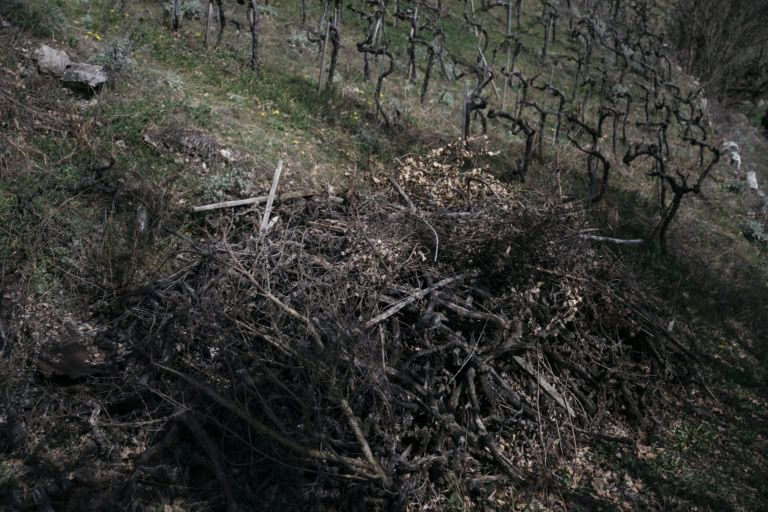
This article is adapted from Natural Trailblazers: 13 Ways to Climate-Friendly Wine, to be published on 21 October 2024 and currently available for pre-order. In the Swiss Alps, husband-and-wife Romaine and Hans-Peter Schmidt have created an island for humans and animals, insects and microbes to thrive in a sea of conventional vineyards. A combination of no-till, green manure, vitoforestry, and biochar makes their legendary winery Mythopia carbon neutral in the vineyard. I’m outside a bakery in Sion, with a view of the railway tracks and the snowy peaks on the horizon. It’s a surreal combination of nature and industry. A…...