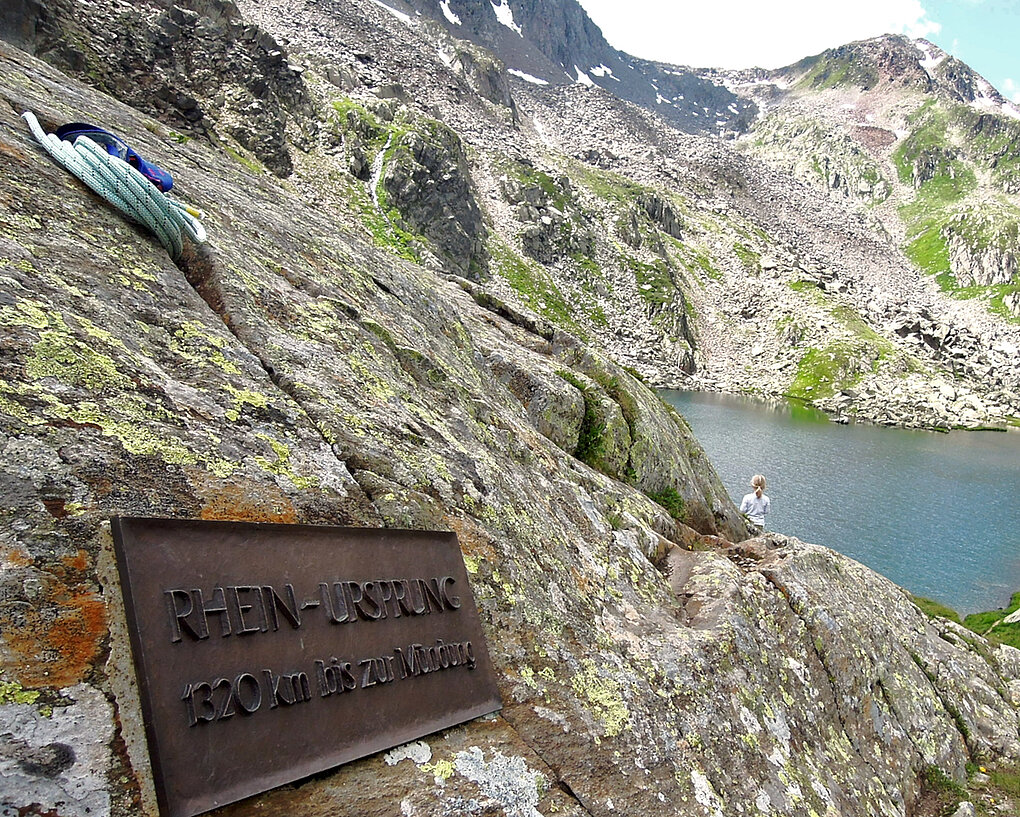
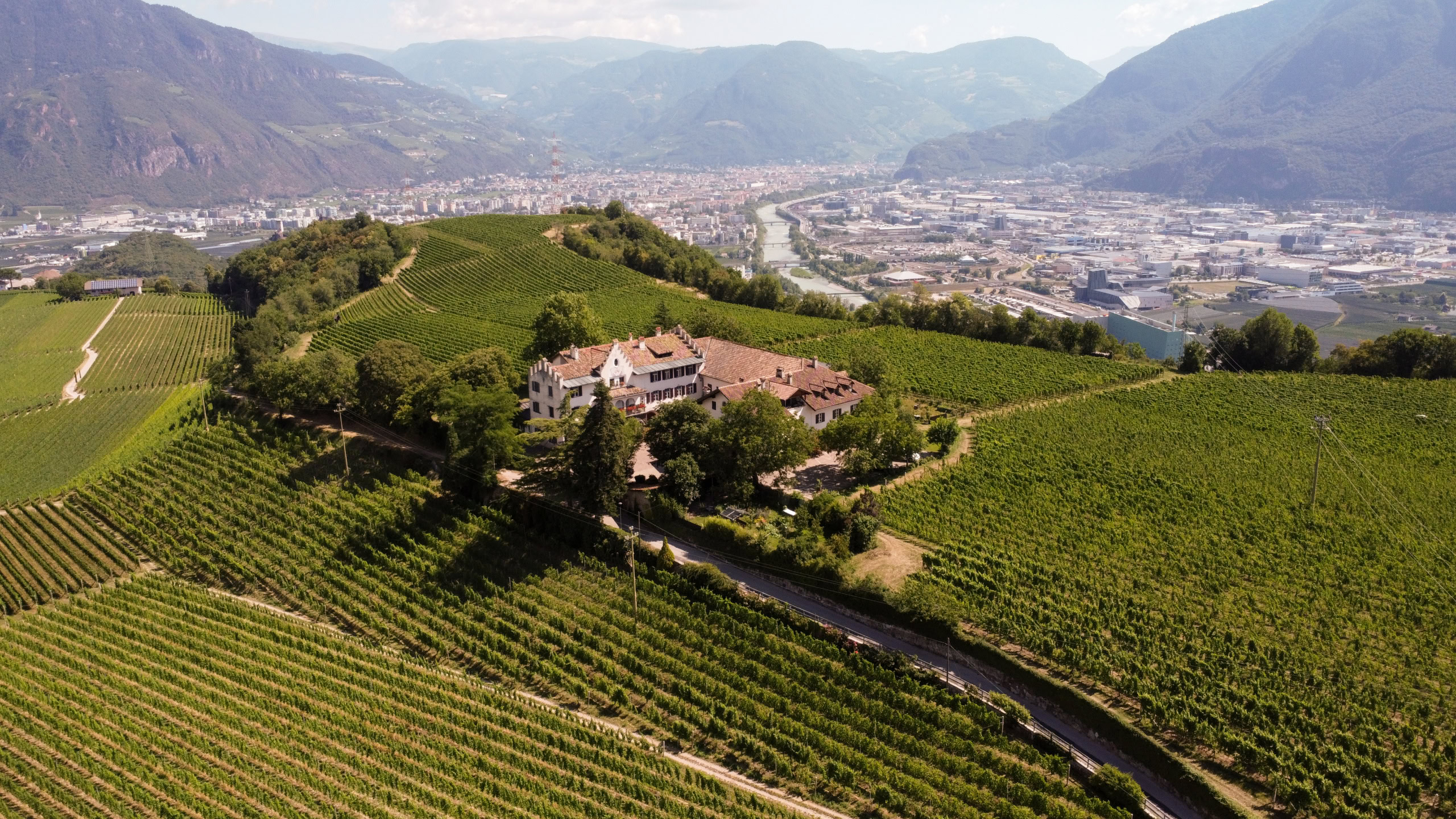
It would be easy to dismiss what happens in the tiny winegrowing country of Switzerland as an inconsequential alpine eddy, an iridescent surge in the great river of wine. After all, the nation boasts a mere 15,000 hectares of vines, ranking it only 132nd worldwide in terms of area. But do so at your own peril. After all, the Rhine itself begins in this country, high in the hills of Graubünden some 120 km due south of Switzerland’s capital city. In that spot, it is little more than a spring-fed stream off Lake Toma. “To me, the Rhine looks very…
Paula Redes Sidore moves smoothly between the worlds of wine and words. In 2012, she founded Weinstory, a creative content and translation agency dedicated to transposing the world of German-speaking wine into English. TRINK is the natural extension of that pursuit. She is the German and Austrian regional specialist for jancisrobinson.com and a member of the Circle of Wine Writers. Paula has a Masters degree in fiction writing, and her work has been featured in jr.com, Sevenfifty Daily, Feinschmecker, and Heated. She lives on the northern wall of wine growing with her family in Bonn, Germany.
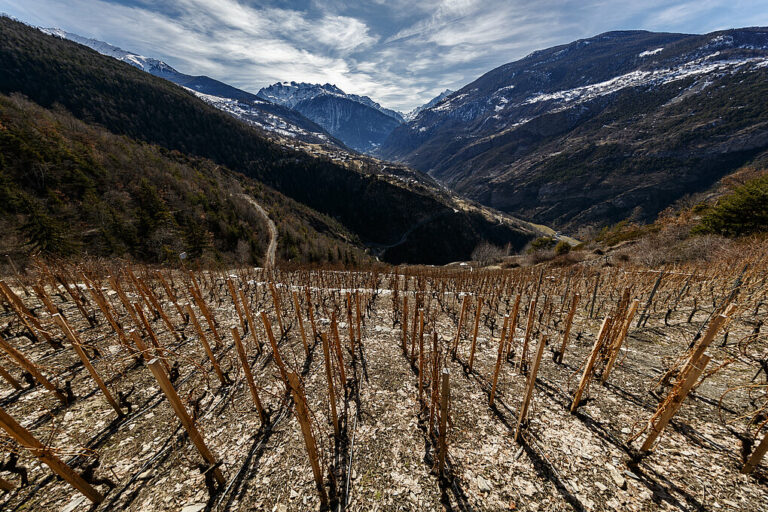
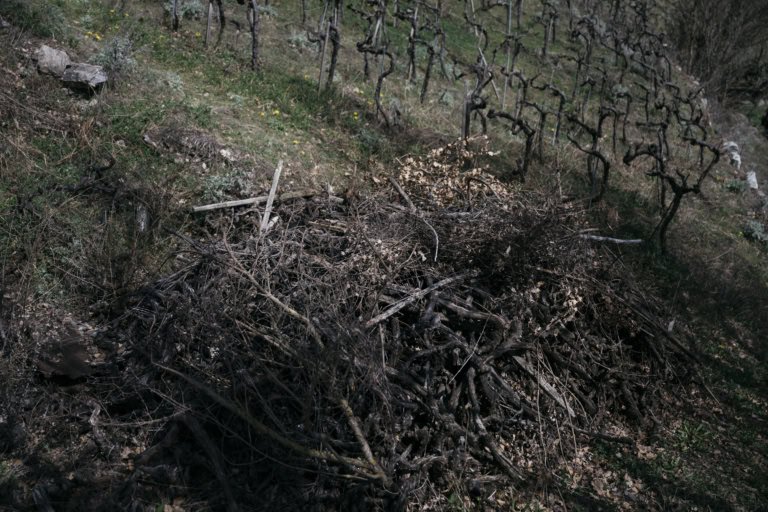
This article is adapted from Natural Trailblazers: 13 Ways to Climate-Friendly Wine, to be published on 21 October 2024 and currently available for pre-order. In the Swiss Alps, husband-and-wife Romaine and Hans-Peter Schmidt have created an island for humans and animals, insects and microbes to thrive in a sea of conventional vineyards. A combination of no-till, green manure, vitoforestry, and biochar makes their legendary winery Mythopia carbon neutral in the vineyard. I’m outside a bakery in Sion, with a view of the railway tracks and the snowy peaks on the horizon. It’s a surreal combination of nature and industry. A…...
Trink Magazine | Valerie Kathawala hazards forecasts for the future of wines from Alto Adige-Südtirol, Austria, Germany, and German-speaking Switzerland.
“The Foehn wind is a real affineur of grapes . . .” from the diary of Weingut Bründlmayer Evidence from wine regions everywhere suggests that if cool climate viticulture is to survive, then it must move north — or, in Switzerland’s case, up. Warming temperatures in formerly marginal regions such as Burgundy and Piedmont now require changes in viticulture and/or additions to the permitted roster of grapes just to keep up. Even with successful change, however, the freshness, delicacy, and intricate architecture we love in Pinot Noir and Nebbiolo may be harder to come by. By contrast, Switzerland and parts…...
Archetype, a Portland, Oregon-based import start-up, is focused on Alpine wines. They are refining consumer's understanding of the category and building community near and far.
With a third generation of fungus-resistant hybrid wine grapes in development, are we poised for a breakthrough in the spread of so-called PIWIs? Will the quest for an alternative to disease-prone Pinot Noir finally bear fruit? Swiss researchers, breeders, nurseries, and winemakers are at the forefront of this effort. For an increasing number of vintners, traditional grape growing with seven to 12 rounds of spraying annually has become unsustainable. For some, organic farmingisn’t the answer. Because organic agents work superficially and wash off with rain,they must be applied more frequently. This requires more labor and more passes through the vineyard,…...