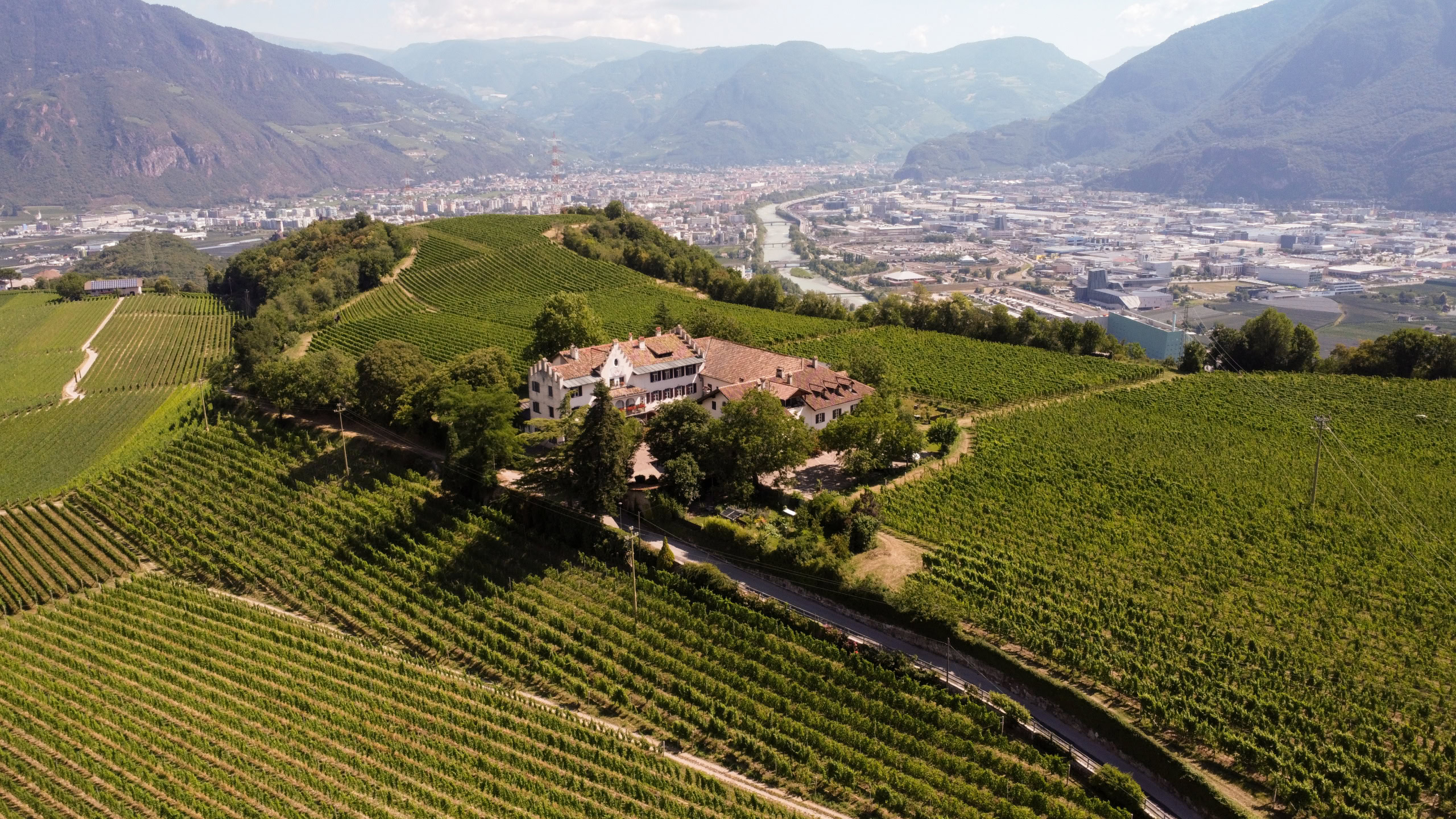
4 Faces of Alto Adige’s Iconic Vorberg
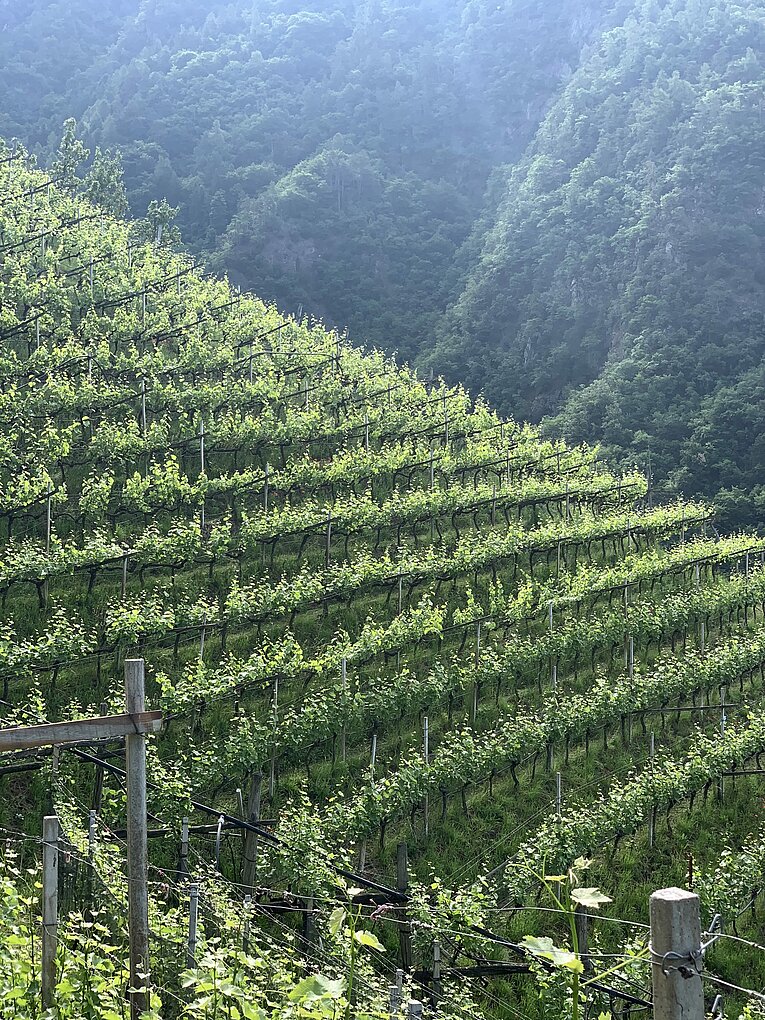
Photo courtesy of Cantina Terlano
Trink Magazine | A highflying adventure in 4 vintages of Cantina Terlano’s reknowned Vorberg wine. By Paula Redes Sidore

Trink Magazine | A highflying adventure in 4 vintages of Cantina Terlano’s reknowned Vorberg wine. By Paula Redes Sidore

Writer, Editor, Publisher
Paula Redes Sidore moves smoothly between the worlds of wine and words. In 2012, she founded Weinstory, a creative content and translation agency dedicated to transposing the world of German-speaking wine into English. TRINK is the natural extension of that pursuit. She is the German and Austrian regional specialist for jancisrobinson.com and a member of the Circle of Wine Writers. Paula has a Masters degree in fiction writing, and her work has been featured in jr.com, Sevenfifty Daily, Feinschmecker, and Heated. She lives on the northern wall of wine growing with her family in Bonn, Germany.
My first true Blaufränkisch moment came in 2013, at a now-shuttered restaurant in Hamburg. Thirty-six bottles from a swath of Austria’s appellations stood open for tasting, from classics like Prieler’s Goldberg 1995 to Marienthal from Ernst Triebaumer to Ried Point from Kolwentz. Those wines impressed me, as they had in the past, even as they failed to inspire me. This time, however, other wines had joined the lineup. The Spitzerberg of Muhr-van der Niepoort (today Weingut Dorli Muhr) , for example; the 2010 Reserve Pfarrgarten from Wachter-Wiesler; and the 2002 Lutzmannsburg Alte Reben from Moric. Suddenly, I was electrified. The wine in the glass was entirely unlike anything I…...
Pranzegg. In der Eben. Thomas Niedermayr. Garlider. Four names that will mean more or less to you depending on where and how you drink wine. Four small-scale organic and biodyanamic growers from four points on the compass of northern Italy’s Südtirol-Alto Adige (aka South Tyrol). Four individualists who, after years of being stuck in the corners at tastings and fairs — singled out as “crazies” for their cloudy cuvées, atypical varieties, and defiant styles — decided that being outsiders together would, at a minimum, be more fun. More off-piste than pissed-off, Freistil (“free style”) was born. South Tyrol’s trademark is mountainous diversity. A remarkable living…...
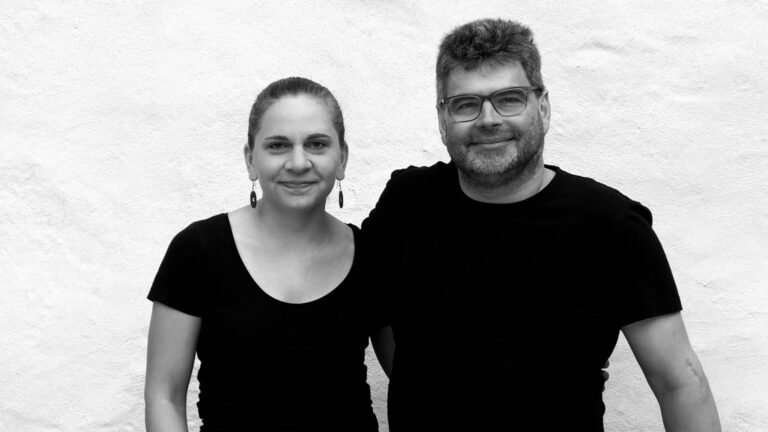
What do one of the Mosel’s oldest winemaking estates and a country with a fledgling wine-drinking culture have in common? The answer, as with most things in life, is Riesling. “German Riesling has become a synonym for white wine in Finland,”” says Heidi Mäkinen MW, Portfolio Manager for Viinitie Oy, one of that country’s largest importers of German wine. “Finns like the freshness and fruit, and Riesling is one of those wine words that’s incredibly easy to pronounce.” As Viinitie’s new portfolio manager, Mäkinen, for whom work and private life has little separation, has kicked off her holidays 2,000 kilometers south of her…...
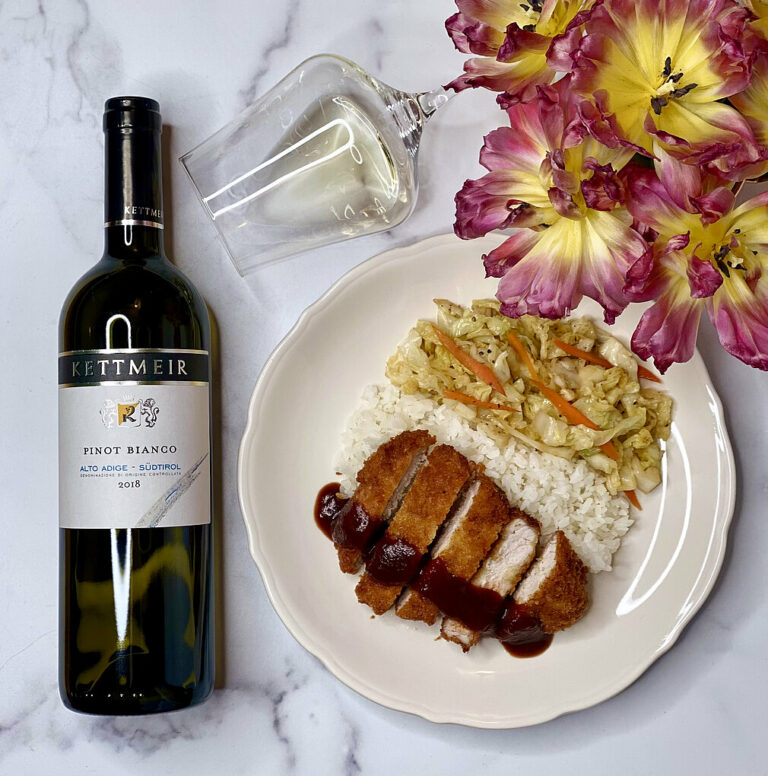
TRINK Magazine | Japanese Tonkatsu proves an ideal pairingwith 2018 Alto Adige's Kettmeir Pinot Bianco.

In the heart of Alto Adige-Südtirol, infinite green rows of vines crown the chestnut-brown roofs of Neustift Abbey. In this fairytale-like northern Italian valley, German and Italian coexist in mutual synchrony, a vivid reminder of a not-so-distant past when this was part of the Austrian Empire. The fortified ensemble houses a monastery, boarding school, museum, and winery within its Romanesque, Baroque, and Rococo walls. Wine has been made using grapes of the region here for the last nine centuries, all under the vigilance of Augustinian canons. Grüner Veltliner, Kerner, and Sylvaner reflect the terroir, proudly representing the abbey in local…...
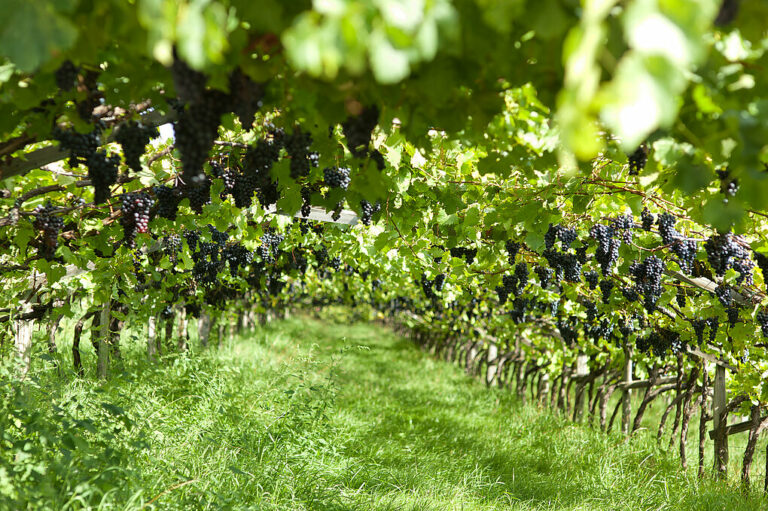
For centuries, the grape variety Vernatsch has been both flagship and albatross around the neck of Italy’s northern region of Alto Adige-Südtirol. In this final installment of his three-part series, Simon Staffler looks closely at DOC Alto Adige and posits the question: Why Vernatsch? “Vernatsch is unique in the world,” says Martin Pollinger, winemaker at Weingut Eichenstein. The estate is located 400 meters above the city of Meran, and Pollinger is part of a new generation of winegrowers and winemakers who are finding their way back to South Tyrol’s flagship variety. Surrounded by vines, Meran makes up the westward start of the…...
© 2026, TRINK Magazine. No portion of this article may be copied, shared or re-distributed without prior consent from TRINK.