March 25, 2024 Update: Schmetterling has closed. It’s owners hope to reopen in the future. Are there parallels between German and Austrian wines, small-scale farming, and the queer community? If so, the most essential may be a shared need for safe space. Schmetterling, a queer-forward natural wine and vinyl shop that opened this summer in rural Vermont, aims to offer just that. By prioritizing the needs of communities at — admittedly starkly unequal — risk, owners Danielle Pattavina and Erika Dunyak have created an unlikely outpost for low-intervention German, Austrian, and other Alpine wines. The shop is both an incubator…
Valerie Kathawala specializes in the wines of Germany and Austria. Her work appears in the pages of regularly in Noble Rot and SevenFifty Daily. She is the author of the "German Wine Scholar" (2025).
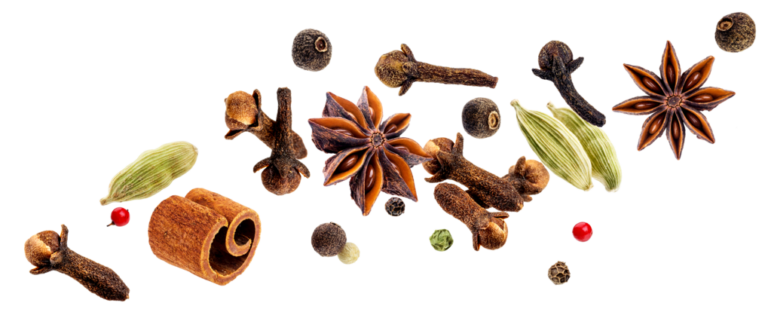
Picture yourself at a German holiday market (if such things were happening in 2020) — a mug of glühwein in hand and the scent of fresh pfeffernuss cookies in the air. It’s no surprise that these warm, spicy aromas are key attributes in many wines from Germany and Austria, South Tyrol, and the German-speaking parts of Switzerland. And there’s a hidden world of compounds and precursors to thank for this distinctive and alluring range. Much like a chef in the kitchen, growers can influence the aromatic and flavor complexity of their wines by playing with soil type, exposition, vine age,…...
What does one drink, when one doesn’t drink? Isabella Steiner opts for an oat milk latte. On the sun-kissed, hipster corner of Berlin known as Paul-Lincke-Ufer, a line for almond croissants forms from a crowd that looks more house party than home office. Steiner takes her spot, her poodle-mix by her side. Steiner and her business partner, Katja Kauf, manage Nüchtern Berlin, a platform for “Sober Culture — Made in Germany.” It appears to tap into something even deeper than the global wellness trend. “The selection of non-alcoholic alternatives [in Germany] rose sharply in 2020,” says 32-year-old Steiner. “This year they…...
On the dark morning of March 26, 1827, a heavy snowstorm was falling outside the fogged window panes of Ludwig van Beethoven’s Vienna apartment. Everything was unusually quiet in this space, so customarily filled with music. Beethoven’s house servant walked into the room to announce that a long-awaited shipment of Rheingau Rieslings, wines sent at his behest by his music publisher Schott, had just arrived. Barely able to muster the energy, the composer sat up in his bed, shook his fist in anger, and muttered these very last words: “Pity, pity, it’s too late…” He sank back into his bed,…...
Trink Magazine | Valerie Kathawala hazards forecasts for the future of wines from Alto Adige-Südtirol, Austria, Germany, and German-speaking Switzerland.
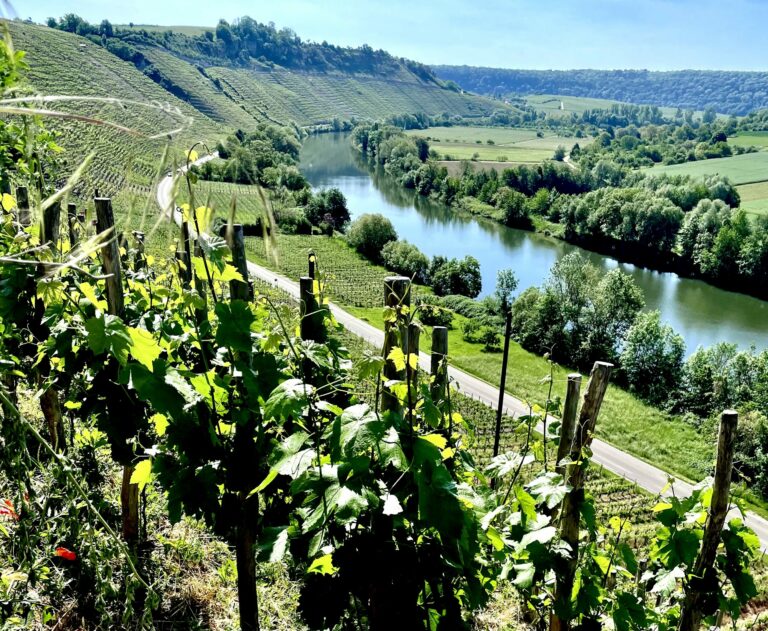
What do you do when you have world-class Riesling terroirs — including some of Germany’s highest, coolest vineyards, extraordinary old vines and massale selections, and a growing cadre of hyper-talented producers who bring imagination and dedication to it all — but the world still thinks of you as a place for, well, something else? This is the predicament of Württemberg’s growers. Over the past decade, they’ve made a strong argument that Riesling should be front and center when we consider the wines of this southwestern German region. Although not everyone believes a narrowed focus benefits Württemberg’s identity (the region’s top…...