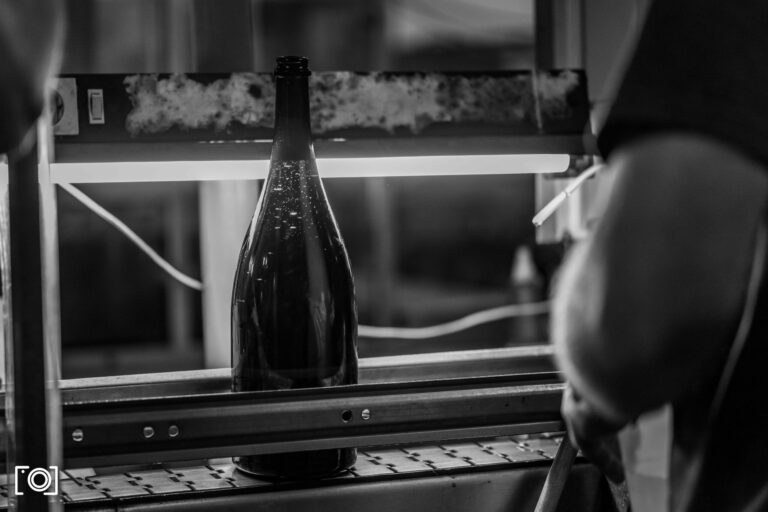
Austrian sparkling wines are filled with adventure, from serious Winzersekt (Austria’s answer to grower Champagne) to the refreshing fizz of pét-nat, a style the country was quick to embrace. The adoption of a three-tiered quality pyramid for Austrian sparkling wine in 2015 helped set the stage. The book 111 Austrian Wines You Must Not Miss includes nine sparkling wines that illustrate this effervescent trend. Three I’d like to spotlight here are the outstanding Winzersekte of Ebner-Ebenauer and Fred Loimer, which represent the absolute pinnacle of quality, as well as a pét-nat that was one of the first to make a splash…
Daniela Dejnega studied landscape design and discovered her love of wine while writing her thesis on "Erosion prevention in viticulture." Afterwards, she trained at the Weinakademie in Rust, Austria. She now lives in Vienna where she works as an editor at a viticultural trade magazine, writes regularly for Austrian wine publications, and is a frequent judge and taster at wine competitions.
For the longest time, Sekt was a dirty word. It stood for bottles of inexpensive, easy fizz with obnoxious plastic corks to be found on the street, next to the debris of spent fireworks, on New Year’s Day. Leftovers from high jinks and cheap thrills the night before. But that was then. Today, Sekt’s star is once again on the rise. We cannot even say that it is returning to its former glory because the story of German Sekt today is unprecedented and, quite literally, effervescent. It was the 20th century that destroyed with consummate efficiency what was once so promising, so frivolous,…...
Austria’s vineyard classification is nearing legal status. Can its grand-cru model withstand its critics — and travel beyond Austria? A conversation with ÖTW Managing Director Michael Tischler-Zimmermann.
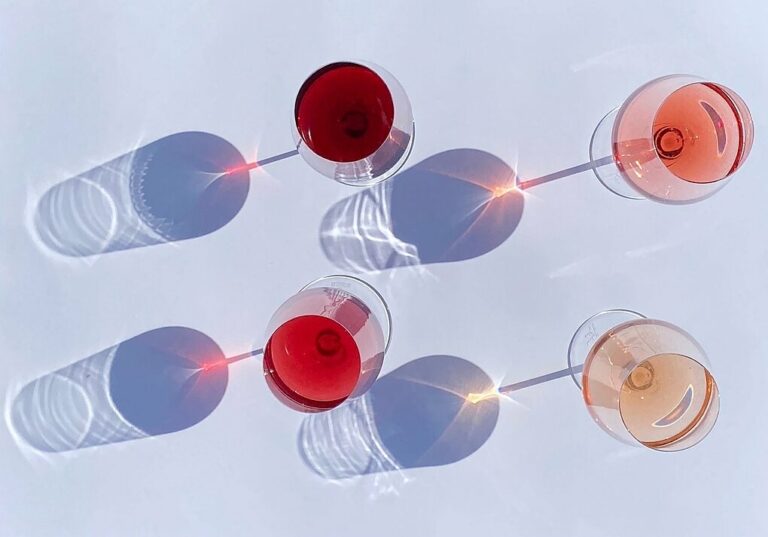
The sun blazes. The air shimmers. On the horizon four figures throw long shadows across the dry, crumbling ground. They are headed toward a city. Doors swing open. The four step from light into dark, their throats dusty and dry. Behind a deserted bar stands a man. He pushes four full glasses over to them. Out of the glasses sloshes a wine as red as the setting sun. If you aren’t thirsty by now, you should at least be hearing the melody of a harmonica. This is how the opening scene of a revival—the Rotling revival—could begin. The four men…...
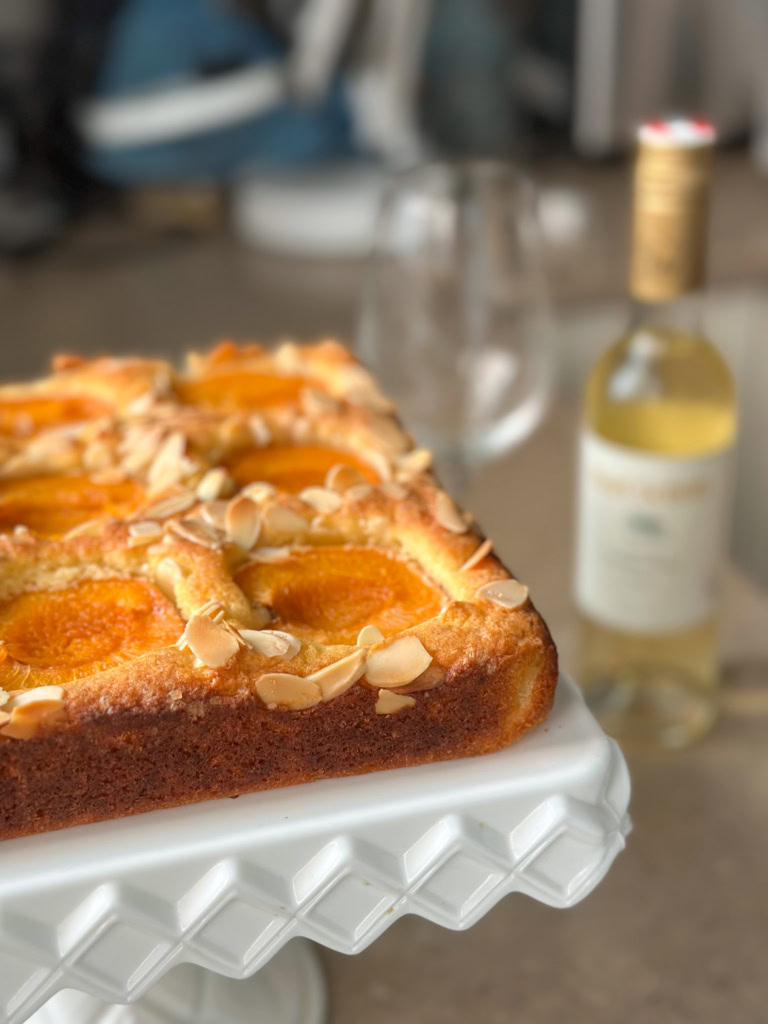
The Wachau stands tall as one of Austria’s most storied wine regions. Terraced vineyards of Grüner Veltliner, Riesling, and other varieties line the bend of the mighty Danube. But grapes aren’t the only iconic fruit here. As a nerdy baker and wine nerd, I am intrigued by why particular grape or fruit varieties thrive in specific areas and what makes that terroir so special. I swear by Montmorency tart cherries from Northern Michigan just as I revere Grüner Veltliner from the Wachau. When I discovered that the Wachau is also known as a source of my second-favorite fruit to bake…...
Trink Magazine | Austria's winegrowing region of Carnuntum has seemingly been there from the beginning with an identity forever in flux. Paula Redes Sidore explores how growers are redefining what regionality means, together.