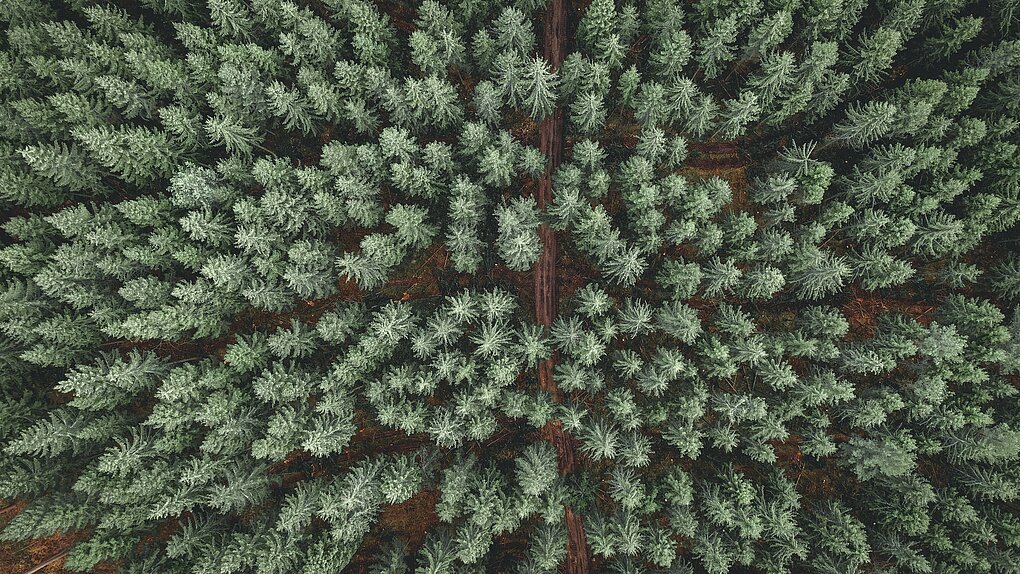
The scent of pine trees is a time machine, a brusque mix of barbed, balsamic beauty. I have a million pine memories. One good whiff and I’m transported home, sap streaking the inside of my scraped arms as I scale the tall white pine in our neighbor’s backyard, lunchbox dangling from the rear belt loop of my short pants. Lost in a cross-hatching of aromatic needles. I’m in the warming house of the town rink, my toes aching with cold. Silhouetted skaters float and spin on the bumpy ice outside. A pine fire acrid with resin heaves black smoke up…
Michael Pabich grew up among second-generation Germans and Poles in northern Wisconsin. Mike has a Masters in fiction writing, and a Masters in English education. He’s taught writing for almost thirty years, at college, in high school, and in Taiwanese bushiban. Over the course of his 30-year ramblings he's explored first beer and then spirits, discovering great cocktails in the supper clubs of northern Wisconsin; in Taipei, Hong Kong, London, Berlin, Paris, and most of America's large cities. Mike currently resides near Washington DC, with a brilliant partner named Beth, two thoughtful and generous sons, and two frankly sub-par cats.
It takes little to be happy. And he who is happy is king.” This 19th-century German song – with just two lines – expresses how good a simple life, with little, can be. Just how little is something each of us has experienced, almost daily, this year. Finding the joy in this can be difficult, and regrettably few have managed to perceive the freedom in “less.” Two people who did so long ago are Heike und Gernot Heinrich of Weingut Heinrich in Austria’s Burgenland. I visited them in early September, during Europe’s pandemic lull. The timing couldn’t have been better…....
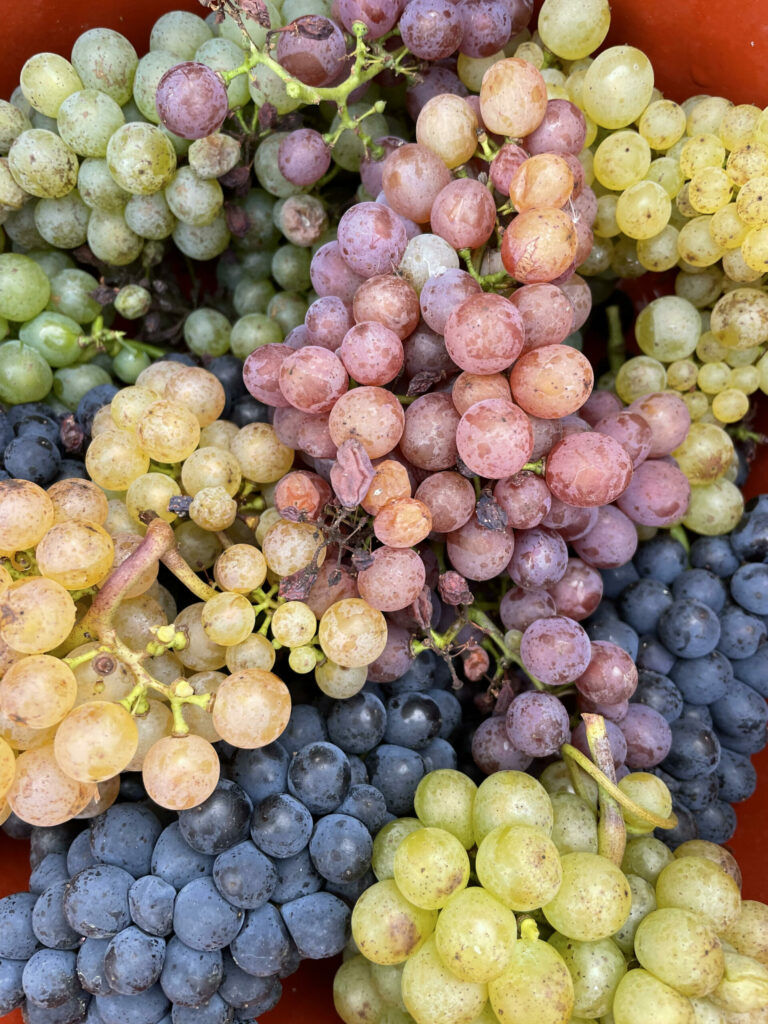
The year is 1806. The date June 17th. Privy Councilor Goethe sits in Frankfurt — high and dry. He reaches for his quill and writes a letter to a friend: “Send me some Würzburger wine, for no other wine satisfies, and I am morose without my accustomed favorite drink.” While the line may not be poetic, the composition Johann Wolfgang von Goethe thirsted for is. The wine in question was, quite possibly, “Frentsch” (local dialect for Altfränkischer Satz or Old Franconian Mixed Set): a field blend of some 20 grape varieties, all planted, harvested, and fermented together. What once gave growers a bit of…...
In Vulkanland Steiermark — “volcanic Styria” — the name says it all. Some 1,500 hectares of vineyard are, for the most part, sited on the slopes of extinguished volcanic cones that rise from a gently hilly landscape. Here Pannonian warmth from the east meets the Illyric balminess of the Adriatic. Among the best-known growers in Vulkanland are Weingut Neumeister, Winkler-Hermaden, and Ploder-Rosenberg. As throughout Styria, white varieties are most strongly represented, with Welschriesling and Weißburgunder (aka Pinot Blanc) statistically far in the lead, followed by Sauvignon Blanc, Müller-Thurgau, and Chardonnay; Zweigelt yields respectable red wines here as well. Traminer from…...
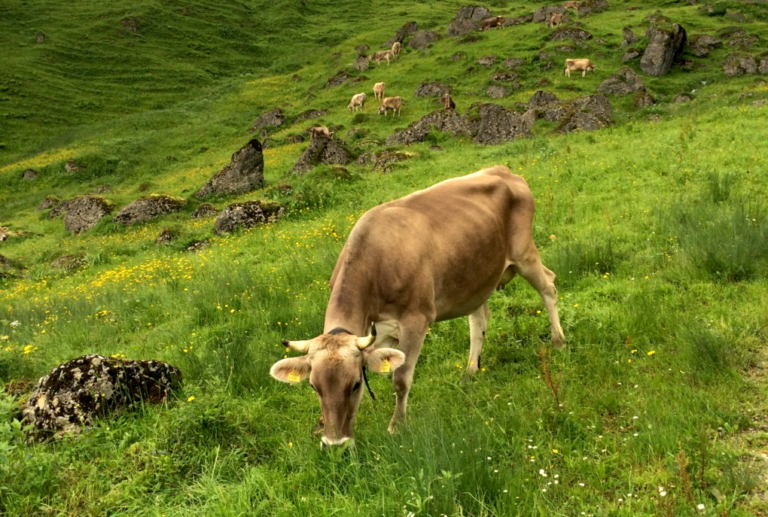
12/14/2020 Eat & TRINK | Alpkäse and Kamptal Riesling By Ursula Heinzelmann The entirely spontaneous, yet infinitely harmonious tinkling of cow bells. The crunching of my boots along a narrow mountain path. The joyous gurgling of a stream winding its way down among rocks, moss, and roots. This is one of my favorite cheese soundtracks. The accompanying “smelltrack” is of warm stables in the haze of first light and earthy, pungent bodies, redolent of the basic facts of life. Wood smoke rising from under a round copper vat. And of course the reassuring, lactic aroma of warm milk and whey,…...
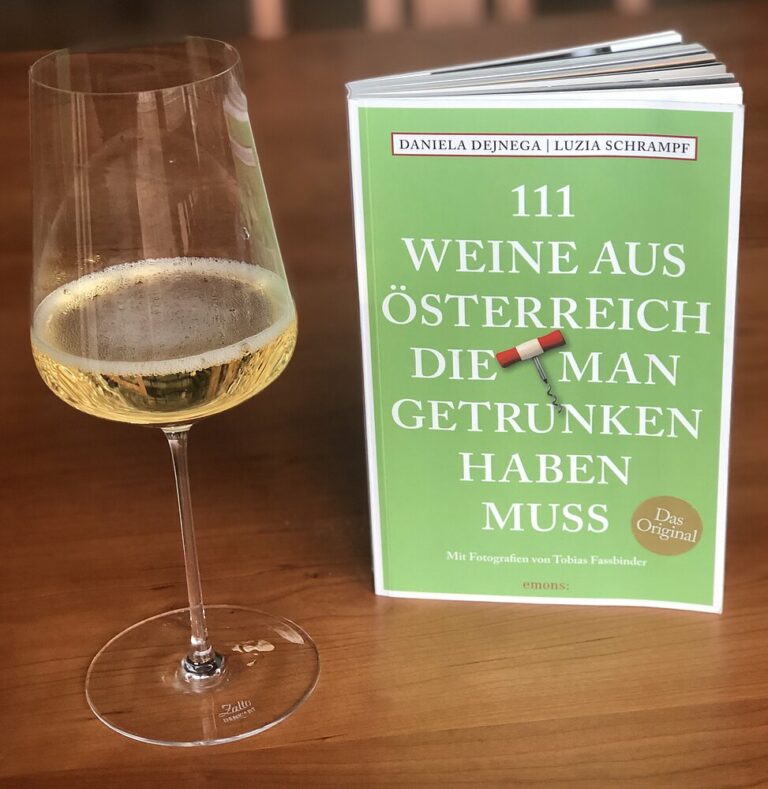
In 2013, I moved to Austria and spent most of a year living in the small town of Eisenstadt. There were several cultural difficulties to surmount, not least the language. Despite my decent grasp of German, I found the Austrian dialect all but impenetrable for the first few months. And then there were the drinking customs. Because Austria had forged an impressive international reputation for elegant, high-quality wines, I expected to spend my time savoring delicious Blaufränkisch, or getting to know the top single-vineyard sites of the Wachau. But everywhere I went people just drank a mix of cheap white…...