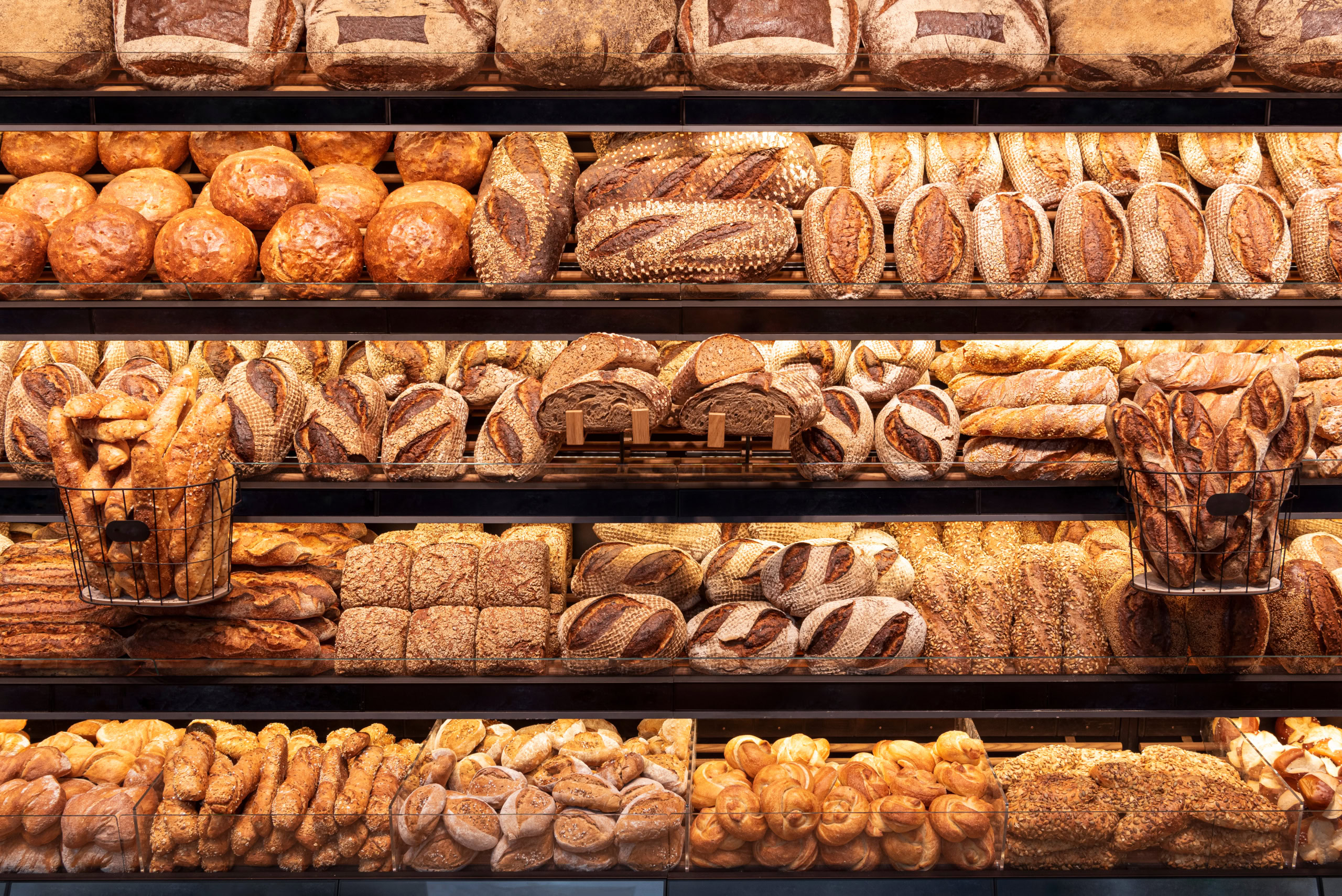
The head-spinning array of Brot in a German bakery, photo credit: Shutterstock
On a chilly April morning, I sat in the tasting room of an renowned old Alsatian winery, under the spell of an enchanting rose-and-peach-inflected, off-dry Gewurztraminer from vines right outside the winery’s door. I chatted with the person pouring the wine. They asked what brought me to Alsace. I answered that I had just studied German bread baking at the Akademie Deutsches Bäckerhandwerk. “I’ve never thought about German bread before,” they responded. We were less than 30 kilometers from the German border, in a town with a German name, at a winery with a German name. But they’d never even…
Martin Sorge is a food writer, recipe developer, and home baker based in Chicago. Martin was named the winner of the most recent season of the Great American Baking Show. He also spent many years working in the wine industry in Chicago and Indiana. You can follow Martin on Instagram and subscribe to his newsletter, Great Bakes.
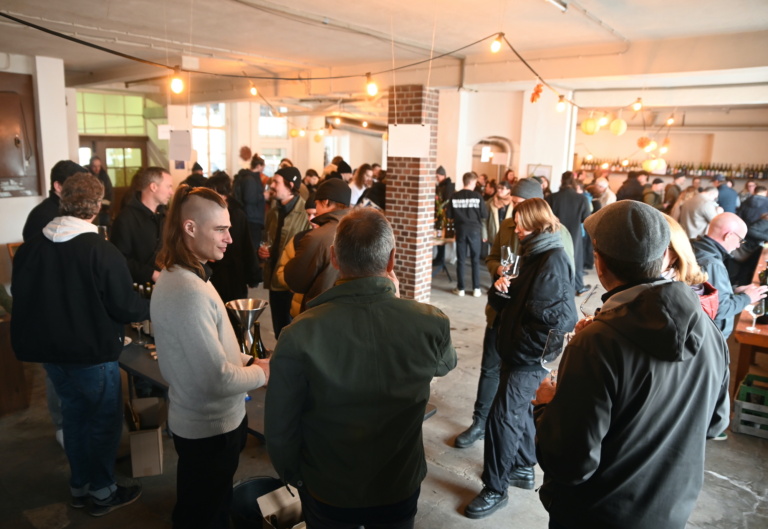
Kitzingen has never been particularly famed as a mecca for winemaking in Franken. So when I received an invitation to visit this town, 20 km southeast of Würzburg, for a wine presentation by the New Kitz & Friends, I had little reason to suspect it would mutate into a natural wine hub. At this point, New Kitz & Friends are hardly unknowns – certainly not in this magazine. Colleague Rainer Schäfer recently profiled this group of unconventional locals and newcomers, all moving in a cosmic orbit around the pioneering natural wine estate 2Naturkinder. For this event, the New Kitz called…...
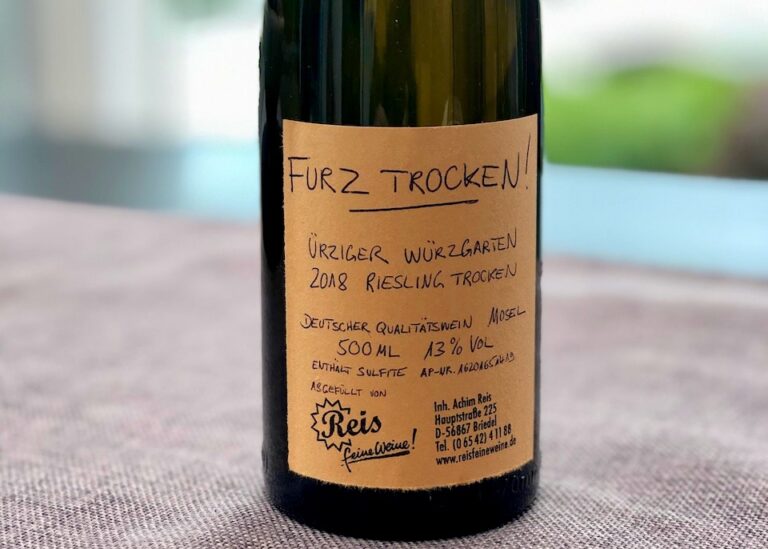
The dark wit of Berlin. Dangerously low water levels in the Rhine River. Black bread. Germany does trocken like few others. And then there’s the wine. Despite its reputation as the land of Blue Nun, more than 60 percent of the wines made in Germany are dry. And within that 60 percent, there are discernible levels of dry, drier, and driest. So dry, in fact, that there’s a strangely specific word for it. (Of course there’s a word. It’s Germany. There’s always a word.) Furztrocken. Fart Dry. Literally. As difficult to grasp as I find a term like feinherb, it’s Kinderspiel when compared to furztrocken. Then again, mindset…...
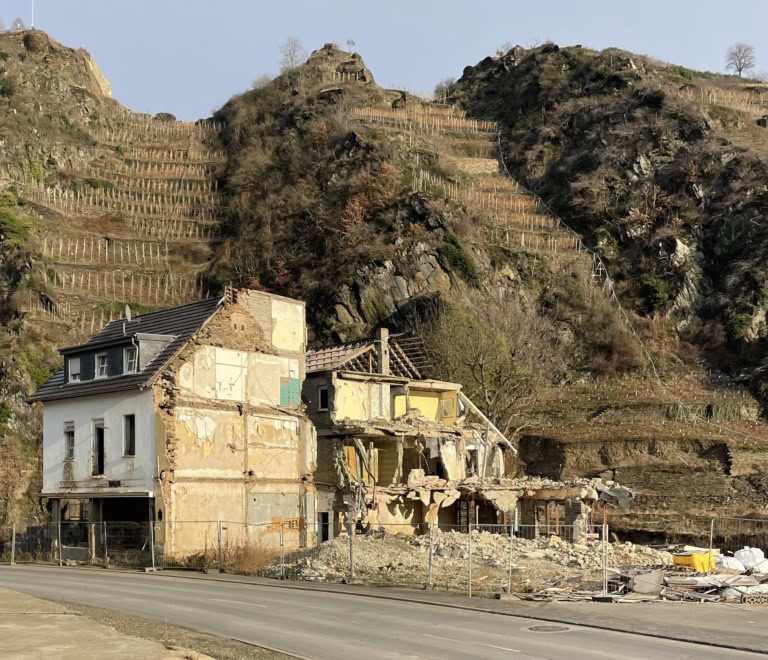
From last Wednesday night into Thursday morning, 148 liters/square meter of rain fell on the Ahr. In a normal July, the region gets about 80 liters/square meter — in the entire month. This immense volume of precipitation in such a short span dilated creeks into torrents. Torrents rose and swiftly emptied into the Ahr itself, which morphed into an implacable, surging mass of water. As we’ve now all seen on the news, the river ripped through the villages that line its banks — Ahrweiler, Dernau, Mayschoss will be names familiar to German wine lovers — shocking everyone from the authorities charged…...
“Die Luft war raus.” The spark had vanished; the bloom was off the rose. That was the phrase circulating in the weeks before ProWein opened, in emails, on the phone, in the particular silence that greets an appointment calendar nobody has the energy to open. Executing pre-fair rituals felt like a chore. My cowboy boots weighed heavy; my playlists, uninspired. And I wasn’t alone. Wine Paris closed its seventh edition in February with 63,541 trade visitors from 169 countries, up 21 percent in a single year. My social media feed was full of smiling faces and hand-lettered “Bonjour! Bienvenue!” signs,…...
“Free your mind and the rest will follow.” Coming from one of the co-owners of Germany’s oldest wine trading houses, one might suspect a quote from Goethe, Schiller, or Nietzsche. It’s actually the American R&B/pop group, En Vogue. And that makes for a jarring, if fitting, introduction to my conversation with these stewards of tradition in German wine that look back to 1786 in Worms as easily as they look ahead to 2019 Organic Madonna. P.J. Valckenberg has the history and the pedigree, no question. Its customers have included the Swedish royal family and Charles Dickens. In addition to a truly impressive portfolio…...