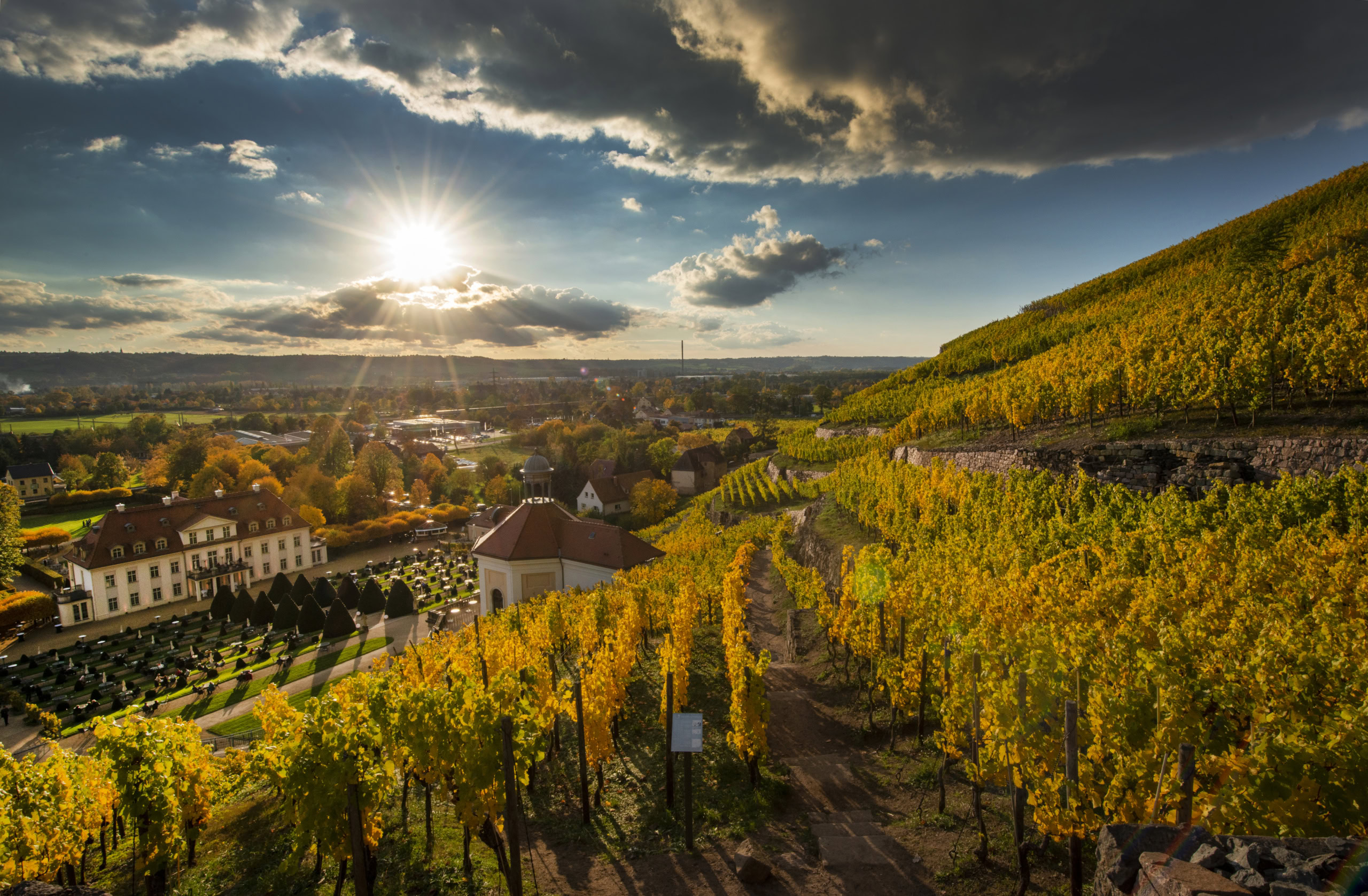
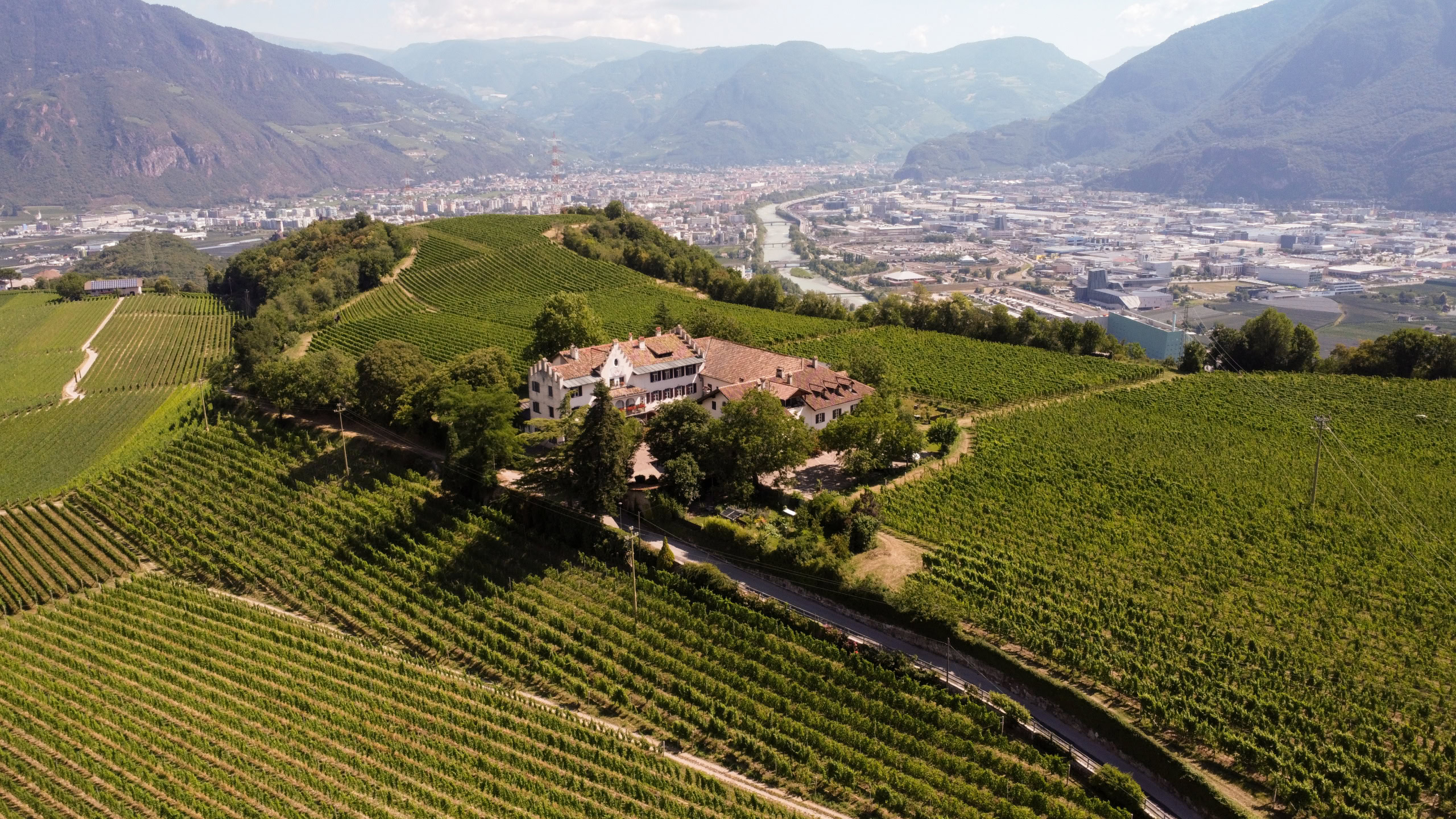
Sachsen's Schloss Wackerbarth, photo credit: Norbert Millauer
André Gussek remembers very clearly how it all got started: Right around the time he was hired as cellar master at the historic eastern German Kloster Pforta winery in 1982, “the first Spätburgunder vines, West German clones obtained via foreign trade,” arrived at the estate in Naumburg an der Saale, roughly 60 kilometers from Leipzig and some 220 kilometers from Berlin. “In the fog of history, it was difficult to see precisely where they came from,” Gussek explains with characteristic calm. Much clearer is what they became: a catalyst for red wine to assume “an ever-larger role” in the former…
Rainer Schäfer writes about what he values most: wine, food, and soccer. The first wine that impressed him as a teenager was a Silvaner from Endingen, grown in the vineyard of his Kaiserstühl relatives. He's lived in Hamburg for 30 years and travels the wine regions of the world, always curious about dazzling personalities, surprising experiences, and unknown pleasures.
Silvaner. It’s complicated. Ask about its nature or character, and like as not you’ll get one answer: asparagus. With delicate vegetal aromas and moderate acidity, Silvaner is indeed a near perfect pairing for the fabled stalk that emerges from the earth to fill German grocery stores and market stalls annually between April and June. Yet, stop for a minute and imagine: what if there were more? Silvaner is viewed as a national counterpoint to Burgundian Chardonnay or Saumur Chenin Blanc. For many years Silvaner was Germany’s most important grape variety, less inclined toward fruity fun and more toward structure, texture, spice, and earth. De facto it…...
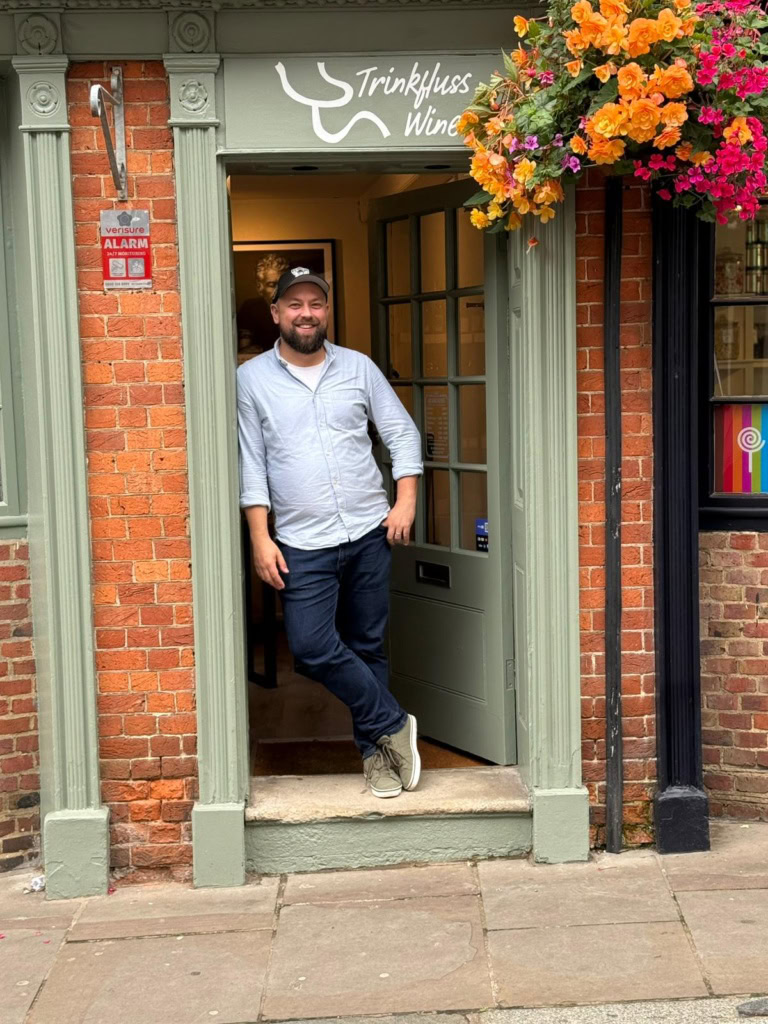
“Where are all the dynamic, characterful wines from Germany?” Bastian Fischer asked in exasperation after 16 years in the UK wine trade. This year he answered that question himself by opening his own shop. Trinkfluss Wines, just outside London, focuses “on some of the most electric, food-friendly, and downright delicious wines anywhere,” in Fischer’s view. His new venture, baptized with the German word for drinkability, quenches the thirst for Germany’s full gamut of varieties. But one swallow doesn’t make a summer. The somms and wine aficionados who shop at specialist wine stores like Fischer’s may have embraced German wines, but…...
Jonas Dostert is relaxing in the inner courtyard of his family’s Southern Mosel estate in Nittel. The sun is shining, the grapes were harvested in late October. Dostert is one of the growers of note at the southern end of the Mosel, a stretch long known as Obermosel. It’s a name many young growers in particular have rejected, as part of an effort to separate themselves from the region’s poor image in the past. “Obermosel” conjures images of accommodating, appeasing wines, the very definition of compromise. Dostert has quite a different understanding of winegrowing: “What I do is different from what’s…...
March 25, 2024 Update: Schmetterling has closed. It’s owners hope to reopen in the future. Are there parallels between German and Austrian wines, small-scale farming, and the queer community? If so, the most essential may be a shared need for safe space. Schmetterling, a queer-forward natural wine and vinyl shop that opened this summer in rural Vermont, aims to offer just that. By prioritizing the needs of communities at — admittedly starkly unequal — risk, owners Danielle Pattavina and Erika Dunyak have created an unlikely outpost for low-intervention German, Austrian, and other Alpine wines. The shop is both an incubator…...