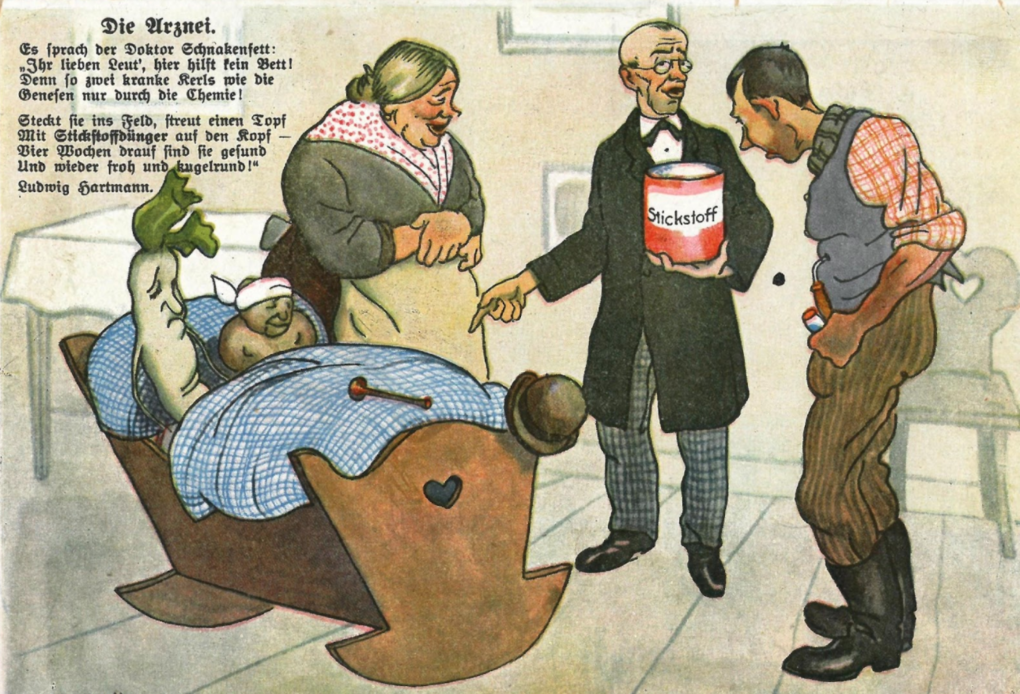
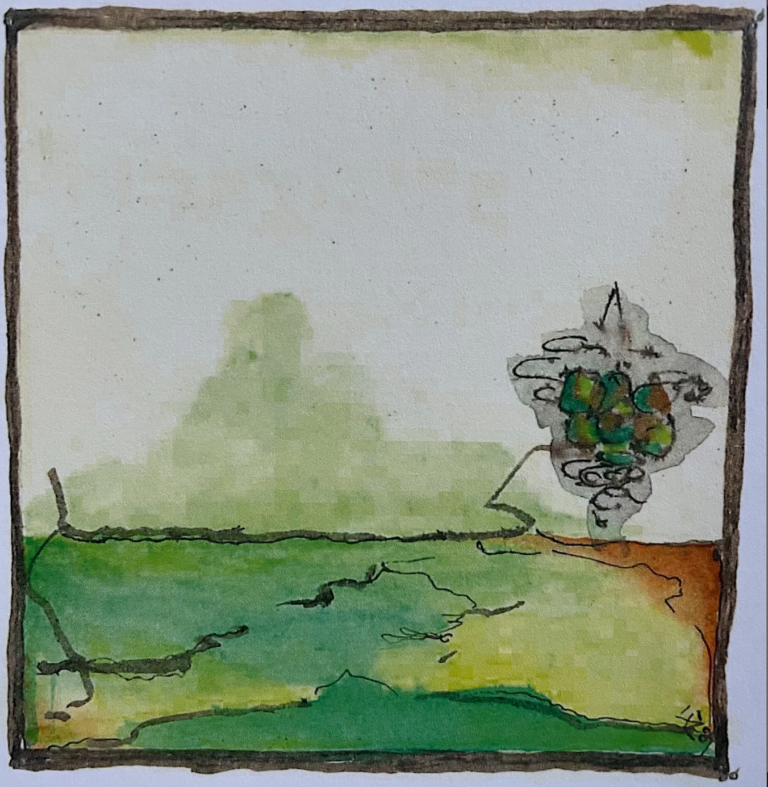
Above, a postcard from the German fertilizer industry of the 1920s. At the time, perspectives on soil were changing: Until then, people had spoken of plant growth as being affected by forces; afterward, it was substances. Deficiencies could simply be addressed with the help of agrochemistry. As recently as a decade ago, biodynamic viticulture could be shrugged off as “some dogma about phases of the moon and cow horns.” But now that we find a who’s who of the wine world on the member lists of relevant biodynamic organizations, it’s no longer so easy to cancel adherents to this form of farming. Those…
Romana Echensperger has worked in Germany’s top restaurants, including as head sommelier alongside chef Joachim Wissler at Restaurant Vendôme, a Michelin three-star establishment outside Köln. In 2015 she became a Master of Wine. Today, she works independently and is much in demand as a wine journalist, educator, and consultant. She has also been intensively involved in the topic of biodynamic viticulture. She is the author of “Von der Freiheit den Richtigen Wein zu Machen: Biodynamisches Winzerhandwerk im Portrait.”
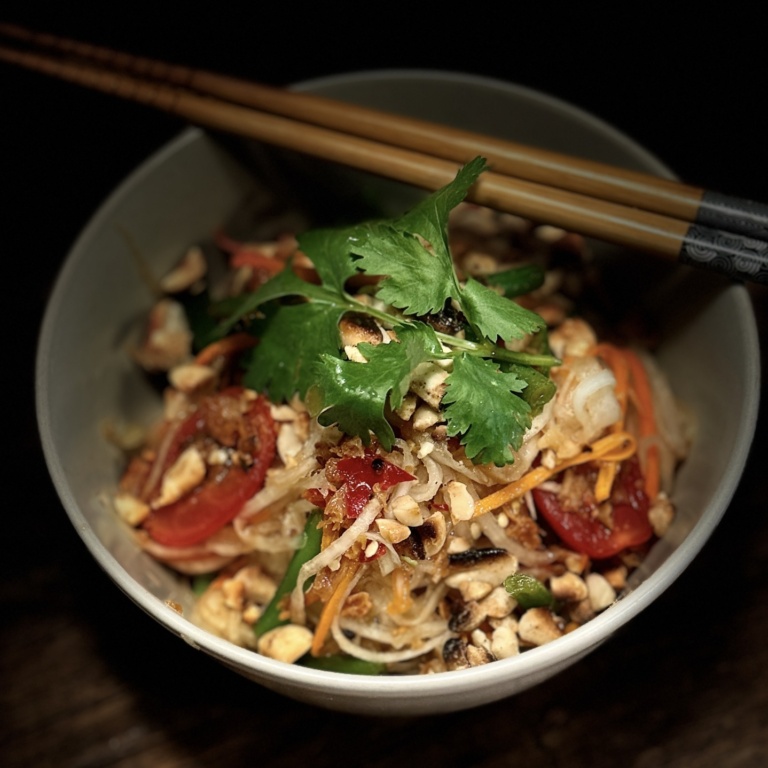
Just in time for the tropical temperatures of summer 2026, I made myself Som Tam Thai (ส้มตำ), a Thai papaya salad. At 30°C (86°F) or above, few of us have much of an appetite. But you have to eat something eventually. With no green papaya on hand, kohlrabi cut a surprisingly good figure. And the bold, intensely seasoned dressing did the rest. So, what to drink with it? They recommend you should consume an extra two liters of fluid at these temperatures, and who am I to argue? Off to the wine cellar to find a good bottle. Oddly, the…...
It takes little to be happy. And he who is happy is king.” This 19th-century German song – with just two lines – expresses how good a simple life, with little, can be. Just how little is something each of us has experienced, almost daily, this year. Finding the joy in this can be difficult, and regrettably few have managed to perceive the freedom in “less.” Two people who did so long ago are Heike und Gernot Heinrich of Weingut Heinrich in Austria’s Burgenland. I visited them in early September, during Europe’s pandemic lull. The timing couldn’t have been better…....
By Rudolf Trossen The sun recedes, the summer wanes,the ripe grapes long since gifted.A chill arrives under the guise of evening wind,Long shadows stretch heavy like leadacross golden vineyards’ last light. Alone on the slope,I watch in silence. But in old caskschurns young wine,roaring with the summer’s solar might,lust and longing into the night,cheering, laughing, singing bright. I bow beforethe deity’s vigor. November 1994 From the collection Was die Reben Sagen Translated September 2021...
Words are like viruses. They appear in culture and may lie dormant then suddenly they are everywhere, swirling about, adapting to their hosts, mutating to survive. In the wine world, this process can happen fast. "Purity," it turns out, is anything but pure.