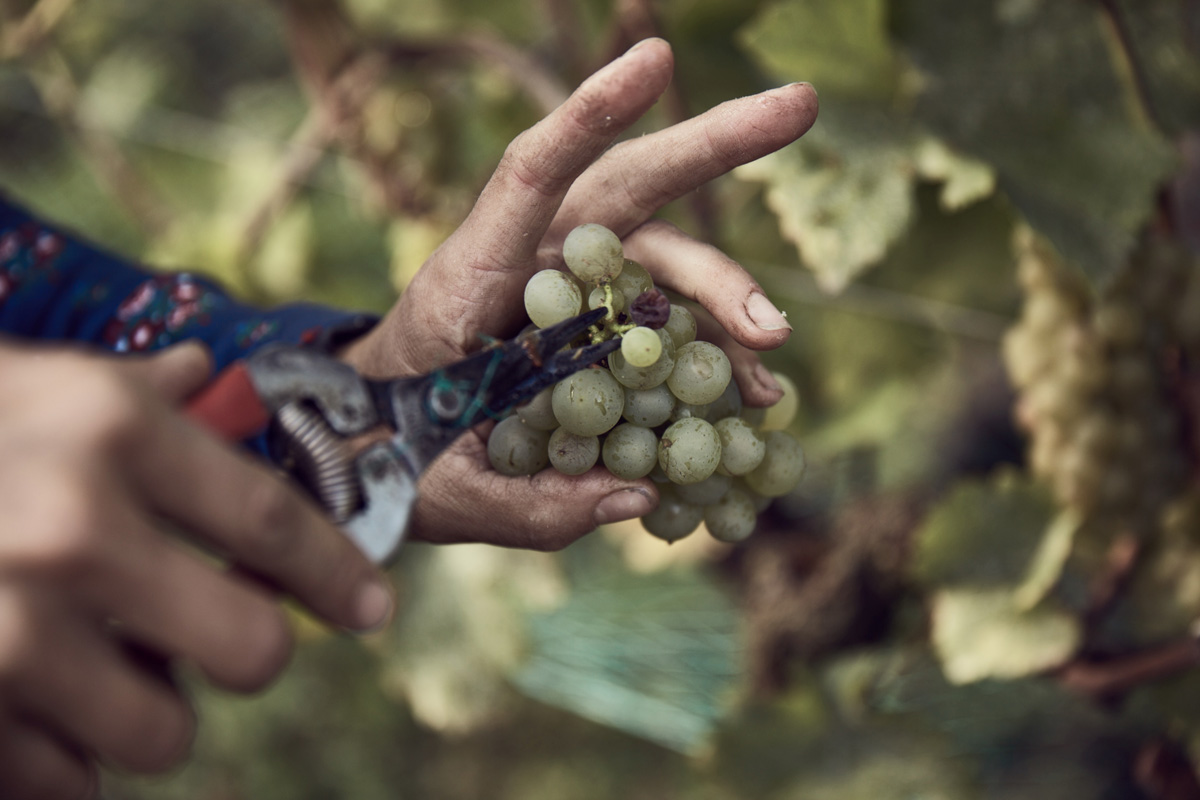
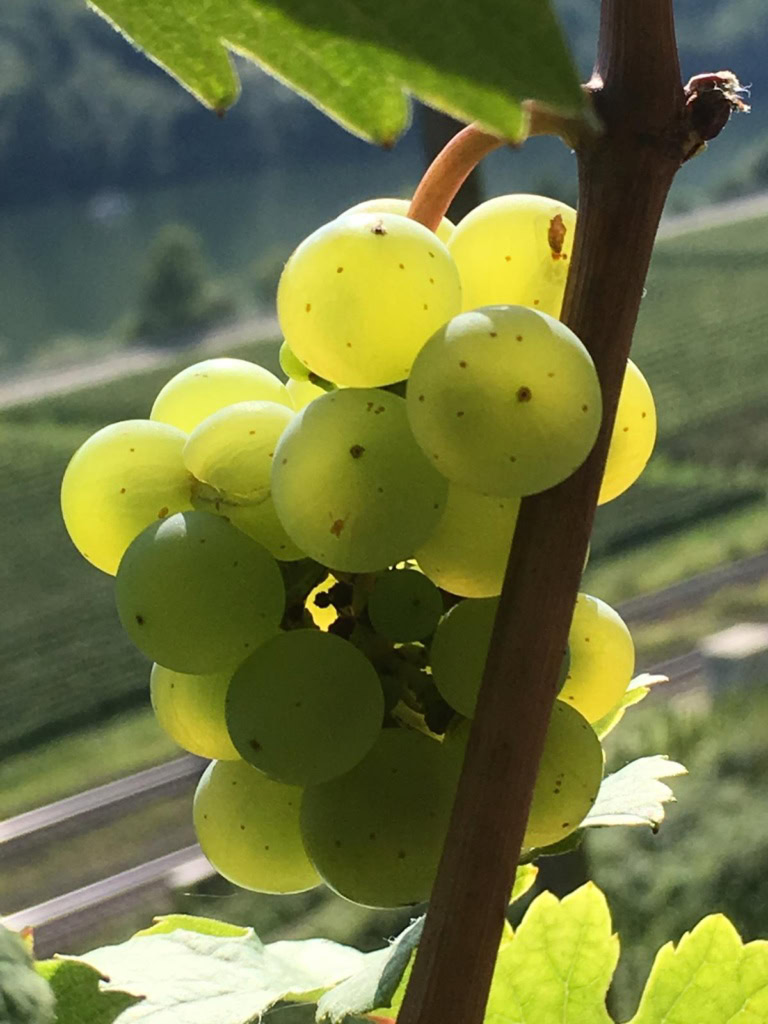
Silvaner. It’s complicated. Ask about its nature or character, and like as not you’ll get one answer: asparagus. With delicate vegetal aromas and moderate acidity, Silvaner is indeed a near perfect pairing for the fabled stalk that emerges from the earth to fill German grocery stores and market stalls annually between April and June. Yet, stop for a minute and imagine: what if there were more? Silvaner is viewed as a national counterpoint to Burgundian Chardonnay or Saumur Chenin Blanc. For many years Silvaner was Germany’s most important grape variety, less inclined toward fruity fun and more toward structure, texture, spice, and earth. De facto it…
Christoph Raffelt is one of an exciting new vanguard of voices when it comes to German wine. And voices is not a euphemism here, as it is indeed his voice together with his stellar cast of winemakers and guests that come together on his monthly podcast Originalverkorkt.de; while his words appear in his online magazine of the same name. He's been on the road since 2016 with Büro für Wein & Kommunikation as a freelance journalist, copywriter and all-round wordsmith. His work has appeared in such esteemed publications as Meiningers, Weinwirtschaft, Weinwelt, Sommelier, Champagne-Magazin and Schluck.
Pinot Blanc is neither a distinctive cépage nor a particular grape variety – at least, not from the viewpoint of ampelography or genetics. And what there is of pure Pinot Blanc worldwide is nearly all rendered in German-speaking growing regions where it is typically known as Weissburgunder.
Trink Magazine | Are PIWIs or grape hybrids our viticultural future as the climate crisis makes winegrowing more, not less, challenging? By Christoph Raffelt
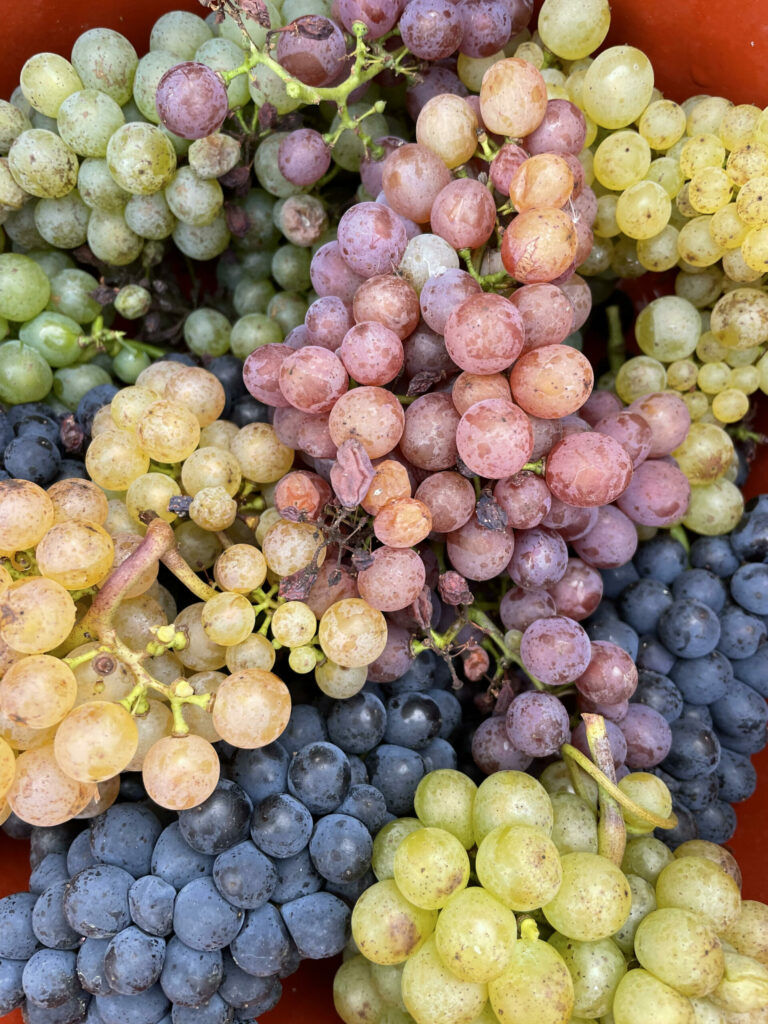
The year is 1806. The date June 17th. Privy Councilor Goethe sits in Frankfurt — high and dry. He reaches for his quill and writes a letter to a friend: “Send me some Würzburger wine, for no other wine satisfies, and I am morose without my accustomed favorite drink.” While the line may not be poetic, the composition Johann Wolfgang von Goethe thirsted for is. The wine in question was, quite possibly, “Frentsch” (local dialect for Altfränkischer Satz or Old Franconian Mixed Set): a field blend of some 20 grape varieties, all planted, harvested, and fermented together. What once gave growers a bit of…...