
Switzerland

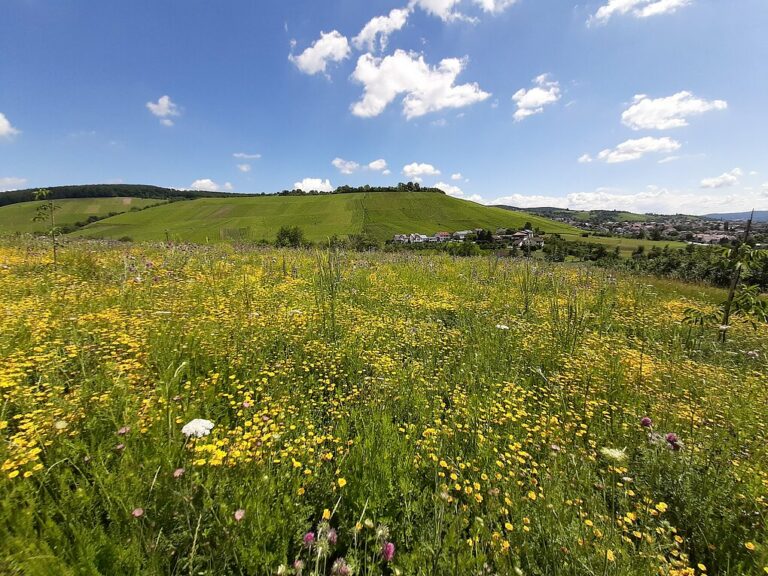
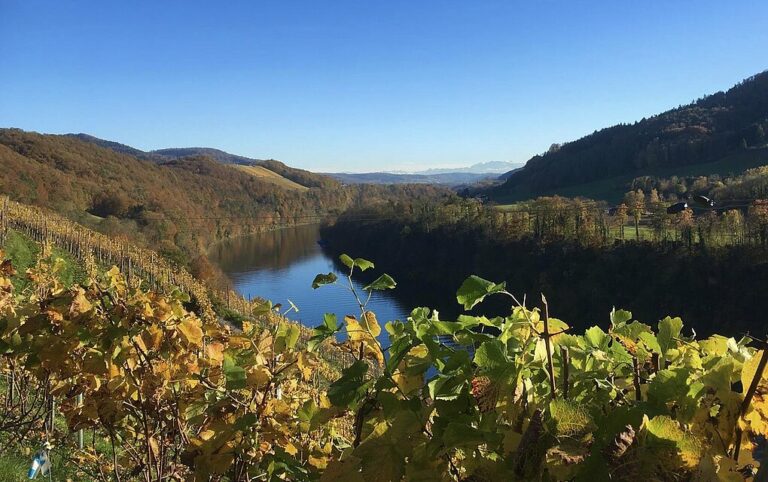
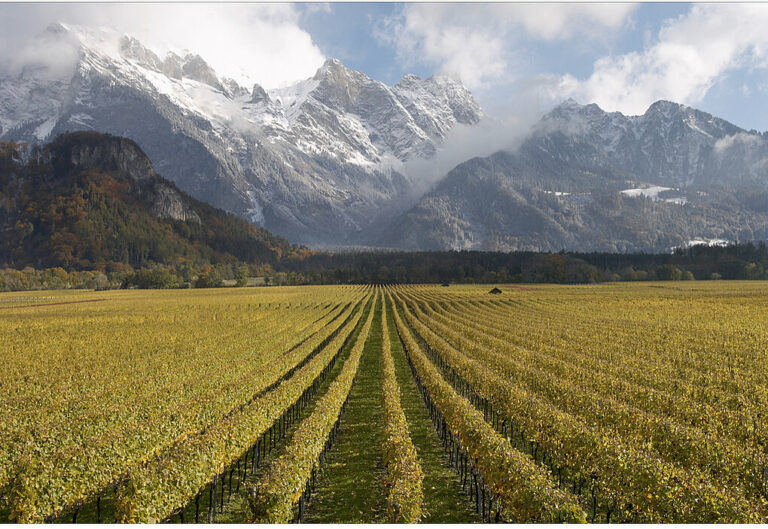
Naturally, we’re focussed on German-Speaking Switzerland here. And yes, that’s the actual name of the region! Although less than a quarter of Swiss wines come from the cool, high vineyards in this Alpine area, we find this fraction most compelling. Pinot Noir makes up half the plantings. If you’ve had Swiss Pinot, you know exactly why this is such an exciting statistic. The Swiss are also in the forefront of organic and biodynamic viticulture, making this an excellent region to explore if you’re going green.

  • · ·

    Get to Know German-Speaking Orange Wines

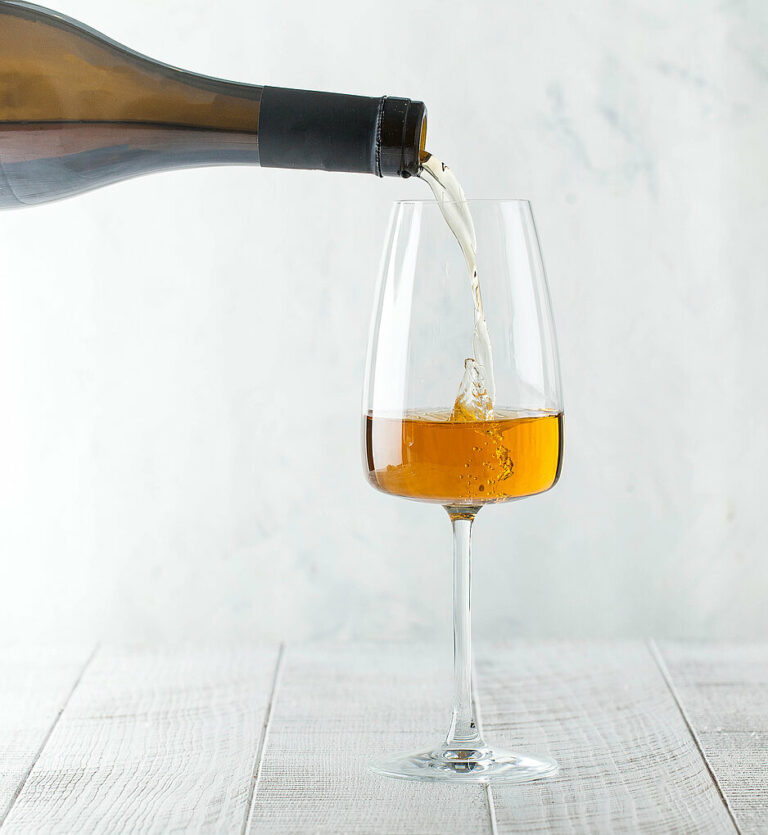
    Skin-contact white wines may have their revolutionary roots in Georgia, Slovenia, and Friuli,  but the umlaut zone also stakes a strong claim for orange expressions.  Austria was an early and highly successful adopter (think Tschida and Tscheppe, Muster and Meinklang). For this, thank geographic proximity, shared traditions, a former empire’s worth of fascinating white varieties, and the remarkable open-mindedness of producers, especially in Styria and Burgenland. Germany came later to the game. The country has been slower to embrace natural and experimental styles generally and its signature variety, Riesling, requires an exceptionally deft hand to succeed in skin-fermented form. However, German…...

    Membership Required

    You must be a member to access this content.

    View Membership Levels

    Already a member? Log in here
  • ·

    Explore Pfyn: A Swiss Wine Nature Park

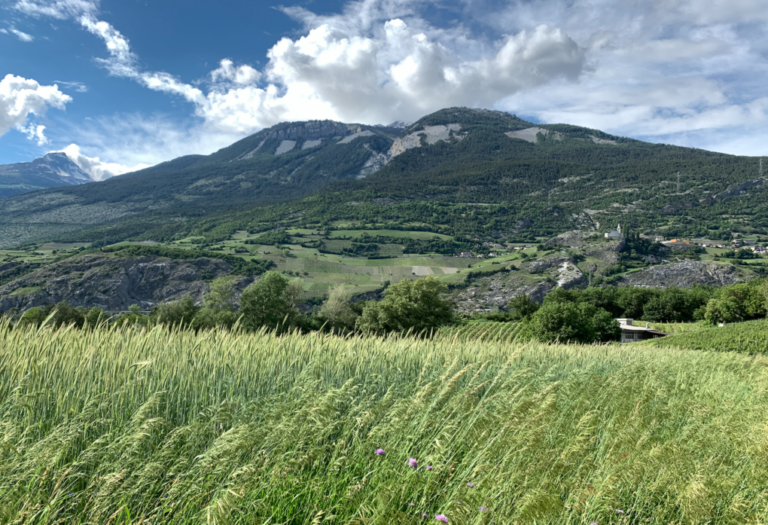
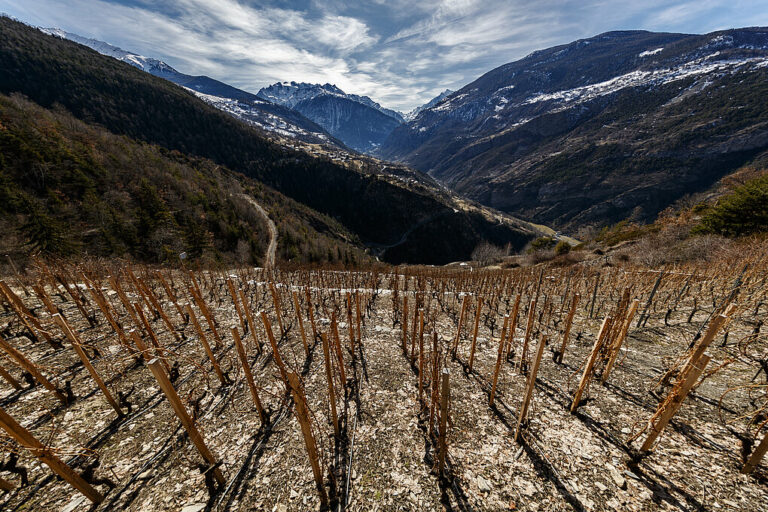
    In a Swiss park, a footpath leads from Leuk, a village straddling the Rhone, up to Varen, which is perched on a cliff. The trail is steep and strewn with pebbles in early summer. But three lightfooted young people with small backpacks move at a steady pace, in the way the Swiss tend to do when they grow up hiking in the Alps. The trio checks a list of clues they picked up at the Leuk tourism office. This treasure hunt will take them along groomed trails for eight hours (several pauses included) to wineries within the extraordinary Pfyn Nature…...

    Membership Required

    You must be a member to access this content.

    View Membership Levels

    Already a member? Log in here
  • · ·

    Opinion: Reconciling the Racism of Rudolf Steiner

    It was biodynamic wine that helped me to find my footing in Europe. Yet, as a Black American woman living in Europe, Rudolf Steiner's interests and views present a complicated and troubling legacy.

    Membership Required

    You must be a member to access this content.

    View Membership Levels

    Already a member? Log in here
  • Markus Ruch

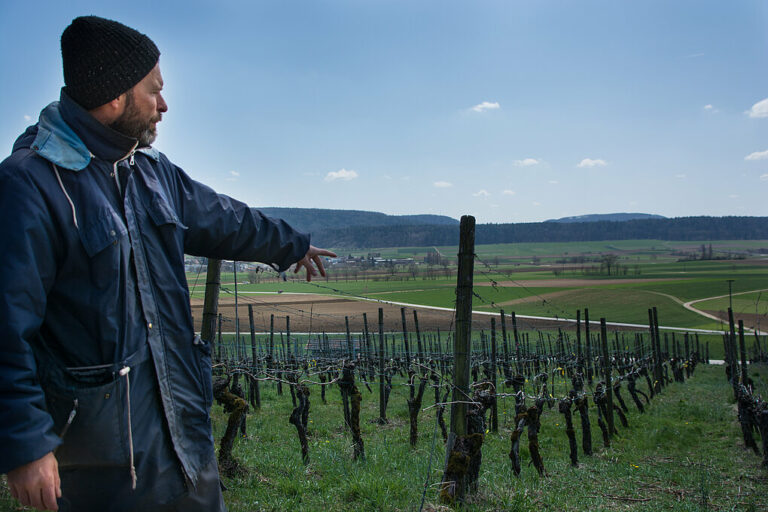
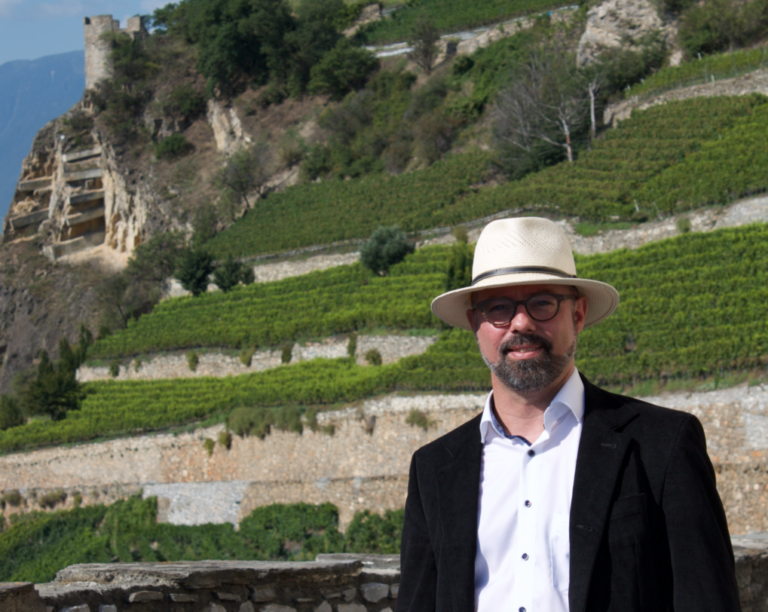
    Swiss wines remain rare on the international wine scene. But a new generation of talent committed to uncompromising work and meaningfully sustainable viticulture is slowly changing this.  Markus Ruch has been cultivating his own vineyards in the Klettgau, part of Switzerland’s northernmost canton, since 2007. He is widely credited with producing the first Swiss natural wines and leads the movement today. His Pinot Noirs and orange Amphore are served from NOMA in Copenhagen to Konstantin Filippou in Vienna. Ruch’s wines are classy. With a twist. For those less familiar with Swiss geography, the canton of Schaffhausen is situated north of…...

    Membership Required

    You must be a member to access this content.

    View Membership Levels

    Already a member? Log in here
  • Swiss Wine Trends

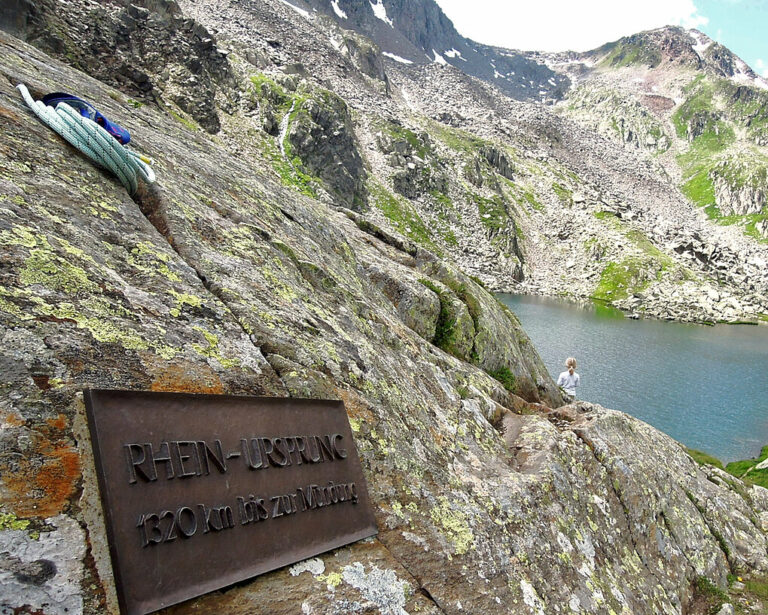
    ​It would be easy to dismiss what happens in the tiny winegrowing country of Switzerland as an inconsequential alpine eddy, an iridescent surge in the great river of wine. After all, the nation boasts a mere 15,000 hectares of vines, ranking it only 132nd worldwide in terms of area. But do so at your own peril. After all, the Rhine itself begins in this country, high in the hills of Graubünden some 120 km due south of Switzerland’s capital city. In that spot, it is little more than a spring-fed stream off Lake Toma. “To me, the Rhine looks very…...

    Membership Required

    You must be a member to access this content.

    View Membership Levels

    Already a member? Log in here
  • What’s Driving Swiss Wine?

    The Donatschs were never conformists. Starting in the 1970s, Thomas Donatsch of Graubünden turned the Swiss wine landscape on its head with his illegal Chardonnay plantings and barrique experiments. In 2019, his son Martin broke the price record for Swiss wine with his Réserve Privée. Yet it hasn’t always been easy. A conversation with Martin reveals a few of the reasons why Swiss wines remain an insider secret. When it comes to wine, what makes Switzerland so unique? Switzerland is an extremely multifaceted country. Two radically different regions can exist within mere kilometers of each other. Ticino for example embodies…...

    Membership Required

    You must be a member to access this content.

    View Membership Levels

    Already a member? Log in here
  • Completer: The Answer to a Prayer

    By traditional measures, my first year of college was a waste. I spent a lot of it playing cards with a gang of liberal theologians at a Jesuit university in California. Towering above the group was our guru, the truest Renaissance man I’ve ever met — priest, medieval scholar, professional clown, and director of his own traveling circus. He spent most of each year wandering from one Catholic university to another, plying his gift for persuasion. But he always made time for cards when he was in town. When not lobbying for Christ, he was partial to Texas Hold ’em,…...

    Membership Required

    You must be a member to access this content.

    View Membership Levels

    Already a member? Log in here
  • The Swisstory of Absinthe

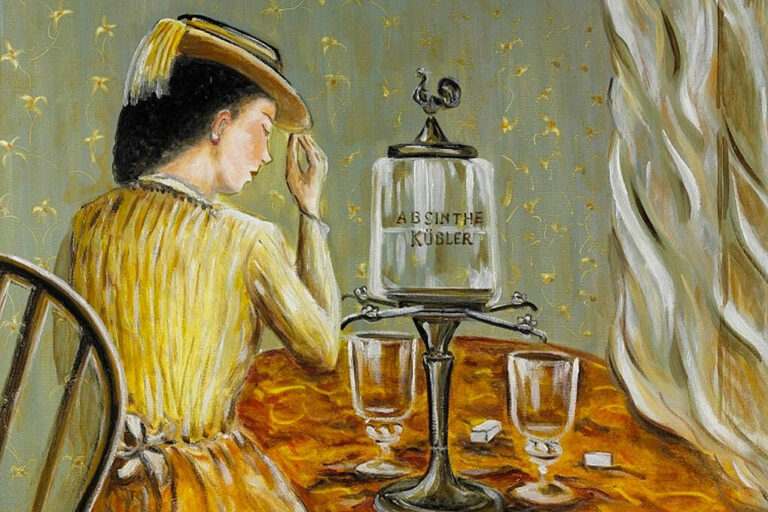
    Banned and beloved, feared and revered, one would assume the birth story of absinthe to be as spirited as its character. Yet its quite conventional beginnings can be clearly traced back to the mild-mannered region of Val-de-Travers, Switzerland, below the limestone-cliffed Jura mountains, where a greenish-gray perennial that gave the herbal elixir its name thrives on the lush borders of the region’s forests and roadsides. And so it is that neither the what nor the where, but rather the who of absinthe’s beginnings that has been called into question, becoming only the first in a long twisted tale of controversy…...

    Membership Required

    You must be a member to access this content.

    View Membership Levels

    Already a member? Log in here
  • José Vouillamoz on Swiss Wine Grapes

    I’ve read about as widely on Swiss wines as an Anglophone can: the relevant chapters of Jason Wilson’s delicious Godforsaken Grapes. The late Sue Style’s charming, informative Landscape of Swiss Wine. Ellen Wallace’s colorful Vineglorious. Dennis Lapuyade’s expert blog ArtisanSwiss. Stephan Reinhardt’s candid, convincing coverage in the Wine Advocate. But it is Dr. José Vouillamoz’s Swiss Grapes: History and Origin that has done the most to help me wrap my head around the marvelously confounding world of Swiss wines. The English edition, published in 2019 (two years after the original French), is a startlingly accessible and appealingly personal exploration of the trove…...

    Membership Required

    You must be a member to access this content.

    View Membership Levels

    Already a member? Log in here
  • Canton of Zürich: Tiny Wine World, Top Pinot Noirs

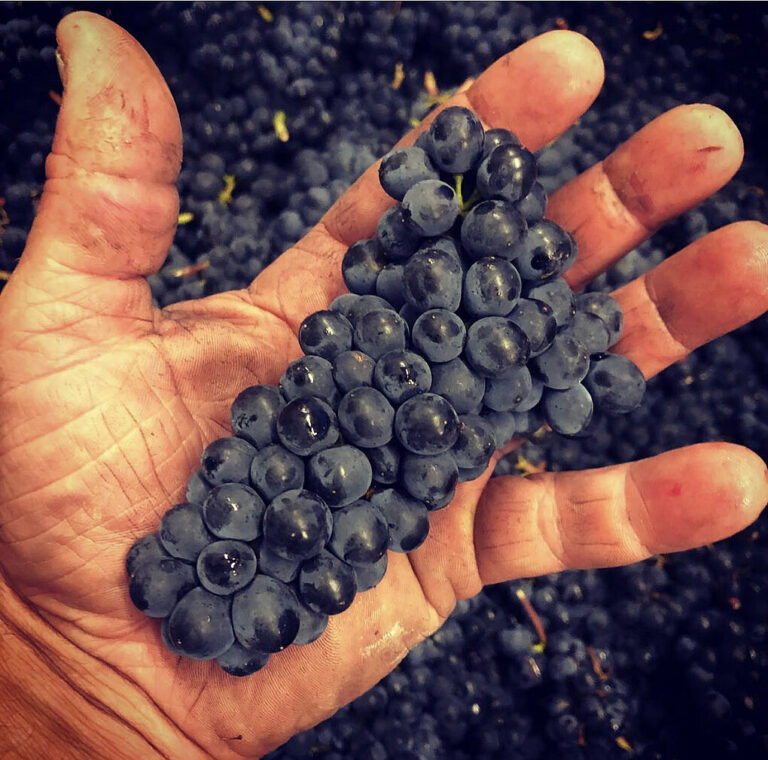
    Pinot Noir from Switzerland? Gantenbein! Donatsch! Hardly another country exists whose reputation among international wine lovers for producing quality wines from this variety boils down to just two names. It’s high time that other Swiss producers get some of that spotlight – and there’s no reason why they shouldn’t come from the Canton of Zürich.  Deutschschweiz, the sizable swath of eastern Switzerland that is German-speaking, is Pinot Noir land.  Reportedly, the vine was introduced to Graubünden in 1631 by the Duke of Rohan, as a gift to local farmers, to win them over as mercenaries during the 30 Years War…....

    Membership Required

    You must be a member to access this content.

    View Membership Levels

    Already a member? Log in here
  • Eglisau: Vines of the High Rhine

    Every guide to Swiss wine begins with the same emphatic but overly simple premise: there are six wine regions in Switzerland. That means one of them, Deutschschweiz, is forever miscast as a single entity, even though it encompasses 19 cantons and covers two-thirds of the nation’s surface area. Meanwhile, four of the other official regions are single cantons — Geneva, Vaud, Valais, and Ticino — each with its own story to tell; a sixth — the Three Lakes region — is geographically contiguous, linguistically mixed and, while quite small, celebrated for its diversity. Why, I ask, is there so little…...

    Membership Required

    You must be a member to access this content.

    View Membership Levels

    Already a member? Log in here
  • · ·

    He Who Controls the Spice Controls the Universe

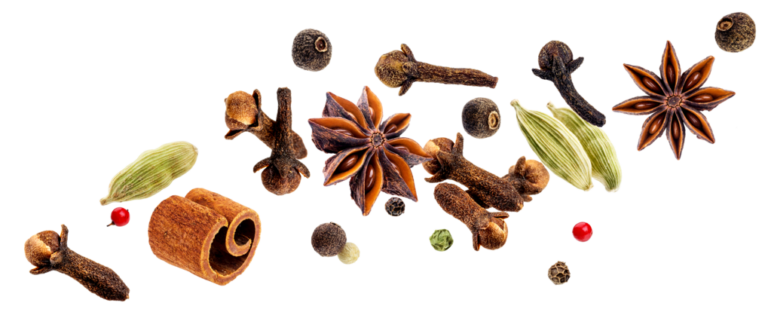
    Picture yourself at a German holiday market (if such things were happening in 2020) — a mug of glühwein in hand and the scent of fresh pfeffernuss cookies in the air. It’s no surprise that these warm, spicy aromas are key attributes in many wines from Germany and Austria, South Tyrol, and the German-speaking parts of Switzerland. And there’s a hidden world of compounds and precursors to thank for this distinctive and alluring range. Much like a chef in the kitchen, growers can influence the aromatic and flavor complexity of their wines by playing with soil type, exposition, vine age,…...

    Membership Required

    You must be a member to access this content.

    View Membership Levels

    Already a member? Log in here
  • ·

    Gantenbein and the Secrets of Switzerland’s Cult Wine

    For most of us, it would be easier to climb the Matterhorn in flip-flops than to lay hands on a bottle of wine made by Daniel and Martha Gantenbein. The couple painstakingly grow and make minute quantities of Pinot Noir, Chardonnay, and Riesling on 6 hectares of high Alpine valley in German-speaking Switzerland. Before the wines have even been bottled, each and every one is already sold to long-time customers. How has this modest couple, working in unheralded terrain, become the emblem of Swiss wines par excellence?  After nearly 40 vintages, Daniel and Martha have fine-tuned every element within their control — from…...

    Membership Required

    You must be a member to access this content.

    View Membership Levels

    Already a member? Log in here