By traditional measures, my first year of college was a waste. I spent a lot of it playing cards with a gang of liberal theologians at a Jesuit university in California. Towering above the group was our guru, the truest Renaissance man I’ve ever met — priest, medieval scholar, professional clown, and director of his own traveling circus. He spent most of each year wandering from one Catholic university to another, plying his gift for persuasion. But he always made time for cards when he was in town. When not lobbying for Christ, he was partial to Texas Hold ’em,…
After a career in the restaurant business, including several detours into wine, I came to Switzerland to marry the love of my life, my wife Veronica. Little did I know the local wine scene would grab my attention as well. The diversity of grapes and styles in Switzerland is amazing and with the new youth movement firmly in place, the Swiss are riding a wave of innovation and self-discovery. My blog artisanswiss.com is a sketch pad, of sorts, for the reference book I'm writing and the impetus to travel to every corner of the country in search of the story. So far, it's been a most rewarding journey.
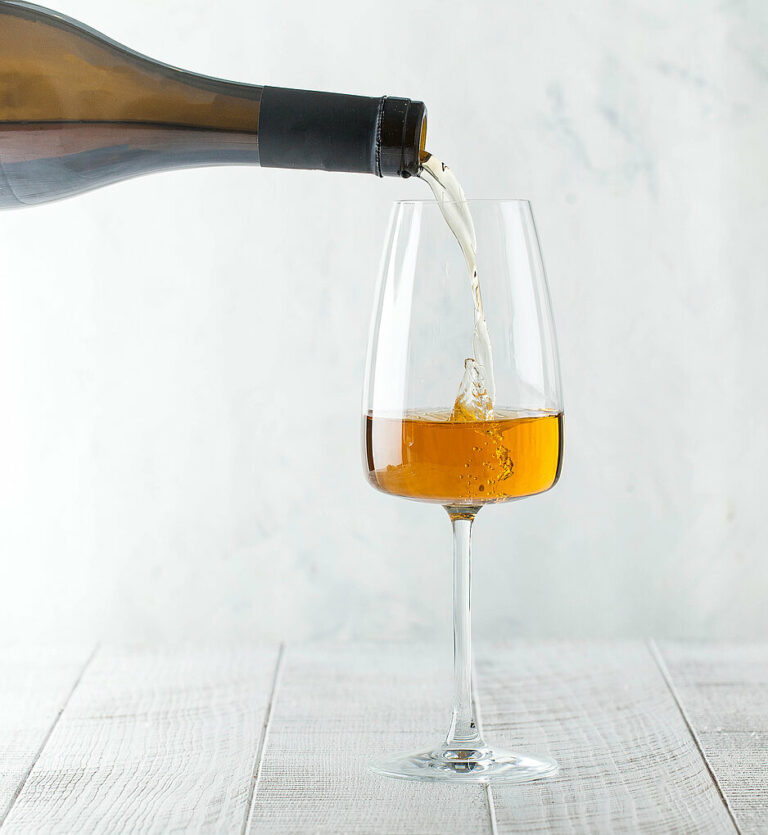
Skin-contact white wines may have their revolutionary roots in Georgia, Slovenia, and Friuli, but the umlaut zone also stakes a strong claim for orange expressions. Austria was an early and highly successful adopter (think Tschida and Tscheppe, Muster and Meinklang). For this, thank geographic proximity, shared traditions, a former empire’s worth of fascinating white varieties, and the remarkable open-mindedness of producers, especially in Styria and Burgenland. Germany came later to the game. The country has been slower to embrace natural and experimental styles generally and its signature variety, Riesling, requires an exceptionally deft hand to succeed in skin-fermented form. However, German…...
A new wave of vignerons is gathering strength in Swiss wineries. They are young, eclectic, and often organic or biodynamic in their work. Most are keenly focused on sustainability and trying disease-resistant grapes. Thirty of them, who go by JSNW (Junge Schweiz Neue Winzer, or Young Switzerland New Vignerons), offer a snapshot of this generation, all under age 40. The association was created in 2010 in Zurich to put “sharing” in boldface: of experience and ideas, but most of all of their wines and feedback, at regular meetups. The group has expanded to include vignerons from the French- and Italian-speaking…...
My socials fill up with harvest photos at this time of year. It’s joyful and a bit primal. Nature controls the parameters of how and when, no matter how hard we try to predict and plan. The act of picking grapes initiates an even more fundamental process. Fermentation is to wine what oxygen is to humans. It’s both essential and deadly at the same time. There is no wine without it, yet fermentation’s transformative effects can destroy as readily as they create. It’s a kind of magic. Smoke, Stinks and Magic It’s magic because you start with fresh fruit, then…...
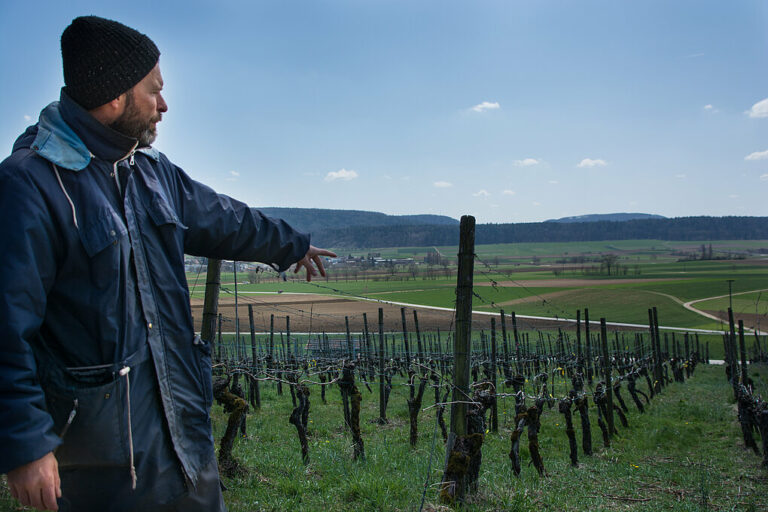
Swiss wines remain rare on the international wine scene. But a new generation of talent committed to uncompromising work and meaningfully sustainable viticulture is slowly changing this. Markus Ruch has been cultivating his own vineyards in the Klettgau, part of Switzerland’s northernmost canton, since 2007. He is widely credited with producing the first Swiss natural wines and leads the movement today. His Pinot Noirs and orange Amphore are served from NOMA in Copenhagen to Konstantin Filippou in Vienna. Ruch’s wines are classy. With a twist. For those less familiar with Swiss geography, the canton of Schaffhausen is situated north of…...
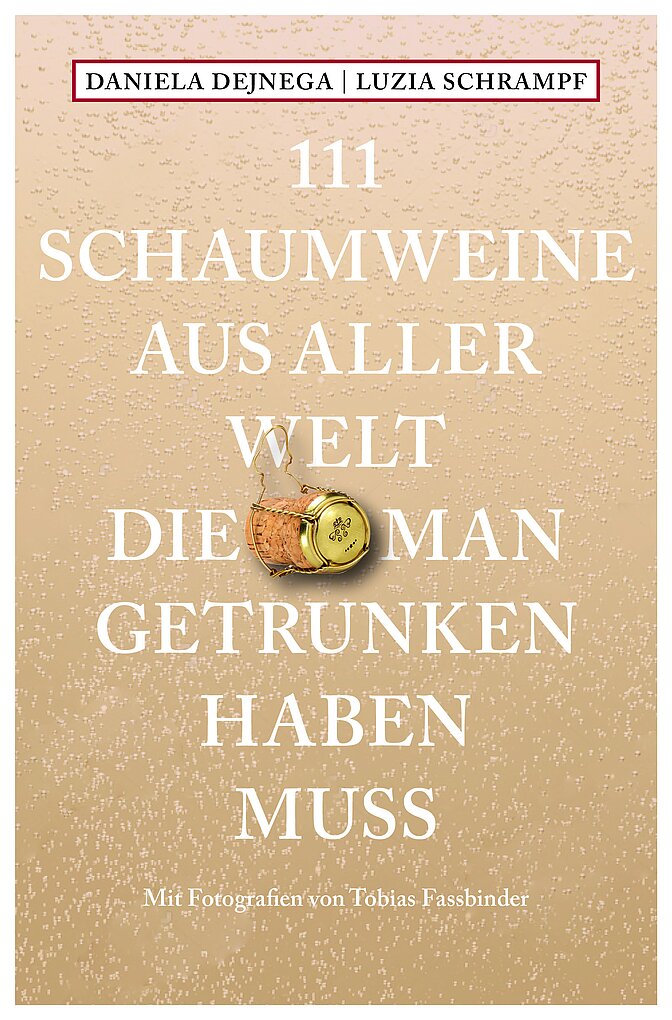
The world of sparkling wines is changing for the better. The number of producers approaching this beverage in serious, artisanal, and creative ways continues to climb. “Grower Sekt” from Austria and Germany is very much en vogue. We are witnessing a tremendous push to quality. For a long time, “mass over class” was the motto, especially in Germany. But for a new generation, awareness of terroir and a trend toward reducing residual sugar are increasingly the focus. No stone has been left unturned in Austria, either. For several years, Austrian Sekt has been governed by a three-tiered quality pyramid: “Sekt…...