Over the last decade, Berlin has established itself as a wine city. No small feat, since little quality wine is made within a five-hour driving radius. But in the early 2010s the natural wine movement brought in “small plates and natural wine” bistros and more and more distributors — independent wine stores who both import and buy wines and then sell them to both restaurants and consumers alike — are basing themselves here. The RAW wine fair made Berlin its Central European hub back in 2015. Before March 2020, business was good. Then came Covid. Putting the Neighbor back in Neighborhood at…
Liv Fleischhacker is a born and bred Berliner who's worked as a food and drinks writer since 2014. She is particularly well-versed in the city's bars, having experienced Berlin coming into its own as a culinary destination over the past decade. She co-runs the natural wine pop-up series natty. A lover of all foods sour and salty, there unfortunately aren't enough lemon trees in the city for her - all the more reason to seek out Berlin's more innovative eats. Her writings can be found in publications including Food52, Effilee, Mixology, and Munchies.
for S.B. with love Die Rebe ist ein Sonnenkind. Sie liebt den Berg und haβt den Wind.So open your door already—for god’s sake, just let me in! Nothing to fear from wild slopes—a matter of terraces and grading.Sankt Aldegund, your roses—they labor on unforgiving slate. Vigor derives from parameters. The desert ends with water.Ritual is an amphora: it gives life room to breathe. The hag at the door is never a hag—she’s always a secret queen. Don’t you fear that ugly mug comes bringing revelation. The special red plum from the Mosel is imbued with healing power.If you go to the…...
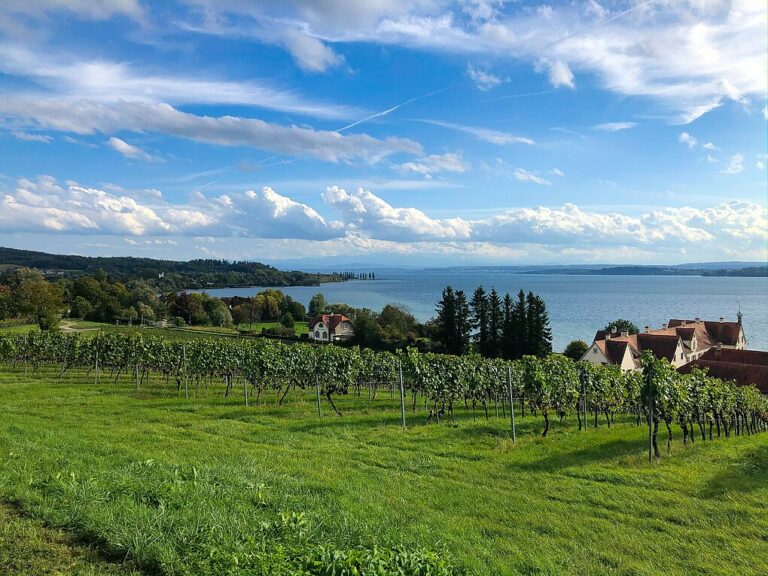
Ask a German about their favorite domestic vacation spots and Bodensee — aka Lake Constance — routinely sits near the top of the list. The country’s largest lake offers plenty of water and winter sports, proximity to Switzerland and Austria, the island of Mainau, and the Reichenau peninsula with its medieval history and churches. Then ask about dream winegrowing destinations, and watch Bodensee slip way, way down the list. With a reputation for simple wines that do little more than embody lake life, it is no wonder that in recent times Bodensee has struggled to be taken seriously. But a small group of young…...
Piri Naturel is Christine Pieroth's independent line of natural wines in Germany's Burg Layen. Her wines bring a breath of fresh air to more straightforward Nahe’s wine scene.