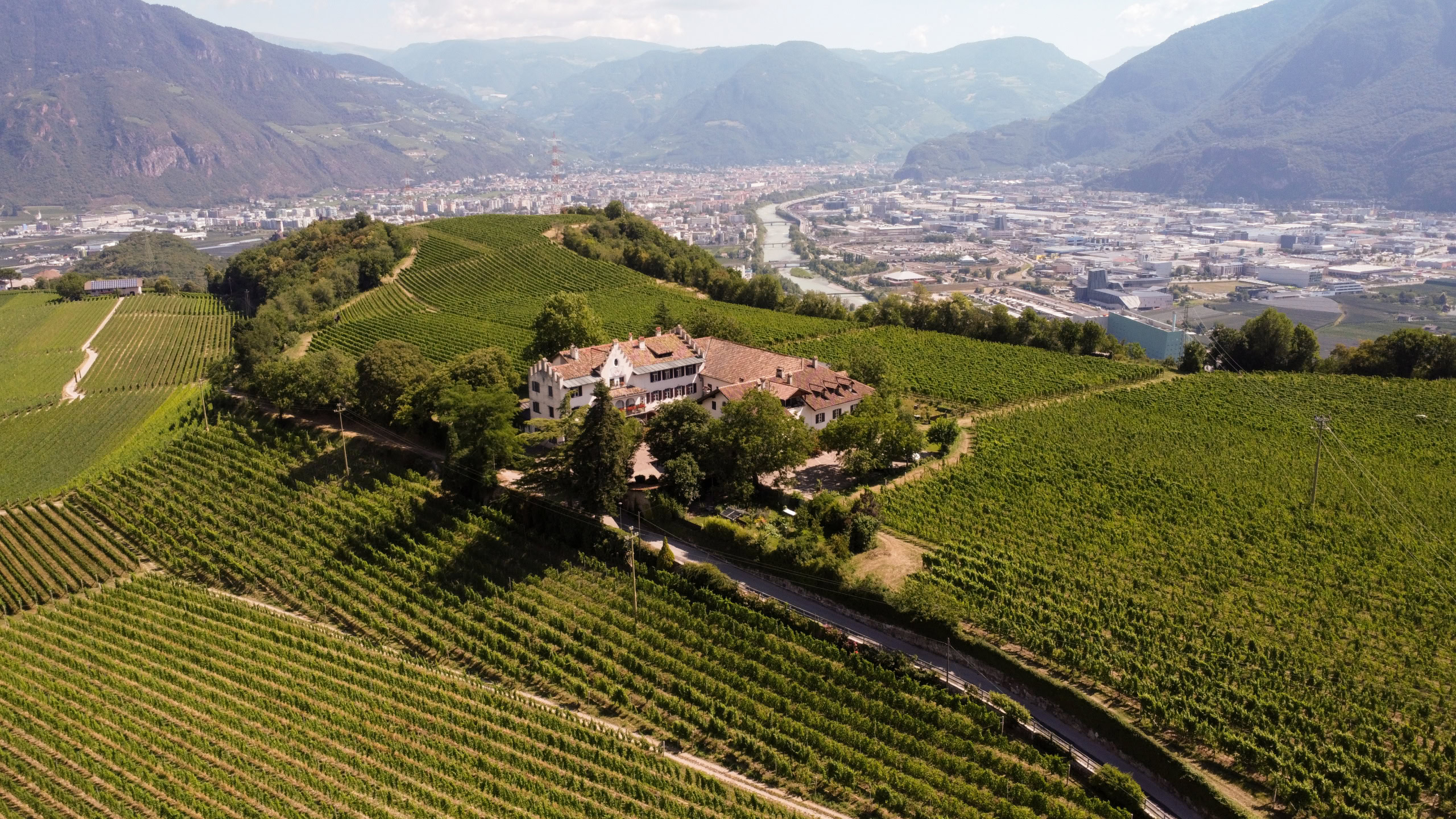
Luckily, Petite Arvine Likes It Hot
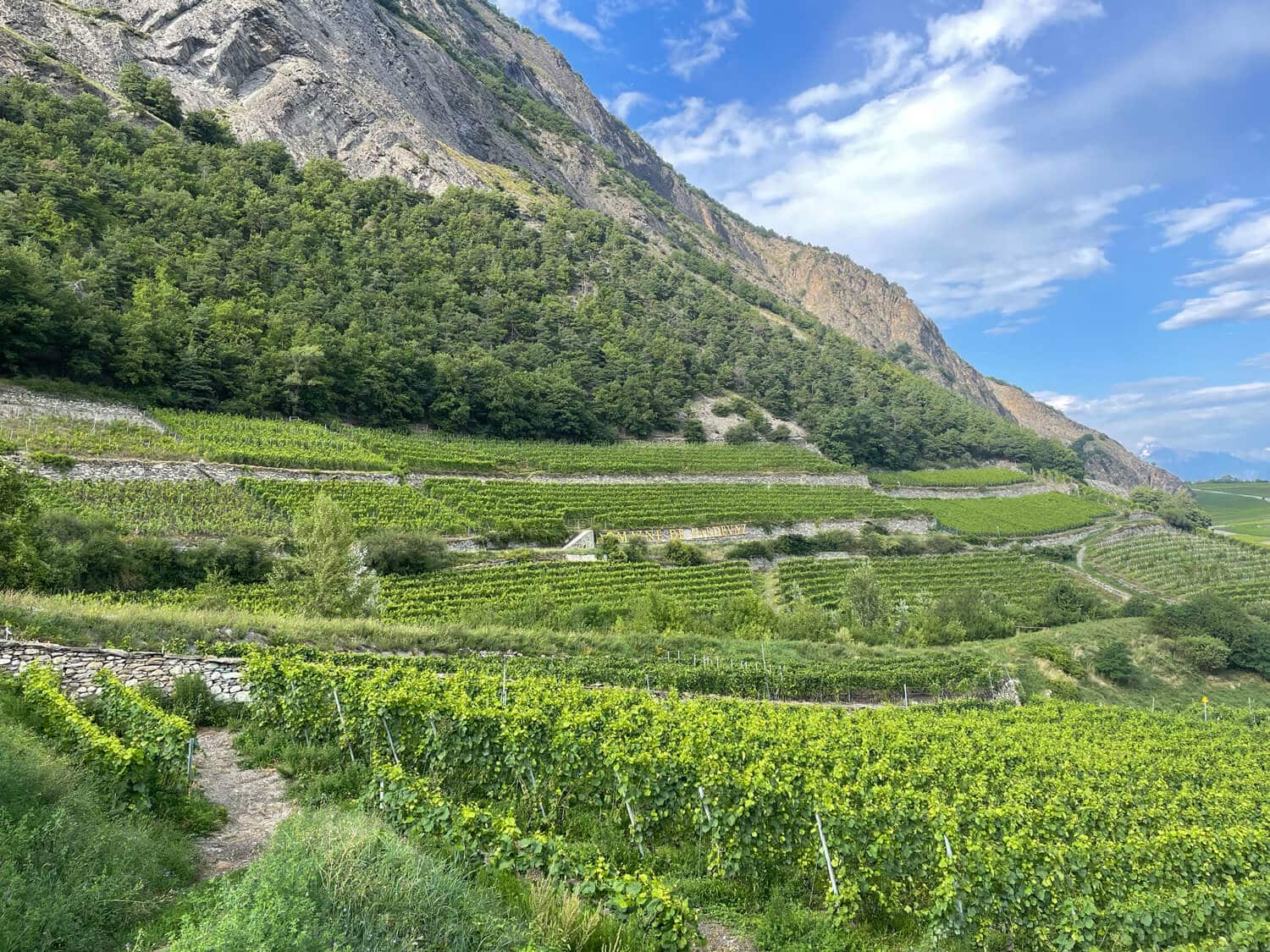
Photo credit: La Rodeline
As more cool-climate regions like Germany’s Mittelrhein seek grapes that can beat the heat, the rare Swiss variety Petite Arvine offers a surprising possibility.

As more cool-climate regions like Germany’s Mittelrhein seek grapes that can beat the heat, the rare Swiss variety Petite Arvine offers a surprising possibility.

Kevin Puls works in advertising and PR. His passion for Austrian wine began nearly two decades ago and he's regularly tasted the vintages of the Alpenrepublik from the Wachau to Styria. His weakness for estates that work organically and for natural wines started with Gut Oggau's 2007 vintage. He's also a regular visitor to Franken. He blogs about food, wine, and the people who make them.
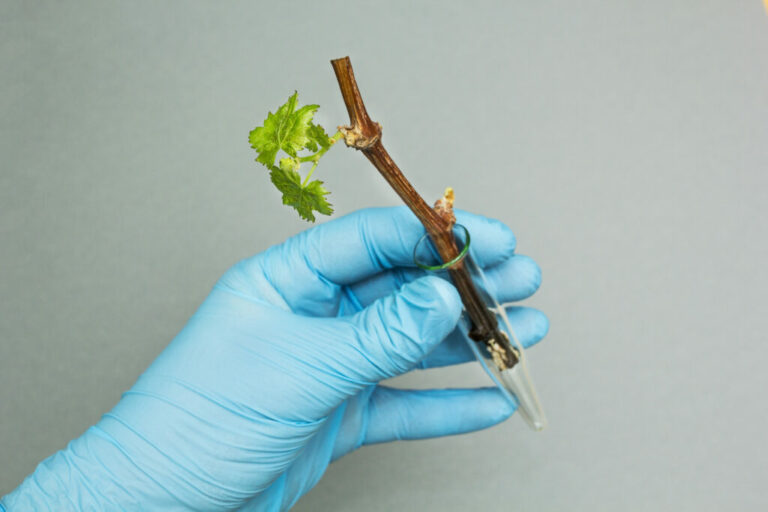
With a third generation of fungus-resistant hybrid wine grapes in development, are we poised for a breakthrough in the spread of so-called PIWIs? Will the quest for an alternative to disease-prone Pinot Noir finally bear fruit? Swiss researchers, breeders, nurseries, and winemakers are at the forefront of this effort. For an increasing number of vintners, traditional grape growing with seven to 12 rounds of spraying annually has become unsustainable. For some, organic farmingisn’t the answer. Because organic agents work superficially and wash off with rain,they must be applied more frequently. This requires more labor and more passes through the vineyard,…...
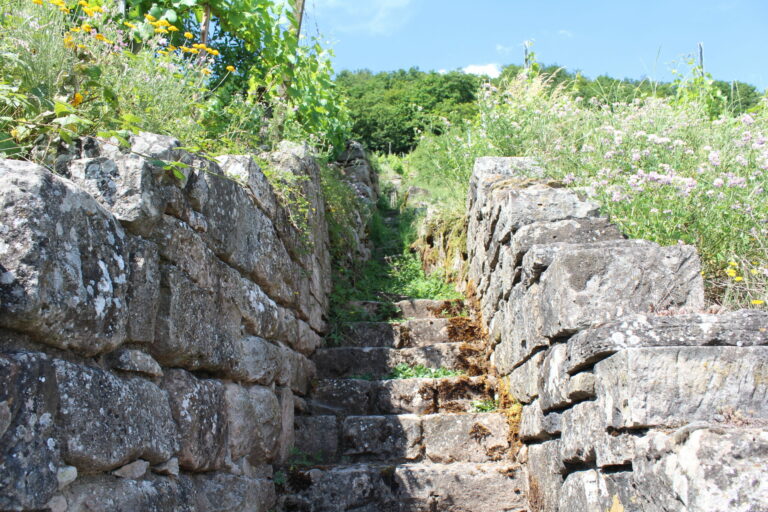
This is a story for the wine romantics among us who dream of bygone varieties, who hunker down to listen to the old stone terraces telling stories of yesteryear, of those with a weak spot for growers and wines committed to character. It is in this world of nostalgia and nerds that this story is set. Enter Ulrich “Uli” Martin, a viticulturist from Gundheim in Rheinhessen. “Such a reliable companion!” he says. “Honest, direct, and amiable. You sense it immediately.” This high praise, however, is not aimed at his best friend, at least not in the traditional sense. Rather, at a grape…...
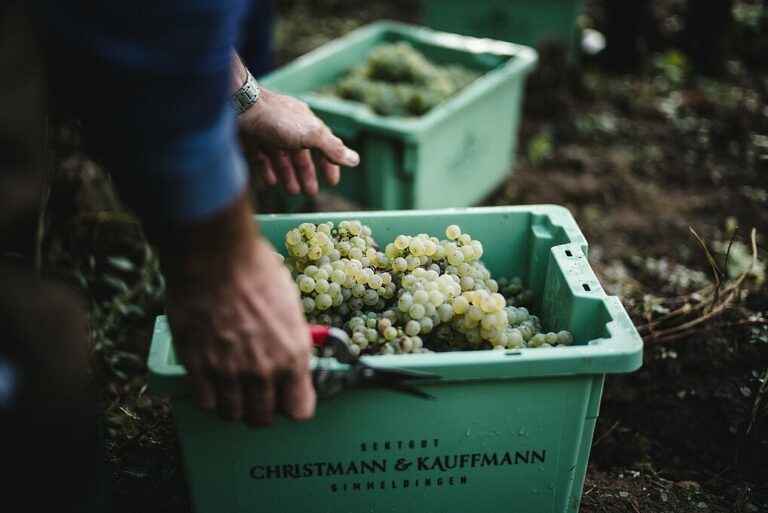
Champagne roots and Riesling blood: an interview with Pfalz's newest sektgut Christmann & Kauffmann.
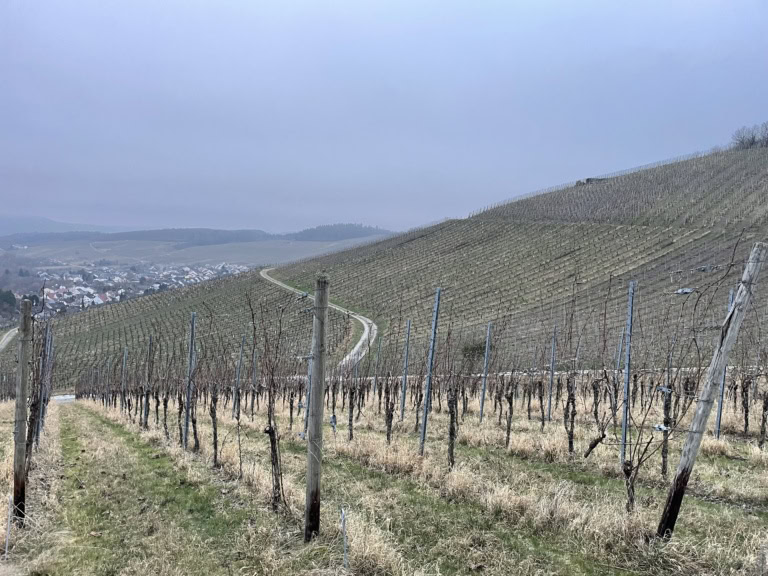
Konzer Talchen is where the Saar keeps its cool.
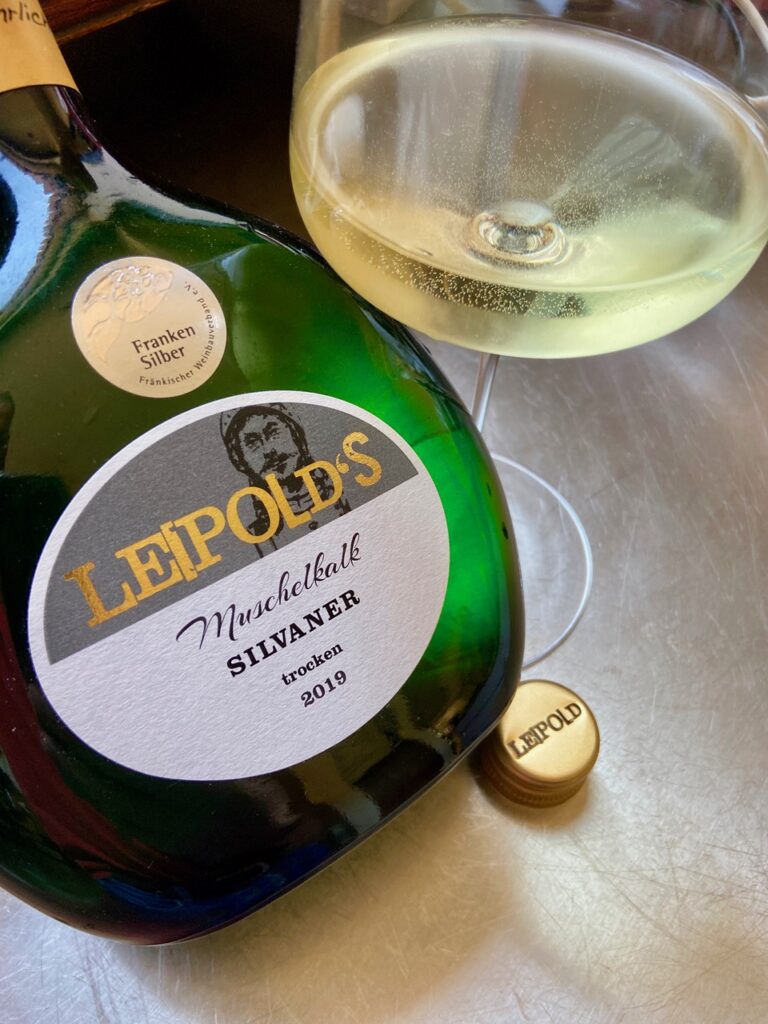
Confession time: Which wine and food pairings make your eyes roll faster than a teenager’s? Champagne and strawberries? Pizza and Lambrusco? Muscadet and oysters? In southern Germany, Silvaner and white asparagus are regional marketing 101. Silvaner has been praised and prized as a pairing for the spring stalk to such an extent that grocers will double their inventories of cheap Silvaner and stack it by the case in the vegetable section. And while the fastest way to get a screenful of Internet ill-will slung in your direction is to suggest the pairing to a German wine group, it is true…...
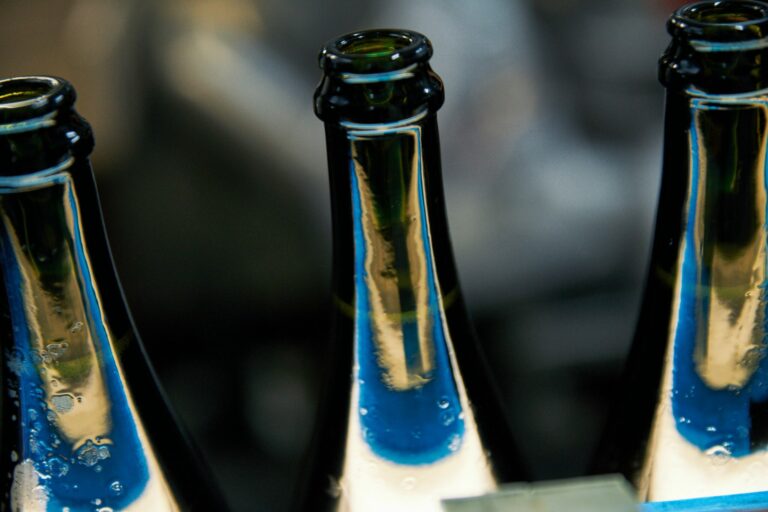
Sekt embodies free spirit, hedonism, even — in its blatant disregard for rules — punk. The limitless maximization of lust for life and the unadulterated joy of the sensual assume the spotlight, while ethics and morals are asked to exit stage left. Whether it’s to christen a ship, toast a victory, or celebrate a birthday in the office (back when we did things like this), bubbles embrace the sparkling side of everyday life. A flash of glam on an otherwise wretched Tuesday afternoon. Sekt is bound to nothing and to no one, neither to food nor occasion. And that’s why…...
© 2026, TRINK Magazine. No portion of this article may be copied, shared or re-distributed without prior consent from TRINK.