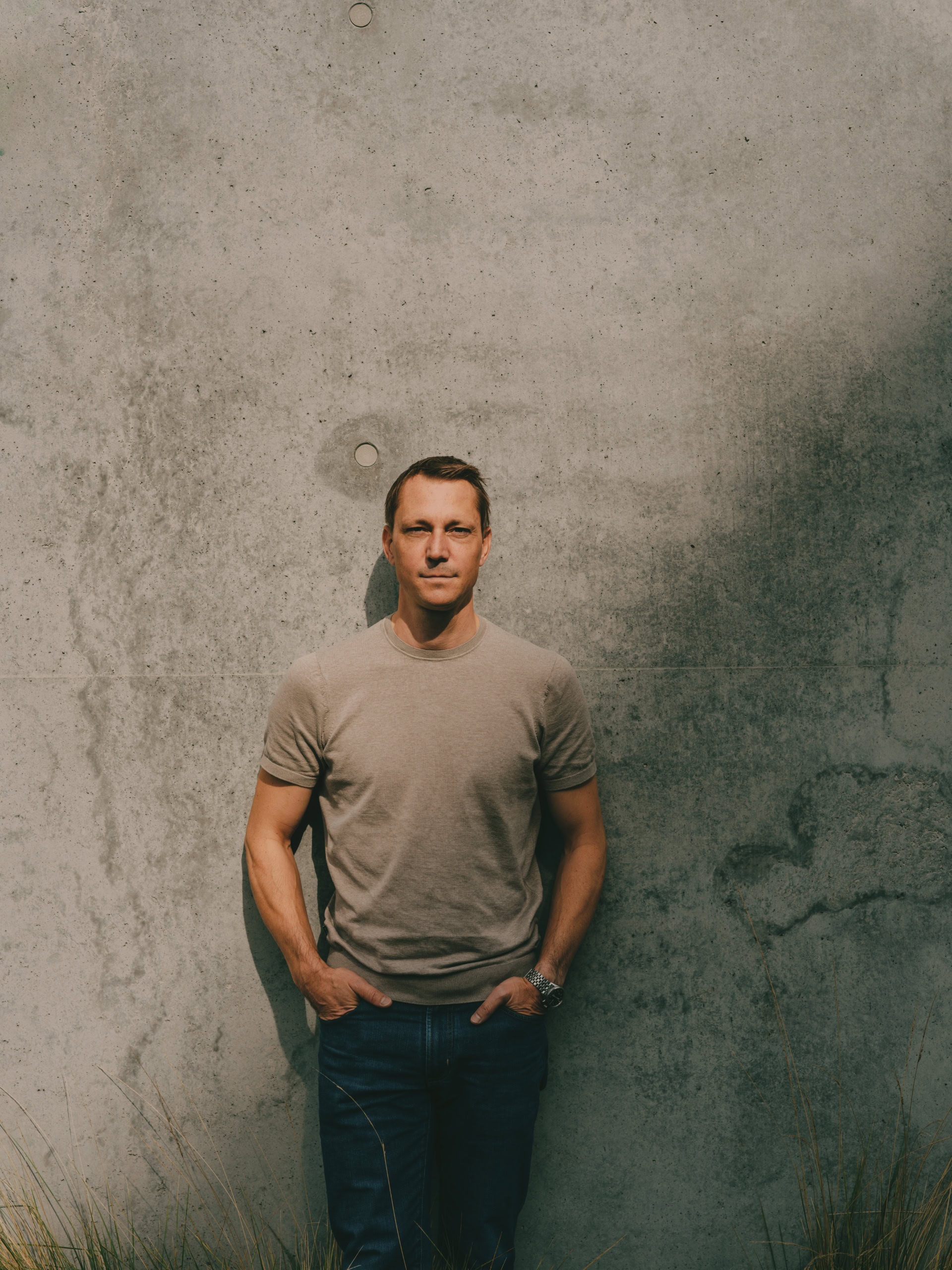
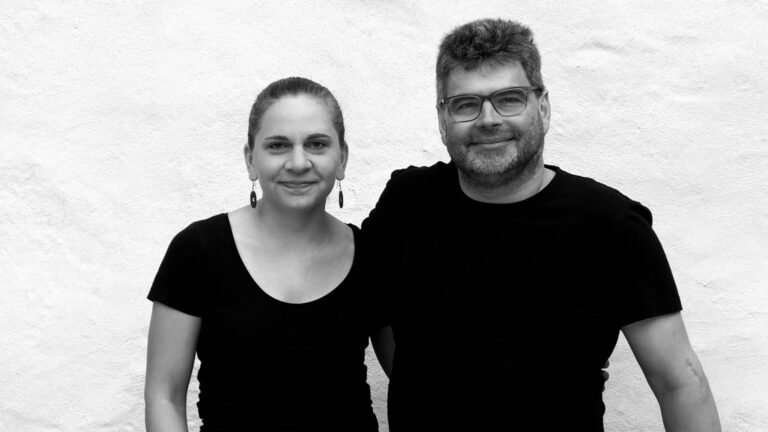
Michael Tischler-Zimmermann | Photo credit: Julius Hirtzberger
Austria’s vineyard classification is nearing legal status. Can its grand-cru model withstand its critics — and travel beyond Austria? A conversation with ÖTW Managing Director Michael Tischler-Zimmermann.
A geographer by training, Bart’s understanding of soil, geomorphology, and climate, important factors in winemaking, was kindled at an early age. But it was his move to Basel, on the doorstep of Baden and Alsace, that really stirred up his interest for wine. Since his studies at the Austrian Weinakademie, wine has been his profession. Apart from writing for several European publications, such as Perswijn (NL), Apéritif (Norway), Metropole (Austria), Bart organizes wine trips and moderates tastings. An avid amateur flautist, Bart is also very honored to be writing the English program notes for the Sinfonieorchester Basel for the fourth season running.
Is there a way to understand a vineyard? Wines from certain sites evoke the urge to uncover more about the place and the reason the wines taste the way they do. These are wines that, whatever the vintage or producer, manage to stay true to some sensory basics. Riesling might be the medium, but the message is origin. Geography and geology are where the notion of terroir begins. To understand a vineyard is to listen to what place tells us through location, aspect, and soil. Zöbinger Heiligenstein in Kamptal, Austria has plenty to say. The brave little vineyard: Heiligenstein’s storied…...
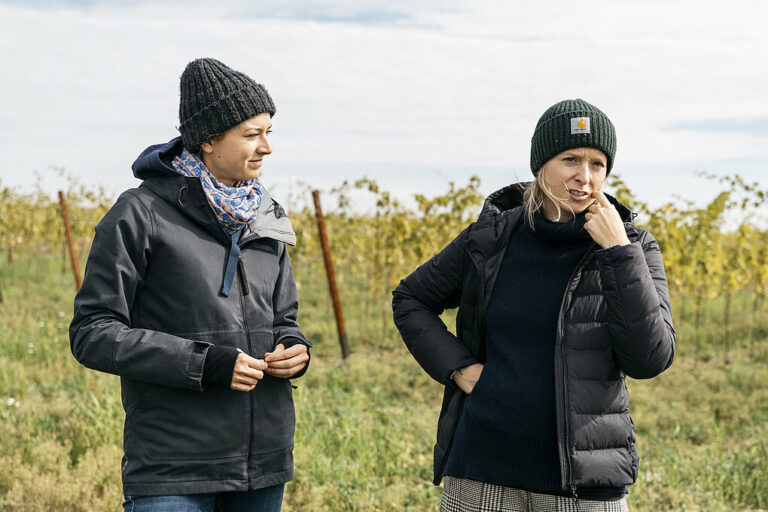
This article is an excerpted chapter from We Don’t Want Any Crap in Our Wine (2019). After the book went to print, the Rennersistas informed the author that Susanne Renner left the winery, which will now be run by siblings Stefanie and Georg. In 2015, Susanne and Stefanie Renner took over the family wine business in Gols, Austria and became their parents’ bosses. In short order, the sisters converted to biodynamics and created their own line of wines, Rennersistas, in addition to the family’s traditional red Renner cuvées. Ever since, Susanne and Stefanie have reveled in the freedom of making…...
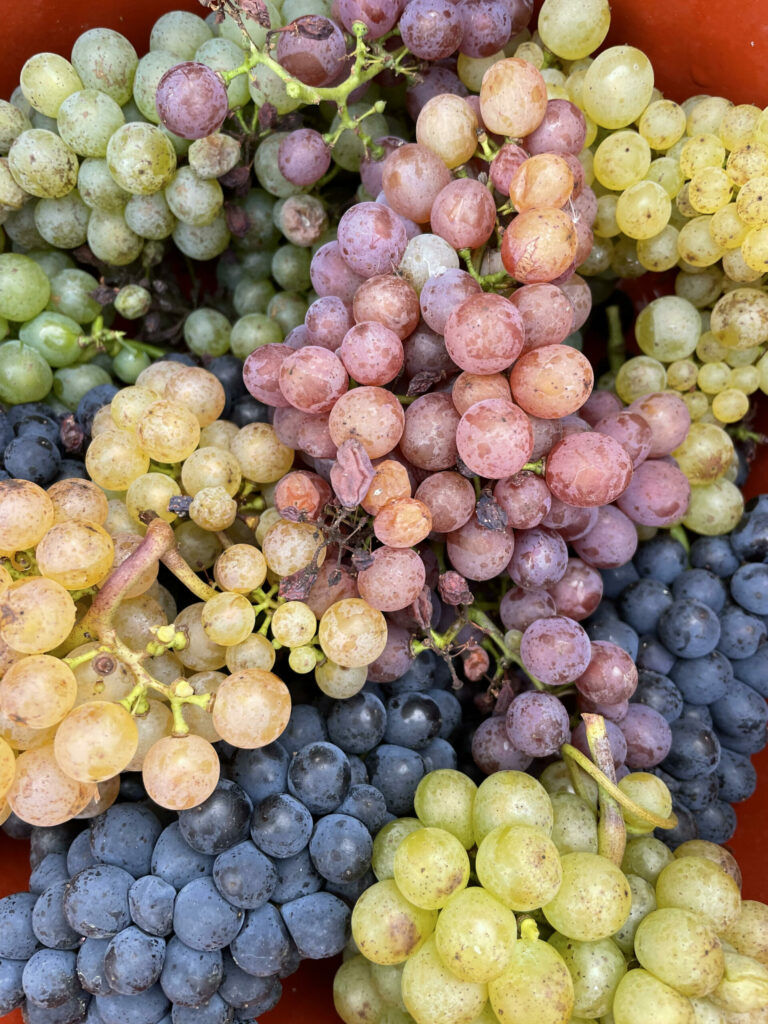
The year is 1806. The date June 17th. Privy Councilor Goethe sits in Frankfurt — high and dry. He reaches for his quill and writes a letter to a friend: “Send me some Würzburger wine, for no other wine satisfies, and I am morose without my accustomed favorite drink.” While the line may not be poetic, the composition Johann Wolfgang von Goethe thirsted for is. The wine in question was, quite possibly, “Frentsch” (local dialect for Altfränkischer Satz or Old Franconian Mixed Set): a field blend of some 20 grape varieties, all planted, harvested, and fermented together. What once gave growers a bit of…...
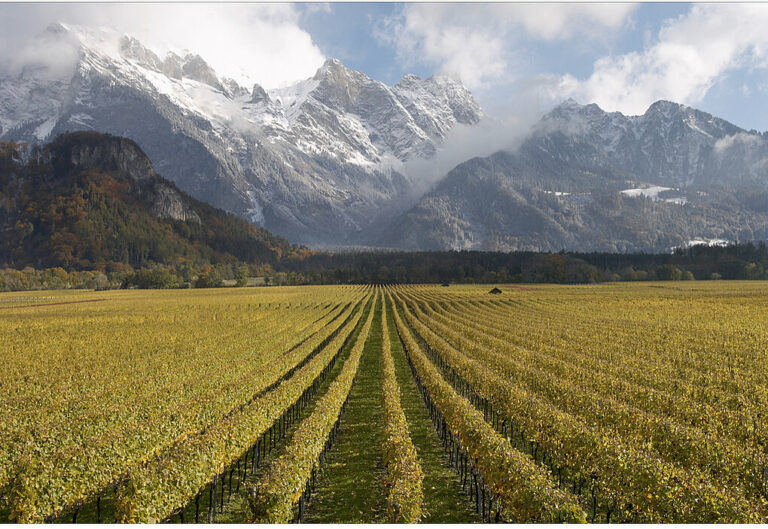
For most of us, it would be easier to climb the Matterhorn in flip-flops than to lay hands on a bottle of wine made by Daniel and Martha Gantenbein. The couple painstakingly grow and make minute quantities of Pinot Noir, Chardonnay, and Riesling on 6 hectares of high Alpine valley in German-speaking Switzerland. Before the wines have even been bottled, each and every one is already sold to long-time customers. How has this modest couple, working in unheralded terrain, become the emblem of Swiss wines par excellence? After nearly 40 vintages, Daniel and Martha have fine-tuned every element within their control — from…...
What do one of the Mosel’s oldest winemaking estates and a country with a fledgling wine-drinking culture have in common? The answer, as with most things in life, is Riesling. “German Riesling has become a synonym for white wine in Finland,”” says Heidi Mäkinen MW, Portfolio Manager for Viinitie Oy, one of that country’s largest importers of German wine. “Finns like the freshness and fruit, and Riesling is one of those wine words that’s incredibly easy to pronounce.” As Viinitie’s new portfolio manager, Mäkinen, for whom work and private life has little separation, has kicked off her holidays 2,000 kilometers south of her…...
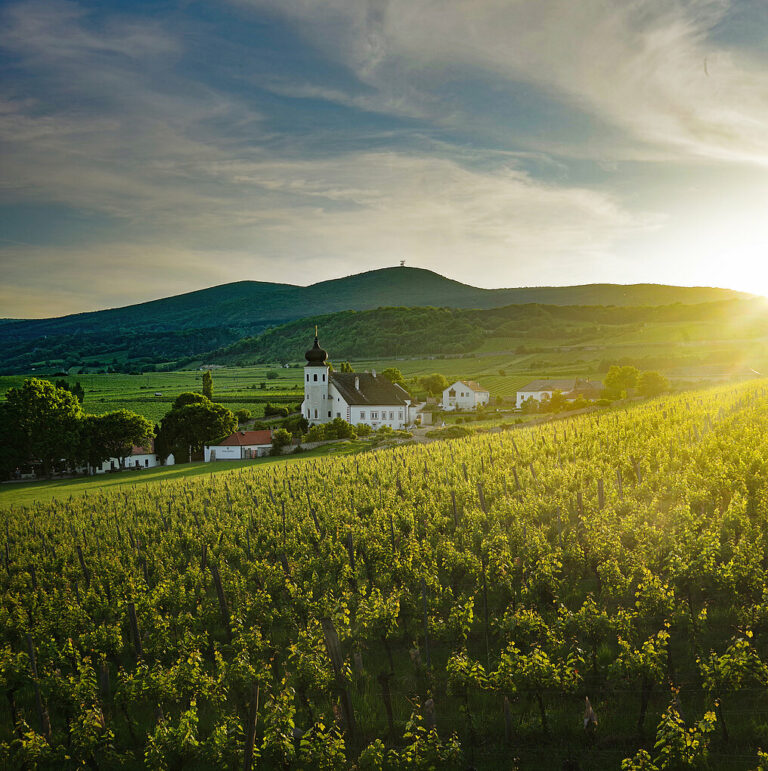
To mark a recent milestone anniversary, Austria’s association of traditional wine estates (ÖTW) invited into its fold a region that is in many regards the epitome of Herkunft, or origins. The Thermenregion, often held up as Austria’s Burgundy, brings a suitably deep and glorious wine tradition. The ÖTW’s intake process for the Thermenregion is in the final stages of fine-tuning, reports chairman Michael Moosbrugger. Most likely, white wines from Erste Lage, or premier cru, sites from the 2022 vintage will be the first to be classified, followed by the reds. “In joining the ÖTW, it was crucial that the region’s…...