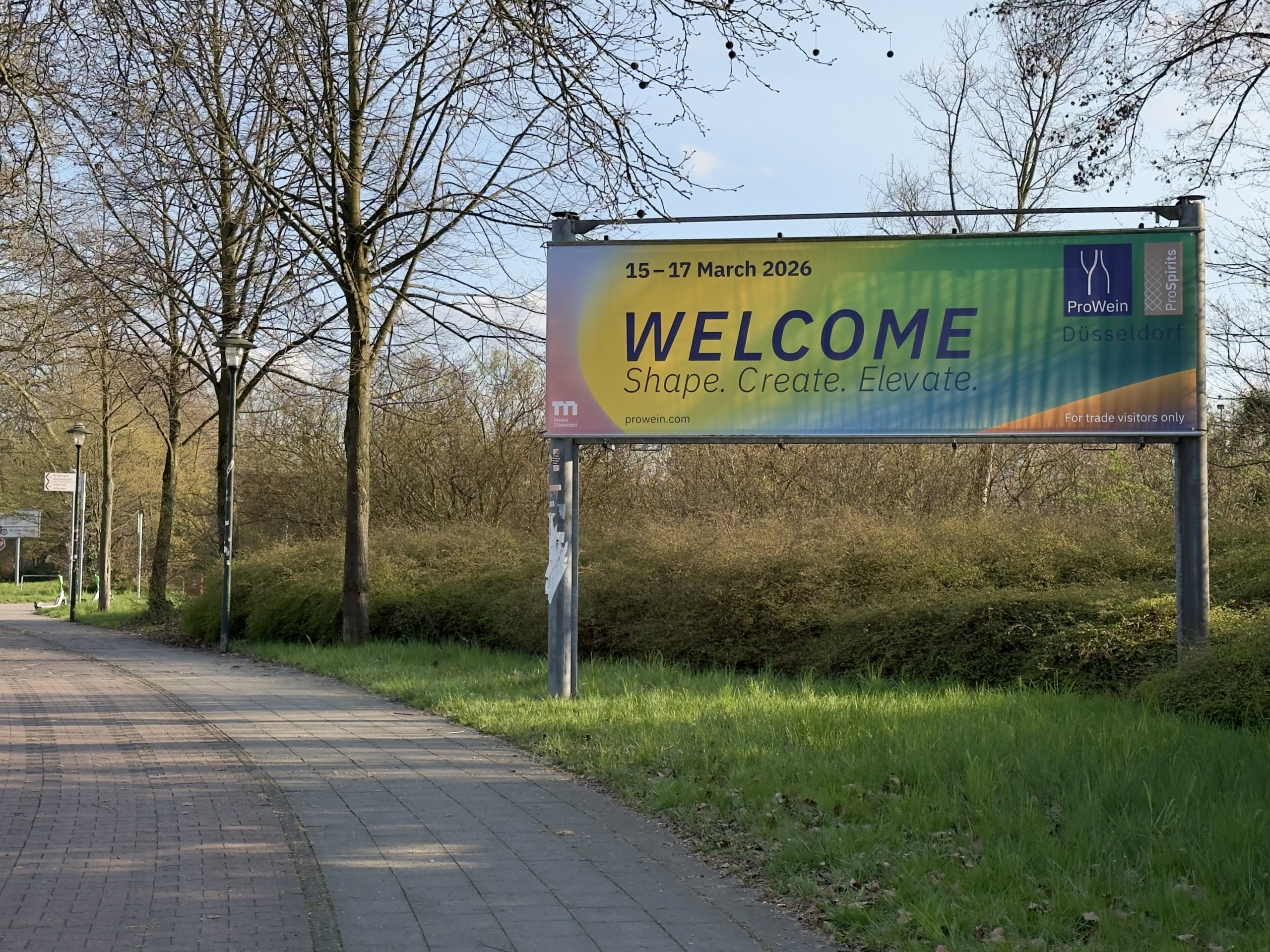
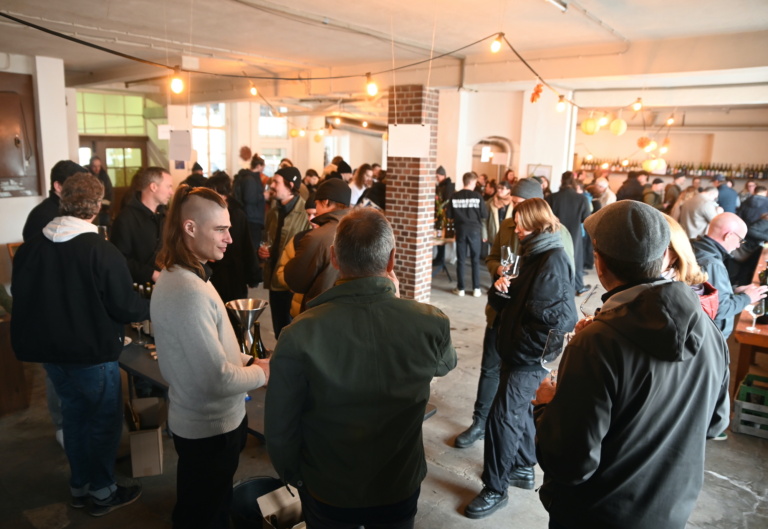
“Die Luft war raus.” The spark had vanished; the bloom was off the rose. That was the phrase circulating in the weeks before ProWein opened, in emails, on the phone, in the particular silence that greets an appointment calendar nobody has the energy to open. Executing pre-fair rituals felt like a chore. My cowboy boots weighed heavy; my playlists, uninspired. And I wasn’t alone. Wine Paris closed its seventh edition in February with 63,541 trade visitors from 169 countries, up 21 percent in a single year. My social media feed was full of smiling faces and hand-lettered “Bonjour! Bienvenue!” signs,…
Paula Redes Sidore moves smoothly between the worlds of wine and words. In 2012, she founded Weinstory, a creative content and translation agency dedicated to transposing the world of German-speaking wine into English. TRINK is the natural extension of that pursuit. She is the German and Austrian regional specialist for jancisrobinson.com and a member of the Circle of Wine Writers. Paula has a Masters degree in fiction writing, and her work has been featured in jr.com, Sevenfifty Daily, Feinschmecker, and Heated. She lives on the northern wall of wine growing with her family in Bonn, Germany.
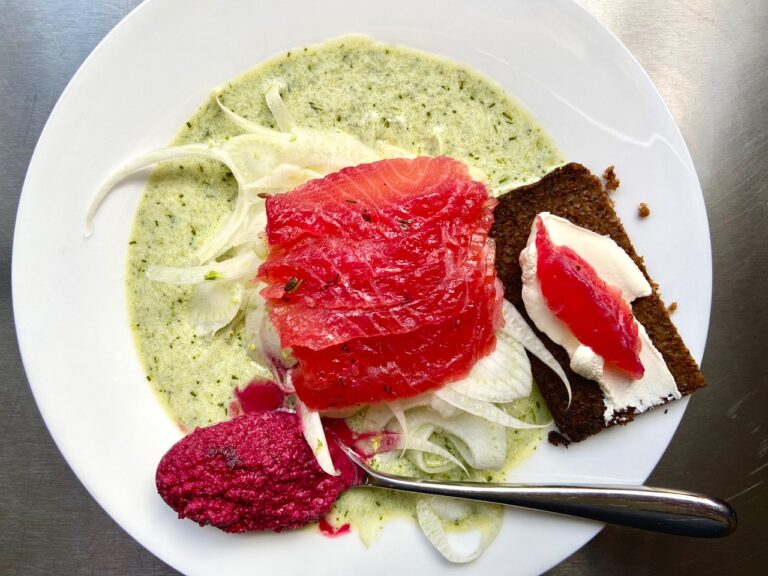
Curing fish is a bit like baking cakes: unless one follows a particular recipe to the letter, the final result inevitably contains an element or three of surprise. Once in the oven, once in the brine, the window for intervention has passed – leaving time and temperature as the only remaining levers. I clearly lack the discipline to work with exact measurements (thus explaining my ban from baking birthday cakes), but I do enjoy the imprecise, historical art of preserving food with salt. Think: classic Sauerkraut, southern German Surfleisch, or – well – salmon. This particular side of freshly caught salmon…...
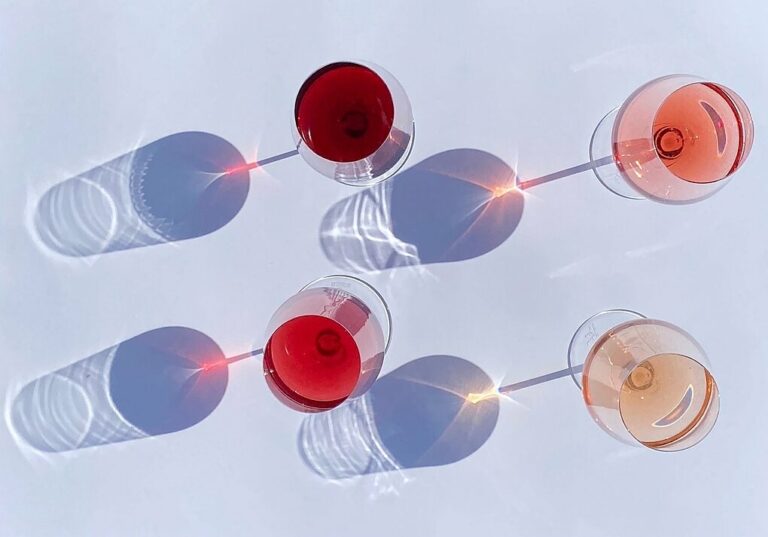
The sun blazes. The air shimmers. On the horizon four figures throw long shadows across the dry, crumbling ground. They are headed toward a city. Doors swing open. The four step from light into dark, their throats dusty and dry. Behind a deserted bar stands a man. He pushes four full glasses over to them. Out of the glasses sloshes a wine as red as the setting sun. If you aren’t thirsty by now, you should at least be hearing the melody of a harmonica. This is how the opening scene of a revival—the Rotling revival—could begin. The four men…...
Kitzingen has never been particularly famed as a mecca for winemaking in Franken. So when I received an invitation to visit this town, 20 km southeast of Würzburg, for a wine presentation by the New Kitz & Friends, I had little reason to suspect it would mutate into a natural wine hub. At this point, New Kitz & Friends are hardly unknowns – certainly not in this magazine. Colleague Rainer Schäfer recently profiled this group of unconventional locals and newcomers, all moving in a cosmic orbit around the pioneering natural wine estate 2Naturkinder. For this event, the New Kitz called…...
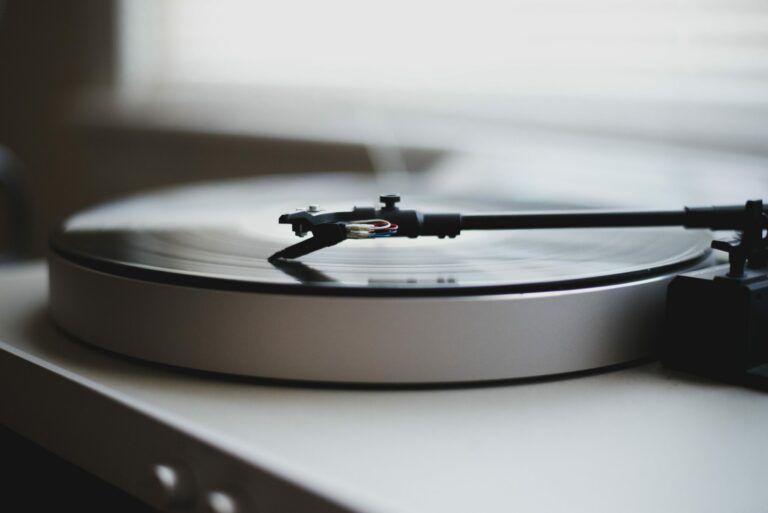
I’ve been a fan of B sides since, well, pretty much since there have been B sides. Record companies have historically used vinyl’s flipside as a holding pen for unreleased or less desirable concept material. Pieces that don’t fit the brand; supplementary songs with minimal hopes and lower aspirations. Filler. Yet, to me B sides embody the edgy and unpredictable, the vulnerable creative underbelly of both artist and medium. Let’s call rosé, the pink “wunder” of the last decade, our A side. Industry figures show that rosé now constitutes some 9% of the global wine market. Thirty-nine percent of wine drinkers in…...