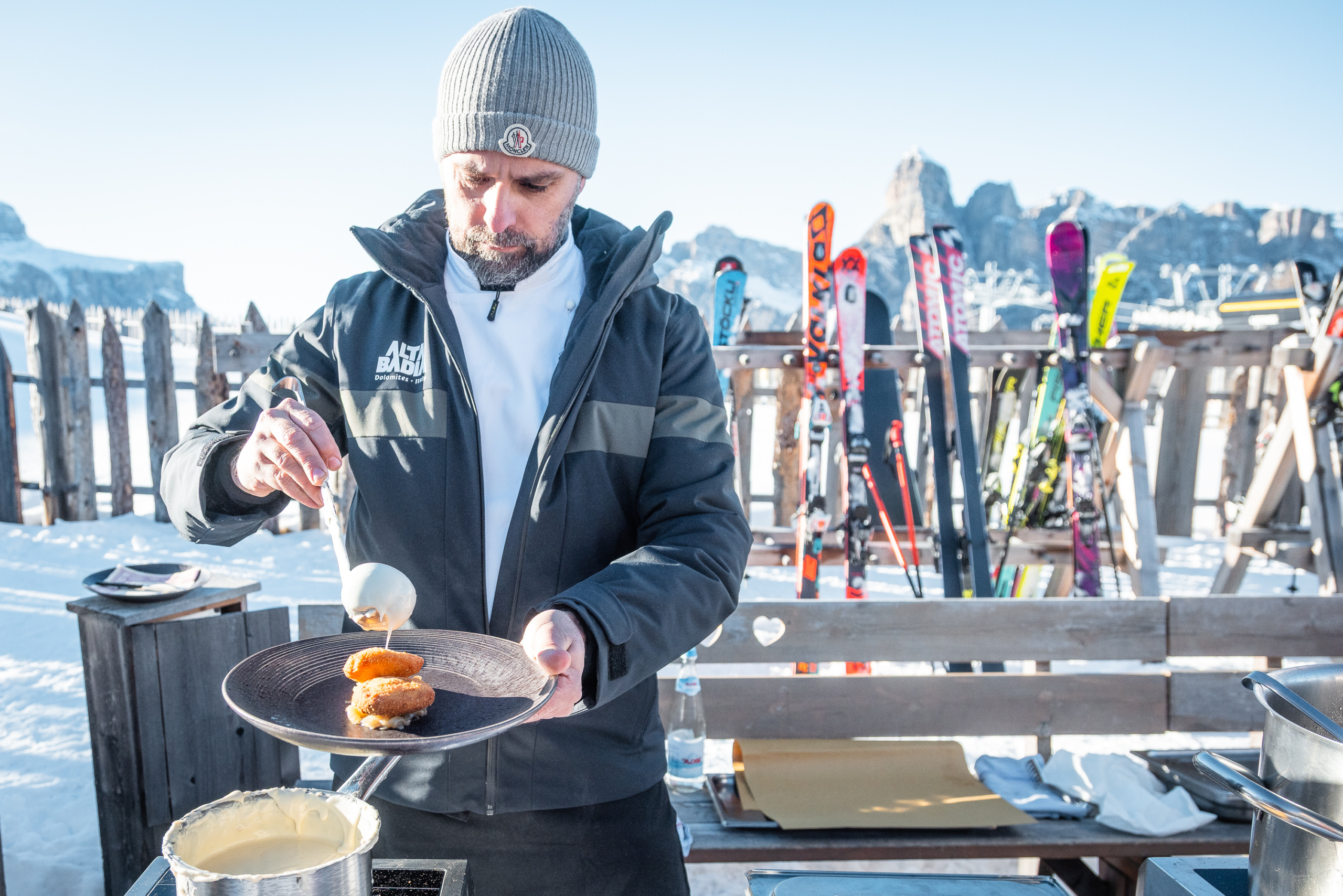
One of several Michelin-starred chefs cooking on the slopes: Alessandro Dal Degan at the Gourmet Skisafari, Alta Badia. Photo Credit: Manuel Glira
At 2,010 meters above sea level, the first thing that changes is your breathing. The second is your appetite. By the time you are standing outside a mountain hut with a glass of Blauburgunder in hand, something else has shifted too. The wine tastes different up here. In December, I went to Alta Badia, a small, jagged pocket of Südtirol-Alto Adige, with skis, a notebook, and a question. Nestled among the villages of San Cassiano, La Villa, Corvara, and the Campolongo Pass, the region is defined by its verticality, snow, and fine cuisine. Every year, as the ski season starts,…
Małgorzata Partyka began writing about wine in 2015. The scientific experience gained from her PhD in human molecular biology helped her write two articles that were published in the Jancis Robinson Wine Writing Competitions of 2017 and 2020. Today, she writes about wine and food for Polish online and print magazines. She lives in Warsaw with her partner and young son.
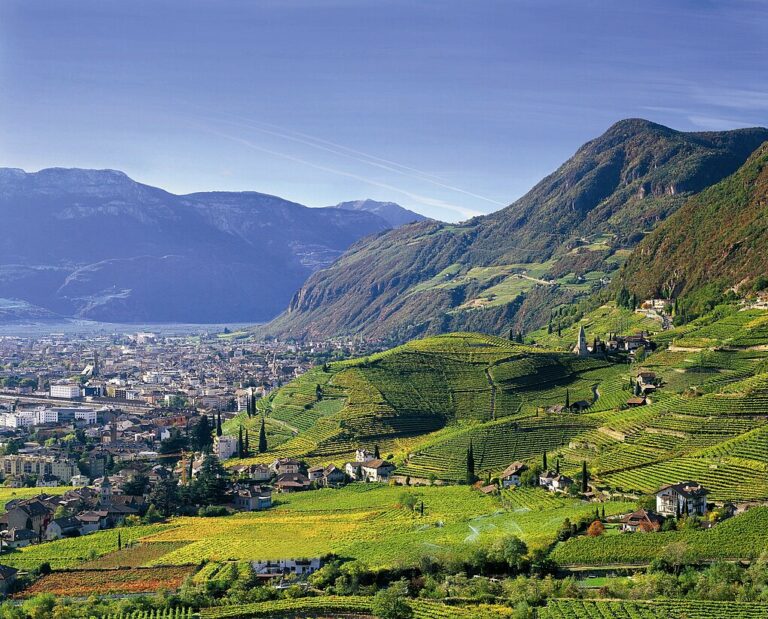
Trink Magazine | St. Magdalener represents perhaps the most powerful and structured of the many Vernatsch expressions in Alto Adige and constitutes an important part of the region’s identity. By Simon Staffler
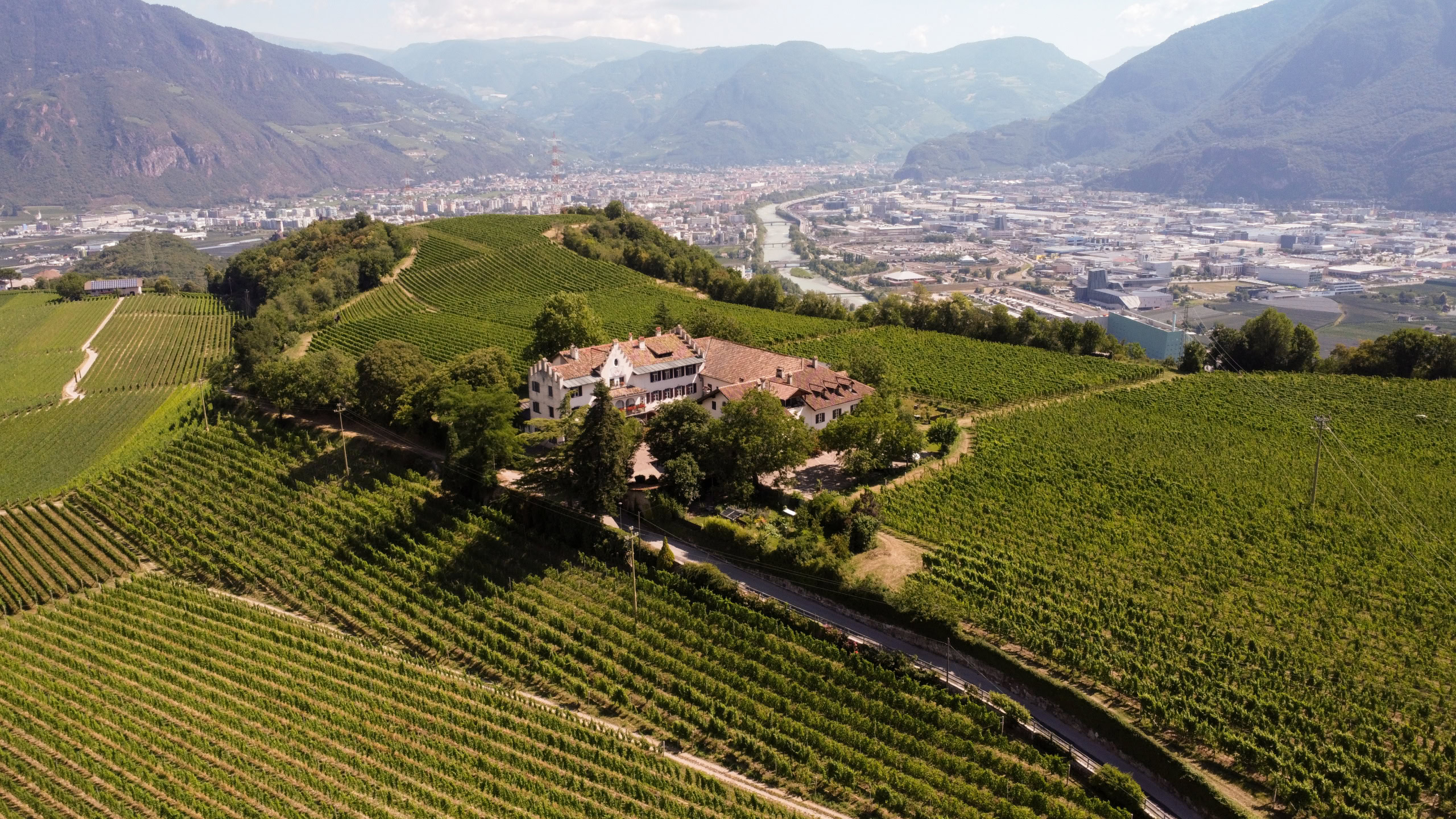
Pranzegg. In der Eben. Thomas Niedermayr. Garlider. Four names that will mean more or less to you depending on where and how you drink wine. Four small-scale organic and biodyanamic growers from four points on the compass of northern Italy’s Südtirol-Alto Adige (aka South Tyrol). Four individualists who, after years of being stuck in the corners at tastings and fairs — singled out as “crazies” for their cloudy cuvées, atypical varieties, and defiant styles — decided that being outsiders together would, at a minimum, be more fun. More off-piste than pissed-off, Freistil (“free style”) was born. South Tyrol’s trademark is mountainous diversity. A remarkable living…...
The view from the Gasthaus patio across the South Tyrolean valley is framed by lush vegetation and floral splendor. Three weeks ahead of schedule, nature has already reached peak blossom and seems literally bursting with fertility. Wherever you look, all that can grow, does. Bees buzz, butterflies flutter, and the inn is teeming long before even the first wave of spring tourists. The regional charcuterie board arrives with a bottle of Gewürztraminer, amplifying the unrelenting sensory euphoria of flowers, landscape, sunshine, and speck. Skeptics are the ones missing out because Gewürztraminer over the Alps has never been better. Back in Germany, where Gewürztraminer’s reputation…...
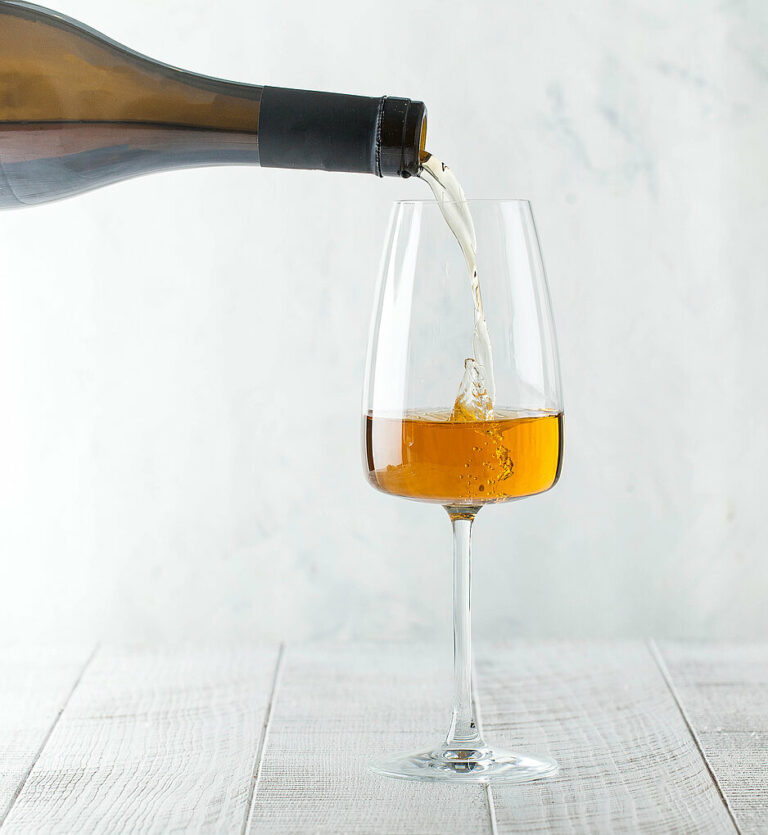
Skin-contact white wines may have their revolutionary roots in Georgia, Slovenia, and Friuli, but the umlaut zone also stakes a strong claim for orange expressions. Austria was an early and highly successful adopter (think Tschida and Tscheppe, Muster and Meinklang). For this, thank geographic proximity, shared traditions, a former empire’s worth of fascinating white varieties, and the remarkable open-mindedness of producers, especially in Styria and Burgenland. Germany came later to the game. The country has been slower to embrace natural and experimental styles generally and its signature variety, Riesling, requires an exceptionally deft hand to succeed in skin-fermented form. However, German…...
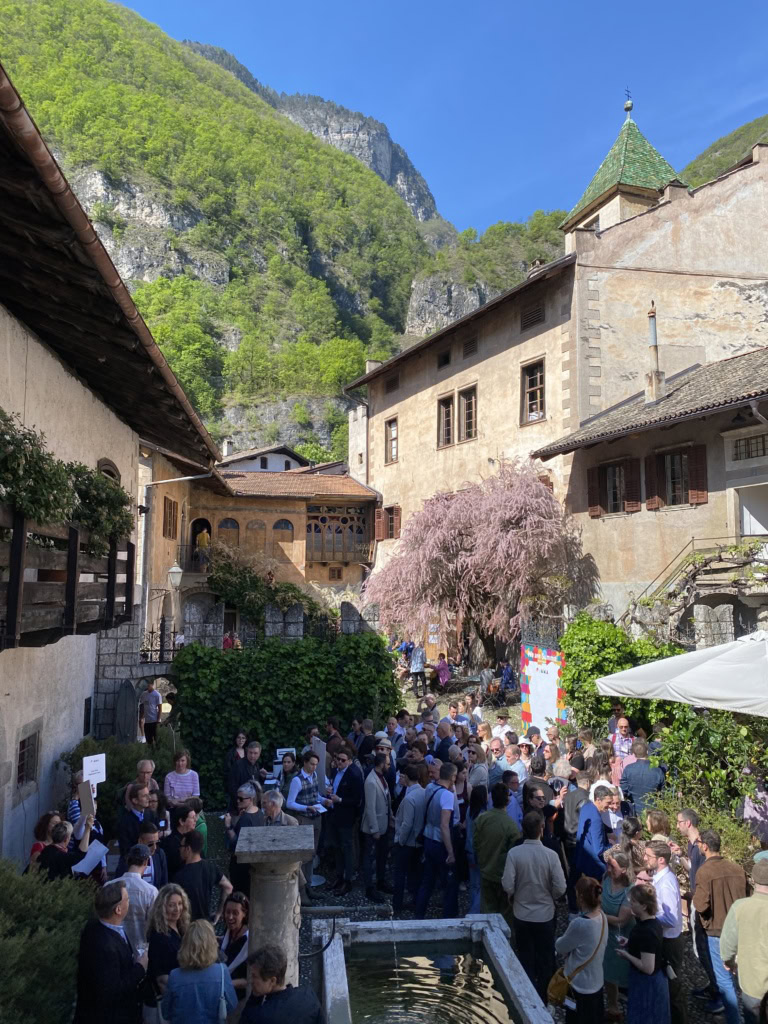
Gatherings dedicated to wines outside the mainstream have become ubiquitous. Even so, one fair seems to cut through the noise: Summa. This small event, held each spring ahead of the global trade convention Vinitaly, has established itself as the grande dame of the alternative wine scene. But it’s fair to ask: with so much competition, does Summa still shine? It’s early April and the sun glistens on the peaks of the Alps, which remain white even now. On the southbound train from Bozen, the mood is good. It’s 10 am but temperatures have already reached high-summer levels. Arriving in the…...