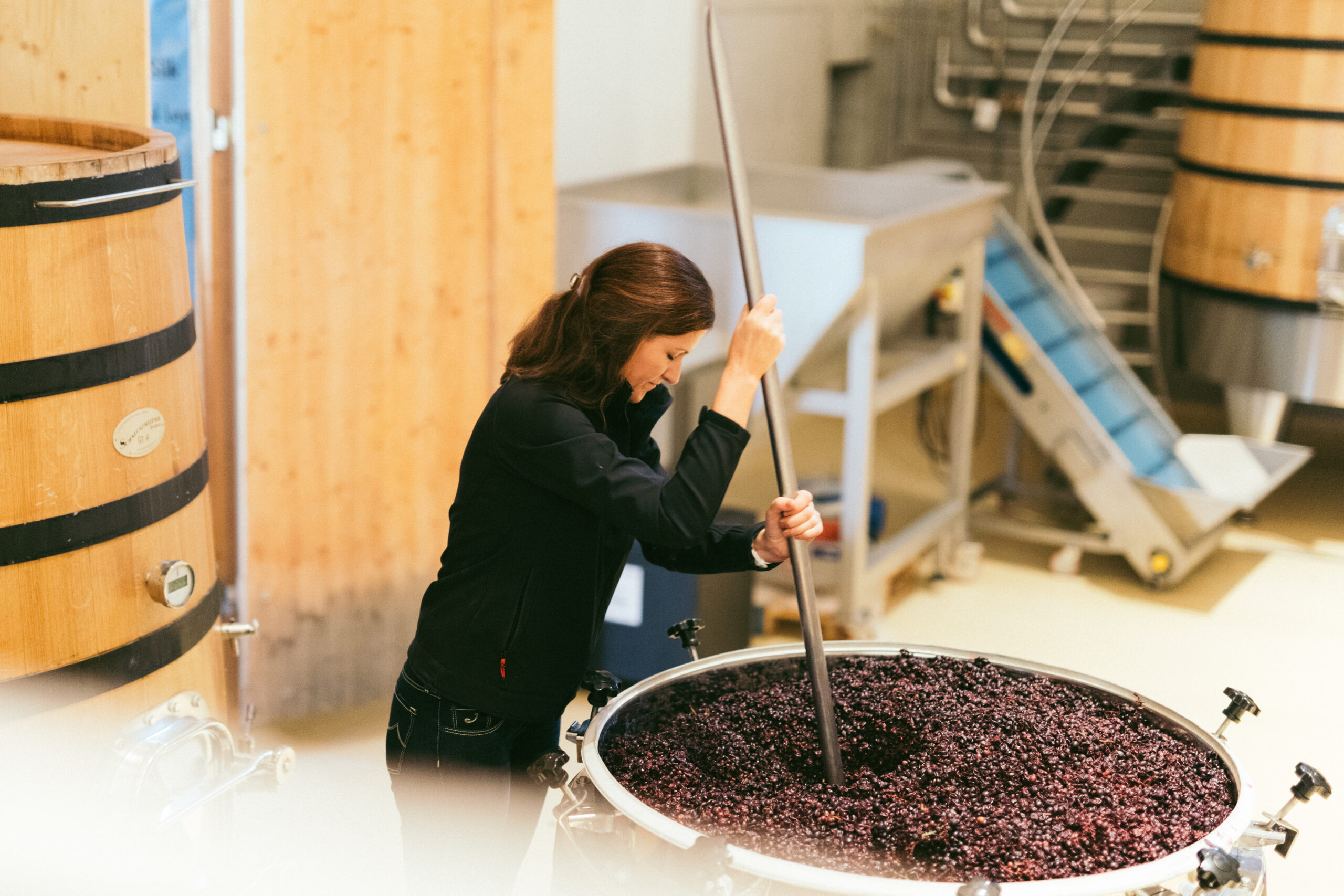
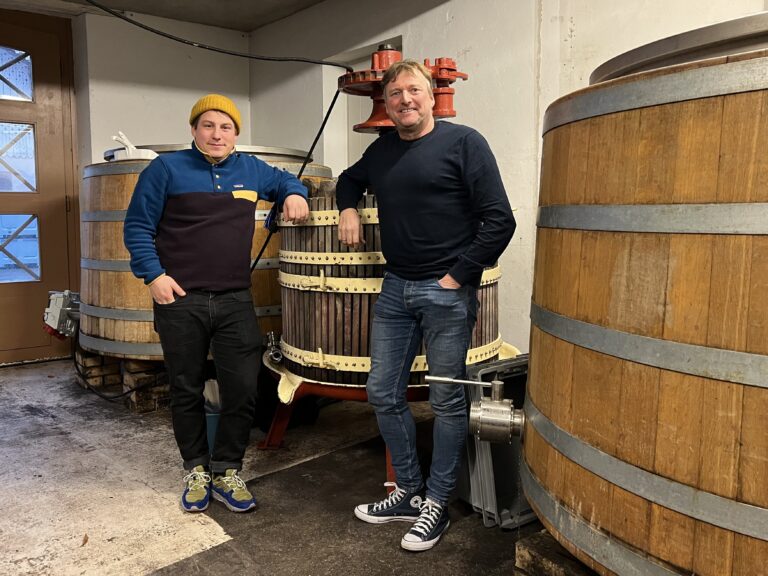
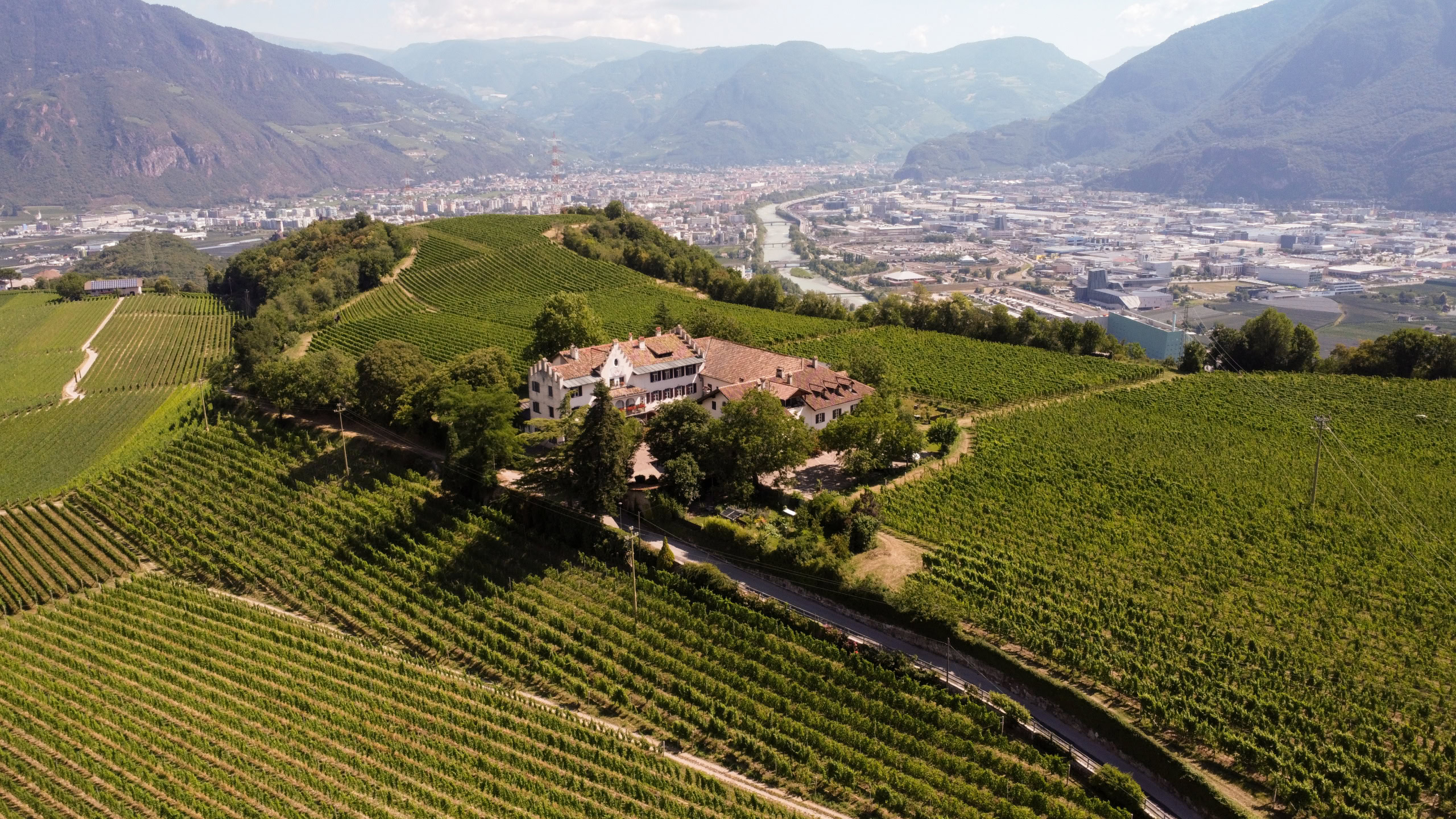
Weingut Blankenhorn It wasn’t love at first sight for Martin and Yvonne Männer of Weingut Blankenhorn in Schliengen. On a trip to Switzerland in spring 2015, they were initially disappointed by the Gutedel (a.k.a. Chasselas) they found there. Or, to be more precise: by how the vintners they encountered vinified it. But when they ordered a bottle of 18-year-old Chasselas Médinette Dézalay Grand Cru from Domaine Louis Bovard on their last night in Geneva, at the Michelin-starred Le Chat-Botté, they realized they had found the key to making a multifaceted, indeed divine Gutedel. Ever since, Langlebigkeit, or longevity, has been part of Weingut Blankenhorn’s DNA. Their wines tell a…
A geographer by training, Bart’s understanding of soil, geomorphology, and climate, important factors in winemaking, was kindled at an early age. But it was his move to Basel, on the doorstep of Baden and Alsace, that really stirred up his interest for wine. Since his studies at the Austrian Weinakademie, wine has been his profession. Apart from writing for several European publications, such as Perswijn (NL), Apéritif (Norway), Metropole (Austria), Bart organizes wine trips and moderates tastings. An avid amateur flautist, Bart is also very honored to be writing the English program notes for the Sinfonieorchester Basel for the fourth season running.
March 25, 2024 Update: Eva Fricke and the German Wine Collection no longer together. Apparently, the tango takes even more complex footwork than either party anticipated. And the frisson of friction is real. In wine, the relationship between importer and producer works better when it’s more tango than transaction. First there is the careful footwork of their own internal negotiations, then a set of fancy steps together for the audience. The goal is to position the new producer within an aesthetic and cultural context that would-be consumers will find attractive. It is a delicate dance that requires surprising intimacy and…...
People imagined him to be an alchemist. Granted, it wasn’t gold his slender hands were currently molding, rather a gleaming tinted zinc capsule, encompassing perfect angles and gracing the long slender neck of a curvaceous body. While such language might seem passé in 2021, the characters who regularly participated in such frolics were not. Many were successful, most of them hailing from families older than the states whose passports they’d carry in their bespoke suits. Make no mistake: even here, the wealthier they were, the less attention to proper attire; and don’t let us get started on the unshaven angel…...
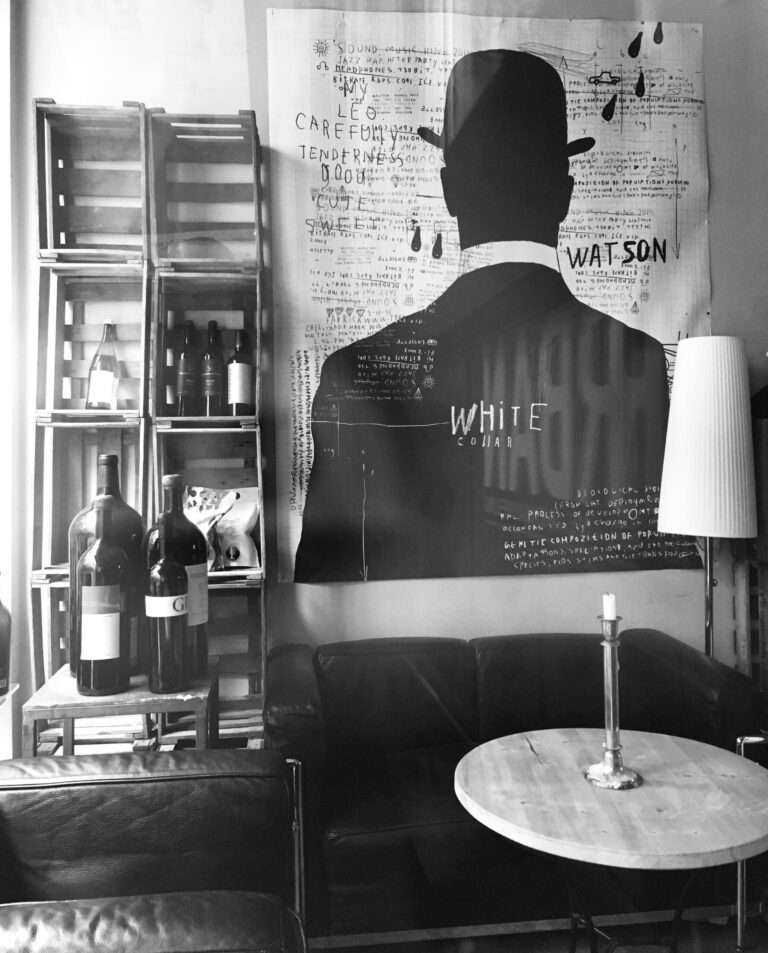
The intimate wine bar from Holger Schwedler, the size of a Texas walk-in closet, sat off a quiet pedestrian alley not far from the famous curative hot spring of Wiesbaden, the Kochbrunnen. Too small for a kitchen, the wine bar encouraged patrons to bring their own vittles, which, like the guests, included a variety...
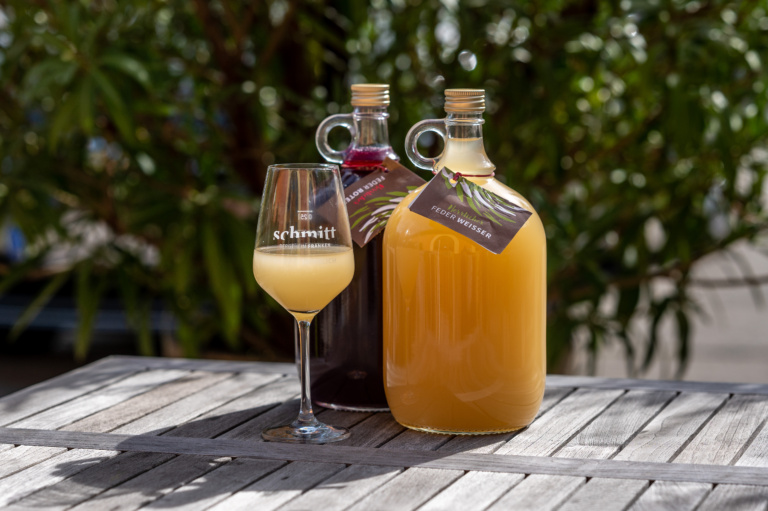
A bottle of wine is a foregone harvest, a transmuted measure of the soil, sun, and rain that fed erstwhile grapes. Federweißer, however, is an immediate taste of the harvest. In 2007, I was fresh out of college and living in Mainz, Germany, a gateway to major wine regions like the Rheingau and Rheinhessen, when I first encountered the young, sweet, low-alcohol wine called Federweißer and its red counterpart, Federroter. It was late summer when wooden stalls selling Federweißer materialized throughout the pedestrianized city center. There, I had my first swigs alongside Zwiebelkuchen, a flaky onion tart with a caramelized…...