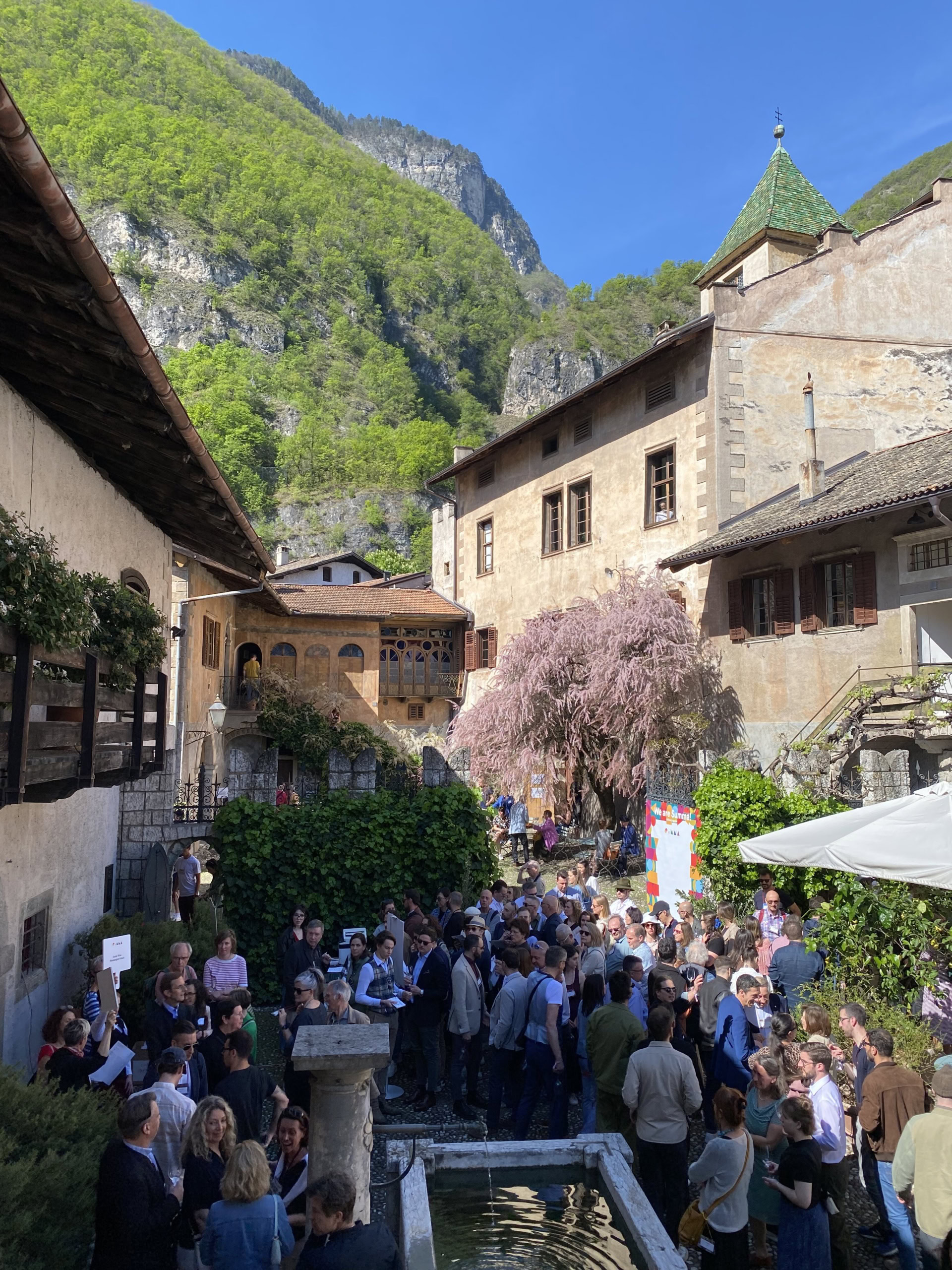
Gatherings dedicated to wines outside the mainstream have become ubiquitous. Even so, one fair seems to cut through the noise: Summa. This small event, held each spring ahead of the global trade convention Vinitaly, has established itself as the grande dame of the alternative wine scene. But it’s fair to ask: with so much competition, does Summa still shine? It’s early April and the sun glistens on the peaks of the Alps, which remain white even now. On the southbound train from Bozen, the mood is good. It’s 10 am but temperatures have already reached high-summer levels. Arriving in the…
Kevin Puls works in advertising and PR. His passion for Austrian wine began nearly two decades ago and he's regularly tasted the vintages of the Alpenrepublik from the Wachau to Styria. His weakness for estates that work organically and for natural wines started with Gut Oggau's 2007 vintage. He's also a regular visitor to Franken. He blogs about food, wine, and the people who make them.
Pranzegg. In der Eben. Thomas Niedermayr. Garlider. Four names that will mean more or less to you depending on where and how you drink wine. Four small-scale organic and biodyanamic growers from four points on the compass of northern Italy’s Südtirol-Alto Adige (aka South Tyrol). Four individualists who, after years of being stuck in the corners at tastings and fairs — singled out as “crazies” for their cloudy cuvées, atypical varieties, and defiant styles — decided that being outsiders together would, at a minimum, be more fun. More off-piste than pissed-off, Freistil (“free style”) was born. South Tyrol’s trademark is mountainous diversity. A remarkable living…...
Trink Magazine | St. Magdalener represents perhaps the most powerful and structured of the many Vernatsch expressions in Alto Adige and constitutes an important part of the region’s identity. By Simon Staffler
Trink Magazine | Valerie Kathawala hazards forecasts for the future of wines from Alto Adige-Südtirol, Austria, Germany, and German-speaking Switzerland.
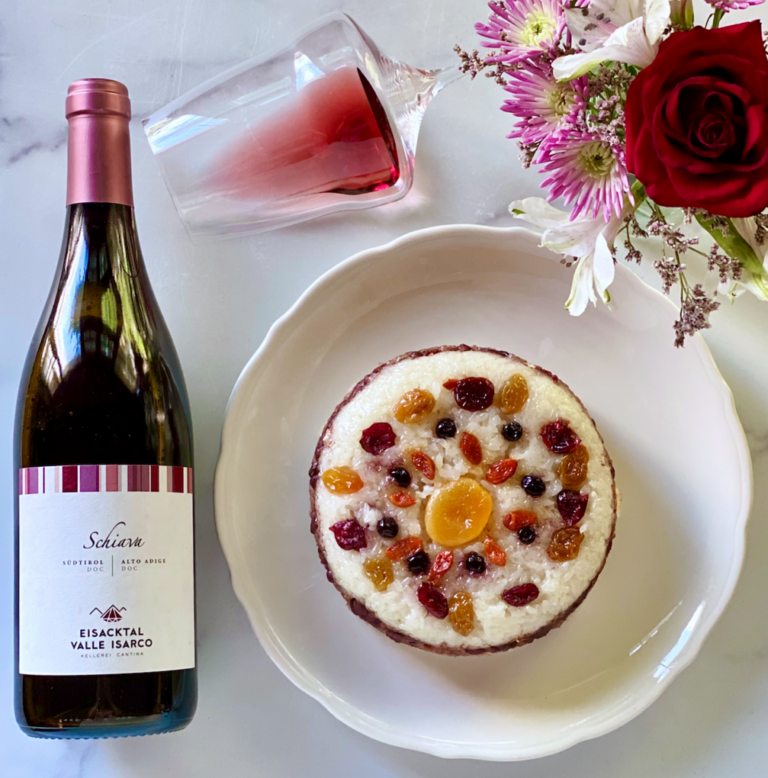
Lunar New Year (aka Spring Festival, or Guo Nian in Mandarin) is arguably the most important holiday for people of Chinese heritage — especially in Taiwan, where I grew up. It’s been my favorite since I was a kid. Now, living in Brooklyn, I recall that a few days before the New Year every household starts to “sweep the dust” to banish bad luck, erase unhelpful habits, and create positive new ones. On the day before New Year’s Eve (a holiday we call Little New Year’s Eve), we will take down the old Spring Festival couplets and replace them with fresh verses. On New…...
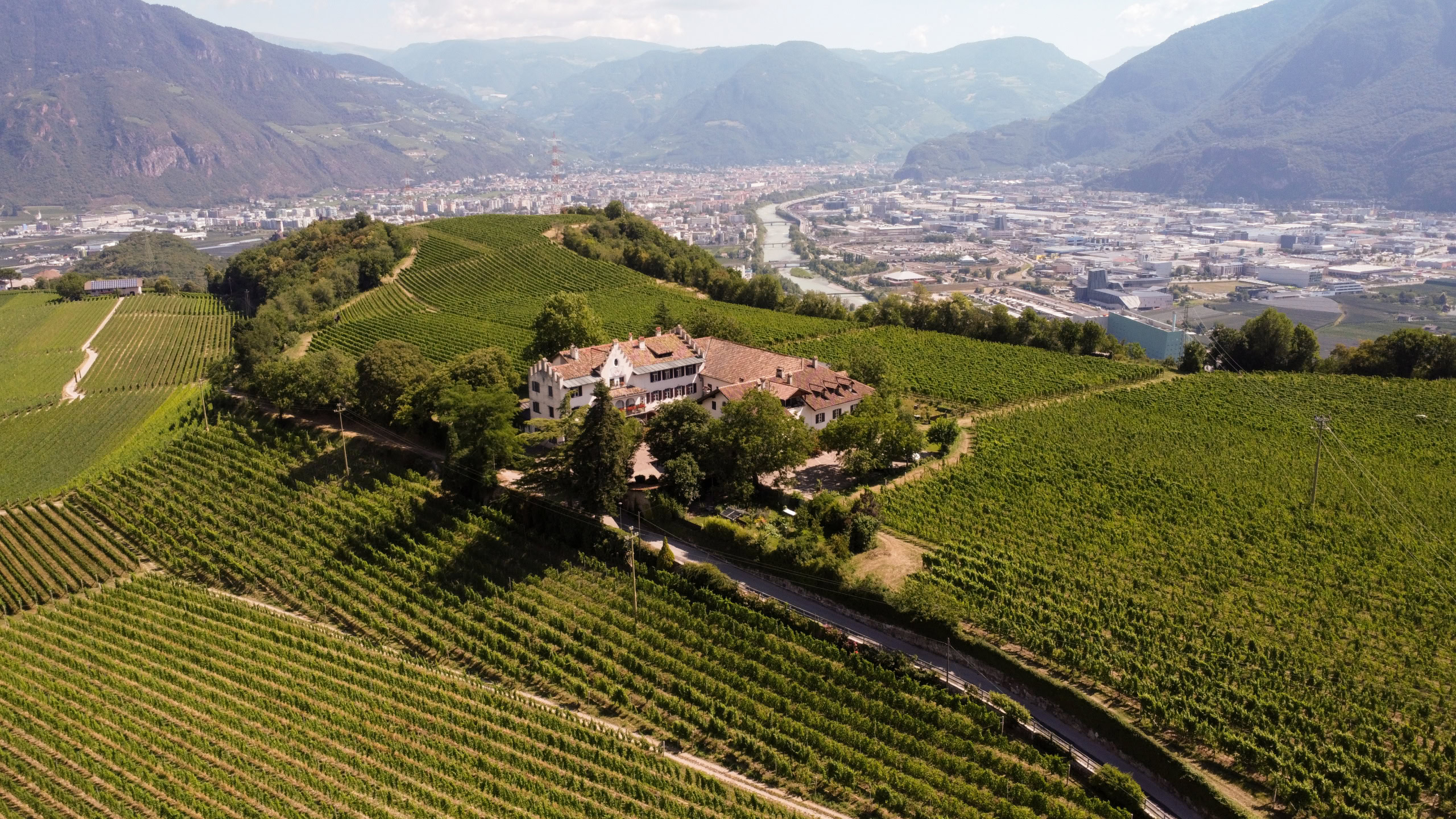
In the heart of Alto Adige-Südtirol, infinite green rows of vines crown the chestnut-brown roofs of Neustift Abbey. In this fairytale-like northern Italian valley, German and Italian coexist in mutual synchrony, a vivid reminder of a not-so-distant past when this was part of the Austrian Empire. The fortified ensemble houses a monastery, boarding school, museum, and winery within its Romanesque, Baroque, and Rococo walls. Wine has been made using grapes of the region here for the last nine centuries, all under the vigilance of Augustinian canons. Grüner Veltliner, Kerner, and Sylvaner reflect the terroir, proudly representing the abbey in local…...