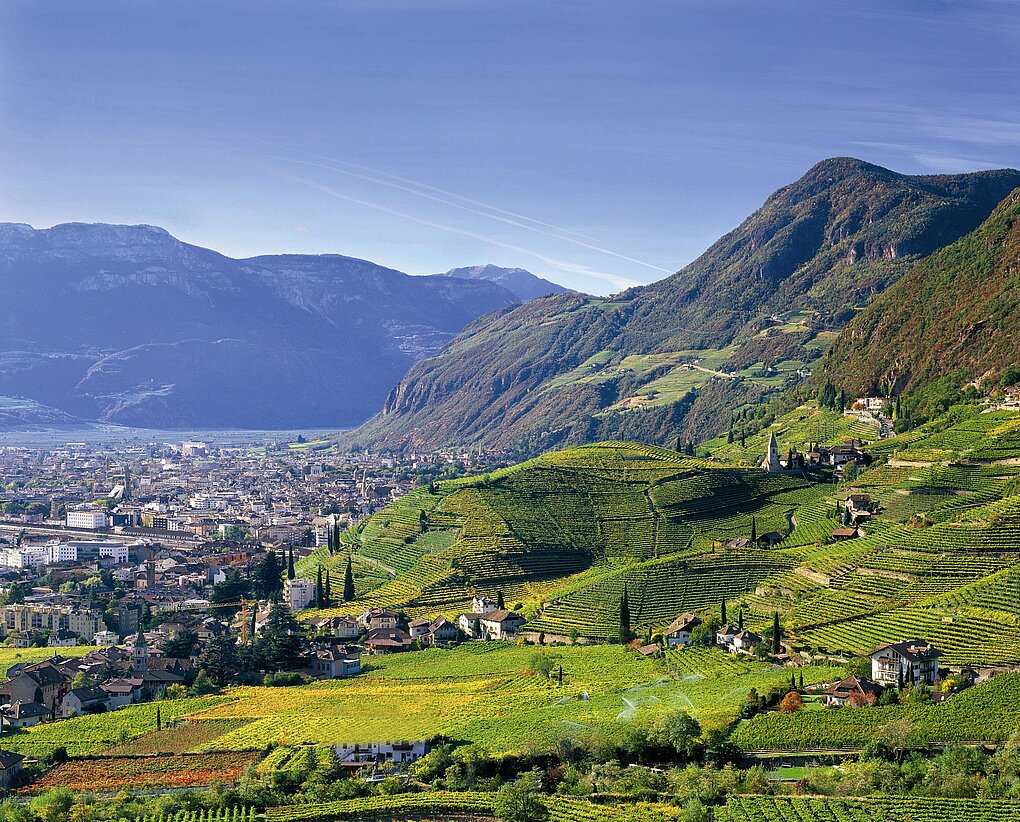
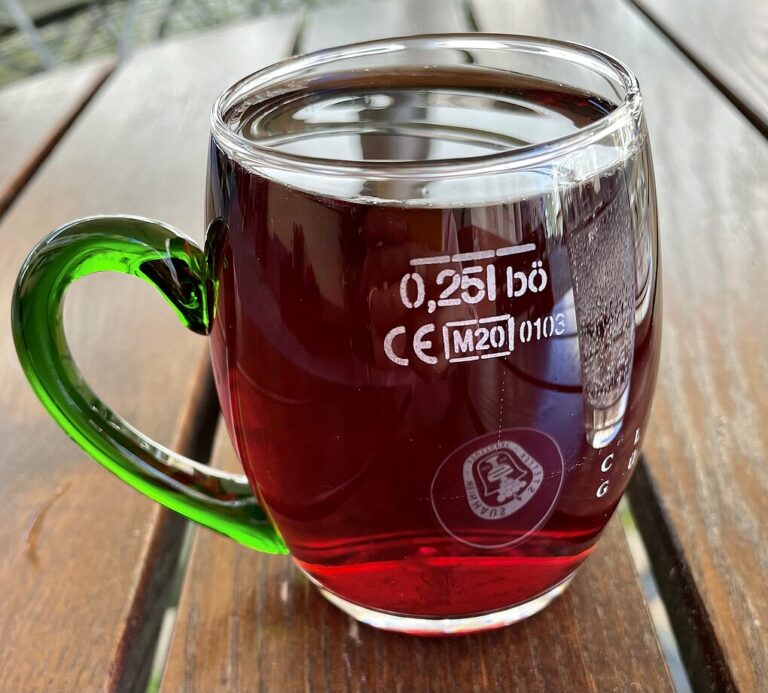
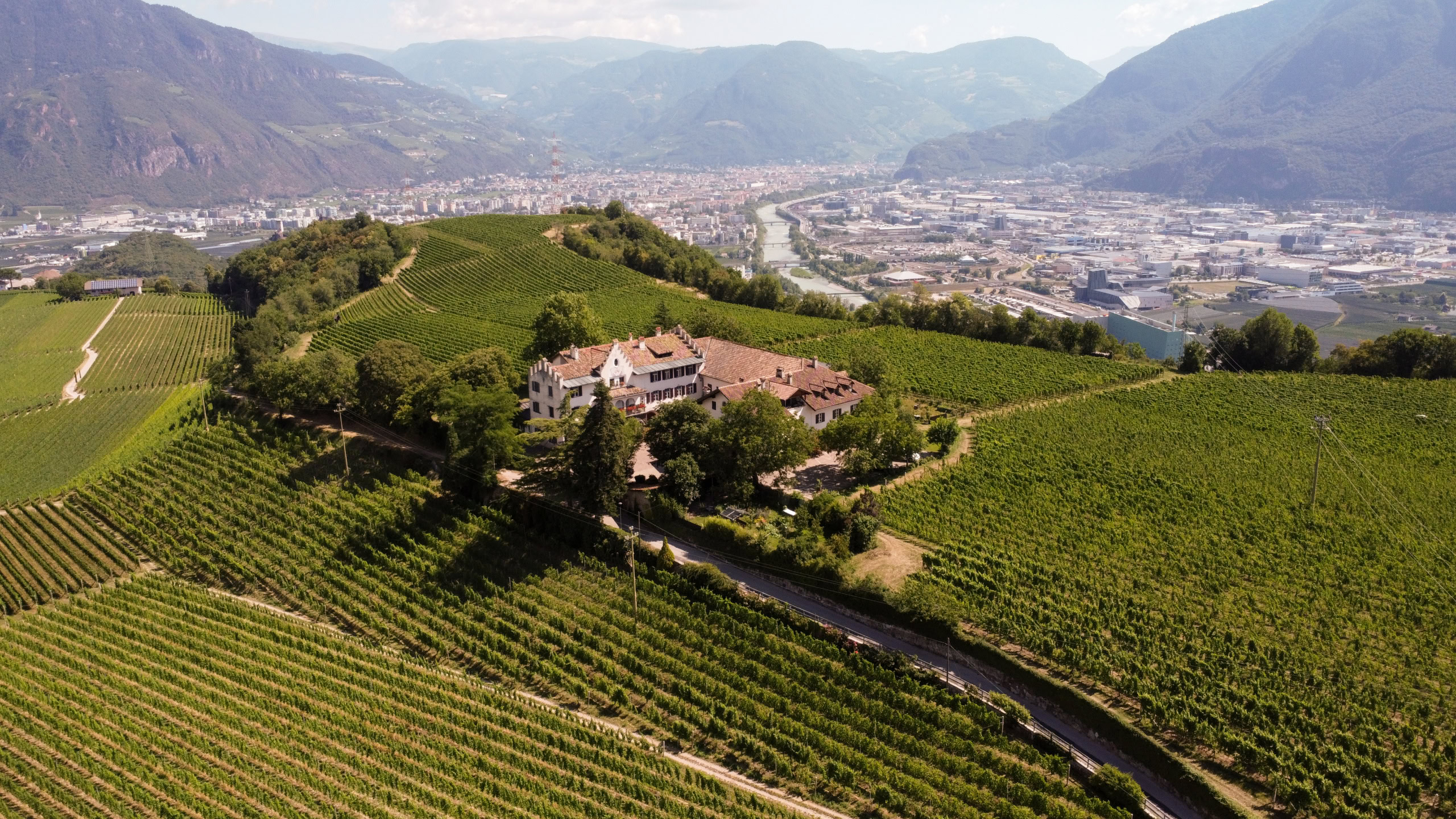
Trink Magazine | St. Magdalener represents perhaps the most powerful and structured of the many Vernatsch expressions in Alto Adige and constitutes an important part of the region’s identity. By Simon Staffler
As a certified sommelier, Simon Staffler sniffs his way through the wine world - predominantly that of Italy – tasting, texting and teaching for Falstaff Magazine as well as many others. As a passionate cook he can never leave a good plate standing, and is willing to travel miles for a special wine or ingredient. A self-declared jack-of-all-trades, he fronted the band VINOROSSO for 10 years, has been known to add his two cents as a talk host on a local radio station, and has launched a beer brand with friends. Simon Staffler has been working for Wineline International since 2017. He lives in Merano downtown, Südtirol.
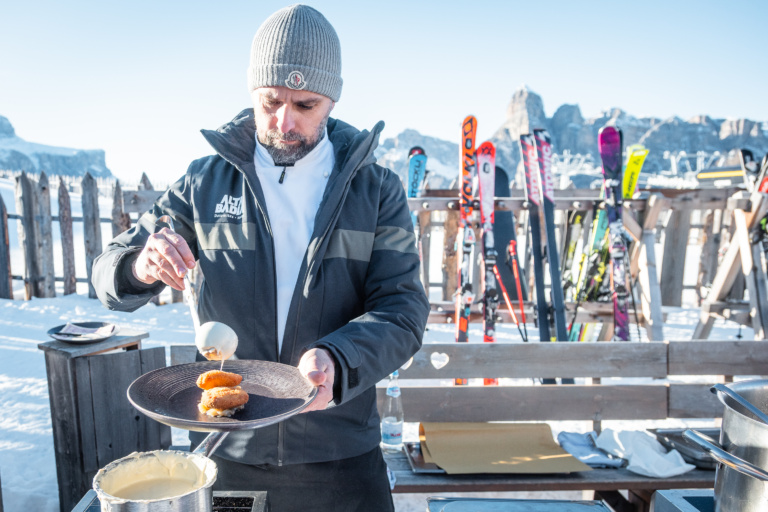
At 2,010 meters above sea level, the first thing that changes is your breathing. The second is your appetite. By the time you are standing outside a mountain hut with a glass of Blauburgunder in hand, something else has shifted too. The wine tastes different up here. In December, I went to Alta Badia, a small, jagged pocket of Südtirol-Alto Adige, with skis, a notebook, and a question. Nestled among the villages of San Cassiano, La Villa, Corvara, and the Campolongo Pass, the region is defined by its verticality, snow, and fine cuisine. Every year, as the ski season starts,…...
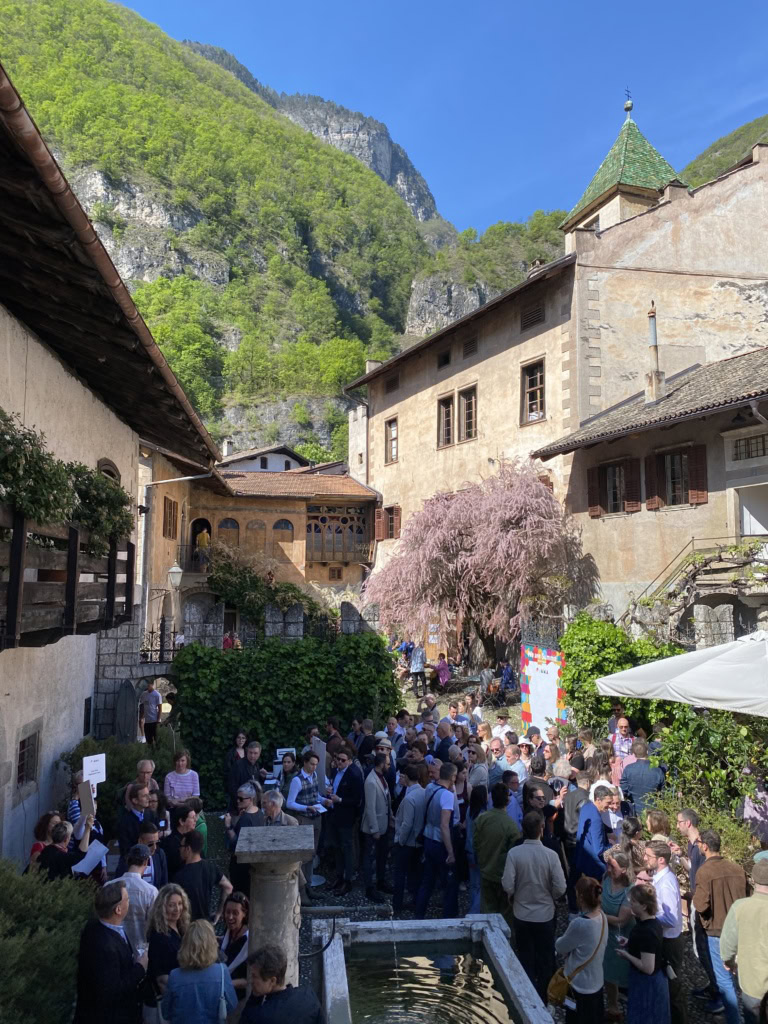
Gatherings dedicated to wines outside the mainstream have become ubiquitous. Even so, one fair seems to cut through the noise: Summa. This small event, held each spring ahead of the global trade convention Vinitaly, has established itself as the grande dame of the alternative wine scene. But it’s fair to ask: with so much competition, does Summa still shine? It’s early April and the sun glistens on the peaks of the Alps, which remain white even now. On the southbound train from Bozen, the mood is good. It’s 10 am but temperatures have already reached high-summer levels. Arriving in the…...
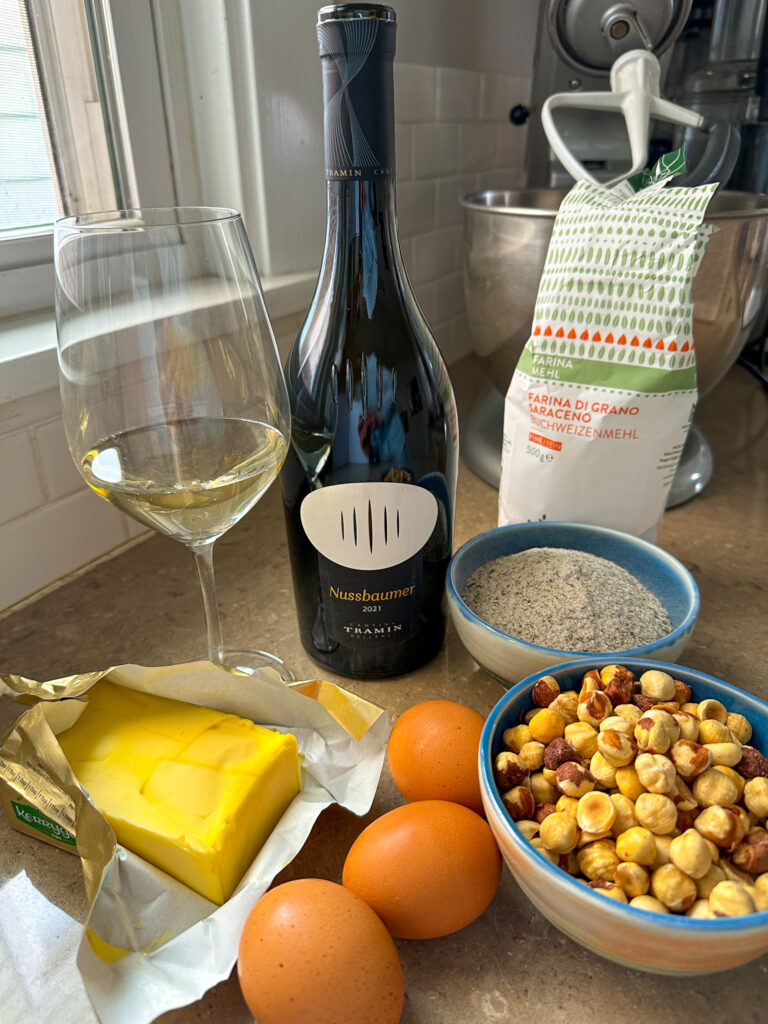
A baker falls in love with hiking, cake and wine in the Italian wine region of Südtirol-Aldo Adige and returns home to recreate the textures and flavors.
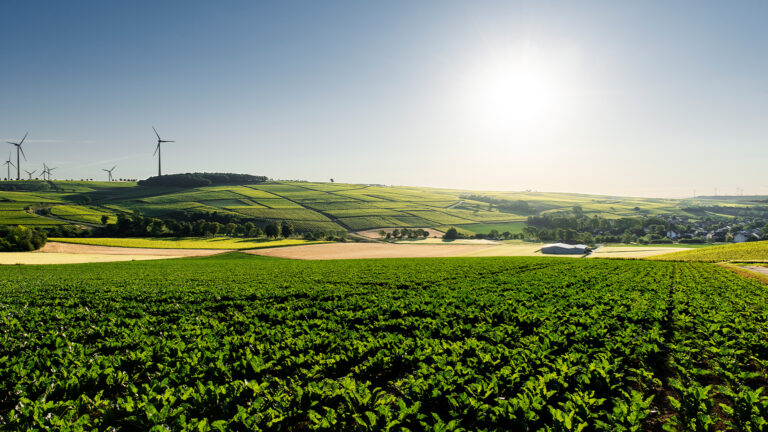
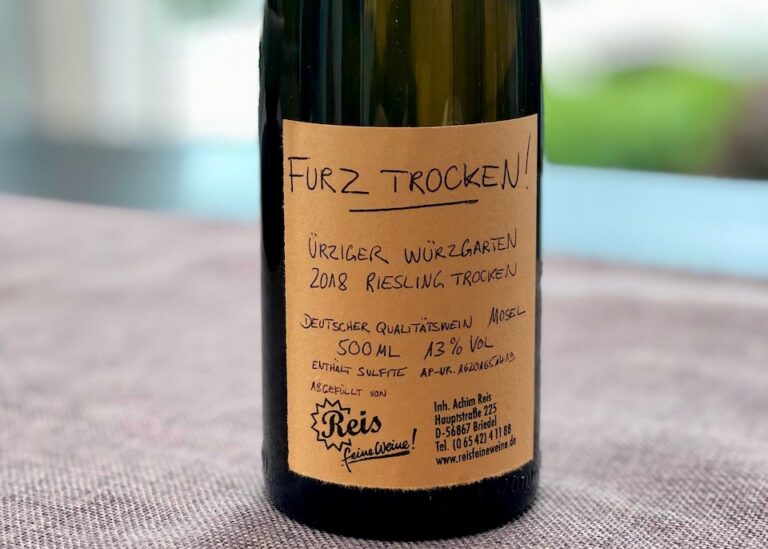
The dark wit of Berlin. Dangerously low water levels in the Rhine River. Black bread. Germany does trocken like few others. And then there’s the wine. Despite its reputation as the land of Blue Nun, more than 60 percent of the wines made in Germany are dry. And within that 60 percent, there are discernible levels of dry, drier, and driest. So dry, in fact, that there’s a strangely specific word for it. (Of course there’s a word. It’s Germany. There’s always a word.) Furztrocken. Fart Dry. Literally. As difficult to grasp as I find a term like feinherb, it’s Kinderspiel when compared to furztrocken. Then again, mindset…...