Is there a way to understand a vineyard? Wines from certain sites evoke the urge to uncover more about the place and the reason the wines taste the way they do. These are wines that, whatever the vintage or producer, manage to stay true to some sensory basics. Riesling might be the medium, but the message is origin. Geography and geology are where the notion of terroir begins. To understand a vineyard is to listen to what place tells us through location, aspect, and soil. Zöbinger Heiligenstein in Kamptal, Austria has plenty to say. The brave little vineyard: Heiligenstein’s storied…
Håvard Flatland is a chef and freelance wine writer. He enjoys wine from many angles, from the conviviality of bottles and friends to scrutinizing the tannic structure of a Barolo. For three years he worked as sommelier at Park Hotel Vossevangen and he once came second in a national cake competition.
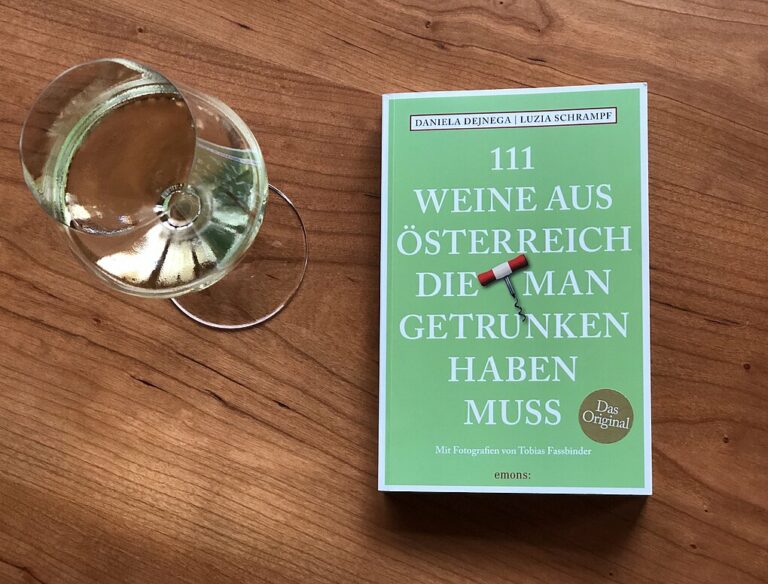
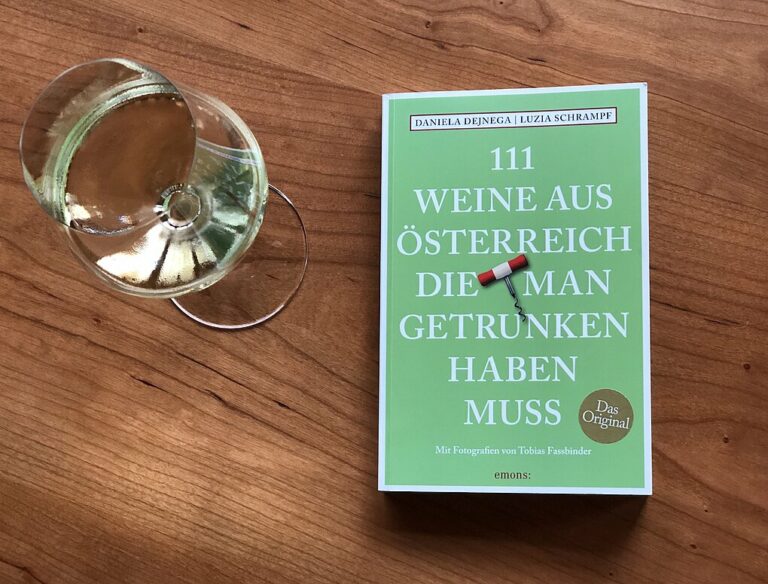
With its nearly ideal set of conditions — location, climate, indigenous varieties —Austria’s Thermenregion curiously remains an insider secret. In addition to a colorful mix of varieties common in Austria, this region just south of Vienna devotes 200 of its 2,200 hectares to the autochthonous grapes Rotgipfler and Zierfandler. They are the region’s great opportunity and are now back in growers’ sights, as illustrated by their well-deserved inclusion in the book 111 Weine aus Österreich, die man getrunken haben muss. Beyond this, some producers here are venturing into new areas, like pét-nat, while among red wines, Sankt Laurent and Pinot…...
111 Austrian Wines You Must Not Miss showcases the diversity and range of Austria’s wine landscape — beyond the ubiquitous fresh and fruity Grüner Veltliner. In it, wine journalist Luzia Schrampf and I tell 111 short, engaging stories, packed with wine knowledge and insight into what goes into growing and making a wine, as well as the many and varied ideas and philosophies of Austria’s vintners. An extraordinary number – nearly 80 per cent – of those featured in this book farm organically and more than a few produce natural wines. Here are three wines – white, orange, and red, from…...
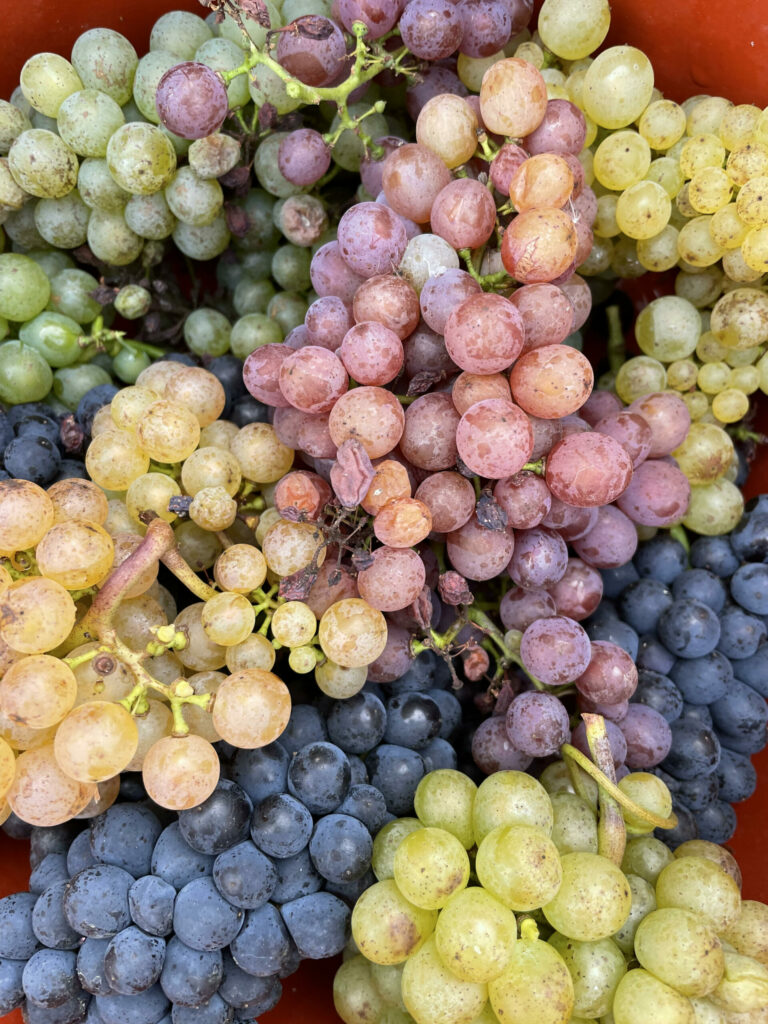
The year is 1806. The date June 17th. Privy Councilor Goethe sits in Frankfurt — high and dry. He reaches for his quill and writes a letter to a friend: “Send me some Würzburger wine, for no other wine satisfies, and I am morose without my accustomed favorite drink.” While the line may not be poetic, the composition Johann Wolfgang von Goethe thirsted for is. The wine in question was, quite possibly, “Frentsch” (local dialect for Altfränkischer Satz or Old Franconian Mixed Set): a field blend of some 20 grape varieties, all planted, harvested, and fermented together. What once gave growers a bit of…...
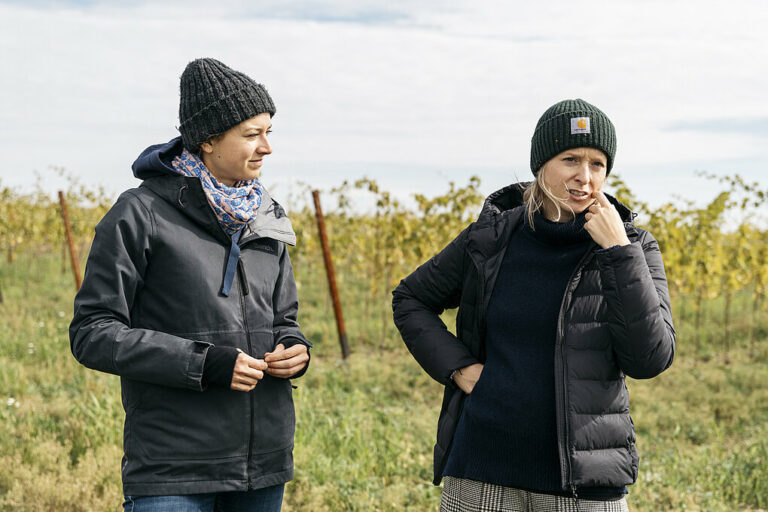
This article is an excerpted chapter from We Don’t Want Any Crap in Our Wine (2019). After the book went to print, the Rennersistas informed the author that Susanne Renner left the winery, which will now be run by siblings Stefanie and Georg. In 2015, Susanne and Stefanie Renner took over the family wine business in Gols, Austria and became their parents’ bosses. In short order, the sisters converted to biodynamics and created their own line of wines, Rennersistas, in addition to the family’s traditional red Renner cuvées. Ever since, Susanne and Stefanie have reveled in the freedom of making…...
Wine regions are threaded along the Danube, one after another, like a string of Chanel pearls. Wagram, Kamptal, Kremstal, Wachau. And Traisental — the only one that lies exclusively south of the Danube. Its namesake river, the Traisen, divides the valley as the Seine does Paris or the Gironde does Bordeaux, into left and right banks. The tiny region flaunts French finesse and cool avant-garde. But also a rustic, down-to-earth charm. In Paris, the Left Bank is the quartier of intellectuals and artists. Through Yves Saint Laurent it achieved world fame in fashion. Who or what sets the tone and…...
I reach down to the baggage carousel and slip the strap over my shoulder, the weight of a month’s traveling slowly spreading through my frame, equalizing itself. I pause. Something feels wrong. There is a dampness between my shoulder blades and a smell that doesn’t belong: windfall cherries, woodsmoke. I look down to see a small, red pool forming behind my heels. A man in a yellow jacket reaches for a walkie-talkie. The source is a now-leaking bottle of Fritz Wieninger’s Pinot Noir Select 2006, naively swaddled in pair-upon-pair of walking socks. It’s a memento of one of those evenings…...