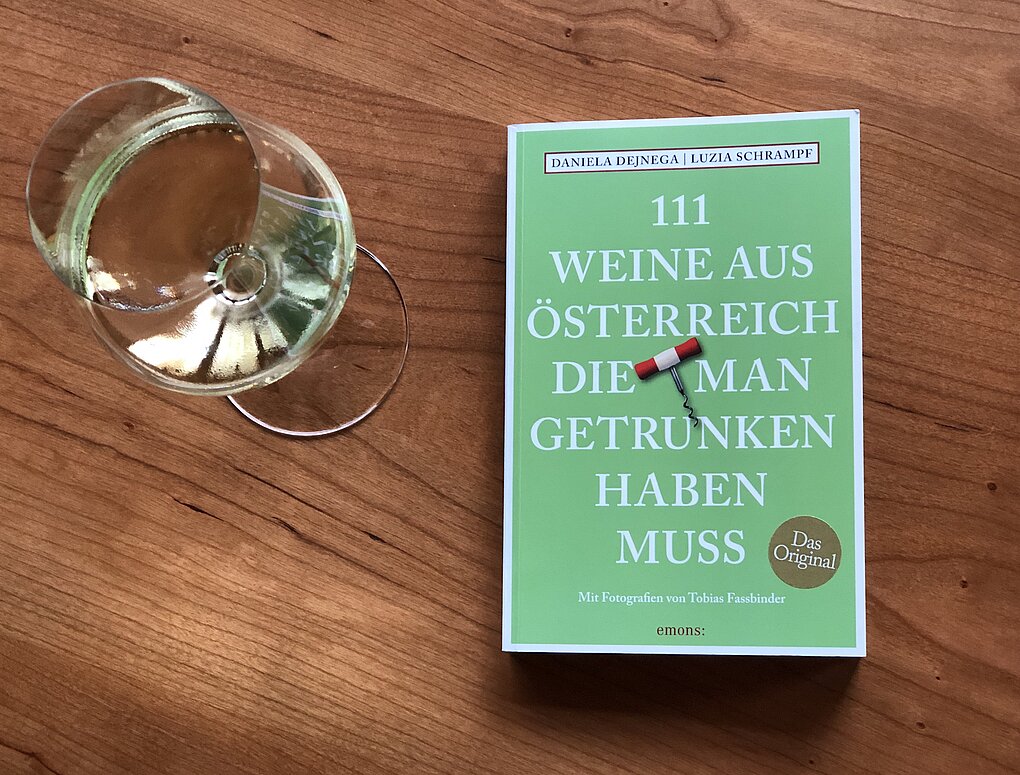
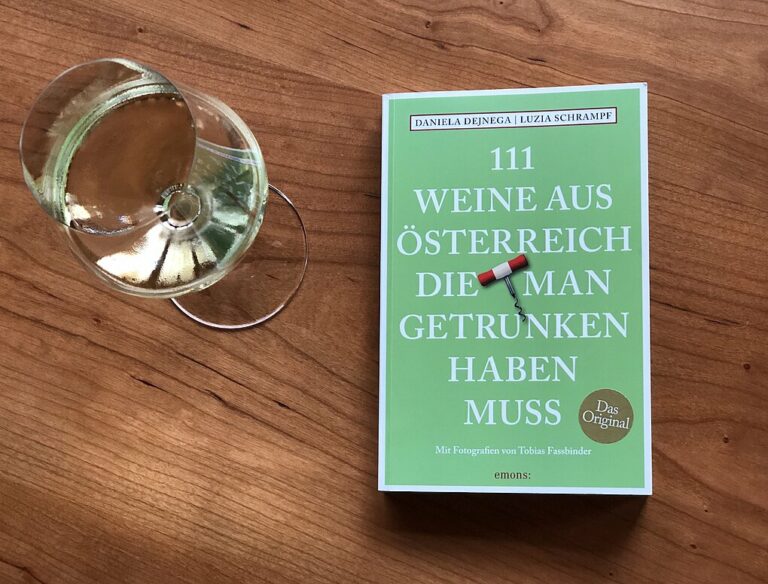
With its nearly ideal set of conditions — location, climate, indigenous varieties —Austria’s Thermenregion curiously remains an insider secret. In addition to a colorful mix of varieties common in Austria, this region just south of Vienna devotes 200 of its 2,200 hectares to the autochthonous grapes Rotgipfler and Zierfandler. They are the region’s great opportunity and are now back in growers’ sights, as illustrated by their well-deserved inclusion in the book 111 Weine aus Österreich, die man getrunken haben muss. Beyond this, some producers here are venturing into new areas, like pét-nat, while among red wines, Sankt Laurent and Pinot…
Daniela Dejnega studied landscape design and discovered her love of wine while writing her thesis on "Erosion prevention in viticulture." Afterwards, she trained at the Weinakademie in Rust, Austria. She now lives in Vienna where she works as an editor at a viticultural trade magazine, writes regularly for Austrian wine publications, and is a frequent judge and taster at wine competitions.
Was everything really better in the past? Well, people were at least more patient. Vaccines were developed over the course of years. Under Communism in eastern Germany it could take up to a decade to get a car. OK, bad examples. But even food and drink were given more time. Today, fermentation and preservation are back on the front burner in kitchens — and in cellars, too. Vintners typically work within the natural rhythms of the year, giving their wines time in cask or tank until just before the next harvest. But some are stepping deeper into the past…...
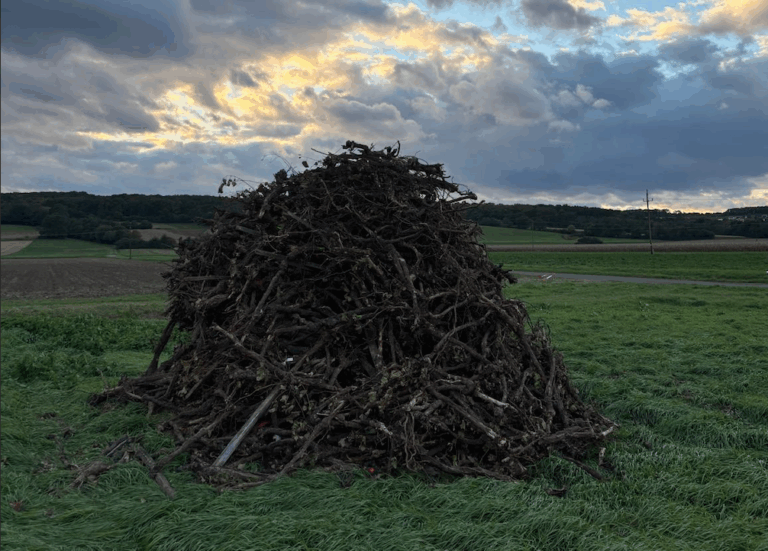
In slanting early morning light, a shadow crosses a vineyard. The figure moves row by row, ripping out vines and casting them onto a large, burning pyre. The blaze stretches to greet the sun as it rises above a mountainous horizon. There is fire from all points of the compass. Death is in the air. The culprit is a phytoplasm fatal to Vinifera vines. Its spread is aided by the American grapevine leafhopper (Scaphoideus titanus), a dwarf cicada native to North America. As it feasts on the vines, it transmits the pathogen of what is known in German as Goldgelbe…...
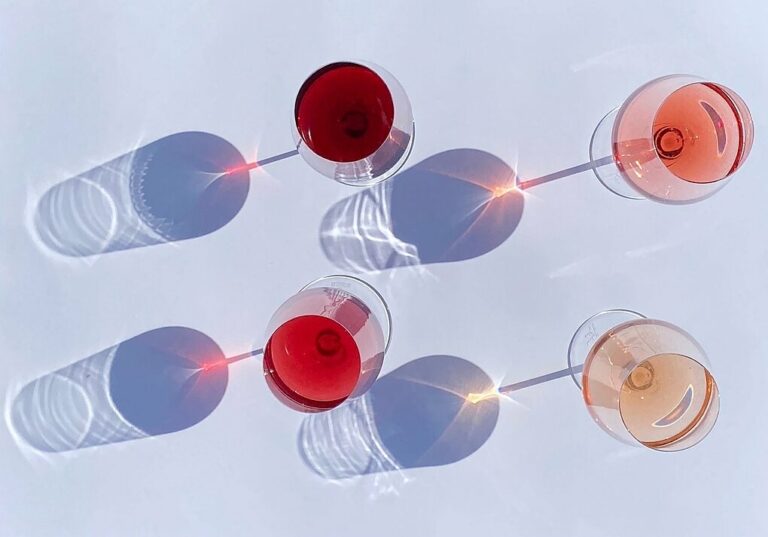
The sun blazes. The air shimmers. On the horizon four figures throw long shadows across the dry, crumbling ground. They are headed toward a city. Doors swing open. The four step from light into dark, their throats dusty and dry. Behind a deserted bar stands a man. He pushes four full glasses over to them. Out of the glasses sloshes a wine as red as the setting sun. If you aren’t thirsty by now, you should at least be hearing the melody of a harmonica. This is how the opening scene of a revival—the Rotling revival—could begin. The four men…...
In 2013, I moved to Austria and spent most of a year living in the small town of Eisenstadt. There were several cultural difficulties to surmount, not least the language. Despite my decent grasp of German, I found the Austrian dialect all but impenetrable for the first few months. And then there were the drinking customs. Because Austria had forged an impressive international reputation for elegant, high-quality wines, I expected to spend my time savoring delicious Blaufränkisch, or getting to know the top single-vineyard sites of the Wachau. But everywhere I went people just drank a mix of cheap white…...
111 Austrian Wines You Must Not Miss showcases the diversity and range of Austria’s wine landscape — beyond the ubiquitous fresh and fruity Grüner Veltliner. In it, wine journalist Luzia Schrampf and I tell 111 short, engaging stories, packed with wine knowledge and insight into what goes into growing and making a wine, as well as the many and varied ideas and philosophies of Austria’s vintners. An extraordinary number – nearly 80 per cent – of those featured in this book farm organically and more than a few produce natural wines. Here are three wines – white, orange, and red, from…...