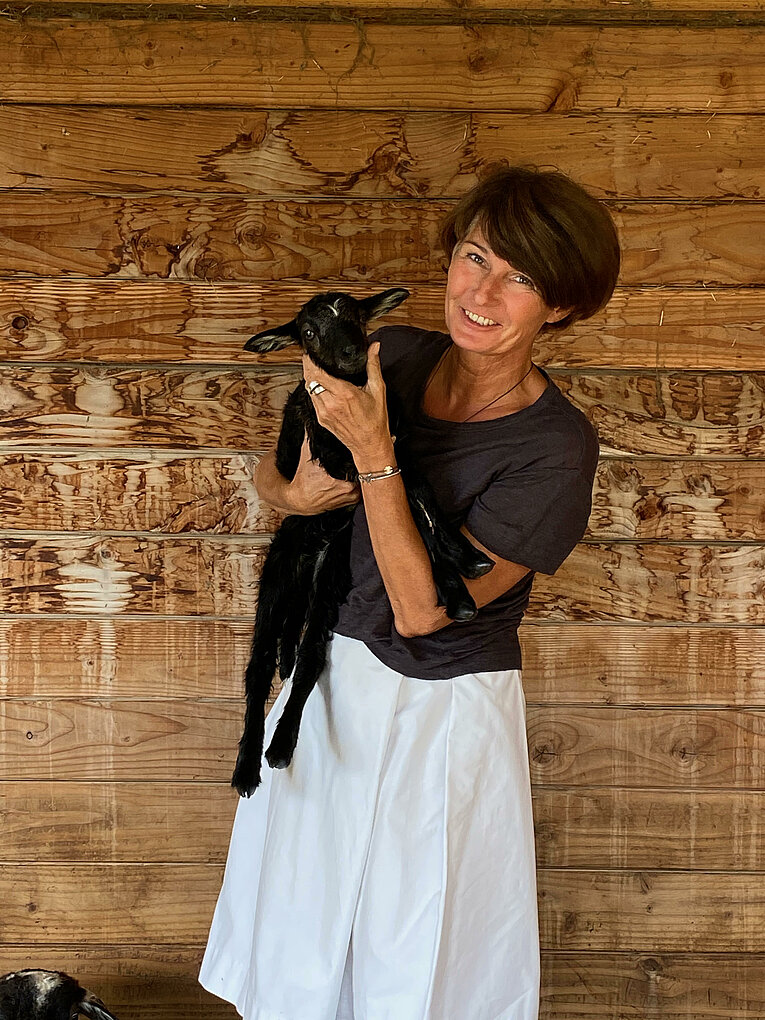
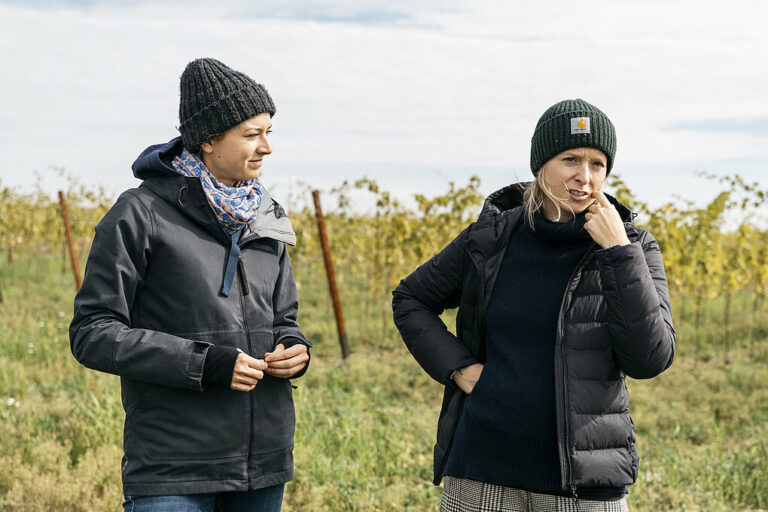
It takes little to be happy. And he who is happy is king.” This 19th-century German song – with just two lines – expresses how good a simple life, with little, can be. Just how little is something each of us has experienced, almost daily, this year. Finding the joy in this can be difficult, and regrettably few have managed to perceive the freedom in “less.” Two people who did so long ago are Heike und Gernot Heinrich of Weingut Heinrich in Austria’s Burgenland. I visited them in early September, during Europe’s pandemic lull. The timing couldn’t have been better….
Kevin Puls works in advertising and PR. His passion for Austrian wine began nearly two decades ago and he's regularly tasted the vintages of the Alpenrepublik from the Wachau to Styria. His weakness for estates that work organically and for natural wines started with Gut Oggau's 2007 vintage. He's also a regular visitor to Franken. He blogs about food, wine, and the people who make them.
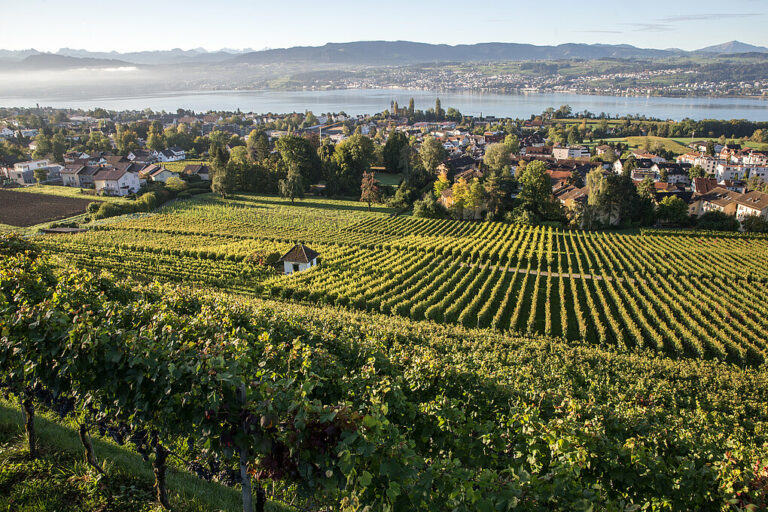
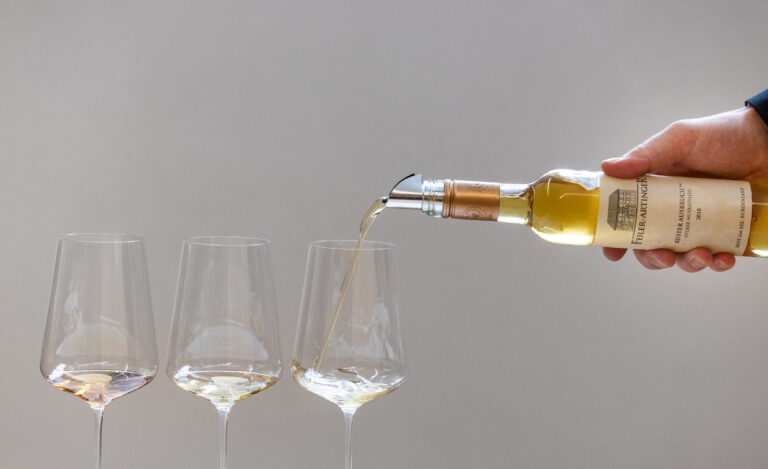
Räuschling isn’t just wonderfully umlauted, it’s also one of the most exciting autochthonous white wine varieties in German-speaking Switzerland. This became clear to me on a March afternoon in 2015. I had accepted an invitation from Mémoire des Vins Suisses to come to Zürich and take part in a Räuschling vertical tasting — featuring vintages that stretched back to 1935 — at Weingut Schwarzenbach in Meilen on Lake Zürich. Since then, I taste every Räuschling I can get my hands on. The lively acidity, fine citrus aromatics, and aging potential of this rare variety fascinate me over and over. Native…...
The scent of pine trees is a time machine, a brusque mix of barbed, balsamic beauty. I have a million pine memories. One good whiff and I’m transported home, sap streaking the inside of my scraped arms as I scale the tall white pine in our neighbor’s backyard, lunchbox dangling from the rear belt loop of my short pants. Lost in a cross-hatching of aromatic needles. I’m in the warming house of the town rink, my toes aching with cold. Silhouetted skaters float and spin on the bumpy ice outside. A pine fire acrid with resin heaves black smoke up…...
Trink Magazine | Austria's winegrowing region of Carnuntum has seemingly been there from the beginning with an identity forever in flux. Paula Redes Sidore explores how growers are redefining what regionality means, together.
This article is an excerpted chapter from We Don’t Want Any Crap in Our Wine (2019). After the book went to print, the Rennersistas informed the author that Susanne Renner left the winery, which will now be run by siblings Stefanie and Georg. In 2015, Susanne and Stefanie Renner took over the family wine business in Gols, Austria and became their parents’ bosses. In short order, the sisters converted to biodynamics and created their own line of wines, Rennersistas, in addition to the family’s traditional red Renner cuvées. Ever since, Susanne and Stefanie have reveled in the freedom of making…...
By Rudolf Trossen The sun recedes, the summer wanes,the ripe grapes long since gifted.A chill arrives under the guise of evening wind,Long shadows stretch heavy like leadacross golden vineyards’ last light. Alone on the slope,I watch in silence. But in old caskschurns young wine,roaring with the summer’s solar might,lust and longing into the night,cheering, laughing, singing bright. I bow beforethe deity’s vigor. November 1994 From the collection Was die Reben Sagen Translated September 2021...