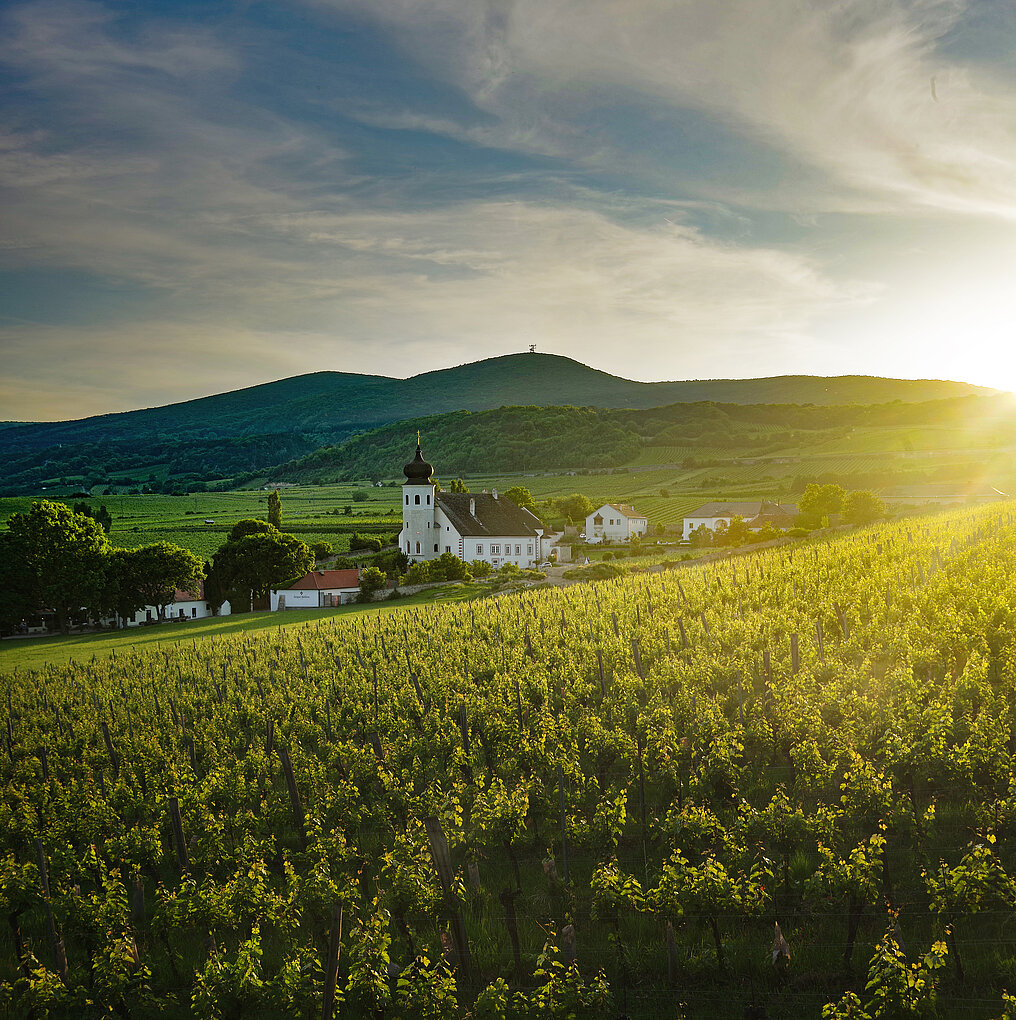
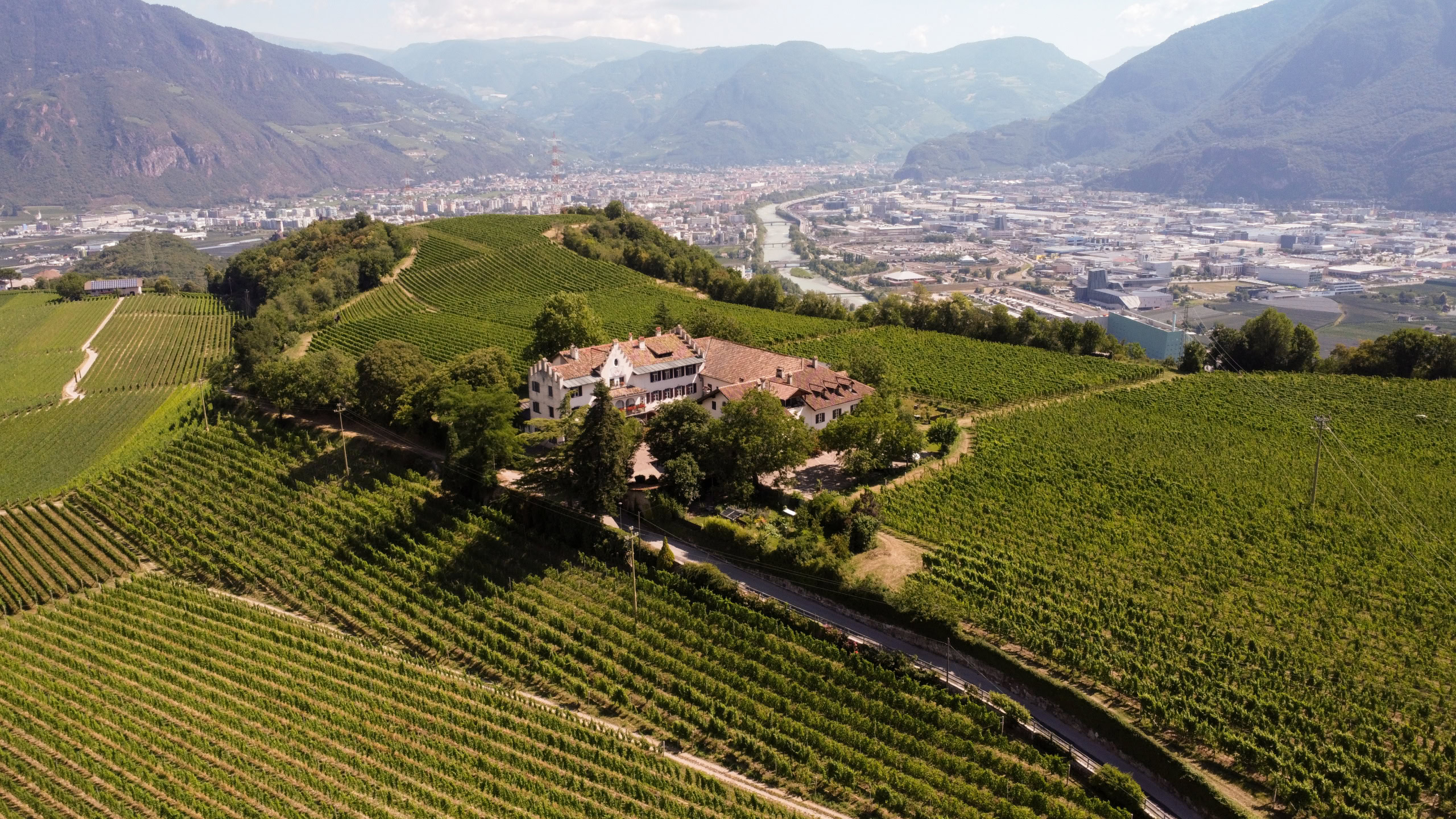
To mark a recent milestone anniversary, Austria’s association of traditional wine estates (ÖTW) invited into its fold a region that is in many regards the epitome of Herkunft, or origins. The Thermenregion, often held up as Austria’s Burgundy, brings a suitably deep and glorious wine tradition. The ÖTW’s intake process for the Thermenregion is in the final stages of fine-tuning, reports chairman Michael Moosbrugger. Most likely, white wines from Erste Lage, or premier cru, sites from the 2022 vintage will be the first to be classified, followed by the reds. “In joining the ÖTW, it was crucial that the region’s…
Kevin Puls works in advertising and PR. His passion for Austrian wine began nearly two decades ago and he's regularly tasted the vintages of the Alpenrepublik from the Wachau to Styria. His weakness for estates that work organically and for natural wines started with Gut Oggau's 2007 vintage. He's also a regular visitor to Franken. He blogs about food, wine, and the people who make them.
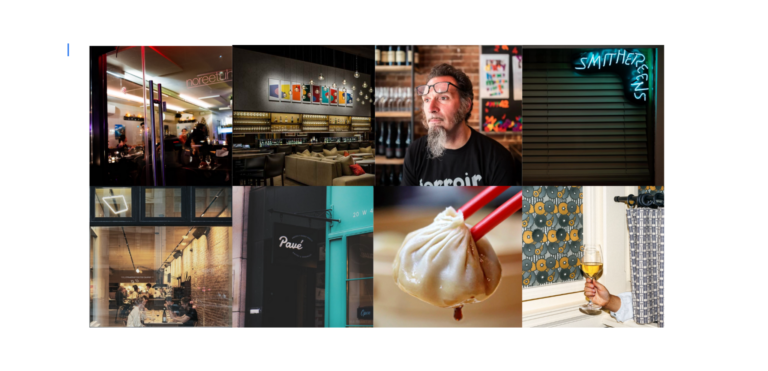
Whether you’re dropping into town for the bacchanalia that is Rieslingfeier or you’re a native New Yorker curious to get a taste of the latest and greatest in German and Austrian wines, here’s your hit list of bars and restaurants that make NYC the country’s best (if priciest) city to drink auf Deutsch. Updated November 2025 to remove Koloman, which has closed. G = German focus A = Austrian focus Noreetuh (G) Manager and co-owner Jin Ahn has turned this decade-old Lower East Side Hawaiian spot into the city’s ultimate insider Riesling hangout. Ahn’s exceptionally well-informed list is divided into Rieslings…...
When Italy’s Collio DOC voted in December 2024 to include orange wines in their disciplinare, the news barely caused a ripple in the grand lake that is global wine. Meanwhile, I was in a state of mild shock. One of Italy’s most conservative appellations had just voted to allow orange wines to bear its hallowed classification. The decision clearly made sense: Collio is ground zero when it comes to orange wine. It was here, after all, that seminal growers like Gravner and Radikon redefined skin-fermented white wines in the late 1990s. Once considered heretics, their approach is now established worldwide…....
In Vulkanland Steiermark — “volcanic Styria” — the name says it all. Some 1,500 hectares of vineyard are, for the most part, sited on the slopes of extinguished volcanic cones that rise from a gently hilly landscape. Here Pannonian warmth from the east meets the Illyric balminess of the Adriatic. Among the best-known growers in Vulkanland are Weingut Neumeister, Winkler-Hermaden, and Ploder-Rosenberg. As throughout Styria, white varieties are most strongly represented, with Welschriesling and Weißburgunder (aka Pinot Blanc) statistically far in the lead, followed by Sauvignon Blanc, Müller-Thurgau, and Chardonnay; Zweigelt yields respectable red wines here as well. Traminer from…...
The Wine Friend is a figure of great importance in the life of a wine drinker. They can take the form a kind benefactor, perhaps older, perhaps wiser, one whose personal cellar heaves with decades of collected knowledge and interest, and whose guileless goal is to share these experiences with others as a form of vinous karmic pleasure. I count myself as lucky to have a few such friends, which is how I found myself — on one of those chilly, foggy autumn San Francisco evenings — drinking a very smart coterie of wines among a small group of pals,…...
Räuschling isn’t just wonderfully umlauted, it’s also one of the most exciting autochthonous white wine varieties in German-speaking Switzerland. This became clear to me on a March afternoon in 2015. I had accepted an invitation from Mémoire des Vins Suisses to come to Zürich and take part in a Räuschling vertical tasting — featuring vintages that stretched back to 1935 — at Weingut Schwarzenbach in Meilen on Lake Zürich. Since then, I taste every Räuschling I can get my hands on. The lively acidity, fine citrus aromatics, and aging potential of this rare variety fascinate me over and over. Native…...
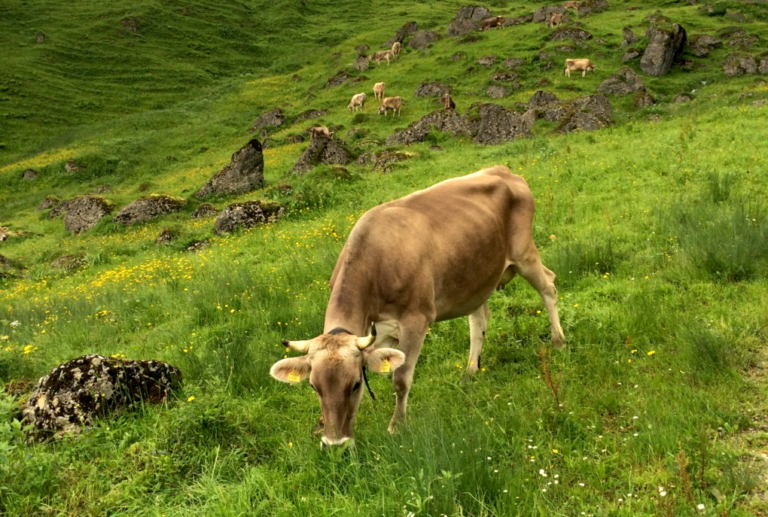
12/14/2020 Eat & TRINK | Alpkäse and Kamptal Riesling By Ursula Heinzelmann The entirely spontaneous, yet infinitely harmonious tinkling of cow bells. The crunching of my boots along a narrow mountain path. The joyous gurgling of a stream winding its way down among rocks, moss, and roots. This is one of my favorite cheese soundtracks. The accompanying “smelltrack” is of warm stables in the haze of first light and earthy, pungent bodies, redolent of the basic facts of life. Wood smoke rising from under a round copper vat. And of course the reassuring, lactic aroma of warm milk and whey,…...