In Alsace, Grand Cru usually means one thing: Riesling. But on Zotzenberg — a low, east-facing slope between Barr and Mittelbergheim — the often overlooked Sylvaner holds an unusual place of privilege. Zotzenberg remains the only Grand Cru vineyard in Alsace for which Sylvaner is officially recognized on the label. It’s a rare exception that shows how a site can reshape a grape’s reputation and, perhaps, its future. Six Centuries on a Quiet Hill in Alsace Zotzenberg was first documented as “Zoczenberg” over 600 years ago. Its quality was noted early on: in 1541, Mittelbergheim’s village records mention the hill…
Dutch-native Benjamin Roelfs is a sommelier by training and passionate wine writer. He has a deep affection for the wines of Alsace and is currently writing a book on the subject. His articles can be read in jancisrobinson.com, Falstaff and The Drinks Business. @benjamin_on_wine.
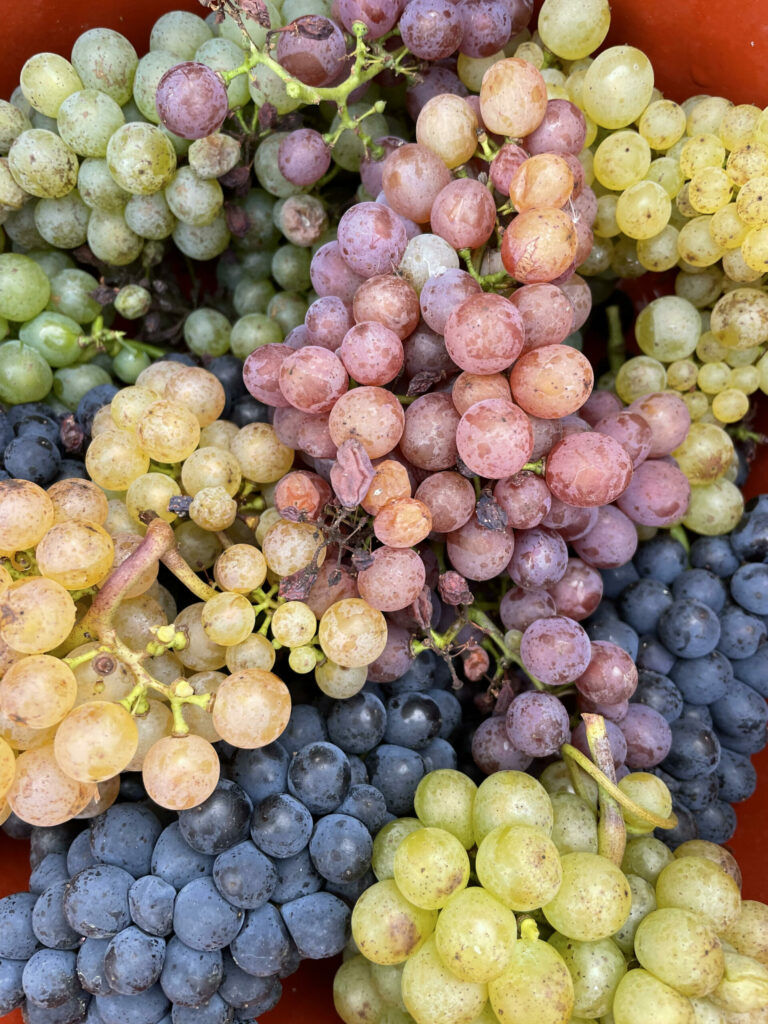
The year is 1806. The date June 17th. Privy Councilor Goethe sits in Frankfurt — high and dry. He reaches for his quill and writes a letter to a friend: “Send me some Würzburger wine, for no other wine satisfies, and I am morose without my accustomed favorite drink.” While the line may not be poetic, the composition Johann Wolfgang von Goethe thirsted for is. The wine in question was, quite possibly, “Frentsch” (local dialect for Altfränkischer Satz or Old Franconian Mixed Set): a field blend of some 20 grape varieties, all planted, harvested, and fermented together. What once gave growers a bit of…...
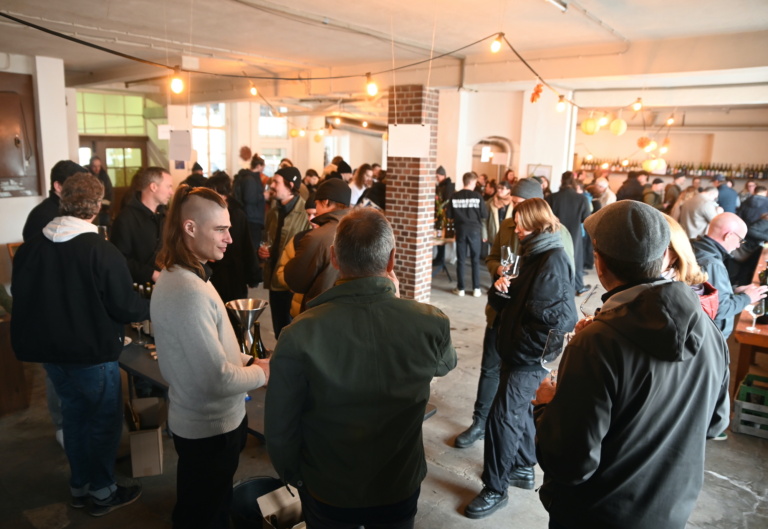
Kitzingen has never been particularly famed as a mecca for winemaking in Franken. So when I received an invitation to visit this town, 20 km southeast of Würzburg, for a wine presentation by the New Kitz & Friends, I had little reason to suspect it would mutate into a natural wine hub. At this point, New Kitz & Friends are hardly unknowns – certainly not in this magazine. Colleague Rainer Schäfer recently profiled this group of unconventional locals and newcomers, all moving in a cosmic orbit around the pioneering natural wine estate 2Naturkinder. For this event, the New Kitz called…...
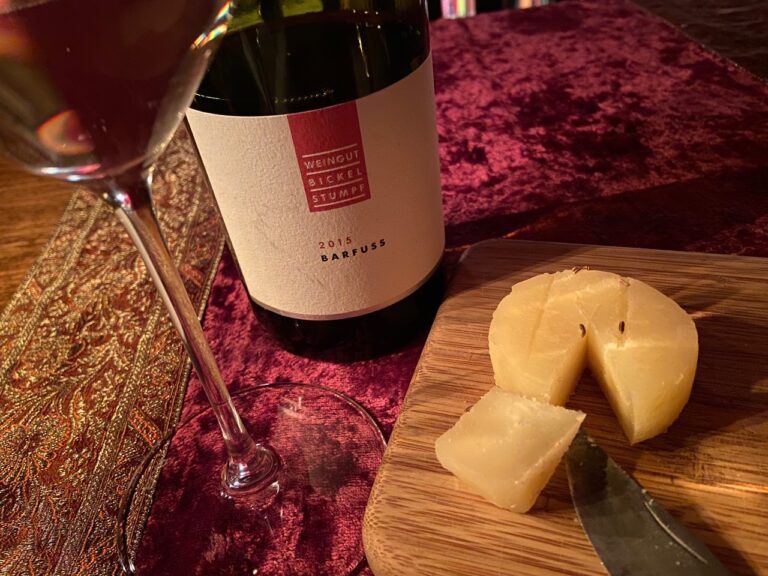
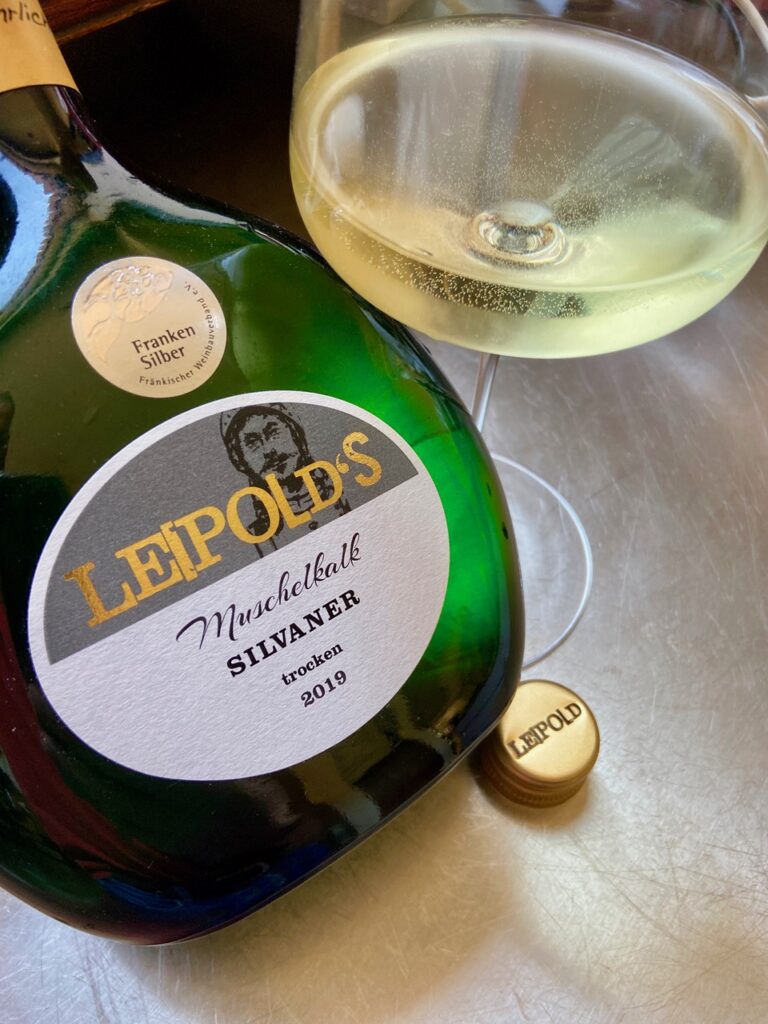
Confession time: Which wine and food pairings make your eyes roll faster than a teenager’s? Champagne and strawberries? Pizza and Lambrusco? Muscadet and oysters? In southern Germany, Silvaner and white asparagus are regional marketing 101. Silvaner has been praised and prized as a pairing for the spring stalk to such an extent that grocers will double their inventories of cheap Silvaner and stack it by the case in the vegetable section. And while the fastest way to get a screenful of Internet ill-will slung in your direction is to suggest the pairing to a German wine group, it is true…...
Silvaner. It’s complicated. Ask about its nature or character, and like as not you’ll get one answer: asparagus. With delicate vegetal aromas and moderate acidity, Silvaner is indeed a near perfect pairing for the fabled stalk that emerges from the earth to fill German grocery stores and market stalls annually between April and June. Yet, stop for a minute and imagine: what if there were more? Silvaner is viewed as a national counterpoint to Burgundian Chardonnay or Saumur Chenin Blanc. For many years Silvaner was Germany’s most important grape variety, less inclined toward fruity fun and more toward structure, texture, spice, and earth. De facto it…...