As I peer out the window of a train from Hamburg, I understand why Sylt, sometimes referred to as “the Hamptons of Germany,” is such a popular destination for German vacationers. I can feel the tension of travel slipping away with the mainland as the tracks cross the shallow waters of the Wadden Sea and approach the sweeping, sandy landscape of this North Frisian island. Nils Lackner, a charismatic sommelier, tour guide, and regional expert based here, picks me up at the station, wondering how Sylt ended up on my radar since so few Americans are aware of it. I…
Stasia Brewczynski is a New England–based drinks, food, and travel writer who has lived in Germany and visits regularly. Her work is found in publications like Food & Wine, Full Pour Magazine, and Eater.
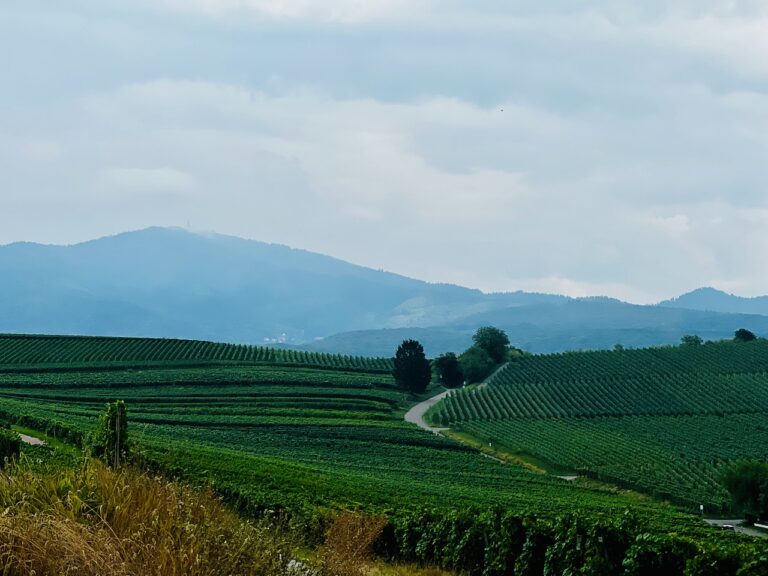
Weingut Blankenhorn It wasn’t love at first sight for Martin and Yvonne Männer of Weingut Blankenhorn in Schliengen. On a trip to Switzerland in spring 2015, they were initially disappointed by the Gutedel (a.k.a. Chasselas) they found there. Or, to be more precise: by how the vintners they encountered vinified it. But when they ordered a bottle of 18-year-old Chasselas Médinette Dézalay Grand Cru from Domaine Louis Bovard on their last night in Geneva, at the Michelin-starred Le Chat-Botté, they realized they had found the key to making a multifaceted, indeed divine Gutedel. Ever since, Langlebigkeit, or longevity, has been part of Weingut Blankenhorn’s DNA. Their wines tell a…...
For decades, America was indeed the promised land: A vast nation of eager consumers with a low bar for entry. German winemakers were among the throng of sellers vying to win a sliver of Americans’ massive spending power. But times — along with politics and tariffs — have changed. Now, German winemakers are finding that their most loyal and free-spending audience may actually be up north. How Did We Get Here? The public’s perception of German wine is capricious; more so, arguably, than that of any other wine-producing nation. After rising to prominence over the 19th century, German wine suffered…...
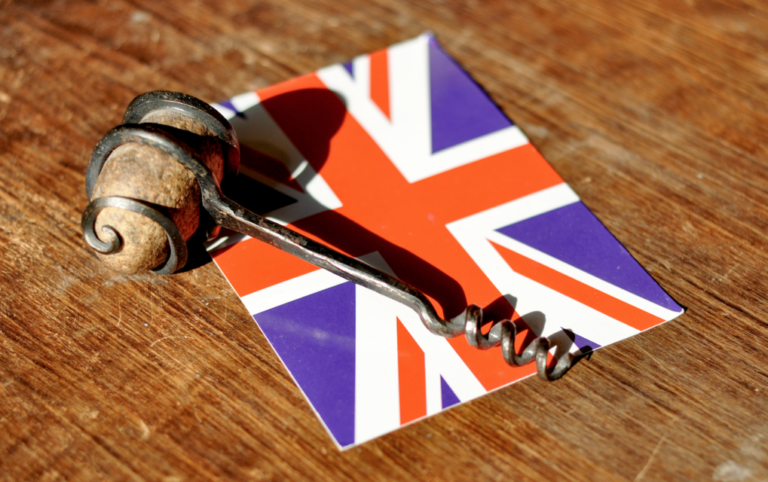
We British are not the world’s most noted linguists, but that doesn’t seem to put off some of us from drinking “German-speaking” wines. That said, the market for these wines has had a rough ride at times, which makes their current increasing popularity all the more intriguing. Germany has historically boasted a well-established presence in the U.K. wine market. In the 19th– and early 20th– centuries German wines were famously on par with Bordeaux, Burgundy, Champagne, and Port in terms of price. After the fall of Napoleon, the Rhineland and the Mosel both entered a period of prosperity, initiated by…...