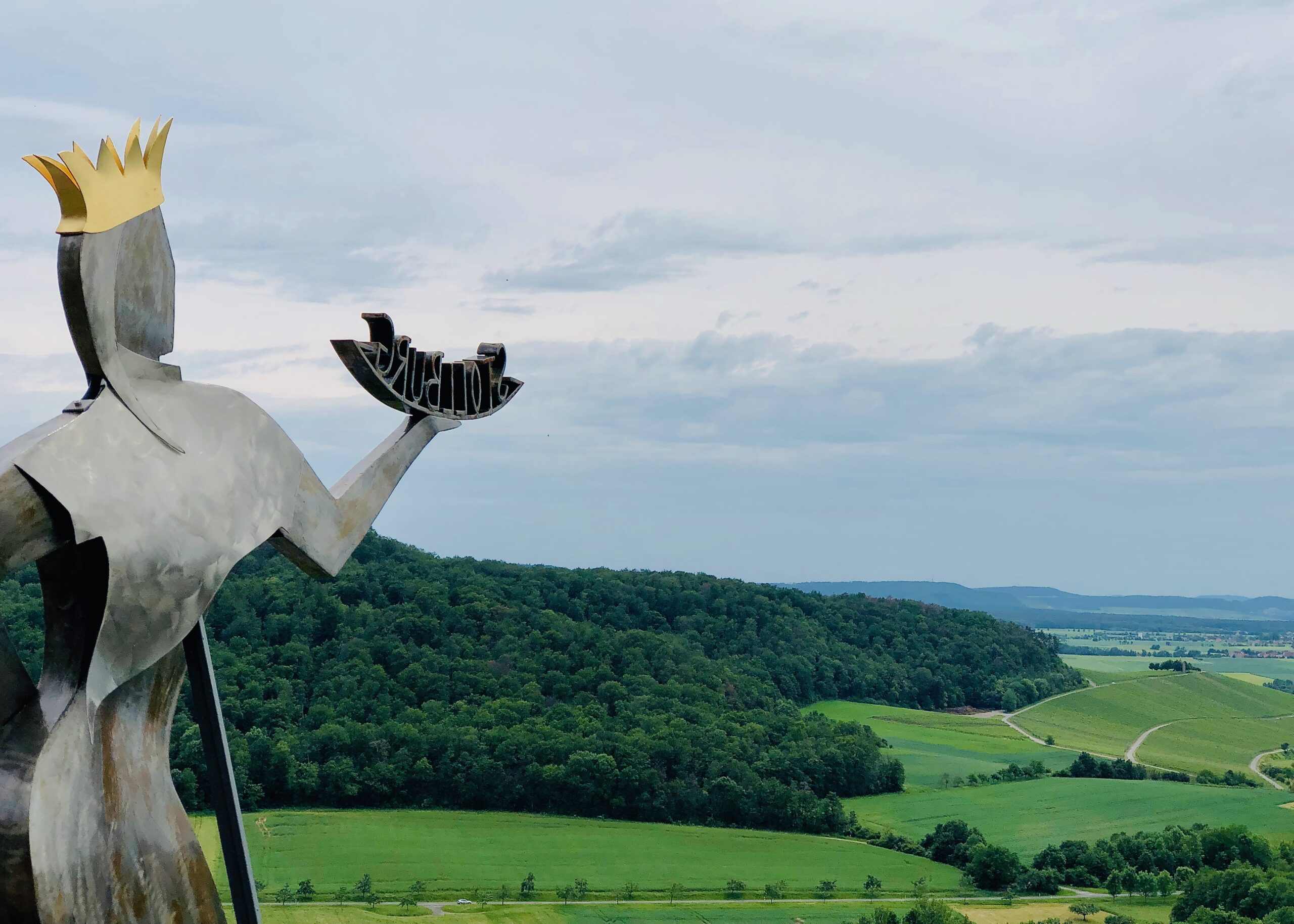
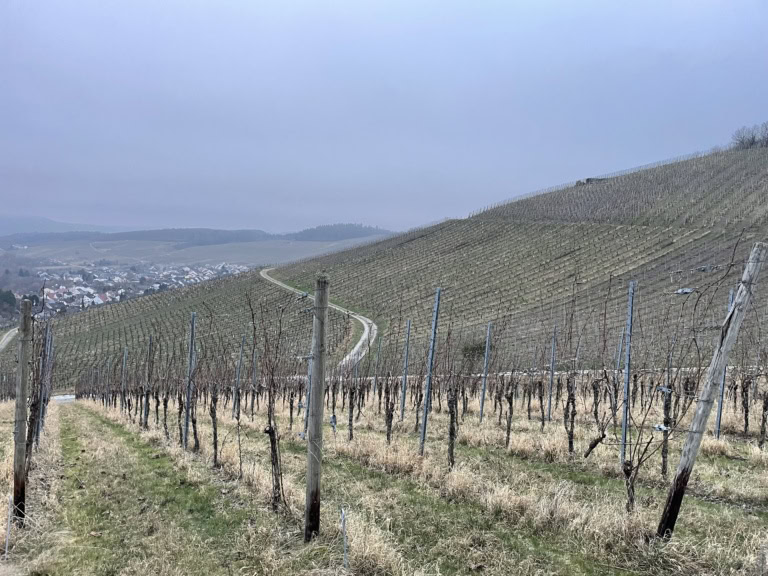
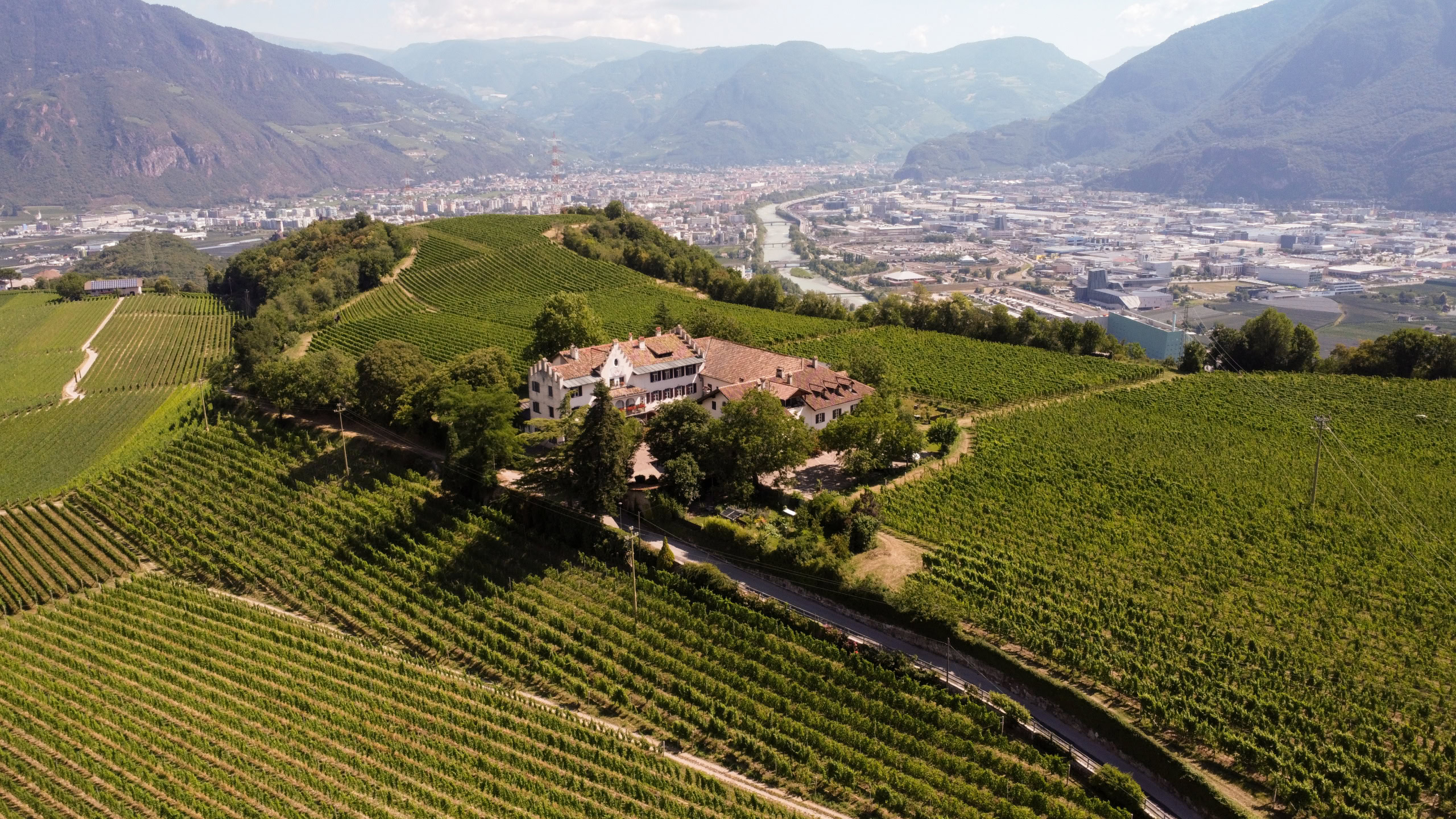
View from Oberschwarzach, Photo Credit: Paula Redes Sidore
We’ll come right out and say it: Franken (Franconia) is Germany’s most underrated region. If you still think of it as the source of wan wines poured from squat flagons and drunk mostly at home, we’re here to let you in on a secret: there has never been a more exciting time for this corner of northern Bavaria, where wine, not beer, rules the day. The region sits just below the 50th parallel and at the cool, eastern edge of Germany’s wine core. It’s a perilous position for viticulture. As decades of frost-crimped and extreme-heat-affected vintages attest, its starkly continental…
Valerie Kathawala specializes in the wines of Germany and Austria. Her work appears in the pages of regularly in Noble Rot and SevenFifty Daily. She is the author of the "German Wine Scholar" (2025).
The world of sparkling wines is changing for the better. The number of producers approaching this beverage in serious, artisanal, and creative ways continues to climb. “Grower Sekt” from Austria and Germany is very much en vogue. We are witnessing a tremendous push to quality. For a long time, “mass over class” was the motto, especially in Germany. But for a new generation, awareness of terroir and a trend toward reducing residual sugar are increasingly the focus. No stone has been left unturned in Austria, either. For several years, Austrian Sekt has been governed by a three-tiered quality pyramid: “Sekt…...
It is Friday night and I’m terrified. In 24 hours, a top sommelier is coming to our house for dinner. A sommelier who puts together the wine lists for a global restaurant group; a sommelier who has spent over 30 years training more somms than I’ve seen typos on a wine list; a sommelier who matches food and wine the way the rest of us match our Sunday outfits. And tomorrow, I’m responsible for the wine. My wife draws up a shopping list for the meal, blissfully unconcerned. “We’re not a restaurant,” she says, “why should she expect Michelin-starred cooking?”…...
For over a year, we’ve been living with a pandemic that has shut down more than just our senses of taste and smell. It has forced us to rely on at-home experiences like a glass of wine to satisfy our longing for travel. But what do the places of our terroir dreams taste like? What exactly constitutes the origins of a wine? To use a loaded German word, how much Heimat (loosely, homeland) is in terroir? Flash back to harvest 2012. Max von Kunow of Weingut von Hövel in Germany’s Saar visits the Jurtschitsch family in Austria’s Kamptal for a vacation before his own harvest. Together…...