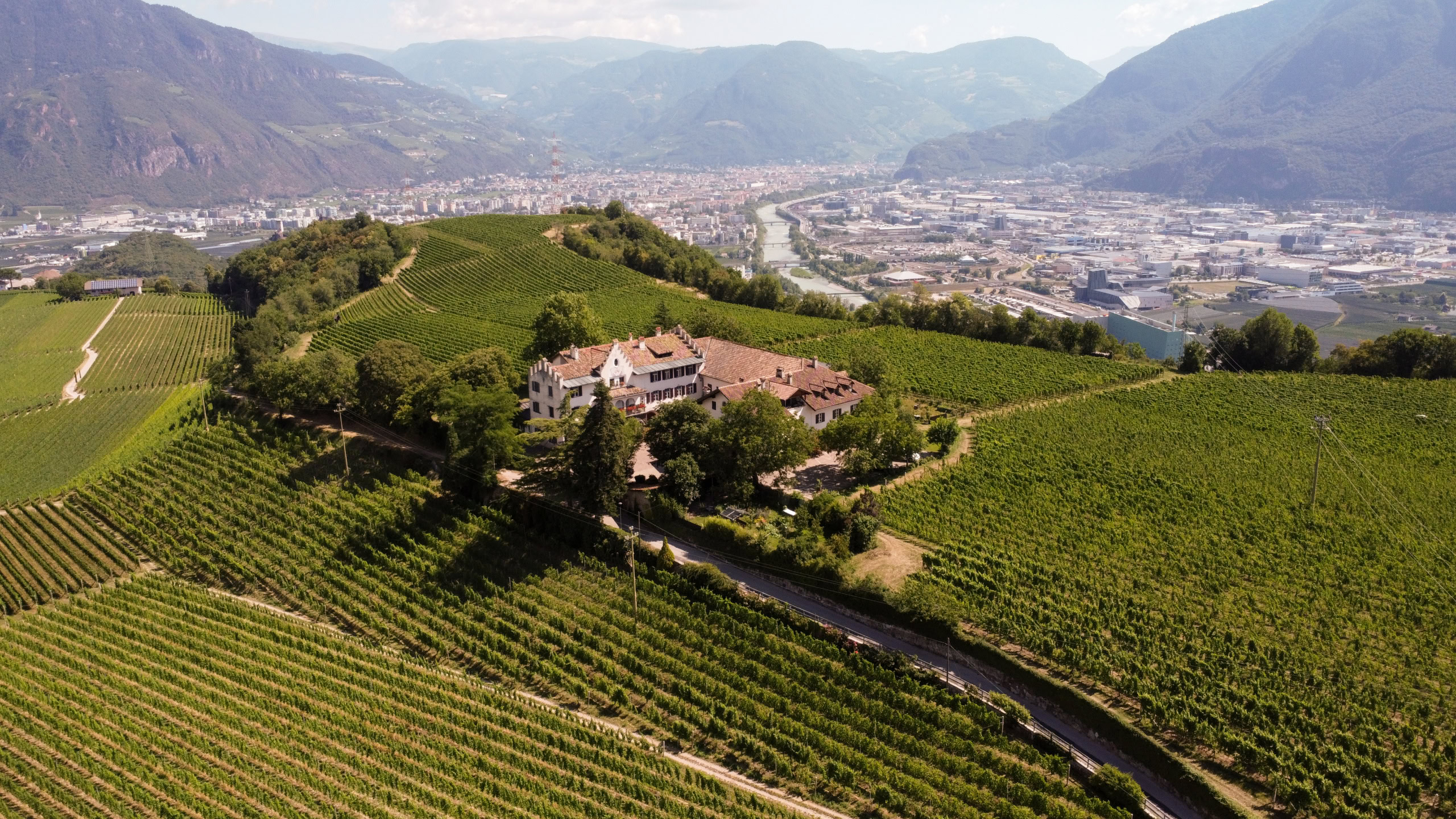
When the Mosel Rose in Revolt

Mosel Uprising of February 2026, photo credit: Sammlung Mittelmosel-Museum Traben-Trarbach
100 years ago this month, the Mosel spilled its banks. Not with water, with fury.

100 years ago this month, the Mosel spilled its banks. Not with water, with fury.

Rainer Schäfer writes about what he values most: wine, food, and soccer. The first wine that impressed him as a teenager was a Silvaner from Endingen, grown in the vineyard of his Kaiserstühl relatives. He's lived in Hamburg for 30 years and travels the wine regions of the world, always curious about dazzling personalities, surprising experiences, and unknown pleasures.
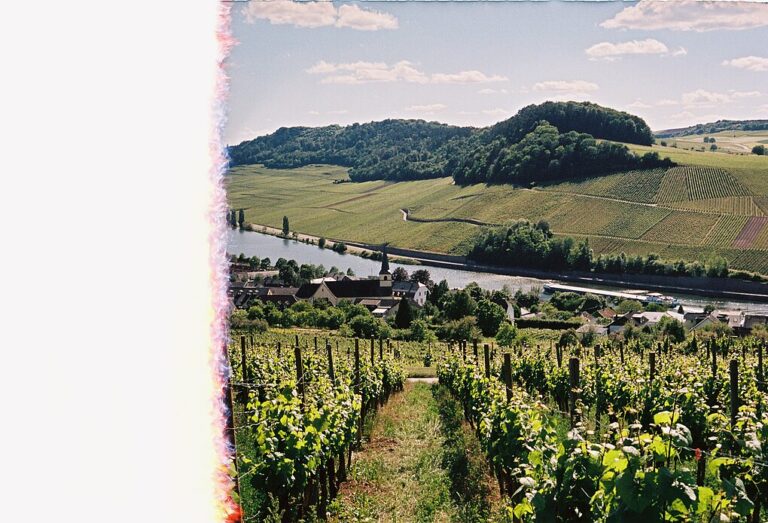
Jonas Dostert is relaxing in the inner courtyard of his family’s Southern Mosel estate in Nittel. The sun is shining, the grapes were harvested in late October. Dostert is one of the growers of note at the southern end of the Mosel, a stretch long known as Obermosel. It’s a name many young growers in particular have rejected, as part of an effort to separate themselves from the region’s poor image in the past. “Obermosel” conjures images of accommodating, appeasing wines, the very definition of compromise. Dostert has quite a different understanding of winegrowing: “What I do is different from what’s…...

Over the last decade, Berlin has established itself as a wine city. No small feat, since little quality wine is made within a five-hour driving radius. But in the early 2010s the natural wine movement brought in “small plates and natural wine” bistros and more and more distributors — independent wine stores who both import and buy wines and then sell them to both restaurants and consumers alike — are basing themselves here. The RAW wine fair made Berlin its Central European hub back in 2015. Before March 2020, business was good. Then came Covid. Putting the Neighbor back in Neighborhood at…...
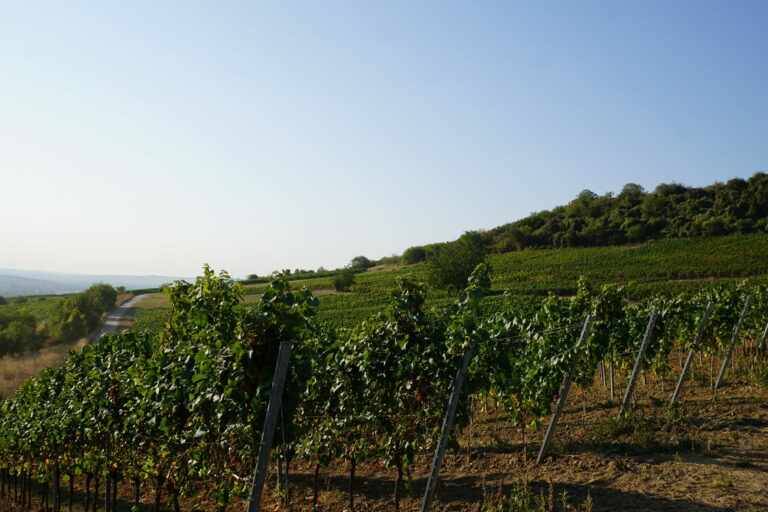
If there is an underdog in Germany’s largest winegrowing region, Rheinhessen, it is Scheurebe. Vinified sweet for many years, Scheurebe — pronounced SHOY-ray-beh — largely fell out of fashion. But things changed, and with the dry wine revolution in Germany over the last 20 years, Scheu is back, with — to quote Patti LaBelle — brand new ideas and a new attitude. “Scheu,” as aficionados like to call it, was bred by German viticulturist Justus Georg Scheu in 1916. Unhappy with the many highly acidic and sour Rieslings he encountered, Scheu (the man, not the grape) wanted to create a…...

March 25, 2024 Update: Schmetterling has closed. It’s owners hope to reopen in the future. Are there parallels between German and Austrian wines, small-scale farming, and the queer community? If so, the most essential may be a shared need for safe space. Schmetterling, a queer-forward natural wine and vinyl shop that opened this summer in rural Vermont, aims to offer just that. By prioritizing the needs of communities at — admittedly starkly unequal — risk, owners Danielle Pattavina and Erika Dunyak have created an unlikely outpost for low-intervention German, Austrian, and other Alpine wines. The shop is both an incubator…...
Germany seems to require an official examination for everything. Qualitätsweine (“quality wines”) are no exception. Those that fail the test are slapped with the Landwein label. In April 2015, a group of top growers from Baden, deep in Germany’s southwest, joined forces to rebel against the official inspection system. Flouting what officials would think of as a demotion, they decided to wear Landwein as a badge of honor. Baden has long been seen as the kinder, more conventional Germany. Thus Landwein is a direct challenge to that sensibility, one that takes on more significance because it seemed the unlikeliest of places for revolt. It happened the way so many…...
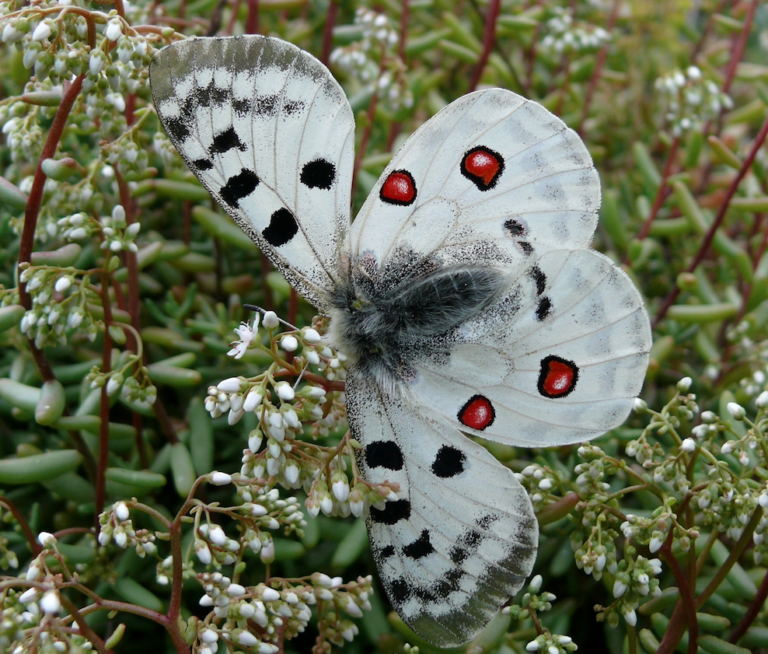
The future of the Mosel Apollo butterfly and its habitat of the Mosel terraces are endangered. Can a solution be found that allows both to continue to coexist?
© 2026, TRINK Magazine. No portion of this article may be copied, shared or re-distributed without prior consent from TRINK.