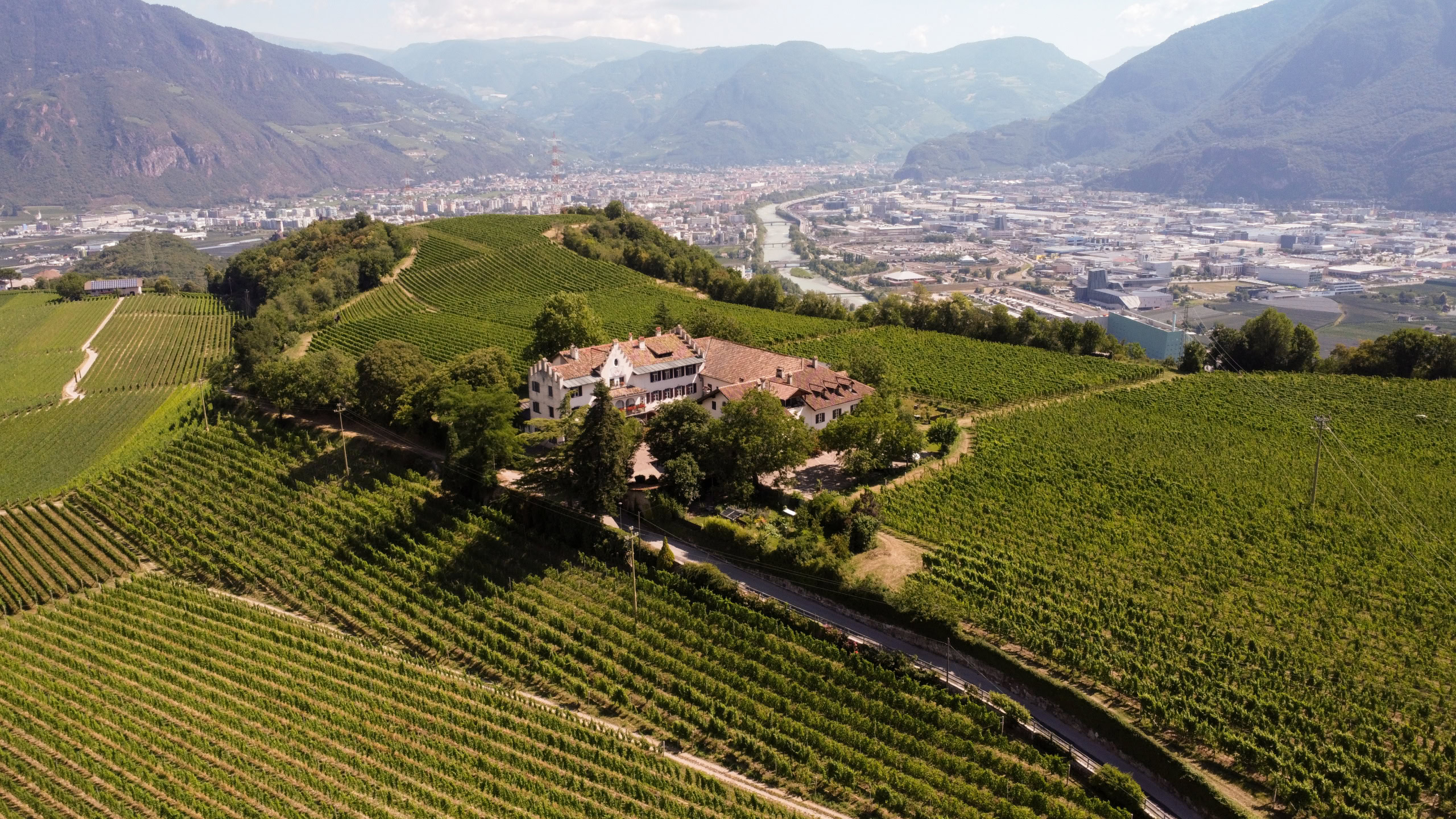
4 Faces of Alto Adige’s Iconic Vorberg
Trink Magazine | A highflying adventure in 4 vintages of Cantina Terlano's reknowned Vorberg wine. By Paula Redes Sidore

We admit that the name for the German-speaking part of Italy is a mouthful: Südtirol-Alto Adige. Or, as we like to say, South Tyrol. But this small and striking Alpine playground is where we go to explore the possibilities of elevation and microclimate all the way up to 1,000 meters. Co-ops are in the region’s DNA. But so are historic estates and adventurous micro-producers. Germanic and Burgundian varieties are as at home here as local heroes Vernatsch/Schiava, Lagrein, and Gewürztraminer.
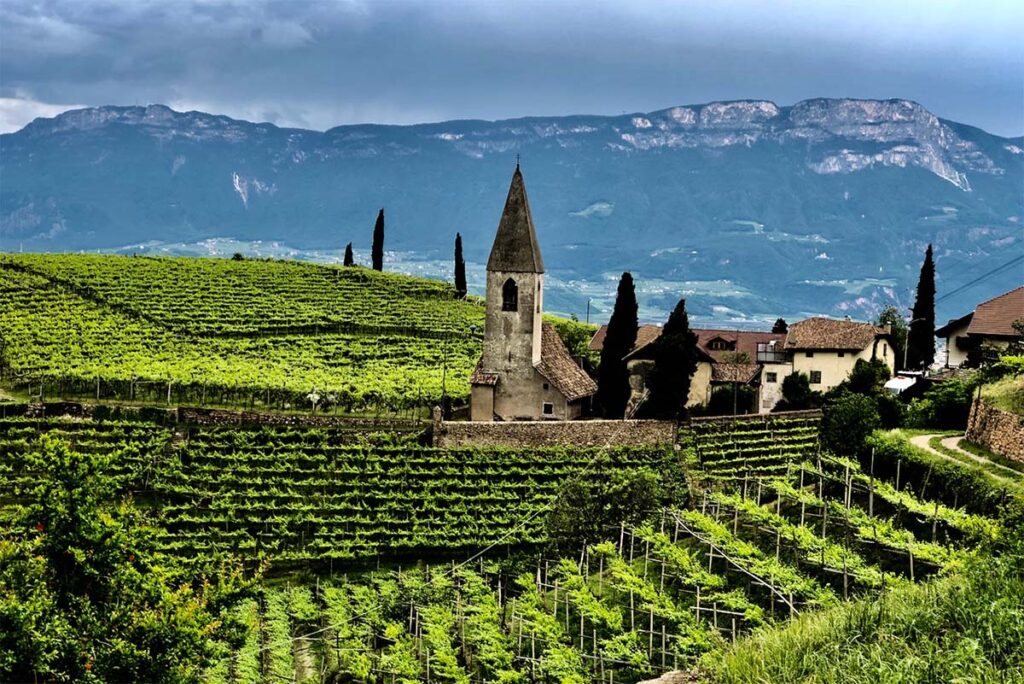
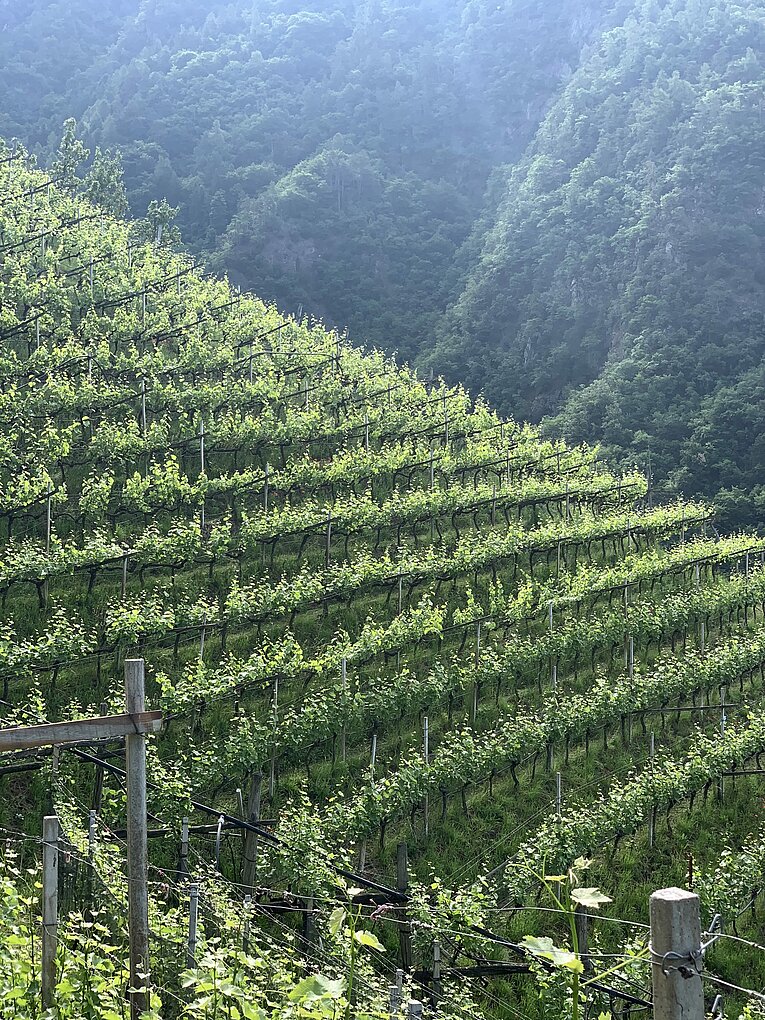
Trink Magazine | A highflying adventure in 4 vintages of Cantina Terlano's reknowned Vorberg wine. By Paula Redes Sidore
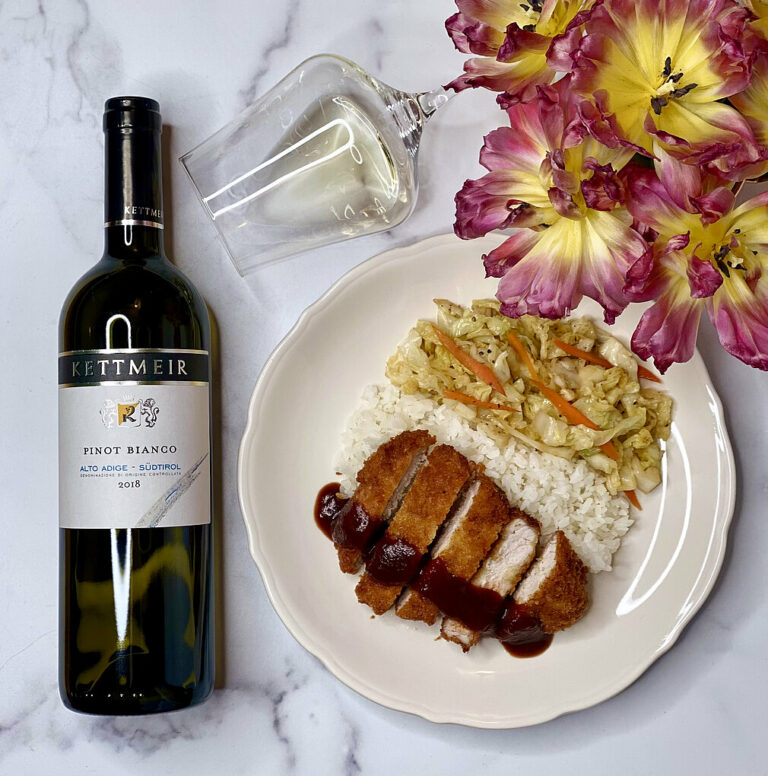
TRINK Magazine | Japanese Tonkatsu proves an ideal pairingwith 2018 Alto Adige's Kettmeir Pinot Bianco.
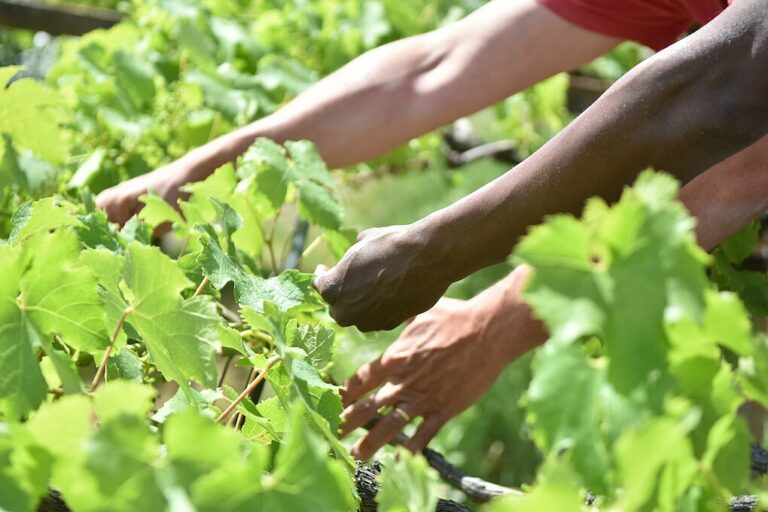
A tiny pilot project created by immigrants for immigrants is taking root in the small wineries of Alto Adige-Südtirol. V.I.T.E. — Viticulture Integration Training Empowerment — is an innovative partnership that grew out of shared need. A demographic shift in this Alpine corner of northern Italy is bringing with it a shortage of skilled vineyard workers. Where grandparents and cousins once pitched in, trained immigrants from around the world may begin to take up that role. According to organizers, the beauty of this public-private approach to addressing the gap between labor supply and demand is that it also fosters understanding…...
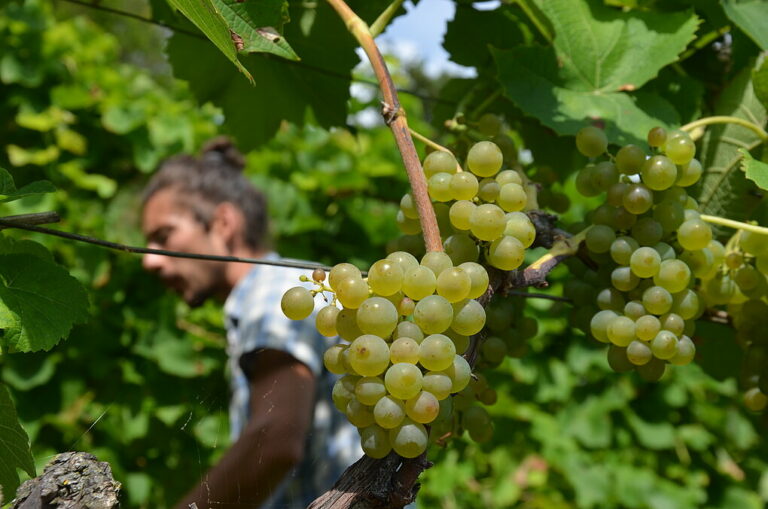
Trink Magazine | Are PIWIs or grape hybrids our viticultural future as the climate crisis makes winegrowing more, not less, challenging? By Christoph Raffelt
The wine stood on a high shelf, past tense very much called for, because moments after the waitress leapt for it — leapt, did not get a stool, did not ask for help, leapt because she once could — the bottle wobbled and began to fall. On earth, objects plummet at a pace of 9.8 meters per second squared, which means this bottle will reach the ground approximately two-thirds of a second after it begins its journey. But as any oenophile knows, wine makes a moment last — in this case, long enough to share exactly 15 things about this…...
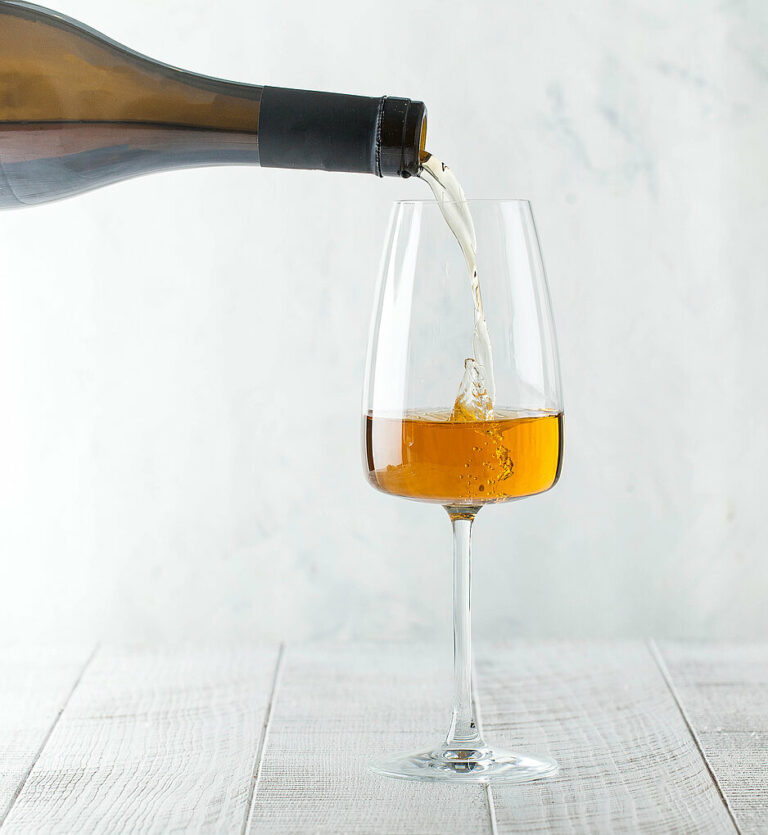
Skin-contact white wines may have their revolutionary roots in Georgia, Slovenia, and Friuli, but the umlaut zone also stakes a strong claim for orange expressions. Austria was an early and highly successful adopter (think Tschida and Tscheppe, Muster and Meinklang). For this, thank geographic proximity, shared traditions, a former empire’s worth of fascinating white varieties, and the remarkable open-mindedness of producers, especially in Styria and Burgenland. Germany came later to the game. The country has been slower to embrace natural and experimental styles generally and its signature variety, Riesling, requires an exceptionally deft hand to succeed in skin-fermented form. However, German…...
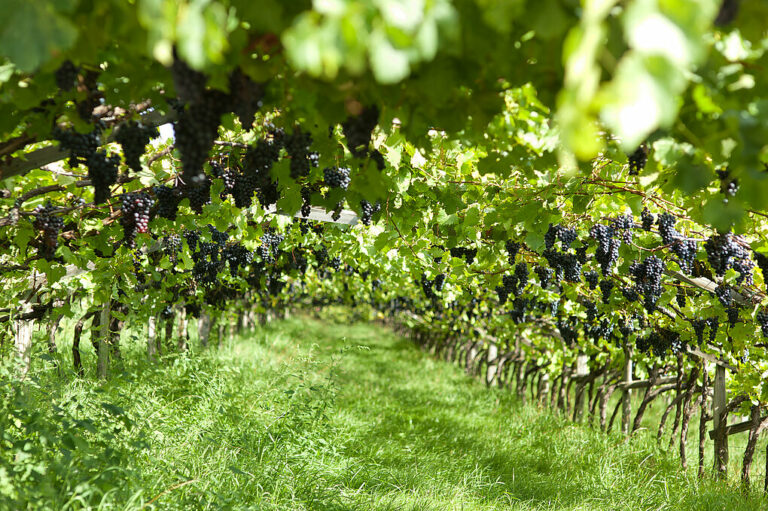
For centuries, the grape variety Vernatsch has been both flagship and albatross around the neck of Italy’s northern region of Alto Adige-Südtirol. In this final installment of his three-part series, Simon Staffler looks closely at DOC Alto Adige and posits the question: Why Vernatsch? “Vernatsch is unique in the world,” says Martin Pollinger, winemaker at Weingut Eichenstein. The estate is located 400 meters above the city of Meran, and Pollinger is part of a new generation of winegrowers and winemakers who are finding their way back to South Tyrol’s flagship variety. Surrounded by vines, Meran makes up the westward start of the…...
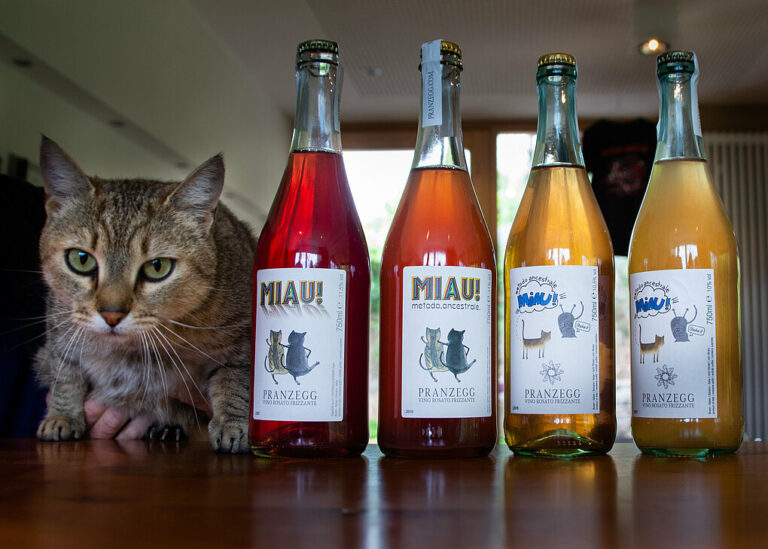
Miau! from Martin Gojer and Marion Untersulzner of Weingut Pranzegg in Bozen, South Tyrol could not be more “critter,” but is it also more? By Daniel and Liliana Schönberger
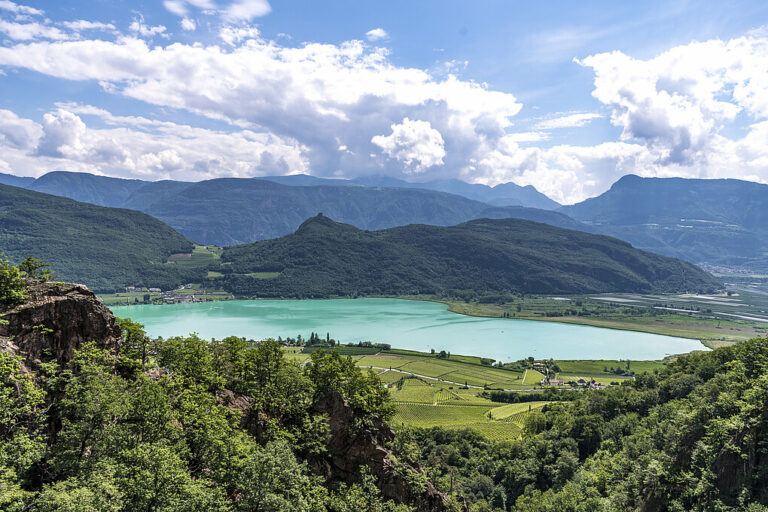
Kalterersee is Alto Adige-Südtirol’s oldest DOC zone, and the most fragrant and floral expression of Vernatsch in the region.
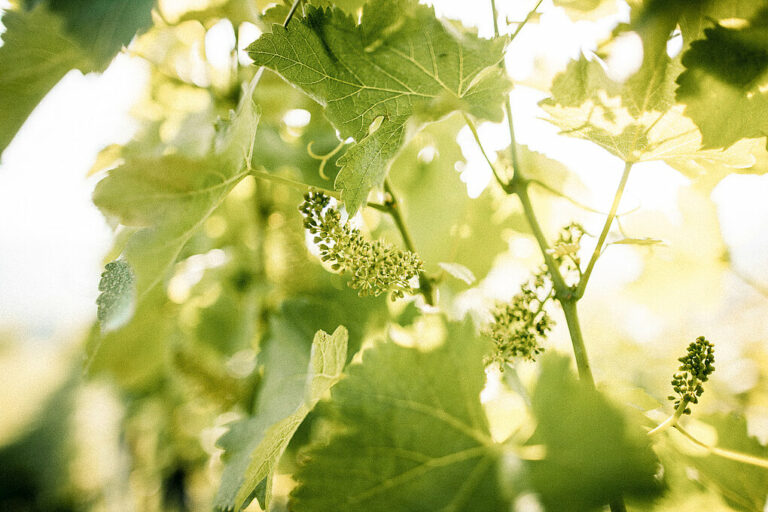
Pinot Blanc is neither a distinctive cépage nor a particular grape variety – at least, not from the viewpoint of ampelography or genetics. And what there is of pure Pinot Blanc worldwide is nearly all rendered in German-speaking growing regions where it is typically known as Weissburgunder.
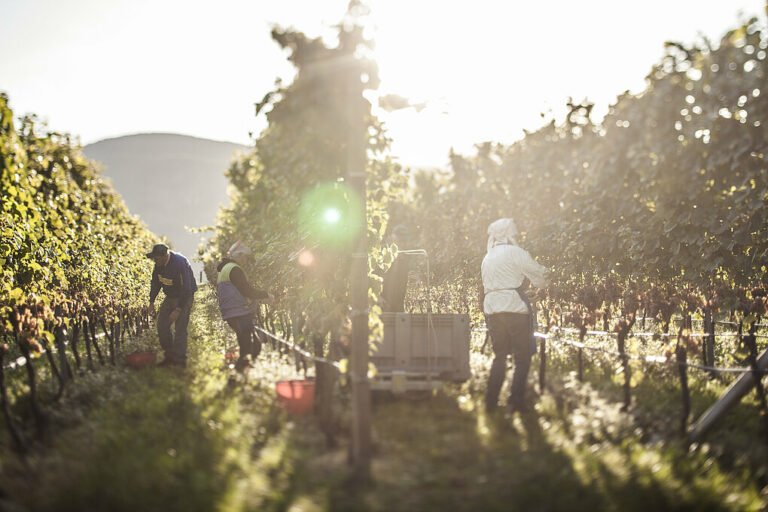
Trink Magazine | The 12 winegrower cooperatives of Alto Adige produce some of the finest wines in Italy, if not the world. it's a part not only of the region's history but also its DNA, Susan gordon reveals why.
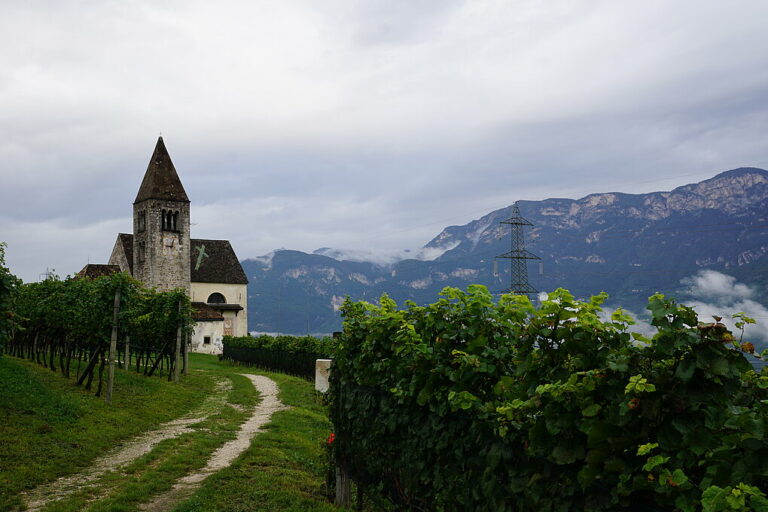
Südtirol-Alto Adige winegrowing has already exerted tremendous energy in re-inventing itself. But as has become ever clearer, that was only step one. The second is yet to come.
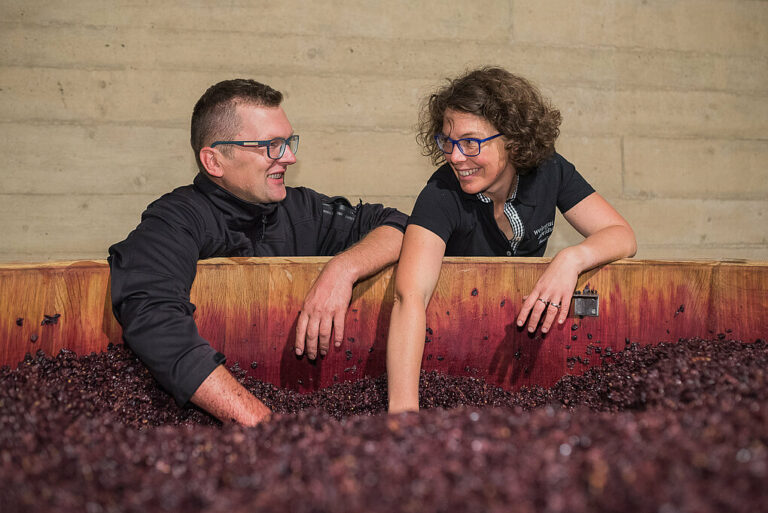
My first, late spring 2018 visit with Marlies and Martin Abraham in their cellar on the edge of Eppan-Appiano proved an inspirational personal discovery. A young couple leaves behind former professions to follow a vinicultural dream of activism in the vineyard and minimalism in the cellar, becoming the first to vinify and bottle wine from the vineyards they have inherited: In itself, that story is nowadays (thankfully) far from unusual. But in Südtirol-Alto Adige, it’s an audacious exception. Moreover, I was amazed by how distinctly delicious were Abrahams’ interpretations of each among the four grape varieties they chose to champion, especially considering…...
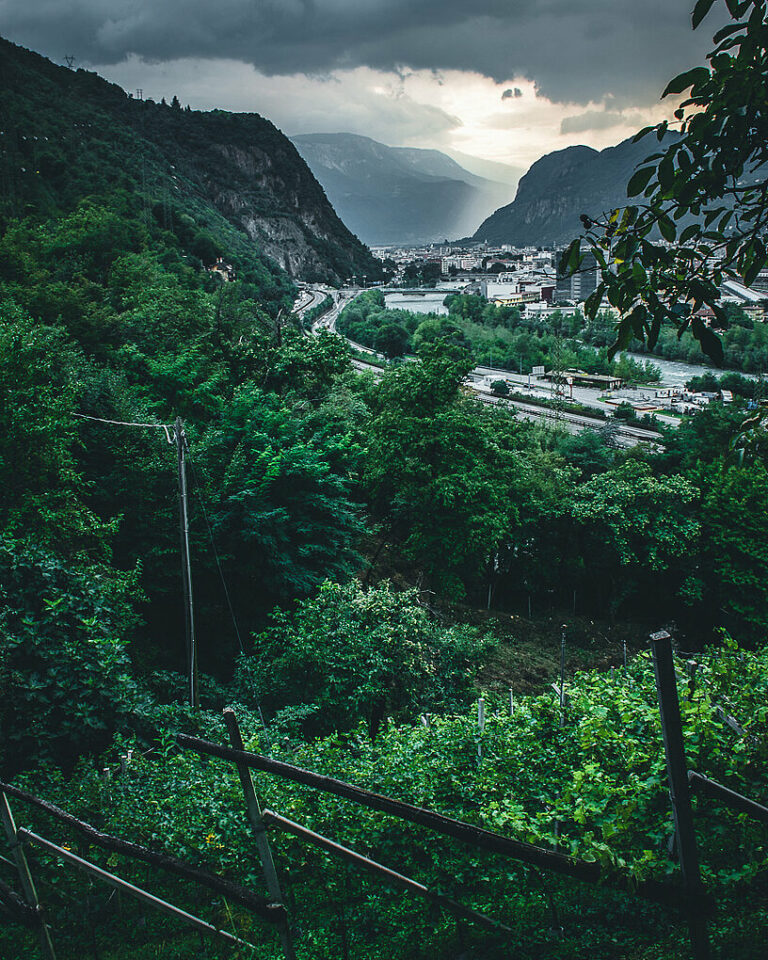
Pranzegg. In der Eben. Thomas Niedermayr. Garlider. Four names that will mean more or less to you depending on where and how you drink wine. Four small-scale organic and biodyanamic growers from four points on the compass of northern Italy’s Südtirol-Alto Adige (aka South Tyrol). Four individualists who, after years of being stuck in the corners at tastings and fairs — singled out as “crazies” for their cloudy cuvées, atypical varieties, and defiant styles — decided that being outsiders together would, at a minimum, be more fun. More off-piste than pissed-off, Freistil (“free style”) was born. South Tyrol’s trademark is mountainous diversity. A remarkable living…...
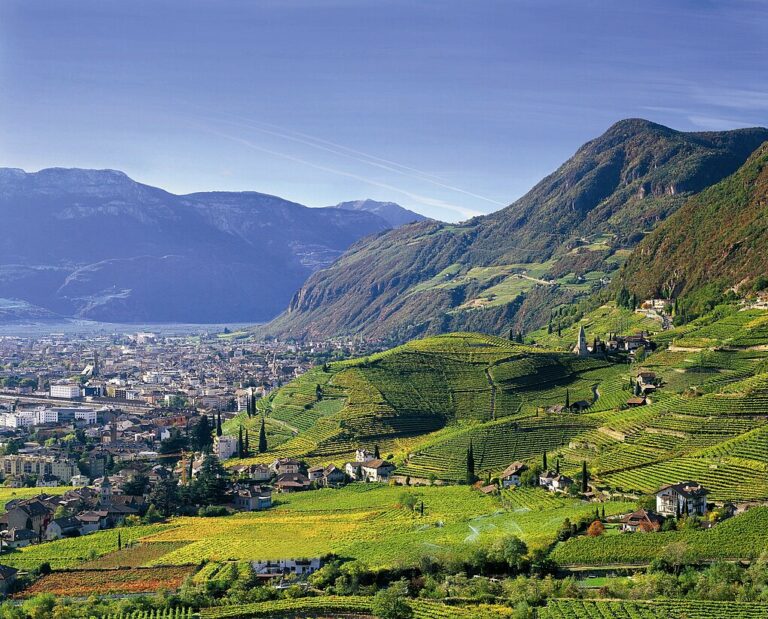
Trink Magazine | St. Magdalener represents perhaps the most powerful and structured of the many Vernatsch expressions in Alto Adige and constitutes an important part of the region’s identity. By Simon Staffler
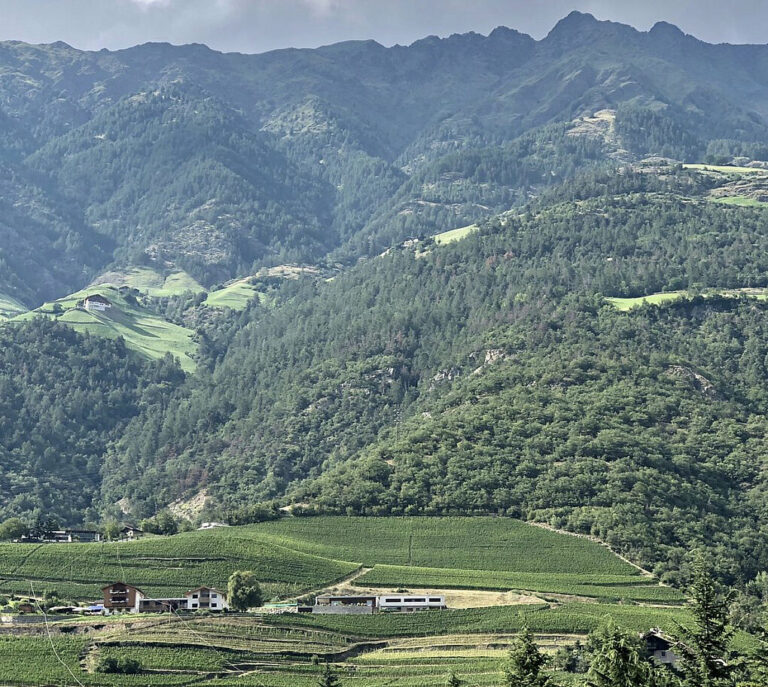
Trink Magazine | With forests, glaciers, and vineyards that soar above 1,300 elevation, the Vinschgau remains a bastion of true cool climate wines. By Valerie Kathawala
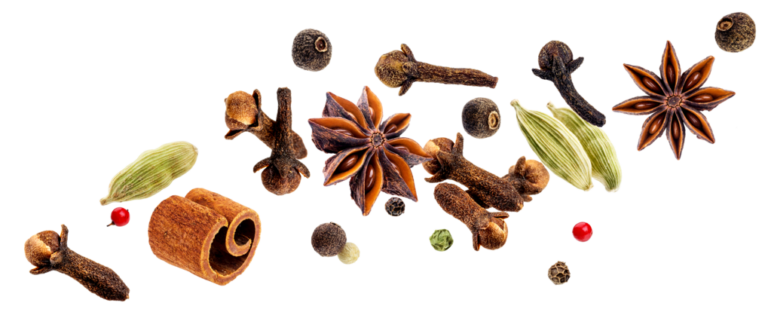
Picture yourself at a German holiday market (if such things were happening in 2020) — a mug of glühwein in hand and the scent of fresh pfeffernuss cookies in the air. It’s no surprise that these warm, spicy aromas are key attributes in many wines from Germany and Austria, South Tyrol, and the German-speaking parts of Switzerland. And there’s a hidden world of compounds and precursors to thank for this distinctive and alluring range. Much like a chef in the kitchen, growers can influence the aromatic and flavor complexity of their wines by playing with soil type, exposition, vine age,…...

The view from the Gasthaus patio across the South Tyrolean valley is framed by lush vegetation and floral splendor. Three weeks ahead of schedule, nature has already reached peak blossom and seems literally bursting with fertility. Wherever you look, all that can grow, does. Bees buzz, butterflies flutter, and the inn is teeming long before even the first wave of spring tourists. The regional charcuterie board arrives with a bottle of Gewürztraminer, amplifying the unrelenting sensory euphoria of flowers, landscape, sunshine, and speck. Skeptics are the ones missing out because Gewürztraminer over the Alps has never been better. Back in Germany, where Gewürztraminer’s reputation…...