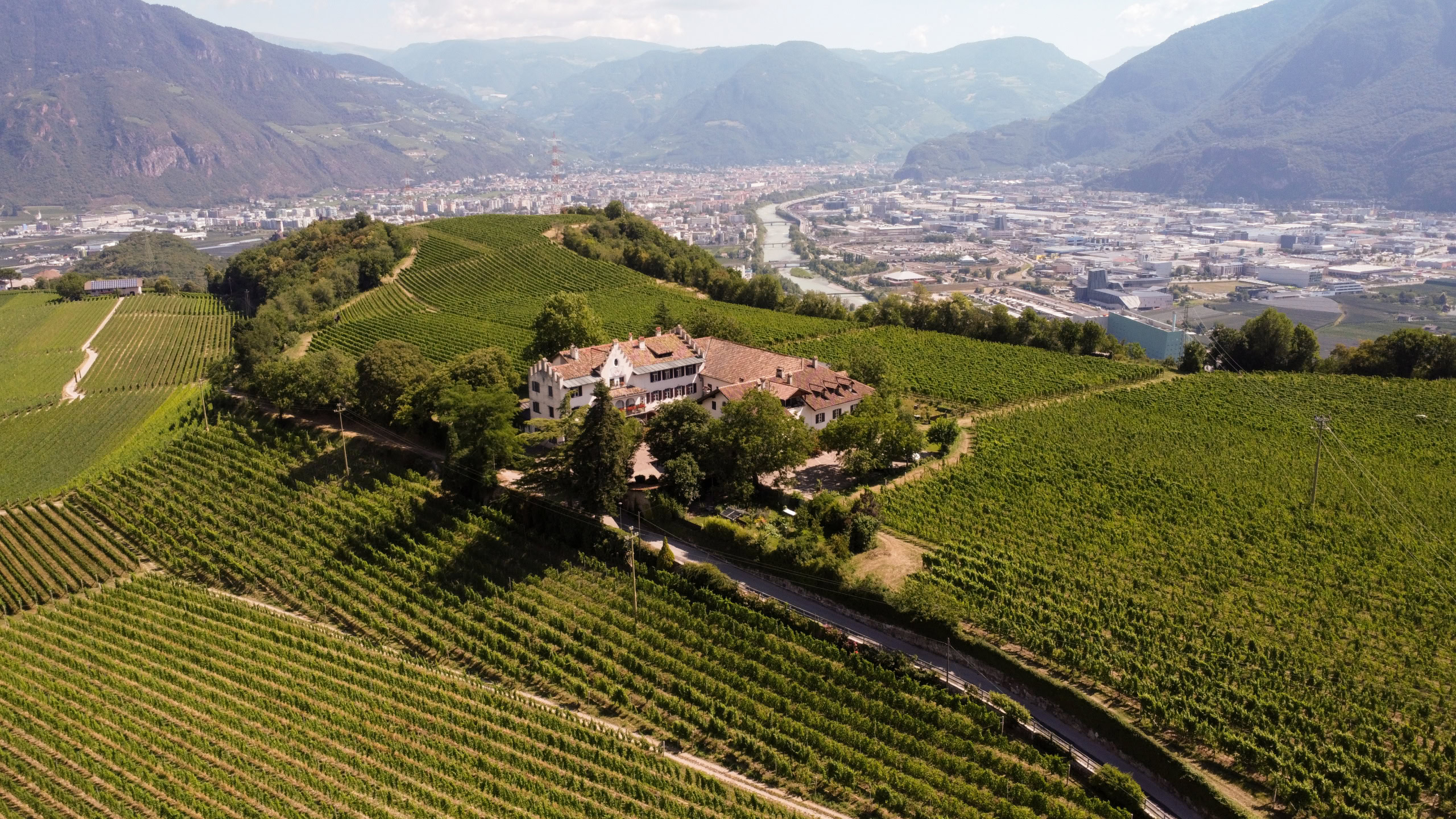
The Last of Their Kind: Germany’s Treasury of Old Vine Riesling
The power, pride and potential of old vines. And it turns out, the Mosel really could be where it all started..

No other wine country repays attention to detail the way Germany does. Plenty of us are familiar with the specificity of German wine labels, but few realize the focus, heritage, and love behind them. German wine is in the midst of a stunning transformation. It is moving from safe toward thrilling — and at blinding speed. Riesling reigns supreme, but there’s been a significant shift in the direction of Spätburgunder and Chardonnay that is very much worth tracking.
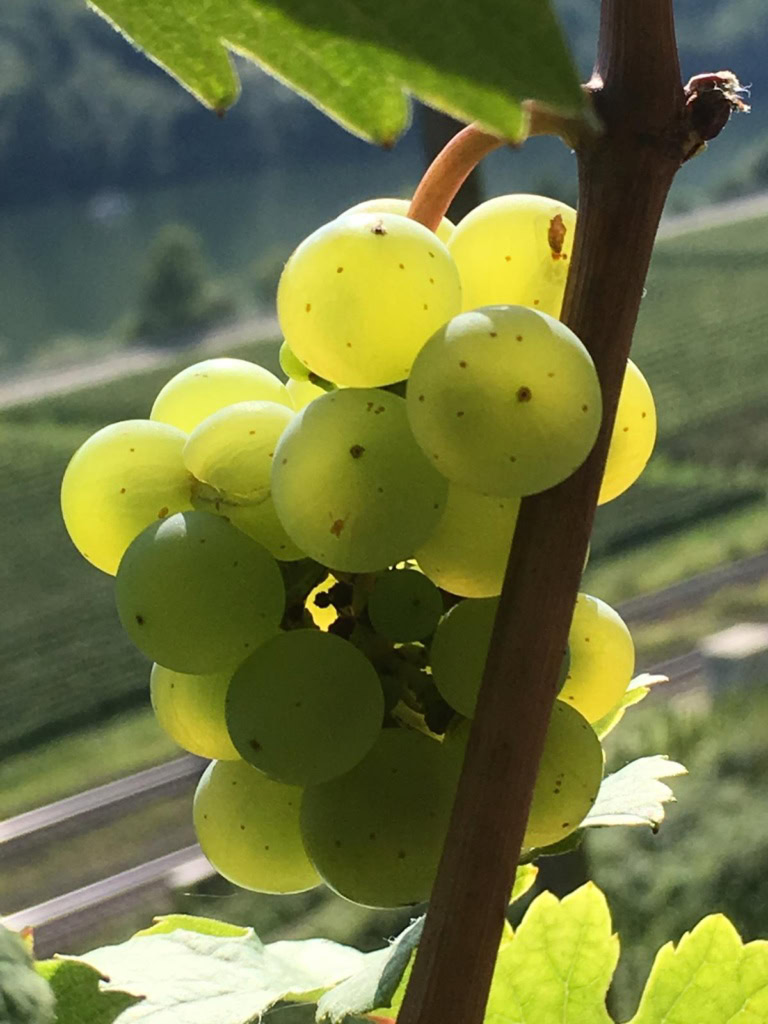
The power, pride and potential of old vines. And it turns out, the Mosel really could be where it all started..
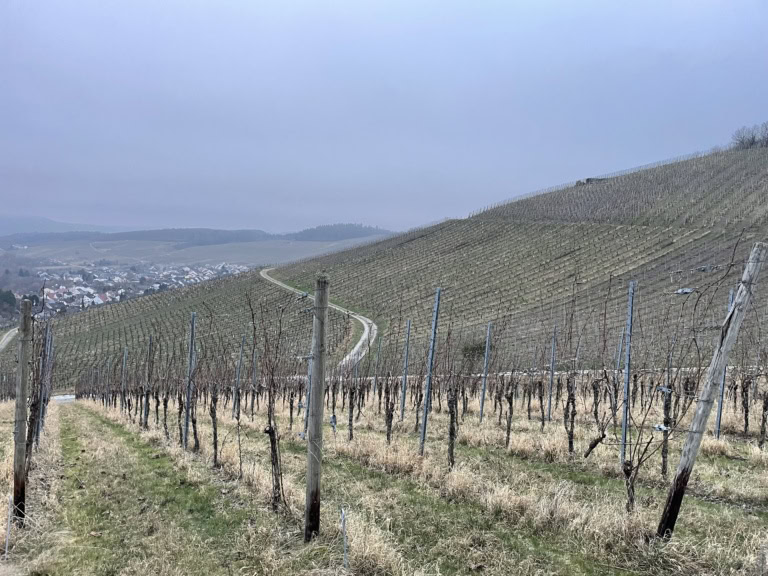
Konzer Talchen is where the Saar keeps its cool.
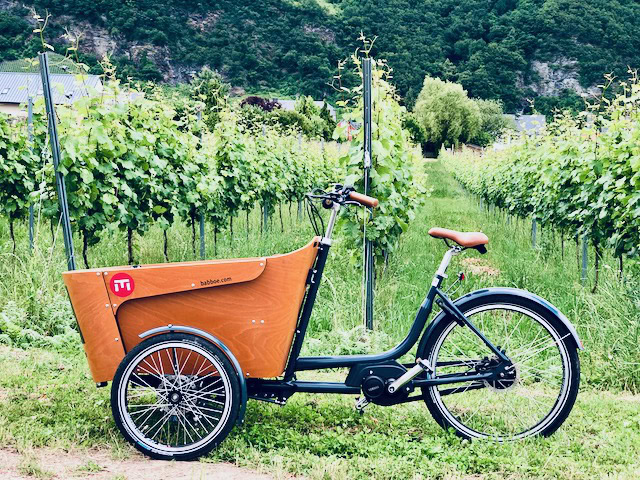
Learn more about the most dynamic way to interact with 120 producers in just one weekend.
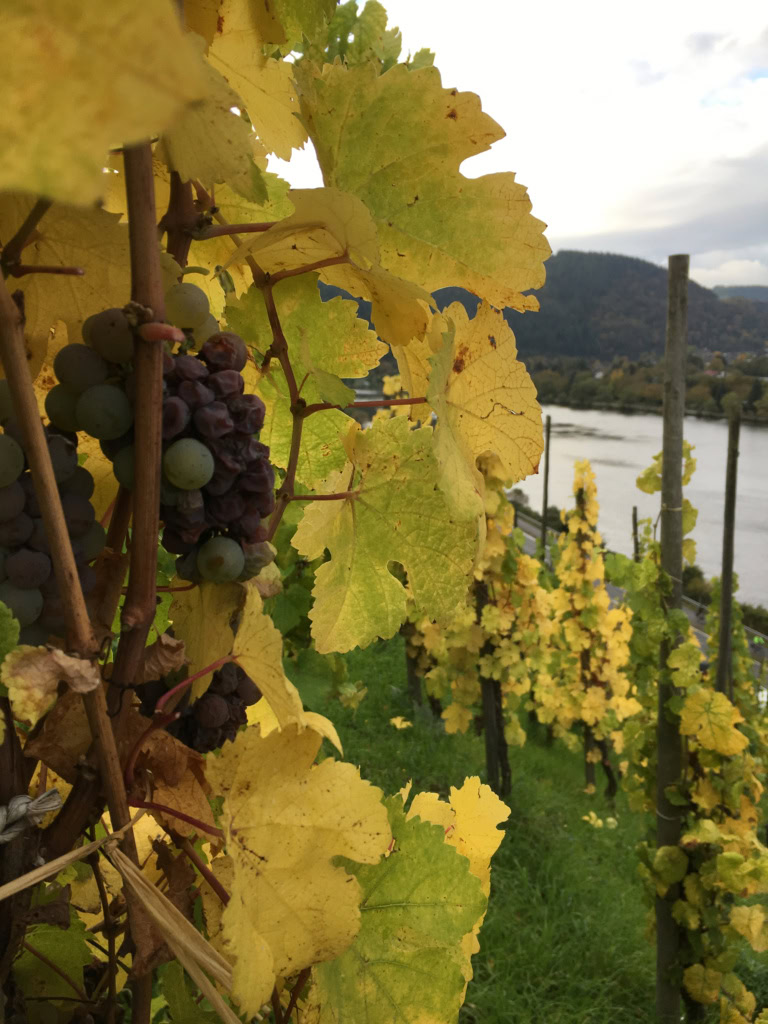
How a former chef's trip from the Norwegian Fjords to Germany's Mosel valley took wine appreciation to the next level.
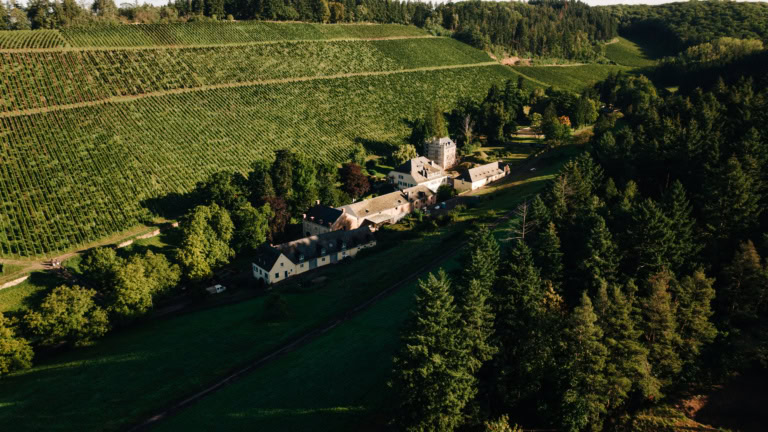
A new direction is taking shape at an ancient estate in the Ruwer.
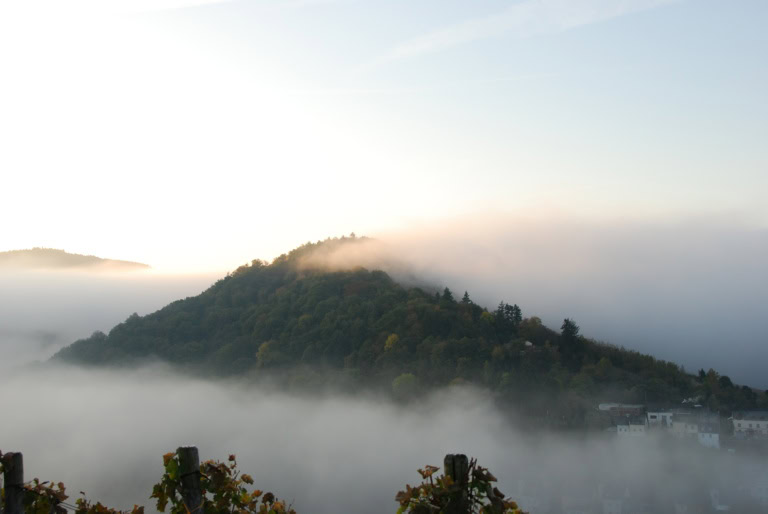
Winemakers in the Mosel are tending an old tradition that is budding anew. These modern Pinots reach for elegance and complexity, edginess and vitality. and the world is finally taking notice.
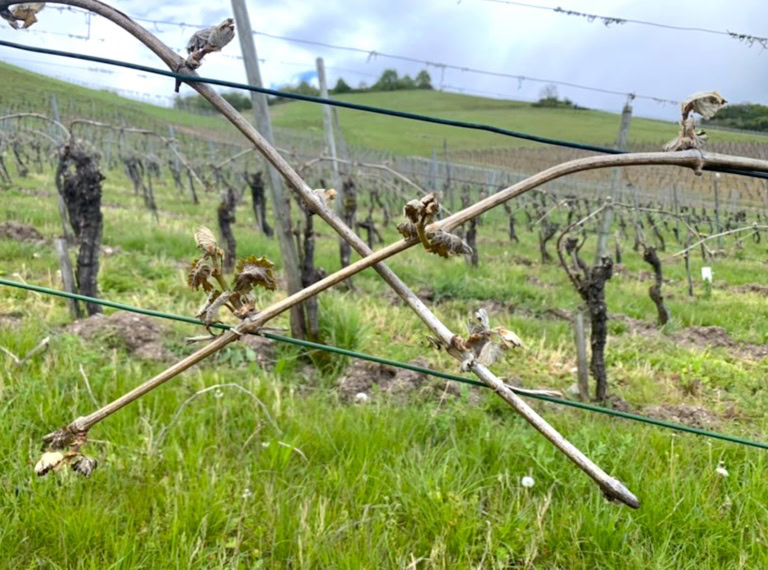
April arrived like a lamb and went out like a lion, leaving a swath of massive frost damage in its wake for the 2024 vintage.
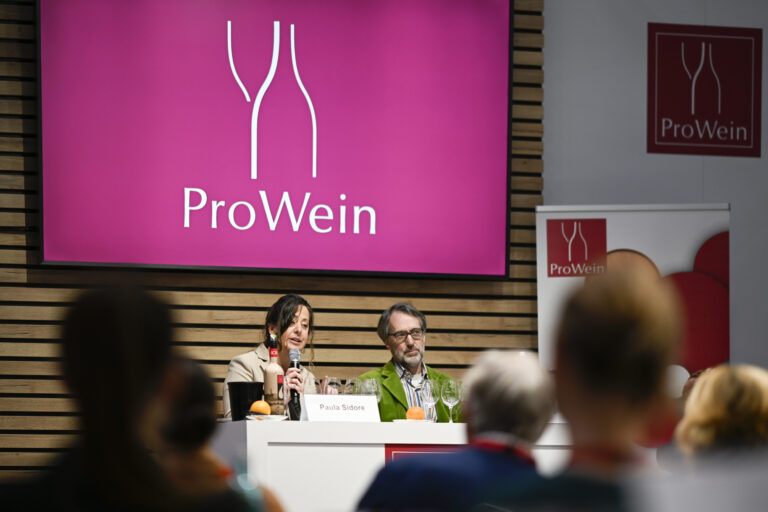
A ProWein primer on how to survive and thrive at the world's largest wine and spirits trade fair.
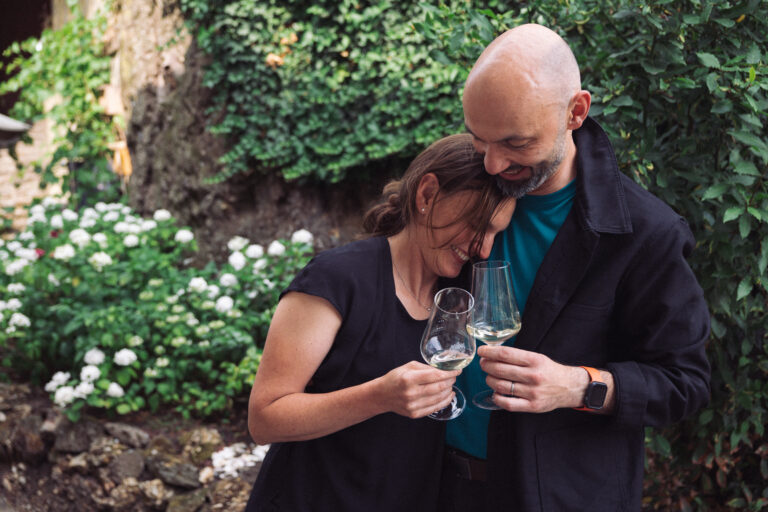
For Valentine's Day, how a chocolate and wine pairing made for a meet-cute that is now writing a new wine narrative in the Nahe.
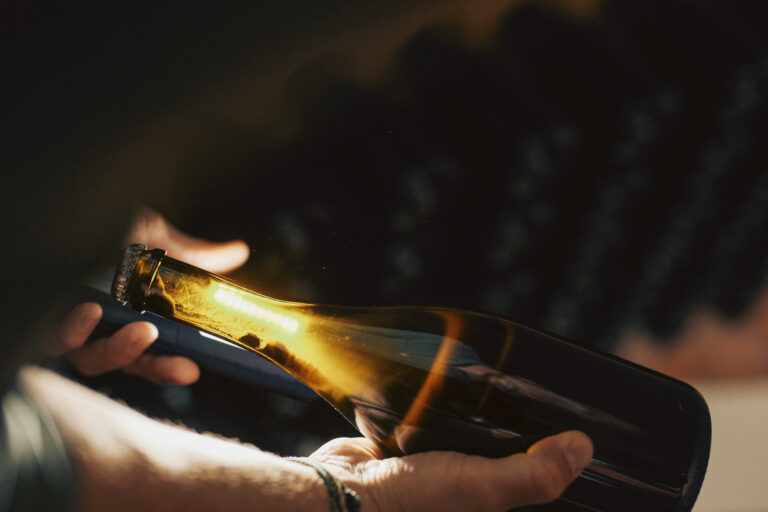
10 sparkling secrets of the sekt generation.
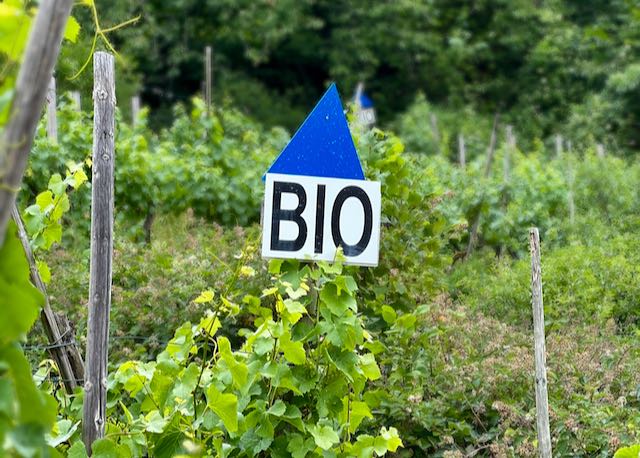
How catastrophe proved a catalyst for change, and helped Germany’s Pinot paradise find a new way to farm.
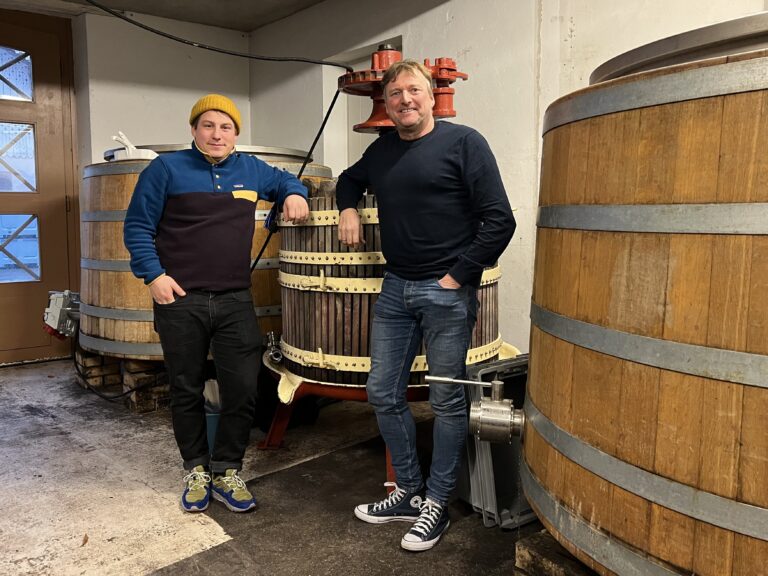
A Swiss winery benefits from the touch of the master of Markgräflerland.
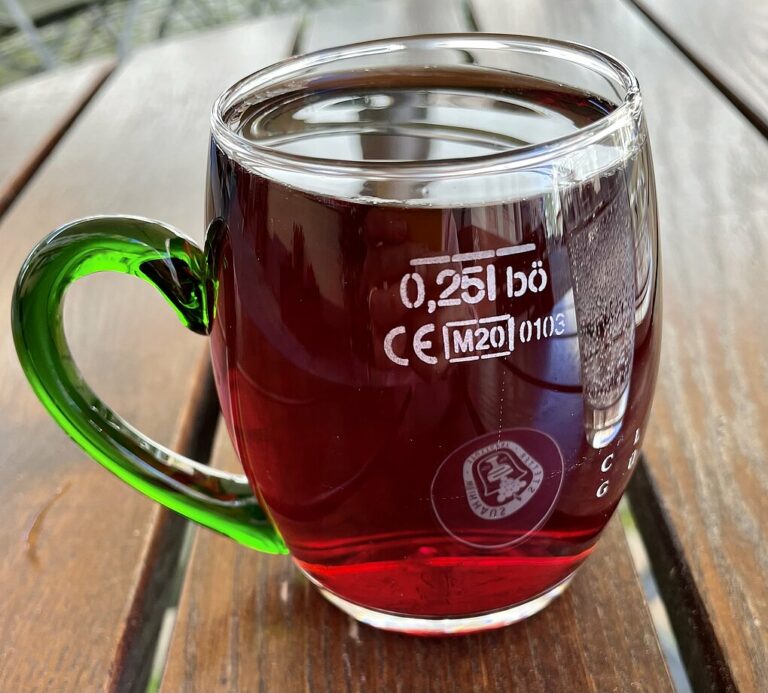
Trollinger was long decried as a poor excuse of a wine. Increasingly, growers and drinkers beg to differ.
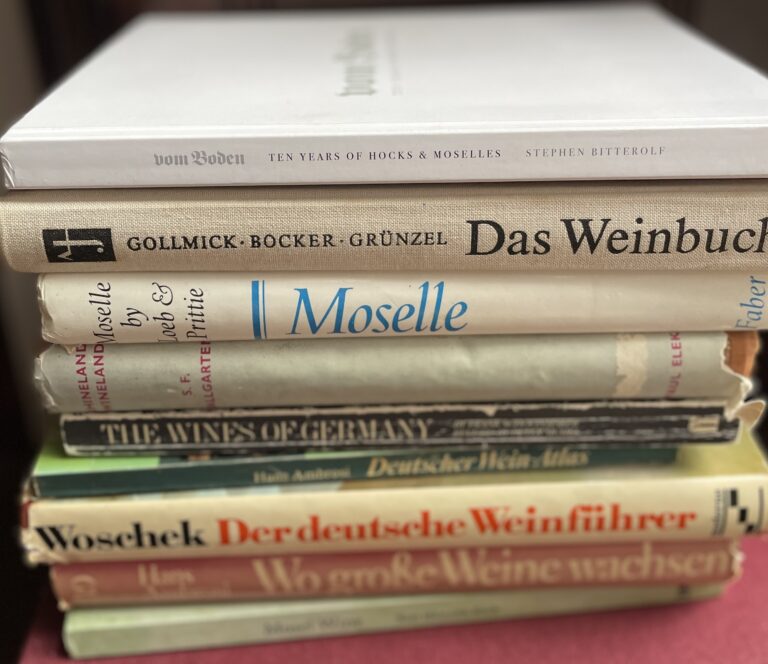
Stephen Bitterolf's new book "Vom Boden: Ten Years of Hocks & Moselles" in review.

The future of the Mosel Apollo butterfly and its habitat of the Mosel terraces are endangered. Can a solution be found that allows both to continue to coexist?
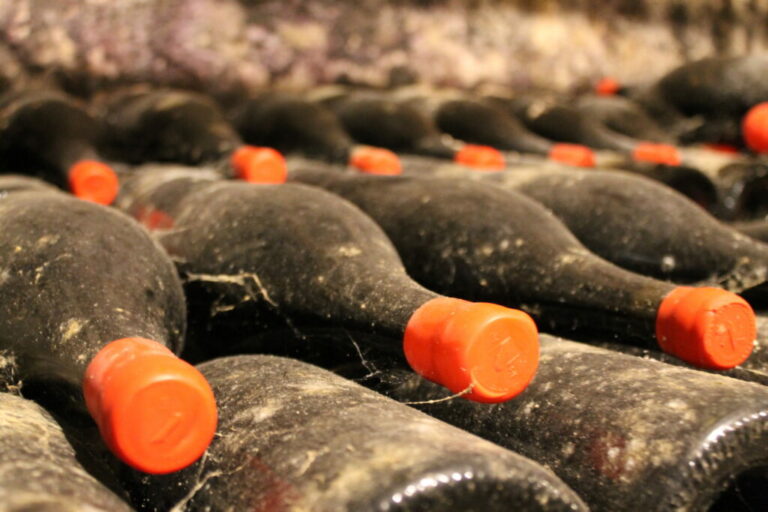
Ingelheim Rheinhessen is a hotspot for German Pinot Noir (Spätburgunder).
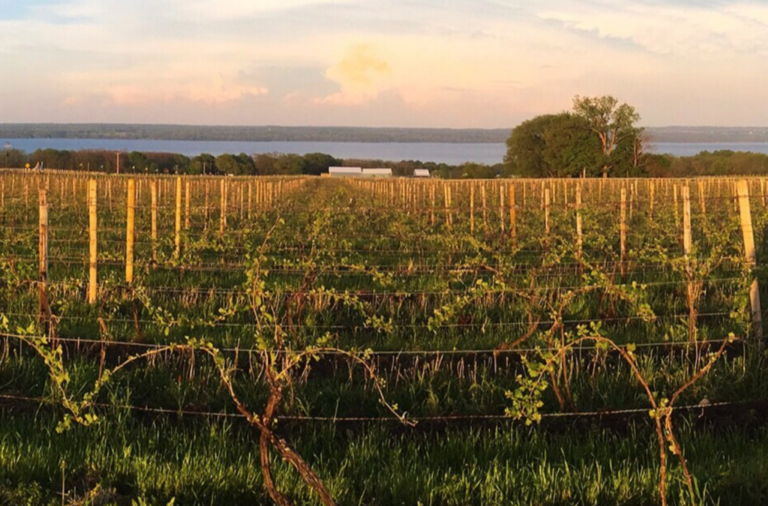
Slopes tilting toward shimmering water; a long, cool growing season; and shallow slate soil — to a connoisseur of German wines, these features immediately evoke the storied Mosel region. Yet they also describe a much younger wine-growing area: New York State’s Finger Lakes, or FLX. Long dismissed as a producer of tourist-friendly sweet wines made from non-vinifera grapes, the Finger Lakes now give life to vintages that express grape and terroir with nuance and sophistication. These include wines created by German-born winemakers, such as Johannes Reinhardt at Kemmeter Wines and Peter Weis at Weis Vineyards, as well as those who trained…...
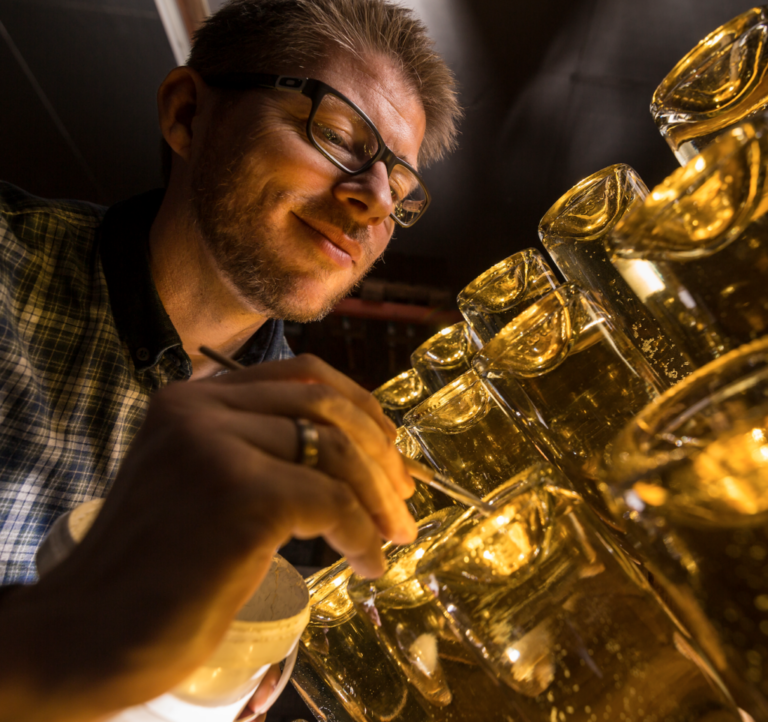
Riesling is admired for its complexity, longevity, and ability to reflect its terroir. The same is slowly becoming true in the sparkling wine sector, where bubble enthusiasts are discovering what aged Rieslingsekt can offer. In the world of German wines, Riesling is the undisputed star. Still wines gained their historical reputation as early as the 15th century, while the 18th and 19th centuries witnessed the rise of traditional method sekt. Over time, large companies monopolized the production of cheap, tank-fermented sparkling wine, until smaller, individual wineries were finally allowed to produce and sell their sparkling wines in the early 1980s. This…...