Heida: Pearl of the Alps
Heida is an old variety with a modern freshness planted in the Swiss Valais heights of the Visperterminen.

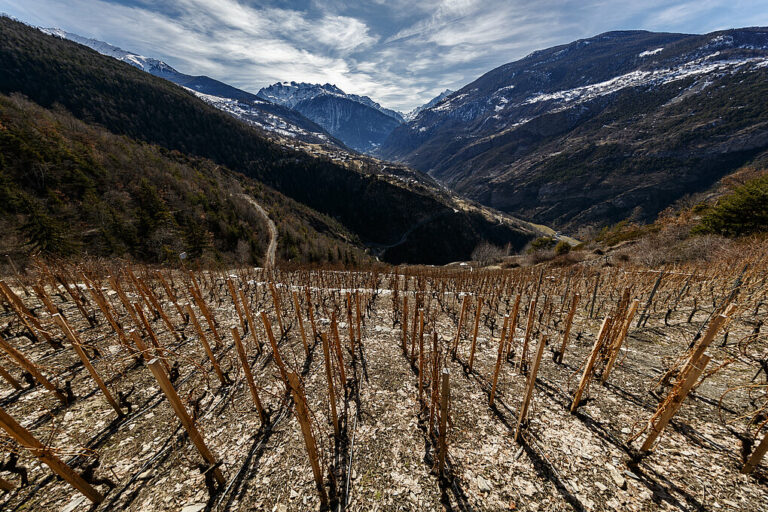
Heida is an old variety with a modern freshness planted in the Swiss Valais heights of the Visperterminen.
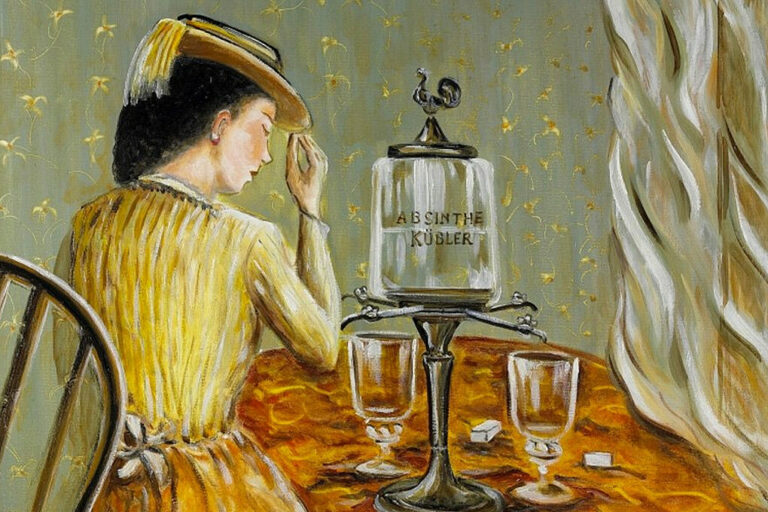
Banned and beloved, feared and revered, one would assume the birth story of absinthe to be as spirited as its character. Yet its quite conventional beginnings can be clearly traced back to the mild-mannered region of Val-de-Travers, Switzerland, below the limestone-cliffed Jura mountains, where a greenish-gray perennial that gave the herbal elixir its name thrives on the lush borders of the region’s forests and roadsides. And so it is that neither the what nor the where, but rather the who of absinthe’s beginnings that has been called into question, becoming only the first in a long twisted tale of controversy…...
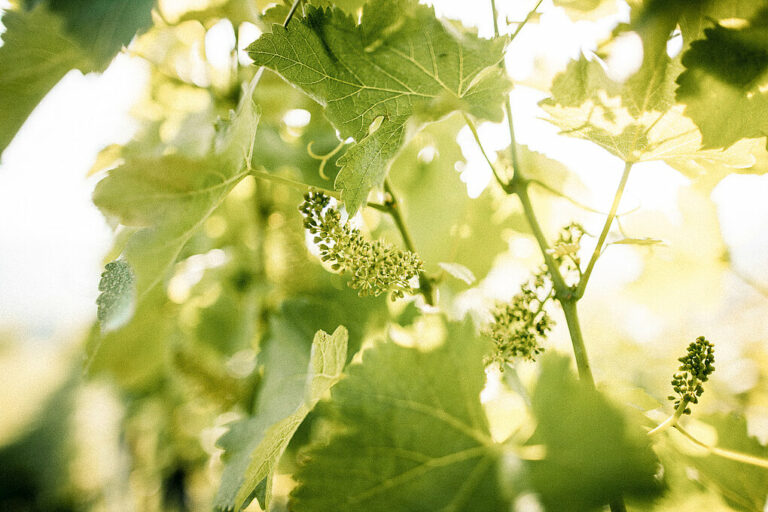
Pinot Blanc is neither a distinctive cépage nor a particular grape variety – at least, not from the viewpoint of ampelography or genetics. And what there is of pure Pinot Blanc worldwide is nearly all rendered in German-speaking growing regions where it is typically known as Weissburgunder.
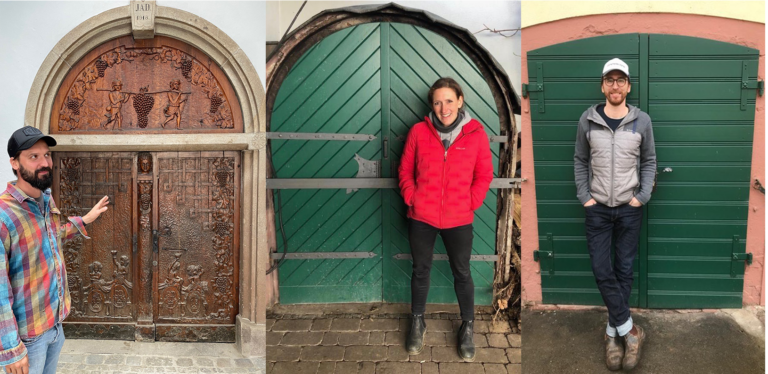
For over a year, we’ve been living with a pandemic that has shut down more than just our senses of taste and smell. It has forced us to rely on at-home experiences like a glass of wine to satisfy our longing for travel. But what do the places of our terroir dreams taste like? What exactly constitutes the origins of a wine? To use a loaded German word, how much Heimat (loosely, homeland) is in terroir? Flash back to harvest 2012. Max von Kunow of Weingut von Hövel in Germany’s Saar visits the Jurtschitsch family in Austria’s Kamptal for a vacation before his own harvest. Together…...
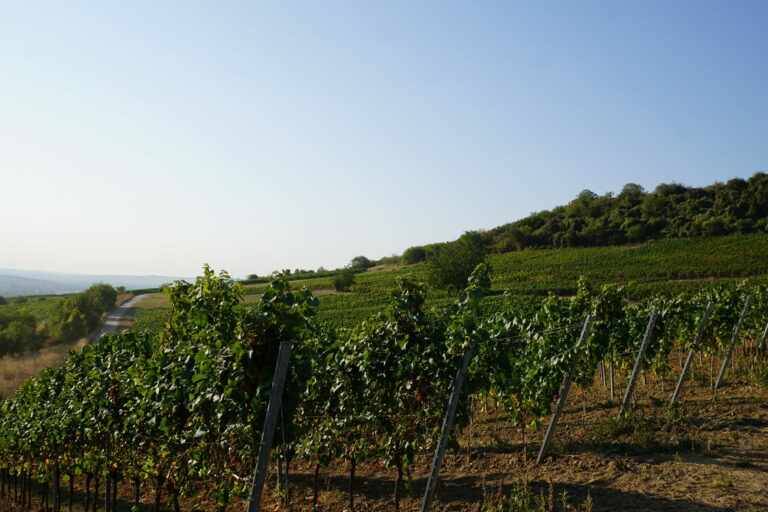
If there is an underdog in Germany’s largest winegrowing region, Rheinhessen, it is Scheurebe. Vinified sweet for many years, Scheurebe — pronounced SHOY-ray-beh — largely fell out of fashion. But things changed, and with the dry wine revolution in Germany over the last 20 years, Scheu is back, with — to quote Patti LaBelle — brand new ideas and a new attitude. “Scheu,” as aficionados like to call it, was bred by German viticulturist Justus Georg Scheu in 1916. Unhappy with the many highly acidic and sour Rieslings he encountered, Scheu (the man, not the grape) wanted to create a…...
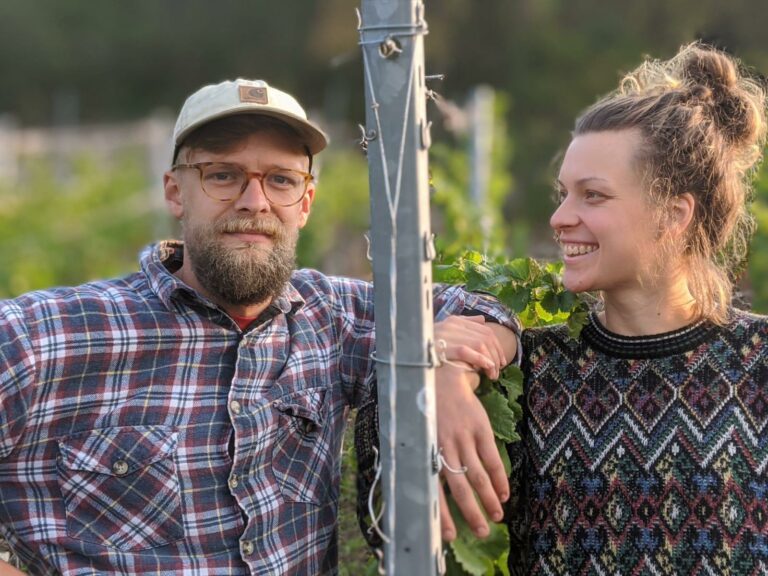
It’s hard to believe now, but Germany was once a divided country, and the East was a strange microcosm of icons of that era: Sandmännchen, Jungpioniere, and FKK-Kultur. Not to forget its sparkling ambassador, Rotkäppchensekt. Also hard to believe: a destination for wine fans has now arisen in the area between Chemnitz and Cottbus, Magdeburg and Dresden. And yet, from Berlin, the trip takes you almost 200 kilometers to the south, past Dessau and Lutherstadt Wittenberg, to a place whose name sounds to German ears disturbingly close to “Lauch” (leek). Laucha an der Unstrut has roughly 3,200 inhabitants, a bell museum, and one…...
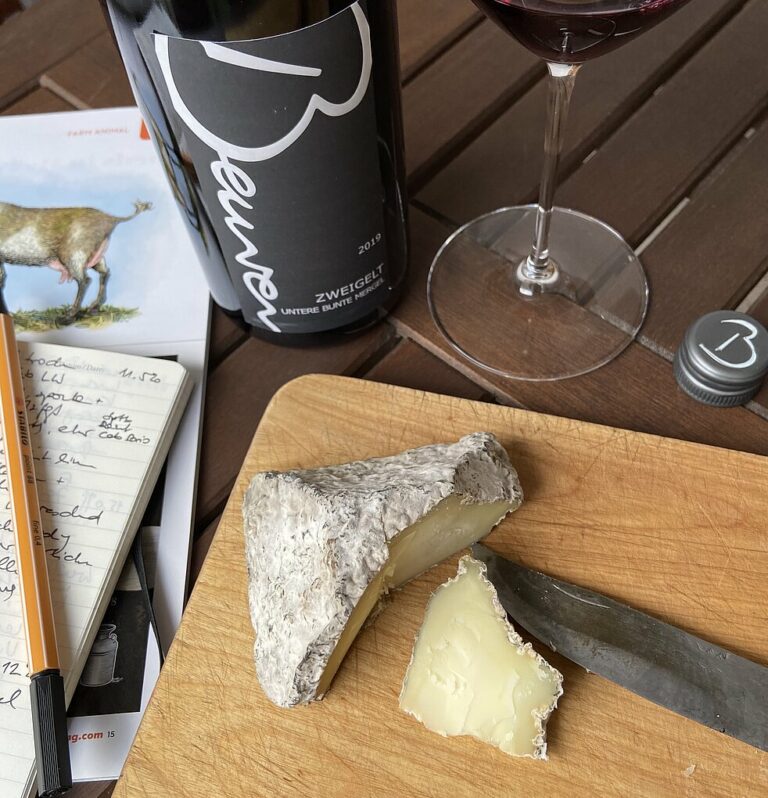
When Westphalia and Württemberg meet on the table good tastes are bound to happen.
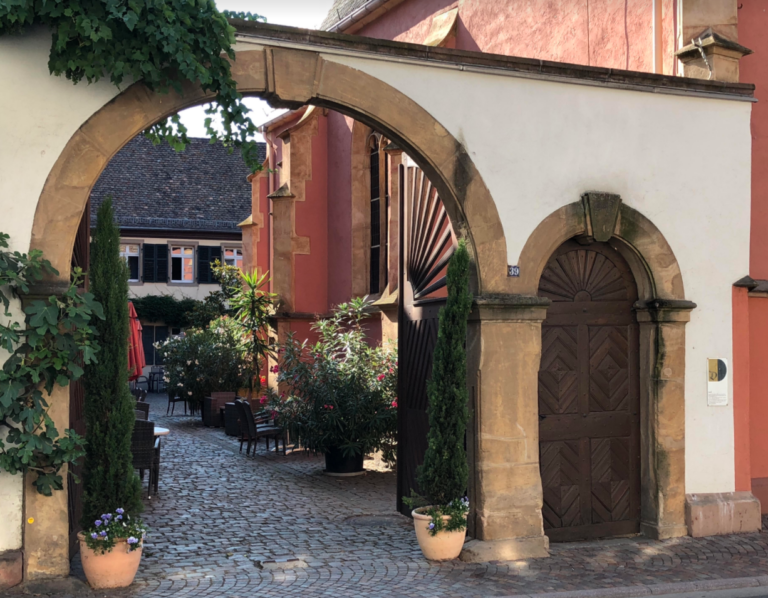
The Pfalz is Germany’s second-largest wine region (by volume) — and perhaps its biggest surprise. The south-of-the-Alps feel of abundance and harmony stems from geographic confluence, where the sheltering Haardt mountains meet Rhine river plain. With Rheinhessen to its north and Alsace due south, it’s a wholly unexpected idyll of fig, lemon, and almond trees, pastel villas, and gentle vine-wrapped slopes as far as the eye can see. Amid this beauty, the Pfälzer live with French-inflected savoir-faire. This amplitude is all there in the wines. Within a compact 85-km north-south span, 130 villages and seemingly countless vineyards are tightly packed north to…...
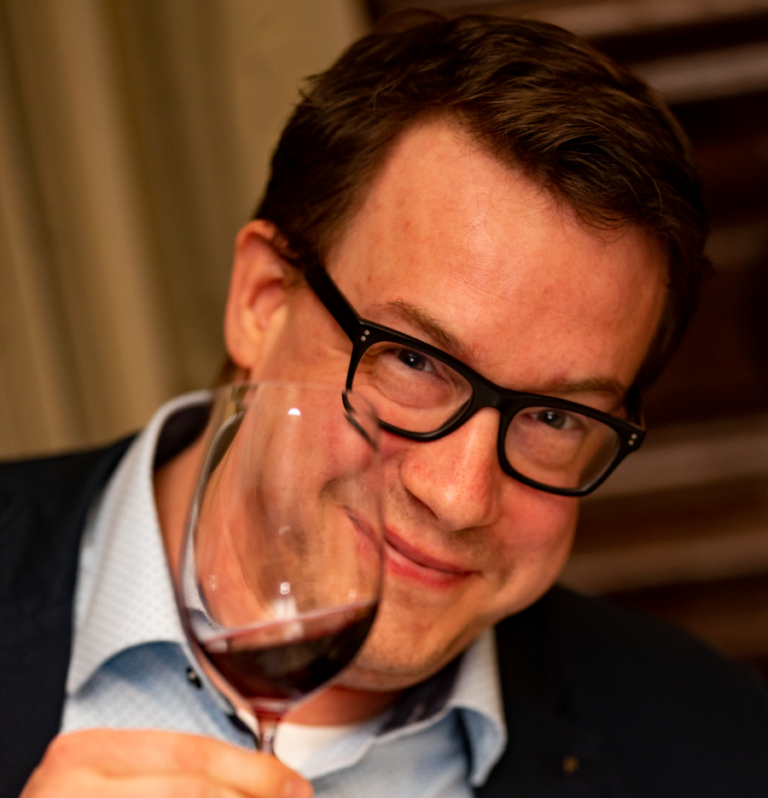
A fresh crop of Masters of Wine was announced late last month: Ten individuals who have grasped the holy grail of wine education. Among them is Moritz Nikolaus Lüke of Bonn — the tenth German to achieve the distinction. He joins an elite crew who have earned the title by passing legendarily rigorous blind tasting examinations and writing a series of theory papers as well as a research-based thesis. TRINK caught up with Lüke to find out what the experience was like, learn about his Covid-driven research paper — and get an answer to the question we’re all naturally most curious about: what he drank…...
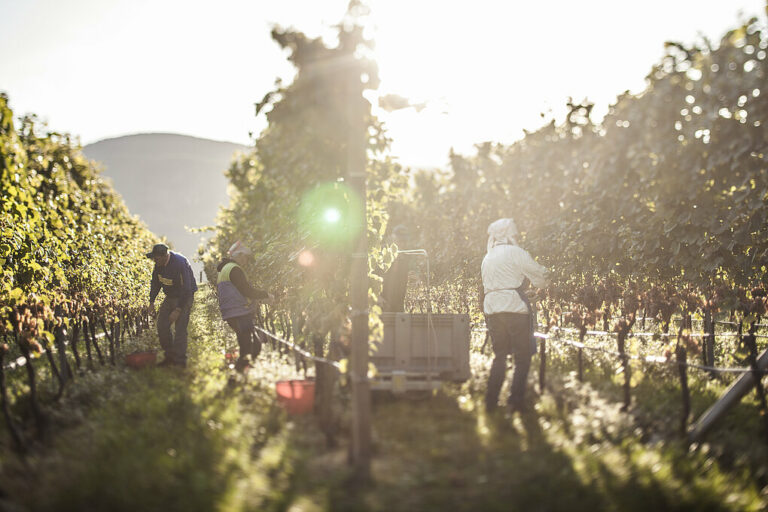
Trink Magazine | The 12 winegrower cooperatives of Alto Adige produce some of the finest wines in Italy, if not the world. it's a part not only of the region's history but also its DNA, Susan gordon reveals why.
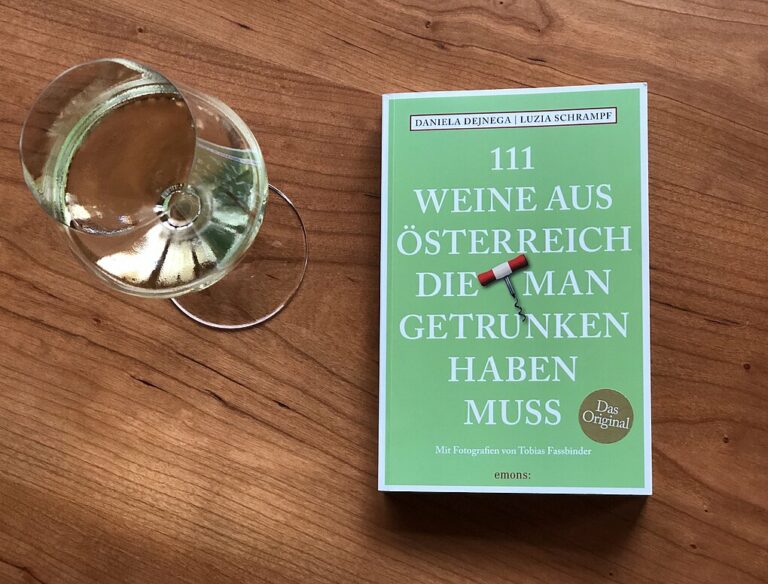
With its nearly ideal set of conditions — location, climate, indigenous varieties —Austria’s Thermenregion curiously remains an insider secret. In addition to a colorful mix of varieties common in Austria, this region just south of Vienna devotes 200 of its 2,200 hectares to the autochthonous grapes Rotgipfler and Zierfandler. They are the region’s great opportunity and are now back in growers’ sights, as illustrated by their well-deserved inclusion in the book 111 Weine aus Österreich, die man getrunken haben muss. Beyond this, some producers here are venturing into new areas, like pét-nat, while among red wines, Sankt Laurent and Pinot…...
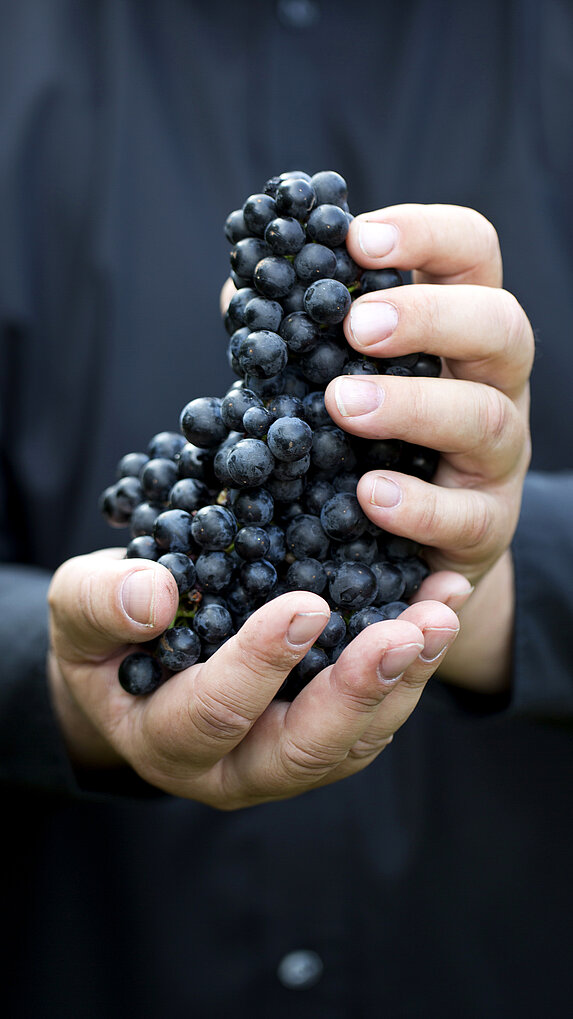
St. Lawrence, the man, was born in Valencia, Spain, sometime around 225 CE. He moved to Rome to work with Pope Sixtus II, became a deacon, and earned a reputation as a champion of the poor. On August 10, 258, Roman Emperor Valerian sentenced him to die by being lashed to a bed of hot coals. But so great was his devotion to god, the legend goes, that he resisted the flames, demanding that his tormentors flip him like a steak. A martyr was made. St. Laurent, the grape, is thought to have originated in what is now eastern Austria…...
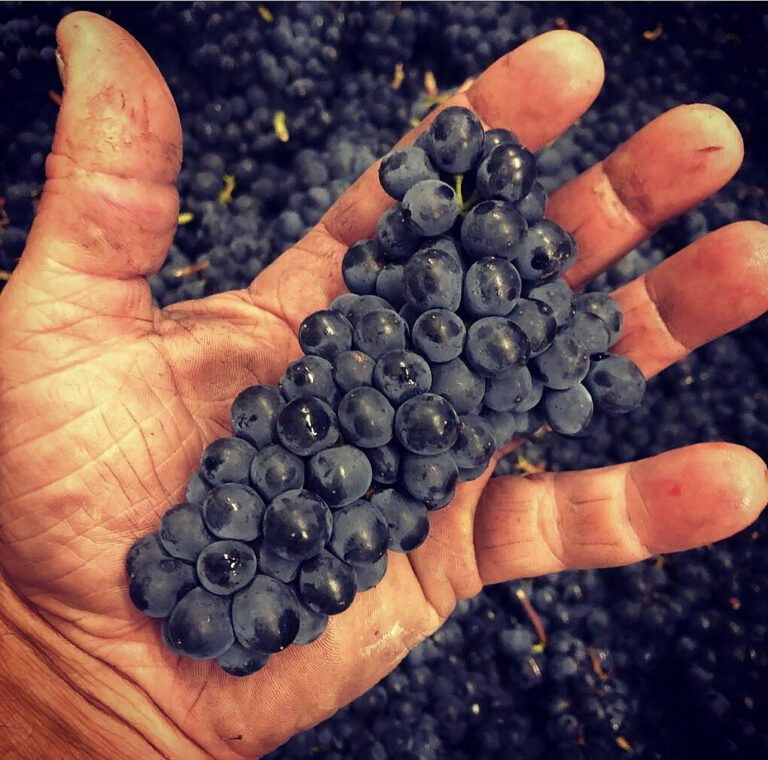
Pinot Noir from Switzerland? Gantenbein! Donatsch! Hardly another country exists whose reputation among international wine lovers for producing quality wines from this variety boils down to just two names. It’s high time that other Swiss producers get some of that spotlight – and there’s no reason why they shouldn’t come from the Canton of Zürich. Deutschschweiz, the sizable swath of eastern Switzerland that is German-speaking, is Pinot Noir land. Reportedly, the vine was introduced to Graubünden in 1631 by the Duke of Rohan, as a gift to local farmers, to win them over as mercenaries during the 30 Years War…....
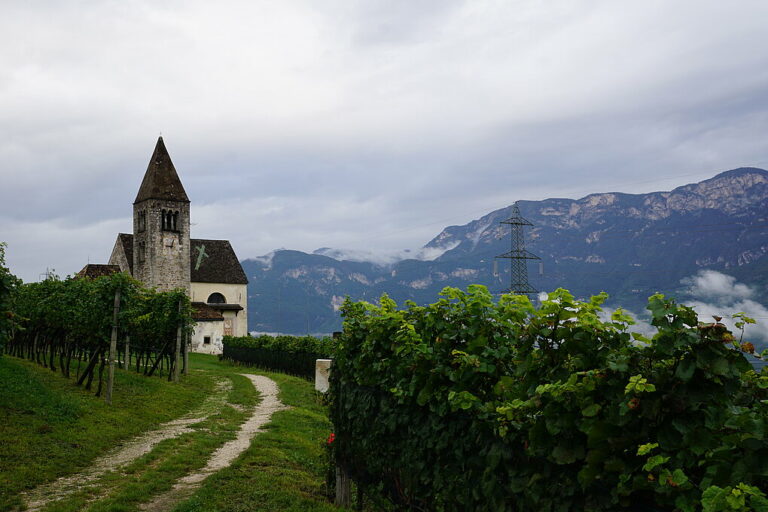
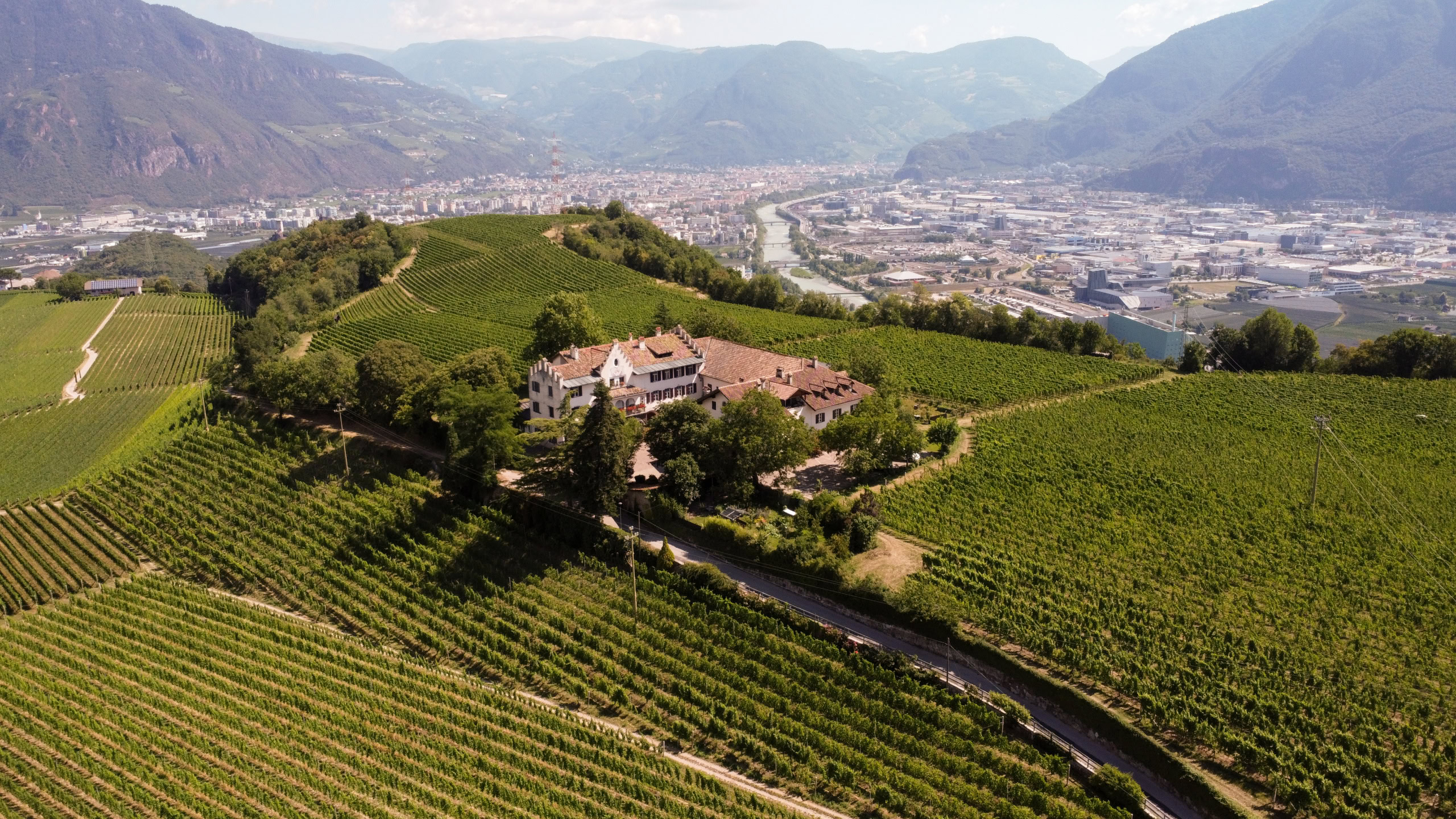
Südtirol-Alto Adige winegrowing has already exerted tremendous energy in re-inventing itself. But as has become ever clearer, that was only step one. The second is yet to come.
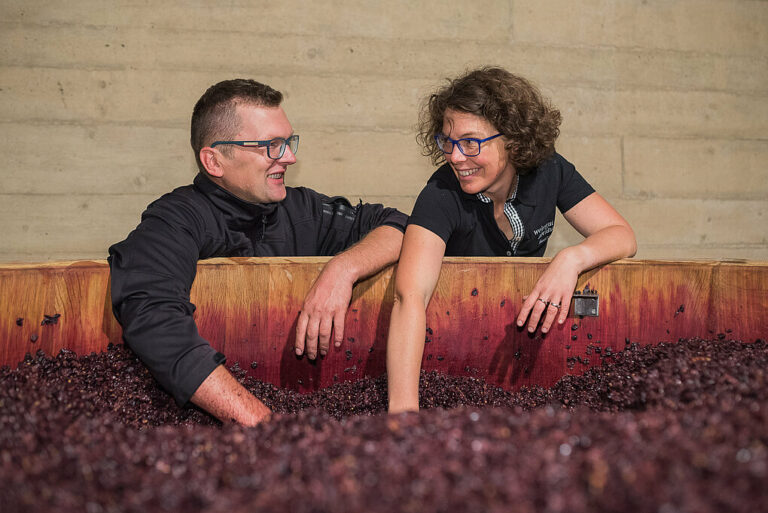
My first, late spring 2018 visit with Marlies and Martin Abraham in their cellar on the edge of Eppan-Appiano proved an inspirational personal discovery. A young couple leaves behind former professions to follow a vinicultural dream of activism in the vineyard and minimalism in the cellar, becoming the first to vinify and bottle wine from the vineyards they have inherited: In itself, that story is nowadays (thankfully) far from unusual. But in Südtirol-Alto Adige, it’s an audacious exception. Moreover, I was amazed by how distinctly delicious were Abrahams’ interpretations of each among the four grape varieties they chose to champion, especially considering…...
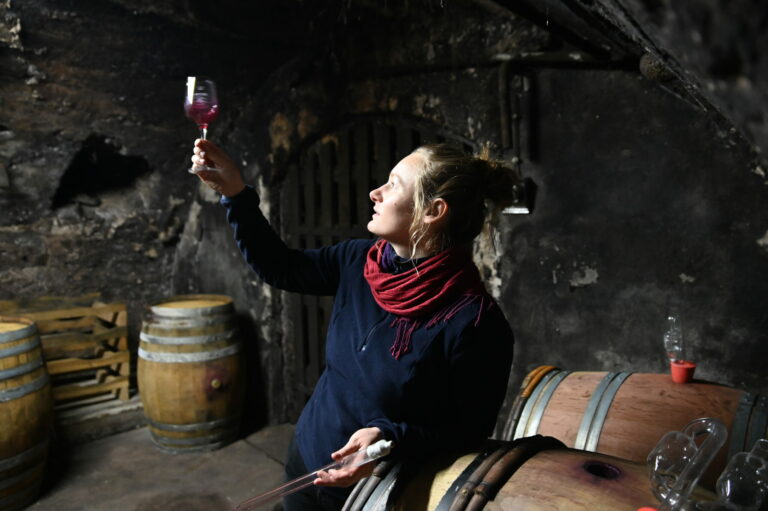
Piri Naturel is Christine Pieroth's independent line of natural wines in Germany's Burg Layen. Her wines bring a breath of fresh air to more straightforward Nahe’s wine scene.
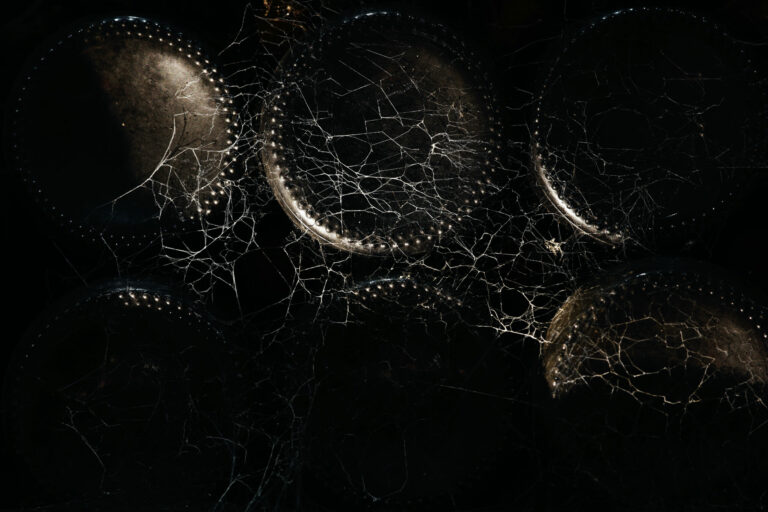
While artists throughout the ages have longed to catch time in a bottle, it is winemakers who have indeed come closest to achieving this noblest of goals. A fine wine captures not just a single moment, but the span of a vintage, a lifetime, of eons of geology. A liquid suspension of sugar, acids, ethanol, tannins, phenolics, and chemical compounds can become a remarkable crucible of climate, soil, and vision. Yet unlike many other artistic disciplines, there is no fixed point at which the winemaker can lay down his pen or her brush and declare the bottle finished. There are certainly…...
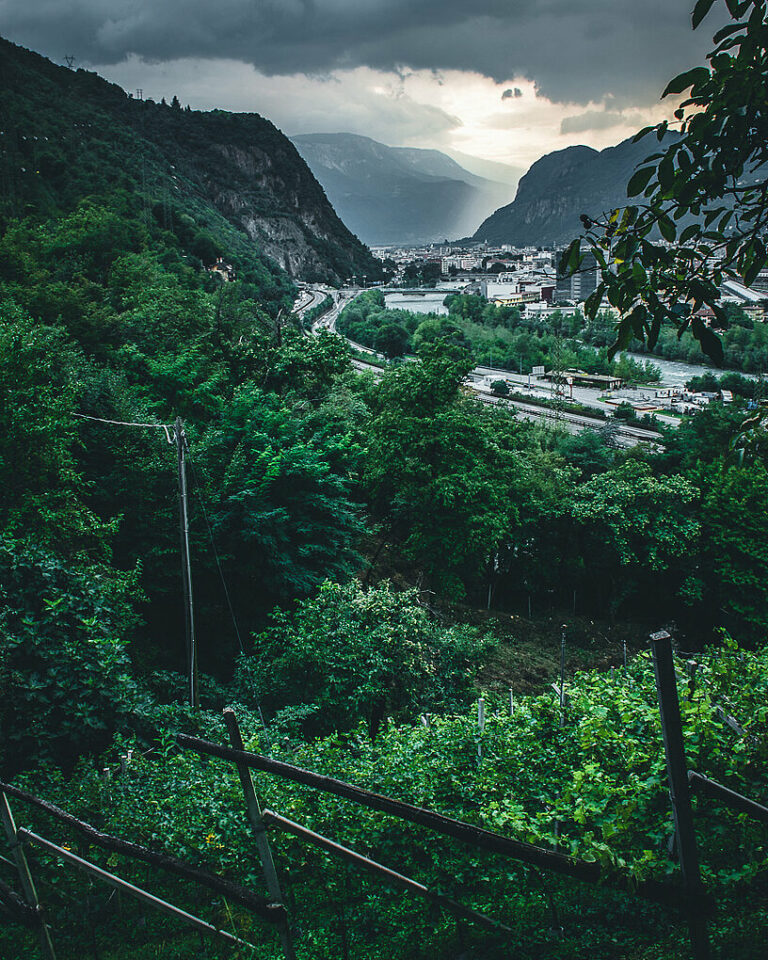
Pranzegg. In der Eben. Thomas Niedermayr. Garlider. Four names that will mean more or less to you depending on where and how you drink wine. Four small-scale organic and biodyanamic growers from four points on the compass of northern Italy’s Südtirol-Alto Adige (aka South Tyrol). Four individualists who, after years of being stuck in the corners at tastings and fairs — singled out as “crazies” for their cloudy cuvées, atypical varieties, and defiant styles — decided that being outsiders together would, at a minimum, be more fun. More off-piste than pissed-off, Freistil (“free style”) was born. South Tyrol’s trademark is mountainous diversity. A remarkable living…...